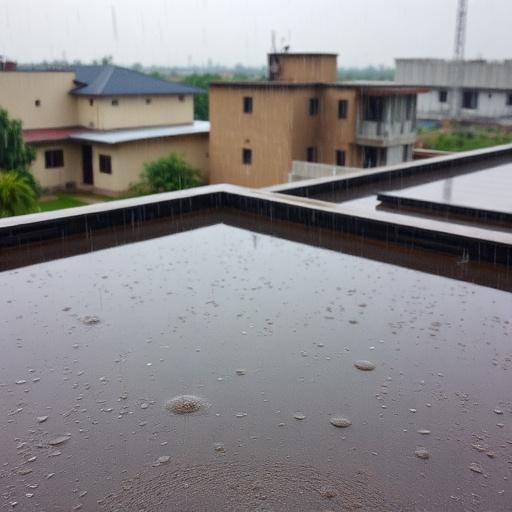
The Oro Valley monsoon season brings intense weather events, posing significant risks to homes, especially the roof. As winds pick up and storms roll in, preparing your roof for the onslaught is crucial to prevent costly damage. This article provides a practical guide for homeowners, offering practical steps to inspect and fortify your roof against the next storm. We'll examine spotting damage from the ground, addressing common issues like lifted shingles, broken tiles, and flashing issues, and offer expert advice on securing your roof before the monsoon hits. By following these seasonal tips, you can ensure peace of mind and protect your investment.
- Inspecting Your Roof: Ground-Level Tips for Damage Spotting
- Monsoon-Ready Roof: Common Issues to Look For
- Prevention is Key: Year-Round Maintenance Routine
- Post-Monsoon Assessment: Repair & Strengthening Strategies
Inspecting Your Roof: Ground-Level Tips for Damage Spotting

When preparing your Oro Valley home for the upcoming monsoon season, a crucial step is inspecting your roof from the ground to identify potential vulnerabilities. As a homeowner, you can play a vital role in maintaining your roof's integrity by learning to spot damage early. This proactive approach can save you from costly repairs and ensure your family's safety during severe weather events. One of the most effective ways to assess your roof's condition is by conducting a thorough examination from the ground, looking for signs of microburst damage, which can be particularly prevalent in our area, especially with increasing weather variability.
Focus on key areas, such as the roof's perimeter, where wind pressure is often the highest. Look for any lifted or missing shingles, a common indication of microburst impact. Shingles that appear curled, cracked, or dislodged can be red flags. Also, check for damaged or missing tiles, as these can be blown off during intense storms. Keep an eye out for exposed underlayment, which can be visible if shingles have been lifted, providing a potential entry point for water. The ground-level inspection should also include a check for blocked or damaged scuppers, as proper drainage is essential to prevent interior leaks after heavy rain.
By spotting damage from the ground, you can take immediate action, like securing loose tiles before the monsoon hits or requesting a prompt assessment from a local roof expert. Take note of any interior leaks or unusual moisture accumulation, as these could be signs of storm-related flashing or parapet damage. This simple, yet effective, ground-level damage spotting can be a powerful tool in your preparation arsenal.
Monsoon-Ready Roof: Common Issues to Look For

As the monsoon season approaches, homeowners in Oro Valley must prepare their roofs for the potential onslaught of severe weather. This is particularly crucial for areas prone to high winds, hail, and heavy rainfall, as these conditions can cause significant damage. A local roofing company serving Oro Valley, DC Roofing of Arizona, emphasizes the importance of a thorough inspection to identify common issues before the storm hits.
One of the most visible signs of monsoon damage is the presence of broken tiles or lifted shingles. Homeowners should look for these signs during or after a storm, as they can indicate more severe structural damage. Strong winds can dislodge shingles, exposing the underlayment to further damage from heavy rain. This can lead to interior leaks and even more extensive roof repairs. Hailstorms are common during the monsoon, and the size of the hail can vary, causing different types of damage. While some hail may only leave minor dents, larger hail can crack or break shingles, tiles, and even the roof's flashing and parapets.
Another critical aspect to consider is the potential for hidden storm damage. Not all damage is immediately apparent. Flash floods, for example, can cause substantial runoff that may erode the soil around the foundation, leading to structural instability and further roof damage. Lightning strikes during storms can also pose a risk, so be vigilant for any signs of strike damage, such as charred areas or discolored metal. When assessing potential storm damage, it's essential to spot it from the ground. Using binoculars or simply climbing a ladder (if safe to do so) can help homeowners identify issues like lifted shingles or broken tiles that may not be visible from the street. Remember, early detection is key to minimizing the impact of monsoon damage.
Prevention is Key: Year-Round Maintenance Routine

Preventive maintenance is crucial when preparing your Oro Valley or Marana roof for the intense monsoon season. While some storm damage is inevitable, a year-round maintenance routine can significantly reduce the risk of severe issues, especially from microbursts, haboobs, and hail. Regular inspections, for instance, allow for the early detection of problems like lifted shingles, broken tiles, or storm-damaged flashing and parapets. Spotting damage from the ground is a key skill for homeowners and can save time and money in the long run.
Your roofing contractor serving Oro Valley and Marana recommends a multi-step approach. First, conduct a visual inspection after every significant storm, even if it seems minor. Look for any signs of damage, including interior leaks after heavy rain, which could indicate a problem with the roof's underlayment. Keep an eye out for tree limb damage, as these can cause significant roof damage during intense storms. If you notice any lifted shingles or missing tiles, don't delay; secure loose tiles before the next monsoon hits. Check for hail damage, which can vary greatly by roof type-shingles, tiles, or metal each have unique vulnerabilities.
To further protect your roof, focus on securing loose tiles and checking for hidden storm damage. The latter can be challenging but is crucial, as some issues might not be apparent until after a second storm. A haboob or microburst could cause subtle damage that goes unnoticed until water starts seeping in. To avoid this, photograph your roof after storms as a record for your insurance claim and for your reference. These steps, when incorporated into a regular maintenance routine, will ensure your roof is as storm-ready as possible when the next monsoon season arrives.
Post-Monsoon Assessment: Repair & Strengthening Strategies

Post-monsoon inspections are crucial for homeowners in Oro Valley and Marana, as the season's powerful storms can leave significant damage. One of the most effective strategies to protect your home is to conduct a thorough assessment, identifying any issues before they escalate. By the time the next monsoon rolls around, you'll want to ensure your roof is in top condition, ready to withstand the challenges of heavy rain, strong winds, and potential hail.
A simple yet effective way to spot damage from the ground is to walk around your property and look for any signs of distress. Lifted shingles, for instance, are a common indicator of wind exposure, especially near areas like Pusch Ridge, which is known for its higher wind speeds. Keep an eye out for missing or damaged shingles, as these can lead to interior leaks after heavy rain. Check for loose tiles and any signs of flashing or parapet damage, as these components are often overlooked but can be critical to your roof's integrity. The National Weather Service Tucson provides valuable resources and updates on storm activity, so stay informed to better understand potential risks.
During your assessment, don't forget to examine the underlayment, a protective layer beneath the shingles. Storms can damage or lift this material, creating entry points for water. If you notice any torn or missing underlayment, it's essential to replace it before the next monsoon. A roofing contractor serving Oro Valley and Marana can assist with these repairs, ensuring your roof is strengthened and protected. Remember, addressing issues early, especially hidden storm damage, is key to preventing further complications and costly repairs down the line.
Frequently Asked Questions About Seasonal Advice on Preparing a Roof for the Next Monsoon
What is the most important step in preparing my roof for monsoon season?
Regular inspections are crucial. A licensed Oro Valley area roofing contractor, like DC Roofing of Arizona, recommends scheduling a comprehensive assessment before monsoon begins. Look for loose or damaged shingles, flashing issues, and signs of water intrusion. Addressing these problems early can prevent costly repairs later, ensuring your roof is in optimal condition to withstand intense rainfall and high winds.
How can I ensure my roof is in good shape for the monsoon?
Focus on preventing water damage. Seal any gaps around vents and chimneys, and ensure gutters are clean and functional. Consider adding roof underlayment, which acts as a secondary barrier against moisture. Regular cleaning and maintenance, including repainting metal surfaces, also protect against corrosion and extend the life of your roof.
What should I do if my roof has sustained damage from previous monsoons?
If damage is severe, consult a professional. A local roofing company serving Oro Valley can assess the extent of the damage and recommend repairs or replacements. Prompt action is vital; leaving damaged roofs unattended can lead to more extensive and costly problems during the next monsoon.
Can certain types of roofs handle monsoons better than others?
While all roofs require proper maintenance, flat or low-sloped roofs may be more susceptible to damage during monsoons. Steep roofs with adequate slope allow water to shed quickly, reducing the risk of pooling and related issues. Always consult a roofing expert to ensure your roof is suitable for the local climate.
When is the best time to schedule roof repairs before monsoon?
Early preparation is key. Aim to have repairs completed at least a month before the expected onset of monsoon season. This timeline allows for unforeseen issues and ensures your roof is in peak condition when the heavy rains arrive.
What should I do if I notice mold or mildew growth after a monsoon?
Mold and mildew can indicate water intrusion. A licensed Arizona roofer can identify the source of moisture and provide solutions. Promptly addressing these issues is essential for preventing further damage and ensuring a healthy living environment.
How often should I get my roof inspected?
Annual inspections are recommended, but more frequent checks might be necessary if your roof is older or has shown signs of wear. A roofing contractor with an Arizona ROC license can determine the best inspection schedule based on your roof's condition and local weather patterns.
As Oro Valley's leading authority on storm damage roof repair, we've outlined a practical guide to prepare your home's roof for the upcoming monsoon season. By practicing spotting damage from the ground and understanding common issues, you can ensure your roof's resilience against intense winds, hail, and heavy rainfall. Regular year-round maintenance, along with swift post-monsoon assessments, will fortify your roof against future storms. Remember, prevention is key. Employing these strategies not only protects your property but also offers peace of mind, knowing your roof is a strong barrier against the elements. With our expert advice, you'll be well-equipped to face the monsoon, safeguarding your home and investment.
As monsoon season approaches, Oro Valley homeowners must prioritize roof maintenance. Conducting ground-level inspections is crucial to spot microburst, hail, and storm damage early. Look for lifted or missing shingles, damaged tiles, exposed underlayment, and scupper issues. Regular post-storm assessments, proper maintenance, and vigilance against hidden damage are key to protecting your Oro Valley roof and home.