
Oro Valley homeowners face unique challenges for roof damage from monsoon storms. These powerful events can leave behind a trail of destruction, from lifted shingles and broken tiles to interior leaks and storm-damaged flashing. Spotting damage from the ground is crucial, as it allows for swift action and the best chance at minimizing costly repairs. This practical guide is designed to empower homeowners to assess roof damage effectively, understand their storm damage insurance claims, and connect with trusted local experts like DC Roofing of Arizona, who specialize in emergency repairs and secure post-storm solutions.
- Inspecting Your Roof After a Storm
- Common Monsoon Storm Damage Signs
- Spotting Damage from the Ground
- Documenting and Reporting Roof Damage
Inspecting Your Roof After a Storm

After a monsoon storm, homeowners in Oro Valley should begin their roof damage assessment from the ground. It's important to spot visible signs of damage, such as cracked tiles or lifted shingles, which may indicate more serious internal problems. While it's tempting to contact a roofer immediately, especially if there are signs of water intrusion, it's wise to first conduct a thorough inspection. This approach can help you avoid unnecessary repairs and potentially expensive work from storm chasers who may not be as diligent or skilled.
Start by walking around your property, examining the roof from multiple angles. Look for any loose or missing shingles, which can be a result of strong winds or flying debris. Check for damaged flashing and parapets, as these areas are particularly vulnerable to storm damage. Also, pay close attention to the gutters; storm damage often includes debris buildup, which can lead to interior leaks. If you spot any signs of water damage or mold, take clear, detailed photographs for insurance claims. Remember, a licensed Arizona roofer can provide expert guidance during this process, ensuring you make informed decisions.
Next, consider the overall age and condition of your roof. Older roofs may be more susceptible to damage from hail, wind, or microbursts. Look for signs of storm-related underlayment damage, as this layer protects your roof from the elements. Keep in mind that some damage may not be immediately visible; for instance, interior leaks after heavy rain could indicate hidden storm damage. It's crucial to address these issues promptly to prevent further complications, such as mold growth or structural weakness. Always prioritize safety when inspecting your roof, and if you're unsure, contact a professional for assistance.
Common Monsoon Storm Damage Signs
After a monsoon storm, Oro Valley homeowners should be alert for several common signs of roof damage. Spotting damage from the ground can be crucial, especially in a region like Rancho Vistoso, where wind exposure near Pusch Ridge can exacerbate issues. Look for missing or damaged shingles, often lifted and curled, which can expose the underlayment and create entry points for water. A microburst-a localized, powerful thunderstorm-can cause sudden, significant damage, including lifted shingles, broken tiles, and even tree limb impact.
Examine the parapet walls and scuppers for any signs of wear or debris buildup. Storm-driven winds can dislodge or break tiles, and heavy rain can cause interior leaks. Flash flood runoff can also overwhelm drainage systems, leading to water infiltration. Check for storm-damaged flashing, which can separate from the shingles, creating gaps that allow water to enter the roof and potentially the home. Be mindful of potential solar panel and skylight damage, as these areas can be vulnerable to flying debris.
A licensed Arizona roofer recommends photographing any visible damage for insurance claims. Keep a close eye on your gutters, too, as storm damage can cause them to become blocked or detached. If you notice any hidden storm damage, such as strange musty smells or mold growth, it's crucial to address it promptly. The longer you wait, the greater the potential for extensive interior damage, especially during a second storm before repairs are completed. Remember, prompt action can lead to more manageable repairs and financial protection.
Spotting Damage from the Ground
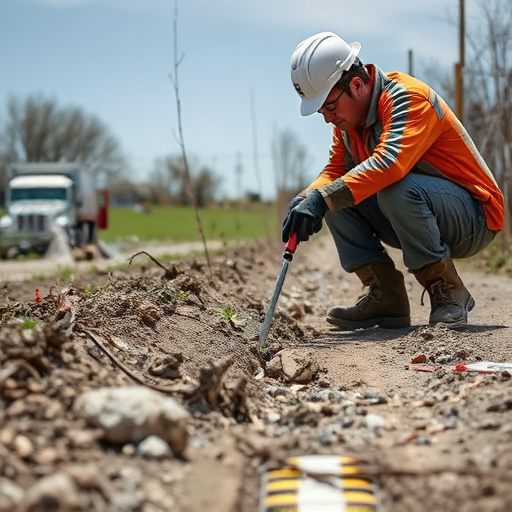
After a monsoon storm, Oro Valley homeowners can assess roof damage from the safety of the ground, using a keen eye and a bit of knowledge. This is crucial, especially when navigating the potential for hidden damage. Look for these signs, visible from the ground, that signal a need for professional attention: lifted or missing shingles, broken tiles, and dark stains indicating interior leaks. In the Catalina Foothills, where wind exposure can be significant, close inspection of parapet walls and roof vents is especially important.
Photographic documentation is a key step. Take clear, detailed images of the suspected damage. This not only helps in communicating the extent of the problem to a roofing contractor serving Oro Valley and Marana but also serves as valuable evidence for an insurance claim. Note the direction of the wind during the storm-this can help in understanding the pattern of damage, such as concentrated areas of impact from flying debris.
Don't overlook potential hidden damage. Storms can cause underlayment to shift, or flashing to become dislodged, leading to future leaks. A roofing expert will know to look for these subtler issues, especially if there are no immediate visible signs of damage. Remember, a second storm before repairs can exacerbate existing problems, so prompt action is crucial after the initial event.
Documenting and Reporting Roof Damage

After a monsoon storm, homeowners in Oro Valley should start by documenting and reporting any roof damage they spot, both from the ground and by examining their property. This initial assessment is crucial for understanding the extent of the damage and for filing an accurate insurance claim. Take photos of the roof, exterior, and any visible damage to tiles, shingles, or flashing. Note the time and date of the storm and document any immediate leaks or interior damage from water intrusion.
Focus on specific details: look for lifted or missing shingles, broken tiles, and signs of water pooling or flashing issues. Check for scuppers (the small openings at the edge of a roof that direct water away) that might be clogged or damaged. In areas like Rancho Vistoso, where wind exposure can be high, pay extra attention to parapet walls-vertical structures that prevent water from running down the sides of the roof. These features are vulnerable to damage from flying debris and strong winds.
Once you've documented the damage, contact a local, licensed roofer with an Arizona ROC license to conduct a thorough inspection. They can assess the damage, identify hidden issues that might not be apparent to a layperson, and provide a detailed estimate for repairs. Be sure to ask about their experience with storm damage restoration and their ability to work with your insurance company. A professional roofer can also check the underlayment, flashing, and roof vents for storm damage, ensuring that your roof is fully protected against future storms, especially the powerful haboobs and microbursts common in the region.
Frequently Asked Questions About a guide for Oro Valley homeowners on assessing roof damage after a monsoon storm
What should I do immediately after a monsoon storm to assess my roof damage?
After a storm, the most important step is to ensure your safety. Wait for the storm to pass and the area to become safe. Then, inspect your roof for visible damage, such as missing shingles, leaks, or structural issues. Document the damage with photos, taking note of the date, time, and extent of the damage. Contact a licensed Oro Valley area roofing contractor like DC Roofing of Arizona for a thorough assessment as soon as possible.
How can I tell if my roof needs immediate attention after a storm?
Look for any signs of severe damage, like missing or broken shingles, damaged gutters, or evidence of water intrusion. Leaks, especially around the edges or in the attic, are a clear indication of potential structural issues. If you notice any of these, don't delay; contact a roofing specialist immediately.
Do I need to file an insurance claim for minor roof damage after a storm?
Minor damage, such as a few missing shingles or small leaks, might not require an insurance claim. However, document the damage and keep the photos for your records. For more significant damage, it's crucial to inform your insurance company. They may require proof of the storm's impact and the extent of the damage to process a claim.
How long should it take to repair a roof after a monsoon storm?
Most roof repairs after a storm can be completed within 1-2 days, depending on the extent of the damage and the contractor's schedule. For more extensive repairs or replacements, the process might take up to a week or more.
What should I do if I'm unsure about handling roof repairs myself?
If you're not comfortable assessing or repairing your roof yourself, it's best to leave it to a professional. A licensed roofer can provide a detailed assessment and perform the necessary repairs or replacements safely and efficiently. They understand local building codes and insurance requirements, ensuring your peace of mind.
After navigating a monsoon storm, Oro Valley homeowners must carefully assess their roof's integrity. By understanding common damage signs, both from the air and the ground, you can spot issues like lifted shingles, broken tiles, and interior leaks promptly. Documenting damage, including taking photos, is crucial for a successful storm damage insurance claim.
Knowing what to look for-from wind-driven tile leaks to hidden underlayment damage-empowers you to act swiftly. Contacting a licensed, local roof expert for an accurate inspection is key. Following these steps ensures you're prepared to face the next storm and protect your home effectively.
After a monsoon storm, Oro Valley homeowners should first inspect their roof from the ground for visible damage like missing or lifted shingles and water intrusion. Document these signs with photos for insurance claims. Examine the roof's flashing, underlayment, and gutters for potential storm damage. Contact a licensed Arizona roofer for a thorough assessment and repairs, especially in vulnerable areas like Rancho Vistoso and near Pusch Ridge. Prompt action is crucial to prevent further interior damage and hidden issues.