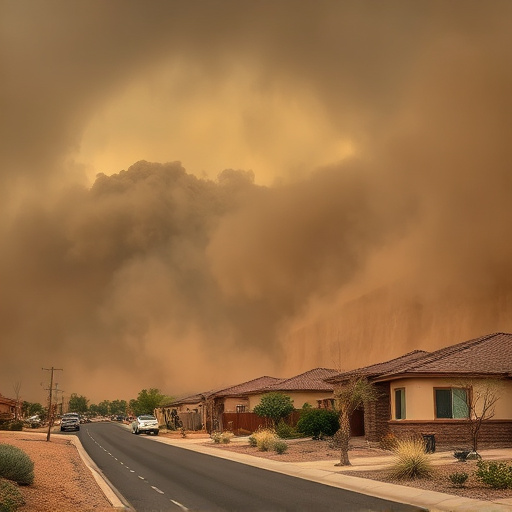
Storms can leave visible damage, but many hidden hazards don't show up until weeks later. This delays repairs and causes further issues, especially with the monsoon season approaching. The key is to spot these concealed storm damage signs early, like lifted shingles, broken tiles, or interior leaks after heavy rain. Understanding the common culprits, from wind-driven rain tile leaks to hail size and roof damage, is crucial. This guide will walk you through the most effective ways to identify these hidden hazards, protect your home, and prepare for a smooth storm damage repair process. Whether you're a homeowner or a public adjuster handling claims, these insights from Oro Valley's local roof experts will ensure your property is secure.
- Initial Assessment: Storm Pass, Damage Left Behind
- Common Signs of Delayed Roof Damage
- Hail Size Matters: Evaluating Roof Impact
- Professional Inspection: Uncovering Hidden Woes
Initial Assessment: Storm Pass, Damage Left Behind
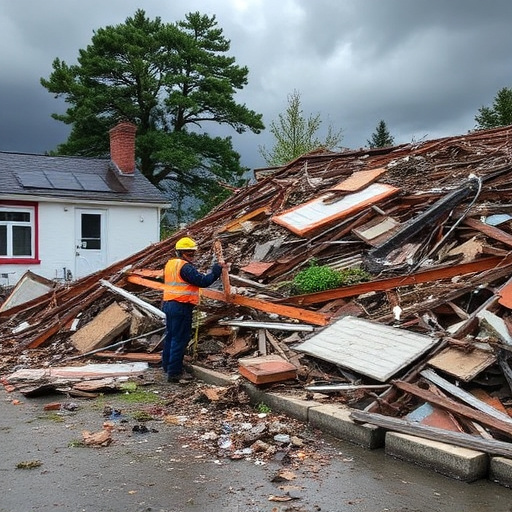
When the storm passes, the initial assessment of your Oro Valley property is crucial. This isn't just about spotting the obvious damage; it's about understanding the potential long-term effects, especially hidden storm damage that can show up weeks later. Storm chasers may rush in, but their focus is often on quick repairs, not a thorough inspection. As a property owner, you need to be aware of the subtler signs of storm damage, especially for roofs.
Hail damage, for instance, is readily visible in many cases, but its impact on your roof can vary greatly depending on the size of the hail. A roofer with an Arizona ROC license will tell you that larger hail can rip shingles, lift them, and even damage underlying underlayment. But even smaller hail can create a path for water intrusion, leading to interior leaks weeks later. Storms also bring intense winds that can drive rain into your home through damaged gutters or flashing, or cause tree limbs to fall and puncture your roof.
During your initial assessment, look for lifted or missing shingles, broken tiles, and signs of flashing or underlayment damage. Also, check for water stains on ceilings or walls, which could indicate interior leaks. Don't overlook the exterior-are there loose tiles or damaged vents? All these could be indicators of storm damage. Remember, a professional insurance adjuster will want to see these details documented, so taking clear photographs is essential. This not only aids in the claims process but also serves as a valuable record for future repairs.
The post-storm period is also a good time to consider your roof's wind exposure, especially if your home is near wind-prone areas like Pusch Ridge. If a second storm hits before proper repairs are made, the damage could compound, leading to more extensive and costly repairs. Always consult with a qualified and licensed expert to assess your specific situation and ensure your home is protected from potential hidden storm damage.
Common Signs of Delayed Roof Damage
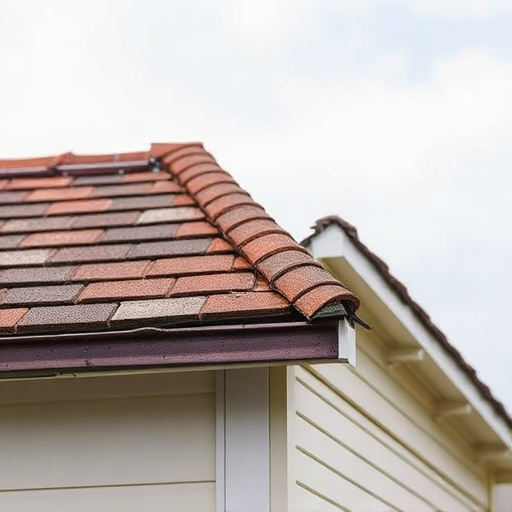
Hidden storm damage can often go unnoticed for weeks after a severe weather event, particularly during the monsoon season in Oro Valley. This delay in recognition can be dangerous, as it allows water intrusion, structural weakness, and other serious issues to fester. One of the most insidious types of damage is that caused by hail, which can vary greatly in size and intensity. A small, thin layer of ice can still puncture shingles, while larger hail can lift them completely, exposing the underlayment and allowing water to seep in. This water intrusion can lead to mold, wood rot, and extensive structural damage if left unaddressed.
In the aftermath of a storm, it's crucial to inspect your roof for signs of delayed damage. Look for lifted or missing shingles, which might appear as bare spots or exposed underlayment. Broken or cracked tiles and damaged flashing around skylights and vents are also common indicators. A severe microburst in Rancho Vistoso could leave behind a trail of destroyed shingles, while a powerful haboob might slam into your home, causing flying debris damage to the roof and gutters. These events can create a mess that's not immediately apparent from the ground.
A licensed Arizona roofer recommends securing loose tiles and examining the underlayment before the next storm hits. Regularly checking for these signs, especially after a particularly intense storm, can help catch potential problems early. Remember, the hail size and roof damage it causes can vary wildly, so don't assume a minor storm won't leave a mark. In fact, even a light storm could result in hidden damage, especially if your roof is older or not properly maintained. The monsoon season is a prime time for these issues to surface, so stay vigilant and contact a professional for a thorough assessment if you suspect any storm-related damage.
Hail Size Matters: Evaluating Roof Impact
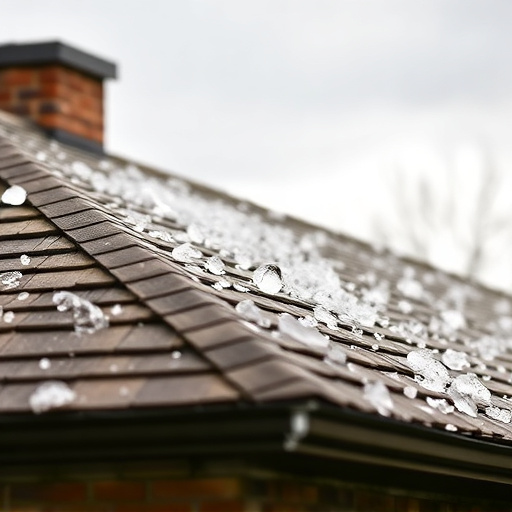
Hail, a common occurrence during Arizona's stormy seasons, can cause significant damage to your roof-often not immediately visible. Assessing the hail size and its impact on your roof is crucial in the aftermath of a storm. This process involves more than just spotting lifted shingles or broken tiles; it requires a keen eye for detail and a thorough understanding of roofing.
The National Weather Service Tucson provides valuable insights into hail size and its potential roof damage. While the severity of damage depends on the hail's diameter and your roof's type and age, even small hail can be destructive. 1-inch hail can dent metal roofs and crack shingles. Larger hail, 2 inches or more, can rip off shingles, damage gutters, and even puncture holes in a roof's underlayment-the layer beneath the shingles that provides an extra barrier against water. A roofer with an Arizona ROC license (Arizona Roofers Contractors License) recommends inspecting your ceiling for stains, a telltale sign of such damage. Ceiling stains can indicate water intrusion from a punctured underlayment or damaged flashing-all potential consequences of heavy hail impact.
Hidden storm damage often reveals itself weeks after a storm, as the initial impact may seem minimal. But close inspection is crucial. Look for missing or damaged shingles, especially around corners and valleys where hail can collect. Check for loose tiles, which might have been dislodged by flying debris or strong winds. The wind exposure near Pusch Ridge, known for its monsoons and severe weather, necessitates extra vigilance. Remember, the goal is to identify potential issues early, preventing further damage and costly repairs.
Understanding the extent of the damage is the first step towards effective storm restoration. Documenting the hail size and its effects with photos can aid your insurance claim process. This visual evidence is invaluable when dealing with a public adjuster or your HOA (Homeowners Association) for storm damage claims. The key is to act swiftly, as waiting for another storm to hit before addressing the damage could worsen the situation.
Professional Inspection: Uncovering Hidden Woes

A professional inspection is crucial after a storm, as it can reveal hidden damage that may not be immediately apparent. Oro Valley roof specialists with an Arizona ROC license are trained to spot subtle signs of distress that could indicate significant structural problems. A close examination might reveal lifted shingles, broken tiles, or missing underlayment-all of which could have been caused by hail of varying sizes. The size and shape of hail can vary widely, and what might seem like minor damage on the surface could signal a deeper issue. An expert will also check for interior leaks, which often manifest after heavy rain, and inspect the flashing and parapets for storm damage.
Hidden storm damage can also include flashing and parapets that have been damaged by lightning strikes or tree limbs that have fallen onto roofs during severe storms. These incidents often go unnoticed until the next major weather event, when the weakened structure becomes more vulnerable. It's important to avoid storm chasers who may rush in after a storm, promising quick fixes. Reputable roof specialists conduct thorough inspections, documenting every detail for insurance claims. They also secure loose tiles before the onset of the monsoon season and provide prompt estimates for repairs, ensuring that any damage is addressed swiftly and properly.
Another common hidden problem is damage to solar panels and skylights, which can be hard to detect without professional knowledge. Hail, wind-driven rain, and flying debris can all impact these features, yet they may not be immediately noticeable to the untrained eye. An experienced Oro Valley roof specialist will check for any damage to these areas, as well as the overall structural integrity of the roof. They understand that a second storm before the first set of repairs is complete can exacerbate existing issues, leading to more extensive damage. Therefore, it's critical to engage a trusted, licensed professional who can assess all aspects of storm damage.
Frequently Asked Questions About a guide to spotting hidden storm damage that shows up weeks later
What is hidden storm damage?
Hidden storm damage refers to structural or aesthetic issues on your property that aren't immediately visible after a storm. These can include damaged or loose shingles, weakened structural components like beams or trusses, and water intrusion that has led to rot or mold. It's often not until weeks or even months later that these issues become apparent.
Why is it important to spot hidden storm damage?
Early detection of hidden storm damage is crucial. Addressing it promptly prevents further complications like structural failures, costly repairs, and potential health risks from mold. It's also beneficial for insurance claims, as having detailed records of the damage enhances your claim's validity.
How soon after a storm should I inspect my property?
It's recommended to conduct a thorough inspection of your property within 24 to 48 hours after a storm. This timeline allows you to capture any immediate, visible damage while also giving you enough time to assess the potential for hidden issues.
What should I look for during an inspection?
Focus on roof and attic areas, looking for missing or damaged shingles, water stains, or signs of water intrusion. Check for sagging or misaligned gutters, and pay close attention to areas around windows and doors for signs of leakage. Also, inspect exterior walls and foundations for cracks or signs of water damage.
Who should I call if I suspect hidden storm damage?
If you suspect hidden storm damage, contact a licensed, experienced Oro Valley area roofing contractor. They have the expertise and tools to thoroughly assess your property, pinpoint hidden damage, and provide cost-effective solutions.
What if I don't see any visible damage, but suspect hidden issues?
If no immediate damage is visible but you suspect hidden issues, consult with a professional. They can perform a detailed inspection, utilizing tools like moisture meters and thermal imaging cameras to detect problems that may not be apparent to the untrained eye.
As we wrap up this guide, it's crucial to remember that hidden storm damage can manifest weeks after a storm passes. The key to timely repairs lies in recognizing common signs, understanding the impact of hail size on your roof, and engaging professional experts. By conducting a thorough initial assessment and paying close attention to details, homeowners can uncover potential issues, especially those related to the underlayment, flashing, and roof vents.
Hail size, as we've discussed, matters in roof damage. Large hail can leave behind not just lifted shingles and broken tiles but also hidden vulnerabilities in the roof's structure. A professional inspection is therefore vital to identify these hidden weaknesses, ensuring your roof is secure against future storms.
The practical next step is to reach out to a reputable Oro Valley storm restoration service. They can provide a detailed assessment, help with your storm damage insurance claim, and offer budget-friendly repairs. With their expertise, you can rest easy knowing your home is protected, even during the intense wind exposure near Pusch Ridge and the potential for flash flood runoff.
This guide has empowered you to spot hidden storm damage, understand the importance of timely repairs, and take proactive measures to safeguard your home. Remember, the post-storm defense is just as crucial as the immediate response, ensuring your roof is secure and your peace of mind intact.
Summary:
Post-storm, Oro Valley property owners must thoroughly inspect their roofs for hidden damage, especially hail-related. Hail of varying sizes can cause significant roof damage, from puncturing shingles to damaging underlayment. Interior leaks, flashing, and parapet damage are also common. Engage a licensed Arizona roofer to assess:
- Lifted or missing shingles
- Broken tiles
- Flashing and underlayment damage
- Water stains on ceilings or walls
- Loose tiles or damaged vents
Document damage with photos for insurance claims. Regularly check roofs, especially near wind-prone areas like Pusch Ridge, to prevent compounding damage before repairs.