
Storms in Oro Valley can cause significant damage to your home, with roofing being a critical area of concern. Flashing, parapets, and underlayment-often overlooked components of your roof-are particularly vulnerable to wind-driven rain, hail, and flying debris, leading to costly repairs and interior leaks. This damage checklist focuses on these hidden storm damage culprits, providing homeowners with a practical guide to identifying and addressing issues before the next storm hits. We'll explore the expertise required to fix storm damaged roof vents, flashing, parapets, and underlayment, ensuring your home is protected during and after intense weather events, and offering peace of mind with expert, licensed, and insured professionals like DC Roofing of Arizona.
- Assessing Storm Damage to Roof Venting
- Understanding Parapet and Underlayment Failure
- Repairing and Preventing Future Storm Damage
- Natural Solutions for Roof Flashing Replacement
Assessing Storm Damage to Roof Venting

When assessing storm damage, roof vents often go unnoticed until they become a critical issue. During intense storms, such as those experienced in Oro Valley and Marana, these vents can be significantly affected by high winds, heavy rainfall, and flying debris. The primary keyword at hand, storm damaged roof vents, reveals a crucial but often overlooked aspect of post-storm restoration.
Vents, including scuppers and flashings, play a vital role in keeping your roof system healthy. They allow the escape of wind-driven rain and help prevent the build-up of pressure, which can lead to damage from microbursts. When a storm hits, these vents can sustain direct impact from lightning strikes, hail, or even falling tree limbs. A powerful microburst near Pusch Ridge could cause a vent to become dislodged, allowing water to infiltrate the roof system. This can result in interior leaks and further damage to the underlayment and flashing.
In the aftermath of a storm, a roofing contractor serving Oro Valley and Marana should thoroughly inspect the roof vents as part of their storm damage assessment. They should look for signs of missing or damaged scuppers, loose or cracked flashings, and any debris buildup. A storm-damaged skylight may have left its vent opening vulnerable, creating a path for water to enter. Repairs should address not only the visible damage but also the potential long-term effects on the roof's integrity. This includes securing any loose tiles before the next monsoon season and ensuring the underlayment remains intact to prevent further hidden storm damage.
Understanding Parapet and Underlayment Failure
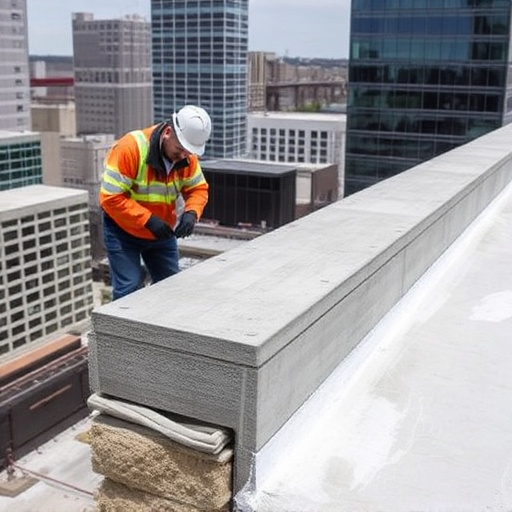
Parapets and underlayment are crucial components of your roof's defense against the elements. While these systems are designed to withstand significant pressure, intense storms, especially the powerful haboobs that can hit Marana, can push them to their limits. Understanding how these failures can occur is essential for swift, effective storm damage repair.
Parapets, those vertical barriers that line the edges of your roof, often succumb to high winds and flying debris. Imagine the force of a powerful gust, say from a haboob, against a poorly secured parapet. Over time, this repeated exposure to wind can cause the parapet to shift, loosen, or even collapse, exposing the underlayment and roof deck to damage. Similarly, underlayment, the protective layer beneath the shingles, can fail due to water penetration, especially after heavy rain or flash floods. Water can seep through cracks, gaps, or damaged areas, causing the underlayment to become saturated and weaken over time. This weakness can lead to lifted shingles, a common sign of storm damage, as the underlayment can't adequately support the weight of the shingles.
When a storm strikes, it's crucial to spot these potential problems from the ground. Look for signs like loose or missing shingles, water stains on ceilings or walls, or bulging areas on the roof-all potential indicators of parapet or underlayment damage. If you suspect storm damage, don't delay; contact a trusted expert like DC Roofing of Arizona. Our team of certified storm experts will assess your roof, including a thorough inspection of your flashing and roof vents, to ensure your home is protected and any repairs are done right, the first time. Remember, addressing these issues promptly after a storm can prevent further, more costly damage and ensure your peace of mind.
Repairing and Preventing Future Storm Damage
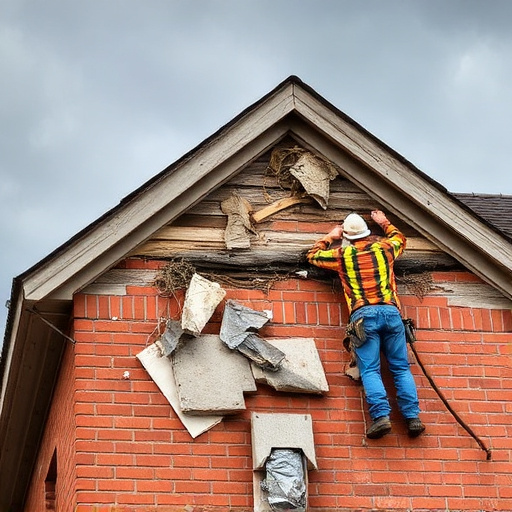
When a storm hits Oro Valley, one of the most critical areas to assess for damage is the roof. Beyond visible shattered windows and uprooted trees, storm damage can manifest in subtle yet significant ways, especially in the components that protect your home from the elements: flashing, parapet walls, and underlayment. This section examines the specifics of repairing and preventing future storm damage to these crucial elements, offering a roadmap for homeowners and providing expert insights from a roofer with an Arizona ROC license.
Flashings and Parapet Walls
Flashings, often made of metal or synthetic materials, act as a crucial barrier between your roof and the elements. Intense winds and driving rain can lift or tear flashings, leading to leaks and, ultimately, interior damage. Similarly, parapet walls, which line the edges of your roof, are susceptible to storm damage. Debris thrown by strong winds can punch holes in these walls, allowing water to infiltrate your home. Proper repairs involve replacing or re-securing these components to ensure they can withstand future storms.
Underlayment: The Hidden Protector
Underlayment, the layer beneath your shingles, is often overlooked but matters in roof protection. Heavy rainfall and strong winds can cause the underlayment to tear or lift, exposing your roof to further damage. Identifying and repairing underlayment issues is crucial, as it can prevent secondary problems like ceiling stains and interior leaks. A thorough storm damage assessment should always include a close look at the underlayment.
Storm-Proofing Your Roof
To minimize the risk of storm damage, proactive measures are key. This includes regular inspection and maintenance. Securing loose tiles before the monsoon season and checking for signs of wear and tear can help prevent lifted shingles and broken tiles during storms. Reinforcing roof vents to withstand flying debris can protect against storm damage. Remember, timely repairs are crucial; waiting for another storm to assess damage can lead to more extensive and costly repairs.
When to Call a Professional
When dealing with storm damage, especially to complex roof components, it's often best to leave repairs to the experts. A roofer with an Arizona ROC license is equipped to assess and fix these issues safely and efficiently. They can also help navigate the process of filing a storm damage insurance claim, ensuring you receive the financial protection you deserve.
Natural Solutions for Roof Flashing Replacement
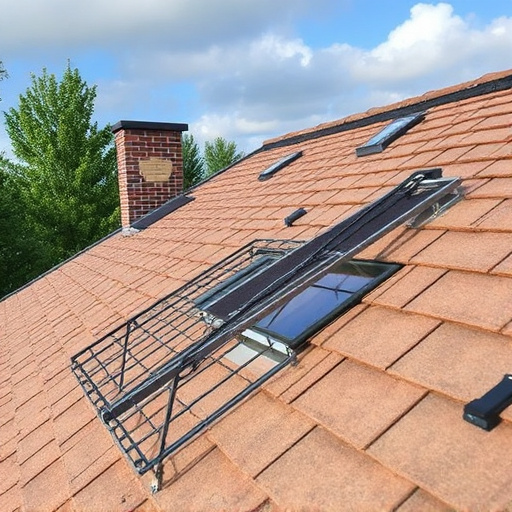
Storm-damaged flashing, parapets, and underlayment often present a complex challenge for homeowners, especially when navigating the aftermath of a severe storm. In Oro Valley, where wind-driven rain, hail, and microbursts are common, these structural elements can be particularly vulnerable. However, addressing these issues with natural solutions can significantly enhance your roof's longevity and prevent further damage.
For roof flashing, a licensed Oro Valley area roofing contractor recommends a systematic approach. Start by thoroughly inspecting the entire roof, including the areas around chimneys, vents, and valleys, for any signs of damage. If you notice lifted shingles, broken tiles, or exposed flashing, take photo documentation for your insurance claim. Next, assess the severity of the damage. Light hail may only require a re-sealing of the flashing, while more significant storms could necessitate a complete replacement. Natural materials like copper or aluminum are excellent choices for flashing, offering durability and a unique aesthetic appeal.
Parapets, or roof edges, are another critical component often overlooked. High winds and flying debris can cause them to become loose or damaged, leading to interior leaks. Regular maintenance and securing these elements before the monsoon season is crucial. A simple yet effective solution is to ensure proper drainage, clearing debris from gutters and downspouts. Re-fastening or replacing damaged or missing shingles can prevent further exposure of the underlayment. The underlayment, a protective layer beneath the shingles, is susceptible to storm damage, especially from heavy rain and flash floods. Checking for any signs of moisture or mold and making repairs as needed is vital to maintaining a healthy roof.
For storm-damaged roof vents, consider a natural approach to repair. Instead of using temporary solutions, invest in high-quality, durable vent covers designed to withstand extreme weather. This not only prevents further damage but also ensures proper airflow, reducing the risk of ceiling stains caused by excessive moisture. Remember, prompt action is key after a storm. Documenting the damage, contacting your insurance company, and working with a reputable Oro Valley contractor will ensure a smooth repair process and help protect your home from potential second storms and hidden damage.
Frequently Asked Questions About an Explainer on Storm Damage to Flashing, Parapets, and Underlayment
What is storm damage to flashing?
Storm damage to flashing refers to the deterioration, dislodging, or leaking of the flashing, a thin layer of waterproof material installed around the perimeter of roofs and around chimneys and vents. In severe weather events like storms and hurricanes, flashing can be torn loose, corroded by wind-driven debris, or damaged by water intrusion, leading to leaks and costly repairs.
How do storms impact parapets?
Parapets, the vertical walls that run along the edge of a roof, are susceptible to storm damage in several ways. High winds can lift or twist them, while heavy rainfall can saturate the mortar or backing material, leading to instability and potential collapse. Debris from nearby trees or structures can also puncture or crack parapets.
What is underlayment and why is it important?
Underlayment is a water-resistant barrier installed beneath the shingles or other roofing material. It acts as a secondary defense against water penetration, protecting the actual roof deck and insulation from moisture. During storms, underlayment plays a crucial role in preventing leaks, especially in areas subject to high winds and heavy rain.
Can all types of roofing materials withstand storms?
While most roofing materials are designed to withstand normal weather conditions, their storm resistance varies. Asphalt shingles, for example, are generally built to handle moderate winds and rain. However, high-wind events, hailstorms, and prolonged deluges can damage or destroy even the most durable roofing systems.
How soon after a storm should I inspect my roof?
It's crucial to inspect your roof for storm damage as soon as possible after a severe weather event, ideally within 24-48 hours. Early inspection allows for prompt repairs, preventing further damage and potential safety hazards like water damage or structural weakness.
What should I do if I suspect storm damage to my flashing, parapet, or underlayment?
If you suspect storm damage, contact a licensed roofing contractor immediately. They can perform a thorough inspection, identify the affected areas, and recommend the best course of action, which may include repairs, replacement, or a complete roof restoration. DC Roofing of Arizona, a local Oro Valley roofer, is equipped to handle all types of storm damage repairs.
Understanding the key vulnerabilities like storm damaged roof vents, flashing, parapets, and underlayment is the first step toward safeguarding your Oro Valley home. By familiarizing yourself with the specific weaknesses targeted by storms, you can proactively assess damage and make informed decisions. The article has highlighted practical solutions such as natural flashing replacements and effective repair techniques for each component, emphasizing the importance of timely intervention.
Next steps for homeowners include regular inspections, especially during high-risk seasons, to identify and address issues early. Documenting damage through photography, as discussed, is crucial for insurance claims, ensuring a thorough record of the storm's impact. Engaging with reputable, licensed professionals like DC Roofing of Arizona who specialize in storm restoration is vital for quality repairs and peace of mind.
Remember, prompt action and knowledgeable expertise can make a significant difference in the aftermath of a storm, minimizing potential secondary damages and ensuring your home is protected for the next weather event.
Storm Damaged Roof Vents & Beyond: Essential Oro Valley Post-Storm Repairs
Intense storms in Oro Valley can wreak havoc on roofs, affecting vents, parapets, and underlayment. Repairs should focus on:
- Vent Inspection: Look for dislodged or damaged vents, entry points for water.
- Parapets & Flashings: Secure loose tiles, replace damaged flashing to prevent water intrusion.
- Underlayment Check: Inspect for tears, moisture, mold, and reinforce as needed.
- Proactive Maintenance: Secure tiles before monsoon, reinforce vents, for storm-proofing.
- Professional Help: For complex issues, consult a licensed Oro Valley roofer for expert repairs and insurance claims assistance.