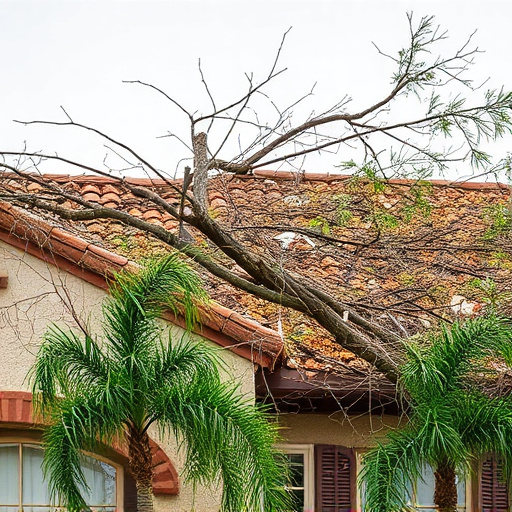
Oro Valley homeowners face a unique challenge during monsoon season: assessing roof damage from intense wind events near Pusch Ridge. With powerful winds and heavy rain, storms can leave a trail of destruction, from lifted shingles and broken tiles to interior leaks and storm-damaged gutters. This guide is designed to empower you with the knowledge to recognize potential roof damage, understand common storm-related issues specific to your area, and navigate the process of filing an insurance claim effectively. We'll walk you through the steps to create a comprehensive damage checklist, ensuring you're prepared to protect your investment and restore your home to its pre-storm condition.
- Assess Wind Damage: Inspect for Signs Near Pusch Ridge
- Document Roof Issues: Photo Evidence Matters
- Understand Coverage: Insurance Policy Review Essential
- Hire a Local Pro: Choosing an Oro Valley Roofer
Assess Wind Damage: Inspect for Signs Near Pusch Ridge
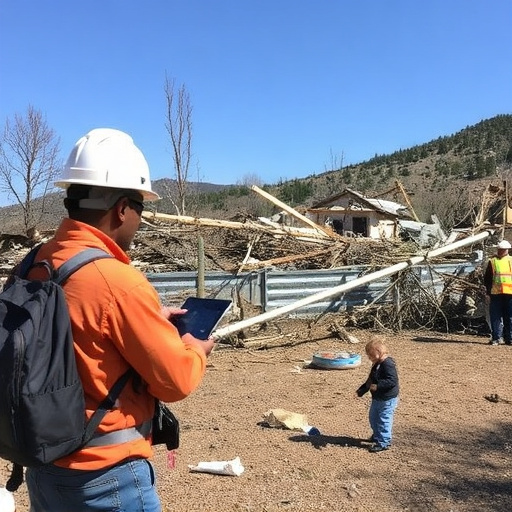
When assessing roof damage after a monsoon storm, especially near Pusch Ridge, Oro Valley homeowners should pay close attention to wind exposure. High winds, common during monsoon season, can cause significant roof damage, including lifted shingles, broken tiles, and even hail-related damage. Wind damage can be subtle, often hidden from ground level, making it crucial to inspect thoroughly. Look for signs of wind exposure, such as loose or missing shingles, which might be lifted and curled, or flashing damage around vents and parapets.
Near Pusch Ridge, where wind speeds can reach impressive heights during haboobs, broken tiles and other debris can be blown onto roofs. A roofer with an Arizona ROC license recommends climbing up to inspect the roof directly, if safe, as this provides a clearer view of potential wind damage. Look for any signs of structural compromise, including warped or bent metal, which could indicate hidden storm damage. Check the underlayment and roof vents for damage; these areas are often overlooked but can be particularly vulnerable to wind exposure.
Interior leaks, often a result of wind-driven rain, can also be a sign of wind damage. Check for water stains on ceilings and walls, especially after heavy rain. These stains might indicate that wind-driven debris has penetrated the roof, causing damage to the interior. Remember, wind damage can be difficult to spot from the ground, so taking a close look from the roof or using a ladder to reach problematic areas is essential. Regularly inspecting your roof before and after monsoon seasons can help in preparing for potential storm damage and ensure swift repairs.
Document Roof Issues: Photo Evidence Matters
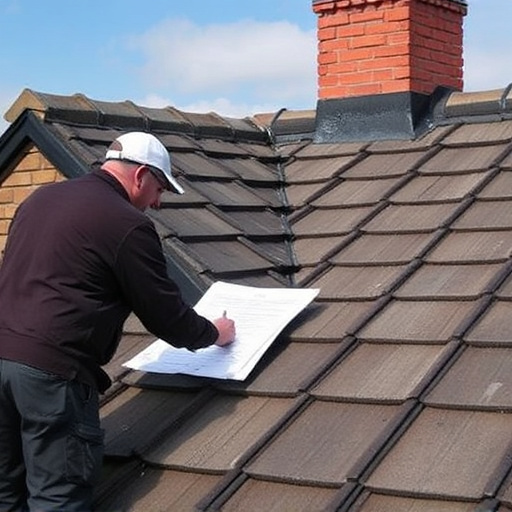
Documenting roof issues after a monsoon storm is a crucial step in the repair process, especially in areas like Oro Valley with significant wind exposure near Pusch Ridge. Photo evidence serves as a detailed record, aiding in accurate assessments and insurance claims. When a haboob or severe wind event strikes, broken tiles and damaged shingles are common sights. A roofing contractor serving Oro Valley and Marana recommends taking photos from multiple angles to capture the full extent of the damage.
Focus on both the visible and hidden. Lifted shingles, for instance, may indicate a deeper problem, such as wind exposure that exceeded the roof's resistance. Similarly, interior leaks after heavy rain, often stemming from storm-related flashing or underlayment damage, can be difficult to detect without proper documentation. A public adjuster reviewing your claim may require detailed photos of suspected storm damaged gutters, roof vents, or even solar panels.
Remember, your insurance company will likely request comprehensive documentation. Start documenting immediately after the storm, while damage is still apparent. Keep a log of all repairs and costs, as this will be invaluable when filing your storm damage insurance claim. If you're dealing with a second storm before repairs are completed, ensure that any new damage is photographed separately to avoid complications with your claim.
Understand Coverage: Insurance Policy Review Essential

Understanding your insurance policy is a crucial step in navigating the aftermath of a monsoon storm in Oro Valley, especially when assessing potential roof damage. The wind exposure near Pusch Ridge can significantly impact the severity of storm damage, making it vital to know your coverage. Many homeowners in Rancho Vistoso discover hidden storm damage after a microburst or heavy rain, often leading to unexpected claims.
Your insurance policy is a legal contract that outlines what is covered and what is not in the event of damage to your property. For roof repairs, policies can vary widely, so it's essential to review your documentation thoroughly. Look for specific clauses related to storm damage, wind and hail coverage, and the types of repairs that are eligible for reimbursement. A local roofing company serving Oro Valley with an Arizona ROC license can offer expert guidance on these matters, ensuring you understand your rights and options.
One common scenario involves damage from flying debris, which can include everything from tree limbs to hailstones. The size and intensity of these objects, coupled with the wind exposure near Pusch Ridge, can cause significant roof damage. In such cases, your policy might cover the replacement of shingles, underlayment, and even roof vents. However, it's crucial to document the damage with photographs and keep records of any conversations or correspondence with your insurance company. This thoroughness can expedite the claims process, ensuring you receive the necessary coverage for repairs, especially for complex issues like storm-related underlayment damage.
Remember, the process of filing a storm damage insurance claim can be intricate, and understanding your policy beforehand can save you time and frustration. If a second storm hits before repairs are complete, your coverage might be extended, but it's crucial to communicate these details with your insurance provider. A public adjuster, while not mentioned in your policy, can also offer specialized assistance, ensuring you receive a fair settlement for the storm damage.
Hire a Local Pro: Choosing an Oro Valley Roofer

When assessing roof damage after a monsoon storm, one of the most crucial steps is to hire a qualified and experienced local roofer. In Oro Valley and Marana, where wind exposure near Pusch Ridge can be intense, choosing the right expert is essential to ensure your home's protection and a smooth insurance claim process.
Look for a licensed Oro Valley area roofing contractor who specializes in storm restoration. Certified Storm Experts and members of the Storm Restoration Association are your best bet. These professionals are trained to handle the unique challenges of post-storm repairs, including microburst damage and hail size assessment. They can spot hidden storm damage, like lifted shingles and broken tiles, and secure loose tiles before the next monsoon hits.
When considering a roofer, prioritize those who offer a full suite of services. Apart from emergency repairs and 24/7 leak teams, they should also provide thorough inspection and photo documentation for your insurance claim. Professional roofing contractors who are IICR Certified and have expertise in storm-related flashing and parapets, roof vents, and gutters will be invaluable assets. They can guide you through the entire process, from initial assessment to final repairs, and even help navigate HOA storm damage claims. Remember, a licensed and insured pro offers peace of mind and financial protection.
Frequently Asked Questions About a guide for Oro Valley homeowners on assessing roof damage after a monsoon storm
What should I do immediately after a monsoon storm to assess my roof damage?
After a storm, your first priority is safety. Ensure your property is secure and no immediate hazards exist. Then, conduct a thorough inspection of your roof. Look for missing or damaged shingles, signs of water intrusion, or any structural damage. Document any damage with photos, noting the date and time. Contacting your insurance provider and DC Roofing of Arizona, a local Oro Valley roofer, for an assessment is the next step. They can provide expert advice and guide you through the claims process.
How can I tell if my roof needs professional repair or replacement?
The extent of damage is crucial in deciding between repair and replacement. Minor issues like a few missing or curled shingles might be repairable. However, extensive damage, including large areas of missing roofing material, water stains, or structural weakness, often indicates the need for replacement. A licensed roofer, like DC Roofing, can conduct a comprehensive inspection and provide a detailed estimate, helping you make an informed decision.
Are there specific signs of roof damage that require immediate attention?
Yes, certain signs warrant swift action. Leaks, especially around chimneys or vents, should be addressed promptly to prevent water damage to your home's interior. Also, watch for sagging or uneven roof lines, which could indicate structural compromise. If you notice any of these issues, consult a roofing contractor immediately to prevent further complications.
What information should I gather before contacting a roofer for an estimate?
Before reaching out, collect important details. Note the age and type of your roof, any previous repairs, and the extent of the recent damage. Take measurements of the affected area and keep records of recent weather conditions. This information helps roofers provide accurate estimates and ensures they have all the necessary details for your claim.
How long does the roofing repair or replacement process typically take?
The duration depends on the scope of work. Minor repairs might take a few days, while larger jobs could extend to a week or more. Weather conditions can also impact the timeline. Most installations are completed within one to two weeks, but it's essential to communicate with your contractor for an accurate estimate tailored to your specific situation.
After navigating the challenges of a monsoon storm, Oro Valley homeowners now possess a powerful toolkit to assess roof damage effectively. Understanding wind exposure near Pusch Ridge, crucial for gauging the force of potential storms, empowers residents to act swiftly. Documenting damage, from lifted shingles to storm-damaged flashing, through meticulous photography is a key step, serving as irrefutable evidence for insurance claims.
A thorough review of insurance policies is essential, clarifying coverage for wind-driven rain tile leaks, hail damage, and interior leaks stemming from heavy rain. Engaging a local, licensed roofer, such as one from DC Roofing of Arizona, who understands the unique challenges of Oro Valley's climate and terrain, is the final, yet critical, step. This expert can provide prompt estimates, secure loose tiles before the next monsoon, and ensure repairs are completed efficiently, avoiding potential second storms that could cause further damage.
Roof Damage After Monsoon Storms in Oro Valley: A Practical guide
Homeowners in Oro Valley, especially near Pusch Ridge, should expect significant wind exposure during monsoon seasons, which can lead to substantial roof damage. Inspect your roof thoroughly for:
- Loose or missing shingles, curled or lifted shingles
- Flashing and parapet damage around vents
- Broken tiles, potentially blown onto the roof by high winds
- Interior water stains, indicating wind-driven rain penetration
Documenting Damage
Take detailed photos of storm damage from multiple angles for insurance claims. Include evidence of:
- Hidden damage, like lifted shingles and flashing issues
- Storm-related underlayment damage, which can be complex to repair
- Solar panel, gutter, and roof vent damage, which a public adjuster might review
Understanding Your Insurance Policy
Review your policy for storm damage, wind and hail coverage, and eligible repairs. Know your rights and document all conversations with your insurance company.
Hiring the Right Roofer
Choose a licensed, experienced Oro Valley roofer specializing in storm restoration. Look for professionals certified by the Storm Restoration Association and IICR, who offer:
- Expertise in microburst damage assessment and hidden tile damage
- Full-service repairs, including 24/7 leak teams
- Thorough inspection and photo documentation for claims
- Guidance on HOA storm damage claims