
Oro Valley homeowners face a unique challenge with the unpredictable monsoon storms. These intense periods of heavy rain, strong winds, and occasional hail can leave significant damage to your roof, a critical component of your home's defense against the elements. Assessing roof damage after such storms is crucial, not only to ensure the safety of your family but also to navigate the storm repair timelines and insurance claims process effectively. This guide provides you with the step-by-step knowledge to identify and address roof damage, helping you make informed decisions with the support of local experts.
- Assessing Roof Damage After a Storm
- Documenting and Insuring Your Findings
- Understanding Common Monsoon Storm Damages
- Setting Realistic Repair Timelines
Assessing Roof Damage After a Storm
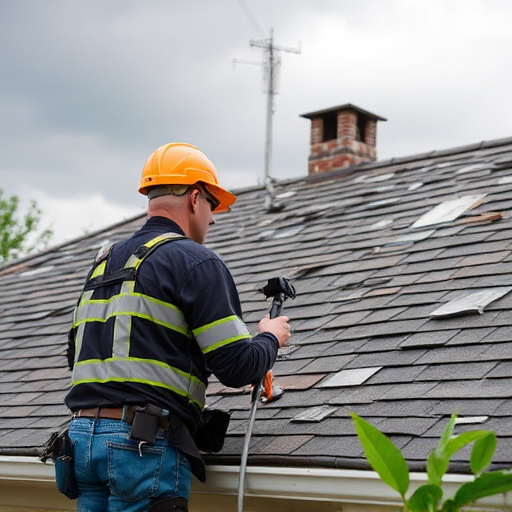
After a monsoon storm, homeowners in Oro Valley must carefully assess any roof damage to ensure timely, effective repairs. This process is crucial not only for the safety and integrity of your home but also for navigating your insurance claim and storm repair timelines. Start by photographing any visible damage, including lifted shingles, broken tiles, and storm-driven rain tile leaks. These images not only serve as valuable documentation for your insurance adjuster but also help you identify areas that may need immediate attention.
Next, inspect the underlayment and flashing for any signs of wear or damage. Loose tiles should be secured before the next monsoon to prevent further deterioration and potential interior leaks after heavy rain. Be on the lookout for hidden storm damage, such as flashing or parapets impacted by tree limbs. Lightning strikes and flash flood runoff can also leave telltale signs on your roof, like water stains or warped materials. If you're unsure about any damage, don't hesitate to contact a licensed professional like DC Roofing of Arizona for a thorough assessment.
An important step in the assessment process is to spot damage from the ground. Check for scuppers-the drainage channels at the edge of your roof-that may be blocked or damaged, as these can lead to interior leaks. Consider the wind exposure near Pusch Ridge, as this factor can influence the severity of storm damage to your roof. Once you've documented and assessed the damage, you'll be better equipped to navigate the storm repair timelines and file a precise insurance claim with the help of a professional insurance adjuster.
Documenting and Insuring Your Findings

After a monsoon storm, the damage to your roof may be extensive, but documenting and insuring your findings are crucial steps in the storm repair process. As you assess the situation, take thorough, detailed photographs of any visible damage-lifted shingles, broken tiles, or even signs of hidden storm damage like interior leaks or flashing issues. These images will become invaluable as you begin the process of filing a storm damage insurance claim.
An experienced Oro Valley roof specialist recommends examining your roof for damage immediately following a severe storm, particularly during the monsoon season. Many homeowners are not aware of the signs of subtle damage, such as lifted shingles, which can lead to more serious issues later. A haboob-a powerful, fast-moving dust storm common in the region-can cause significant damage, including torn shingles and flashing dislodged from the roof. Promptly securing loose tiles before the next storm hits is a crucial defense against further damage, protecting your property and ensuring the safety of those inside.
When documenting your findings, create a detailed list that includes the type and extent of damage, the location, and any associated costs for repairs. This list will serve as a reference for your insurance claim, helping to streamline the process and ensuring you receive the necessary coverage. Keep records of all communication with your insurance company and keep track of the timeline of events, including the date of the storm, your initial assessment, and the start and completion dates of repairs. The faster you can provide this information to your insurer, the quicker they can process your claim, and the sooner you can begin the storm repair process.
Understanding Common Monsoon Storm Damages
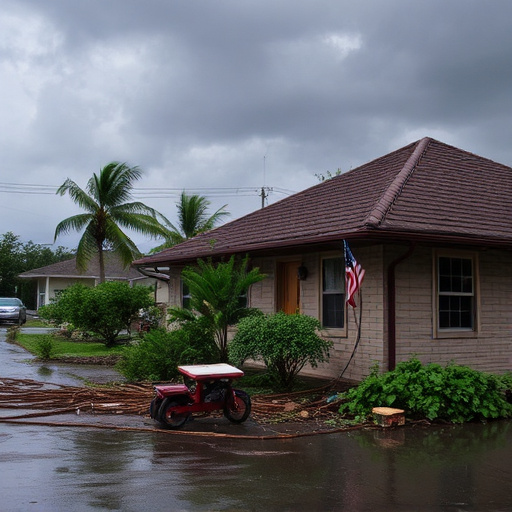
Oro Valley homeowners often face unique challenges for roof damage during monsoon storms. These powerful weather events can leave a trail of destruction, and understanding the common types of damage is crucial for swift action and timely repairs. The first step in any storm recovery process is assessing the extent of the damage, and knowing what to look for can save you time and money.
One of the most visible signs of monsoon storm damage is broken or lifted shingles. Intense winds and hail can easily rip or tear shingles from the roof, creating a significant hazard. A powerful microburst can generate winds over 60 mph, easily lifting and tossing shingles like lightweight debris. Wind-driven rain can infiltrate weak spots, causing interior leaks and further damage to the underlayment-the protective layer beneath the shingles. It's not uncommon to find storm-damaged flashing and parapets, as these elements are vulnerable to high winds and flying debris.
Another critical area to inspect is the roof's underlayment, a crucial component often overlooked during regular maintenance. An experienced Oro Valley roof specialist will tell you that a damaged underlayment can lead to extensive problems, including mold growth and interior water damage. Look for signs of tearing, punctures, or water stains, especially in areas prone to heavy hail or flying debris. Solar panels can act as a shield against some impacts, but they can also become twisted or broken during a severe storm, requiring prompt replacement and repair. Remember, the goal is to catch these issues early, as storm repair timelines can be tight, especially when dealing with multiple properties and intense weather patterns common in the region.
Setting Realistic Repair Timelines

Assessing the timeline for storm damage repairs in Oro Valley involves understanding the scope of the damage and the steps required for a complete fix. After a monsoon storm, homeowners should not expect immediate results. The repair process often takes several days, depending on the severity of the storm and the complexity of the damage. A heavy hailstorm can leave numerous damaged or missing shingles, requiring a thorough inspection and replacement, which can extend the timeline.
A licensed Arizona roofer will first assess the entire roof and provide an accurate estimate of the work needed. This includes identifying any hidden damage, such as interior leaks or storm-damaged flashing and parapets. Once the repair plan is in place, the process typically begins with the most urgent issues. This might include emergency repairs to stop leaks, securing loose tiles, or replacing missing ones. After the immediate concerns are addressed, the contractor will move on to more intricate tasks like underlayment repair, re-shingling, and replacing damaged vents or solar panels.
During this time, homeowners can aid the process by taking detailed photos of the damage and keeping records of expenses, including deductibles. These documents are crucial for insurance claims, ensuring a smooth and accurate claim submission. The contractor's team will work diligently to complete the repairs, but it's important to remember that storm repair timelines can vary. Some repairs might be swift, taking only a day or two, while others, especially those involving extensive damage, could take up to a week or more. Being patient and prepared for a potential wait is key to a successful recovery from storm damage.
Frequently Asked Questions About a guide for Oro Valley homeowners on assessing roof damage after a monsoon storm
What should I do immediately after a severe monsoon storm? After a severe storm, your top priority should be safety. Check for any structural damage or hazards like downed power lines. If your roof shows signs of damage, like leaks, missing shingles, or signs of water intrusion, contact a licensed Oro Valley area roofing contractor like DC Roofing of Arizona for an emergency inspection. Acting quickly can prevent further damage and costly repairs.
How can I tell if my roof is damaged? Look for visible signs of damage, such as missing or loose shingles, water stains, peeling or bloating of shingles, or damage to your gutters and downspouts. Also, check for signs of water intrusion into your home, like stains on ceilings or walls, or a musty smell. If you suspect any damage, contact a professional for a thorough inspection.
What documentation should I gather before contacting a roofer? Before reaching out to a roofer, gather important documentation, including photos of the damage, insurance policy details, and any relevant information about your home's age and previous roof repairs. This information will help the contractor provide a more accurate estimate and facilitate the claims process with your insurance company.
How quickly should I file an insurance claim for roof damage? It's advisable to file an insurance claim as soon as possible after discovering the damage. Most insurance companies have time limits for filing claims, so check your policy for specific deadlines. Contacting your insurance provider promptly ensures you meet these deadlines and can begin the claims process efficiently.
What questions should I ask a roofing contractor during an inspection? During an inspection, ask about the cause of the damage, the extent of the repairs needed, the materials used, and the estimated timeline for completion. Also, inquire about their licensing and insurance coverage, and request a detailed, itemized estimate for the work. Ensure you understand the process and any potential additional costs.
Can I make temporary repairs myself after a storm? While it's understandable to want to address immediate concerns, attempting temporary repairs yourself may void your insurance coverage or cause further damage. Leave temporary repairs to professionals who have the proper tools and knowledge to ensure the safety and integrity of your roof.
What should I do if my roof needs complete replacement? If your roof requires a complete replacement, work with your insurance company and a reputable roofing contractor to select materials and designs that meet your needs and budget. Keep records of all communications and documents related to the claim and the repair process.
After navigating the challenges of a monsoon storm, Oro Valley homeowners now have a clear path forward for assessing and repairing their roof damage. This guide has provided essential insights into the process, from documenting storm-related findings and understanding common monsoon storm damages to setting realistic repair timelines.
By following these steps, homeowners can ensure their roofs are properly inspected, insured, and repaired efficiently. Understanding the potential for hidden storm damage, the importance of securing loose tiles before the next monsoon, and the various types of damage, like hail, wind-driven rain, and lightning strikes, are crucial first steps. Homeowners should be aware of interior leaks, storm-damaged flashing and parapets, and the potential for second storms before repairs are complete.
Setting realistic repair timelines is key. While most installations take one to two days, unforeseen issues can extend this. Homeowners should prepare for this possibility and prioritize their safety when dealing with potential hazards like lifted shingles, broken tiles, and flying debris. Engaging with a reputable, licensed, and insured roofer, such as DC Roofing of Arizona, can streamline the process and provide peace of mind, especially when navigating storm damage insurance claims.
This guide equips Oro Valley residents with the knowledge to tackle post-storm roof assessments, ensuring their homes are protected and restored effectively and efficiently.
Oro Valley homeowners face unique roof damage challenges during monsoon storms. Document visible damage (shingles, tiles, flashing) and hidden issues (interior leaks, parapets) through photos. Assess storm exposure and wind damage near Pusch Ridge. Contact a licensed professional like DC Roofing for a thorough assessment.
Inspect for scuppers, blocked drains, and signs of subtle damage like warped materials. Create a detailed damage list with location and costs. Keep records of communication and timelines for insurance claims.
Understand storm repair timelines: urgent issues first, then complex tasks. Take photos, keep records of expenses, and be prepared for potential delays.