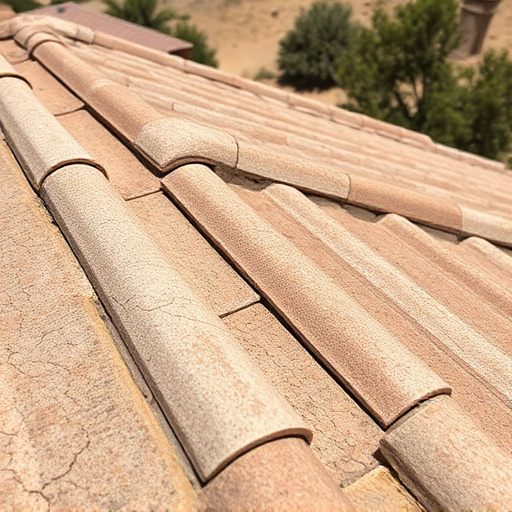
After a big storm, the damage to your Oro Valley home can be overwhelming. With wind-driven rain, hail, and potential microbursts, your roof is particularly vulnerable. The first step after a storm isn't just to seek shelter, but to photograph roof damage, providing crucial evidence for insurance claims. Unfortunately, storm chaser contractors often prey on homeowners' desperation, offering quick fixes with questionable quality and hidden costs. This damage checklist guides you through the initial steps, helping you avoid storm chasers and ensure your home's protection. Let's explore how to secure your property and navigate post-storm repairs the right way.
- Assessing Damage: The Initial Step
- Researching Contractors: Don't Rush
- Documenting Roof Wounds: Photographing Damage
- Choosing a Reputable Pro: Ensuring Long-Term Safety
Assessing Damage: The Initial Step
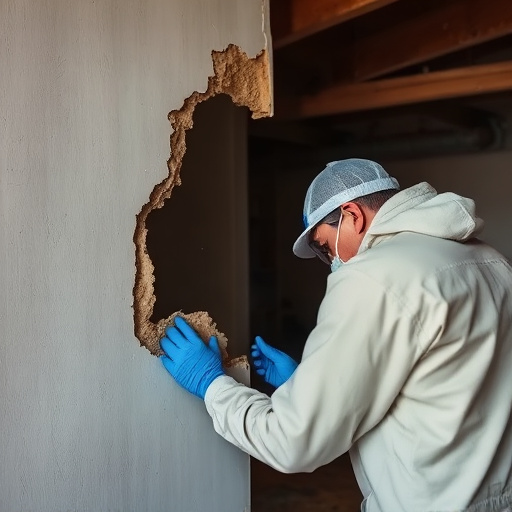
When a storm hits, the first step in the recovery process is assessing the damage. This is crucial for several reasons: it helps you understand the scope of the work required, ensures you're getting accurate and fair estimates, and prevents you from falling into the trap of hiring untrustworthy storm chaser contractors. Start by taking a thorough look around your property, especially your roof. If you're unsure about what to look for, consider this your guide.
Documenting the damage is essential, and that's where photographing roof damage comes into play. Use your smartphone or a digital camera to capture clear, well-lit images of your roof from various angles. Focus on areas where you suspect damage, such as broken tiles or lifted shingles. These images not only serve as a record of the destruction but also as valuable evidence when filing an insurance claim. Remember, the National Weather Service Tucson advises homeowners to document their property's condition immediately after a storm to facilitate the claims process.
Look for signs of hail damage, which can vary greatly depending on the size and intensity of the hail. Small, round marks on your roof's surface might indicate light hail, while larger, deeper dents suggest more severe conditions. Broken tiles and lifted shingles are telltale signs of wind-driven rain leaks, a common issue after storms. If you notice any of these, don't delay; contact a licensed Oro Valley area roofing contractor for a professional assessment as soon as possible.
By thoroughly assessing and documenting the damage, you'll be better equipped to make informed decisions, negotiate with insurance companies, and hire reputable contractors. This proactive approach not only saves you from potential financial losses but also ensures your home is restored safely and effectively.
Researching Contractors: Don't Rush

When the dust settles after a big storm, the damage to your Oro Valley home can be significant. With wind-driven rain, hail, microbursts, and even lightning, your roof is particularly vulnerable. In these chaotic moments, it's crucial not to rush into hiring any contractor who knocks on your door or calls claiming to be an expert. Remember, a swift post-storm fix might seem appealing, but it could end up costing you more in the long run.
Before you take any action, take a deep breath and create a damage checklist. Start by photographing roof damage-this is invaluable documentation for insurance claims and serves as a visual record of the storm's impact. Then, consider the specific type of damage. Hail damage, for instance, can vary greatly in size and severity. A roofer with an Arizona ROC license can help you determine the extent of the hail damage to your roof shingles, underlayment, and flashing. Don't forget to check for interior leaks, which can be hard to spot from the ground. The National Weather Service Tucson office often provides valuable resources and information on storm damage, including guidance on safety and insurance claims.
Your research should also include verifying the contractor's credentials and reputation. Check their licensing status with the appropriate authorities, and read reviews from previous clients. Be wary of storm chaser contractors who show up unannounced or pressure you into immediate decisions. Reputable contractors will take the time to assess the damage thoroughly and provide you with accurate, detailed estimates. They will also ensure that any repairs are done correctly to prevent hidden storm damage or future problems, such as flash flood runoff affecting your roof or damaged solar panels. Consider involving an independent insurance adjuster to help navigate the claims process, ensuring you receive fair compensation for the storm damage.
Documenting Roof Wounds: Photographing Damage
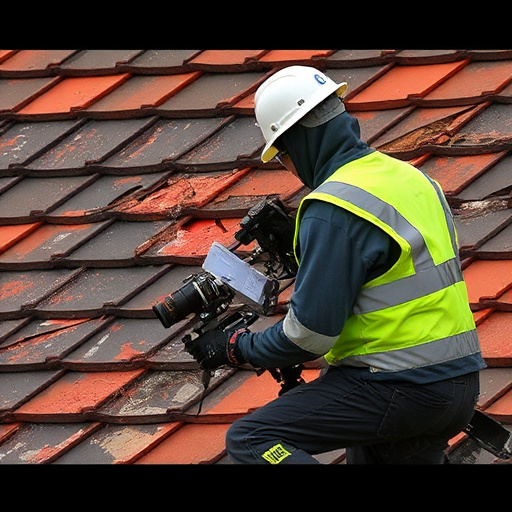
Documenting roof wounds is a crucial step after a storm, serving as both evidence and a roadmap for the repair process. When a big storm hits, it's natural to feel overwhelmed, but taking the time to photograph damage is an investment that can protect you and your property. These detailed images will become your go-to reference for communicating with insurance adjusters, contractors, and, if necessary, public adjusters.
Focus on capturing clear, comprehensive images of every affected area. Start with the broader view: document the entire roof, noting any visible wind damage, lifted shingles, or missing tiles. Then, zoom in on specific problem areas, like flashing that has been displaced or torn off during the storm. Hail can leave a distinct pattern of impact sites, which can be useful for assessing the extent of the damage and the type of repairs required. A local roofing company serving Oro Valley might advise clients to photograph both the top and bottom of the roof, as hail damage can sometimes be hidden on the underside.
Don't forget to photograph the interior of your home, looking for signs of leaks or water intrusion. Ceilings, walls, and even window sills can reveal interior leaks from storm-driven wind and rain. Check for any damage to the roof vents, skylights, or solar panels, as these areas are particularly vulnerable during heavy storms. As you document, be mindful of safety first. If a second storm is imminent or there is a risk of more flying debris, secure loose tiles and protect yourself before attempting to photograph the damage.
Choosing a Reputable Pro: Ensuring Long-Term Safety

When a storm hits, it's crucial to document and assess the damage, but it's equally important to choose a reputable roofing contractor to handle the repairs. An experienced Oro Valley roof specialist can provide invaluable guidance, but it's your responsibility to avoid falling into the trap of hiring storm chasers, who may capitalize on your vulnerability after a big storm. These fly-by contractors often lack the expertise and commitment to long-term safety that a local, established pro brings.
Photographing roof damage is a critical first step, providing a visual record for insurance adjusters and future reference. Look for signs of lifted shingles, broken tiles, missing flashing, or storm-related damage to gutters and vents. Keep these detailed photos, as they will be essential when filing a storm damage insurance claim. Be wary of storm chasers who pressure you into immediate repairs without thorough inspection. A genuine expert will take the time to assess the full extent of the damage and discuss options, including whether a second storm has already impacted your property before repairs begin.
Haboob winds and flying debris can cause significant roof damage, from lifted shingles to shattered solar panels. When selecting a contractor, look for professionals who specialize in storm restoration and have experience handling specific types of damage. An IICR-certified storm expert, for example, is trained to assess and repair hail, wind, and lightning damage. Reputable contractors will also have a clear understanding of local building codes and requirements for storm-related repairs, ensuring your home is secured against future storms.
Don't be swayed by promises of "swift repairs" or "budget-friendly" solutions from unknown contractors. Prioritize long-term safety and peace of mind by choosing a licensed and insured pro who can provide a detailed storm repair timeline, explain the scope of work, and offer transparent pricing. Remember, a quick fix might leave hidden damage that could result in more costly repairs down the road. A storm-damaged underlayment left unaddressed can lead to interior leaks and even structural issues. Trust your instincts and, if needed, consult with a public adjuster to ensure your storm damage claim is accurately assessed and settled.
Frequently Asked Questions About a checklist for avoiding storm chaser contractors after a big storm
What is a storm chaser contractor?
Storm chaser contractors are individuals or companies that quickly arrive in an area after a severe storm to offer repair services. While some are legitimate and provide much-needed help, many are unscrupulous. They often charge high prices, offer poor quality work, and may even cause further damage. They prey on homeowners' urgent need for repairs after a natural disaster.
How can I protect myself from storm chasers after a big storm?
Before agreeing to any repairs, verify the contractor's legitimacy. Check their license and insurance. Ask for references and examples of previous work. Get multiple quotes from different, reputable contractors. Be wary of high-pressure sales tactics or demands for immediate cash payments. Take your time to make an informed decision.
What should I look for when verifying a contractor's legitimacy?
Look for a current, valid license from a relevant regulatory body. Check for insurance coverage, including liability and worker's compensation. Ask for proof of identity and business registration. Verify that they are a local, established business with a history in the community. Be skeptical of out-of-state or unknown contractors.
What if a storm chaser contractor has already started work on my property?
If a storm chaser has already started work, don't immediately fire them. First, stop further work immediately and request a detailed, written estimate from them. Research the company thoroughly and consult with a licensed, reputable contractor. If the work is causing further damage or is substandard, document it and contact the appropriate authorities.
What should I do if I suspect a contractor is engaging in fraudulent practices?
Contact your local consumer protection agency and file a complaint. Report the contractor to the Better Business Bureau (BBB) and your state's licensing board. If the contractor has damaged your property, document the damage and consult with an attorney. Protecting yourself and your property is paramount.
Are there any legal protections against storm chasers?
Many states have enacted laws to protect consumers from unfair or deceptive practices by storm chasers. These may include regulations on pricing, advertising, and licensing. Familiarize yourself with these laws in your area. Consulting with a legal professional specializing in consumer protection can also be helpful.
After navigating the chaos of a major storm, you're facing a damaged roof and the daunting task of repairs. The initial instinct might be to rush into hiring any contractor who promises swift action. However, this article has guided you through the critical steps to ensure you avoid the pitfalls of storm chaser contractors. By assessing damage thoroughly, documenting roof wounds through photographing damage, and choosing a reputable, licensed, and insured local expert, you're taking key measures to protect your home and secure safe, high-quality repairs. Remember, the initial step is crucial: a thorough damage assessment. Take time to research contractors and document your roof's condition, such as photographing loose tiles or water stains, to have concrete evidence for your insurance claim. These proactive steps not only safeguard your investment but also provide peace of mind, ensuring your home is in capable hands.
After a storm, document roof damage through clear, well-lit photos from various angles. Look for signs of hail damage, lifted shingles, and broken tiles. Verify contractor credentials, licensing, and reputation before hiring, avoiding "storm chasers." Choose a licensed Oro Valley area roofing contractor with storm restoration experience. Photograph damage for insurance claims, and consult with a public adjuster if needed. Prioritize long-term safety and peace of mind over quick, potentially inadequate repairs.