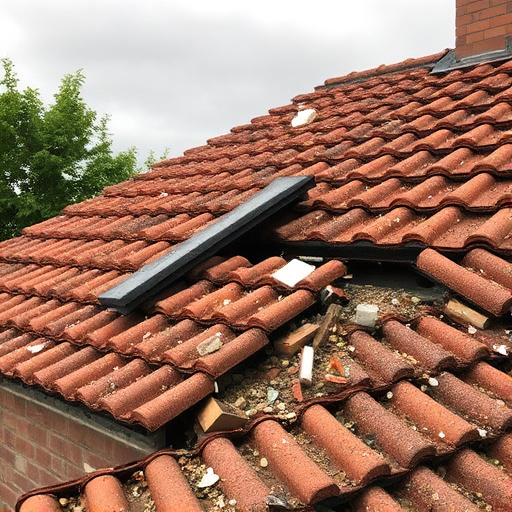
In the aftermath of a storm, homeowners often focus on immediate visible damage, but hidden issues can persist for weeks. One such critical area is the storm damaged underlayment, a crucial component often overlooked until it fails, leading to further problems like interior leaks and mold growth. This guide is designed to empower Oro Valley residents to spot these hidden dangers, enabling them to take proactive steps to protect their homes. We'll walk you through the process of assessing your roof, understanding common storm damage, and knowing when to call in a professional, ensuring you're prepared for any second storm before repairs begin.
- Inspecting Roofs: Signs of Delayed Storm Damage
- Common Hidden Issues: Underlayment and More
- When to Call a Pro: Addressing Storm Damage Timely
- Restoring Your Home: Repairs After Delayed Discoveries
Inspecting Roofs: Signs of Delayed Storm Damage
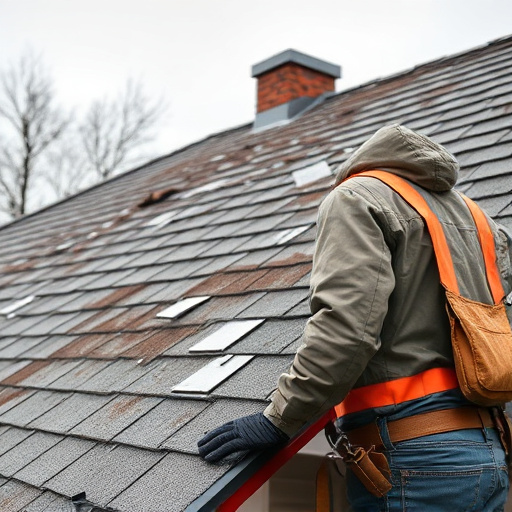
When the initial onslaught of a storm has passed, many homeowners in Oro Valley and Marana are left to assess the true extent of the damage. One area that often goes overlooked until weeks later is the roof and its underlying components, particularly the storm damaged underlayment. This section examines the signs of hidden storm damage on your roof, focusing on the critical underlayment, and provides actionable steps to help you identify and address these issues.
The storm damaged underlayment is a crucial shield against water intrusion and structural compromise. It's the layer of material beneath the shingles or tiles that provides an additional barrier against wind-driven rain and flying debris. When a storm hits, this underlayment can be subjected to extreme stress. High winds can cause lifted shingles, exposing the underlayment to water damage. Even small cracks or tears in the underlayment can allow water to seep in, leading to interior leaks weeks after the storm has passed.
In Oro Valley, where homes are often exposed to intense monsoons and the occasional haboob, inspecting the underlayment for damage is paramount. Look for signs of tearing, missing sections, or material that has become loose or curled. Check the parapets walls and roof vents for any debris buildup or damage that could compromise their effectiveness. In Rancho Vistoso, where wind exposure near Pusch Ridge is a factor, homeowners should be especially vigilant.
Remember, photo documentation is key. Take clear, detailed images of your roof and underlayment before and after storms. These visual records can be invaluable when filing a storm damage insurance claim. By working with a licensed roofing contractor serving Oro Valley and Marana who specializes in storm restoration, you can ensure that any hidden storm damage is accurately identified and expertly repaired, protecting your investment and giving you peace of mind.
Common Hidden Issues: Underlayment and More
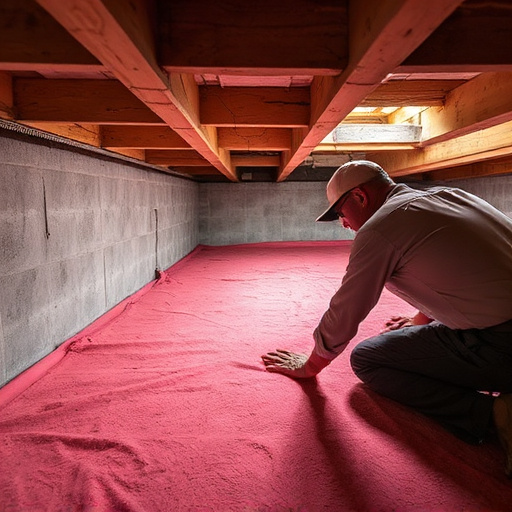
Hidden storm damage can manifest weeks after a severe weather event, often in the form of subtle issues that aren't immediately apparent. One of the most insidious and commonly overlooked problems is storm damaged underlayment. This is especially true in areas prone to intense monsoons, like Oro Valley, where powerful winds and heavy rain can leave their mark on even the most robust roofing systems.
While a licensed Oro Valley area roofing contractor can typically spot damage like lifted shingles or broken tiles during a post-storm assessment, water intrusion and other issues may not be immediately visible. Storm damaged underlayment can allow moisture to infiltrate, leading to rot, mold, and eventual structural damage. Water intrusion can occur at flashing, joints, or around vents, even if the exterior appears intact. A close inspection after a haboob or microburst might reveal that the underlayment has been compromised, allowing water to seep into the home. This can result in interior leaks, damaging ceilings, walls, and even personal belongings.
One of the first steps after a storm is to thoroughly examine your roof. Look for signs of water stains, peeling paint, or bulging ceilings, which could indicate hidden water intrusion. Don't forget to check parapet walls, which can be vulnerable to wind damage and may require repairs or reinforcement. A local roofing company serving Oro Valley can also assist in photographing the damage from the ground and performing a detailed assessment to identify storm damaged underlayment or other hidden issues, ensuring your home is protected and repairs are handled promptly.
When to Call a Pro: Addressing Storm Damage Timely
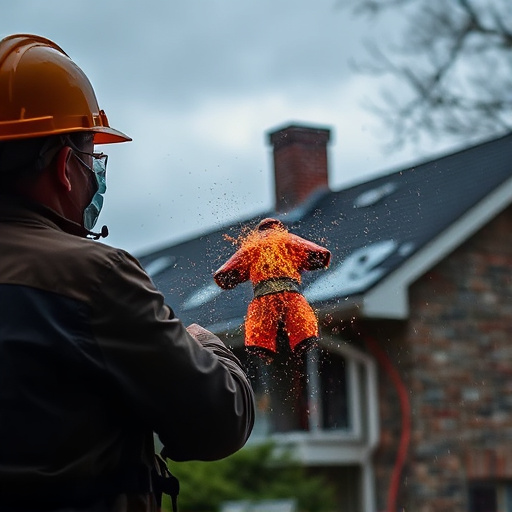
Hidden storm damage, often not immediately apparent, can cause significant problems weeks after a storm. During the monsoon season, when severe weather becomes more frequent, it's crucial to understand the signs of storm-related issues, especially for your roof. One critical area that might not be readily visible is the storm damaged underlayment. This layer, which provides an extra barrier against the elements, can be compromised by high winds, hail, and flying debris, leading to costly leaks and structural damage if left unattended.
A licensed Oro Valley area roofing contractor recommends promptly inspecting your property after a storm, especially if there was heavy rain or strong winds. Look for signs of water intrusion, starting with the interior. Check for unexpected water stains on ceilings, walls, or around windows and doors. These could indicate interior leaks from storm-weakened roofs or flashing. Exterior inspection is equally vital. Walk the property's perimeter, noting any missing, cracked, or lifted shingles. Look for broken tiles, particularly around the roof's edges, as these can be indicators of wind damage. In some cases, you might spot damage to roof vents, skylights, or solar panels, which can compromise ventilation and energy efficiency.
If you notice any of these signs, don't delay. Contact a professional roofing contractor. An insurance adjuster might also suggest contacting your insurer immediately after a storm to document the damage, especially if you suspect wind damage or hail damage by roof type. Remember, addressing storm damaged underlayment and other hidden issues promptly can prevent more extensive and costly repairs in the future. The faster you act, the better the outcome for your property.
Restoring Your Home: Repairs After Delayed Discoveries
Hidden storm damage, often referred to as delayed discoveries, can present a unique set of challenges when restoring your home. While immediate, visible damage like lifted shingles and broken tiles grab our attention, subtler issues such as storm damaged underlayment can go unnoticed for weeks or even months after a severe storm. These hidden problems can lead to further complications, like interior leaks and mold growth, long after the initial storm has passed.
The National Weather Service Tucson, in their post-storm assessments, emphasizes the importance of thorough property inspections, especially in areas prone to intense weather like Oro Valley. A local roofing company serving Oro Valley recommends performing a detailed check for storm damage, including examining the underlayment, as part of your post-storm routine. Look for signs of water intrusion, such as discolored or warped boards, loose or missing fasteners, and sagging or ripples in the underlayment itself. Ceiling stains, often an early indicator of interior leaks, can also signal hidden storm damage. Even if the roof appears intact from the ground, these subtle markers can reveal a more serious situation beneath.
When hail is involved, its size and impact can leave telltale marks on your roof. The size of hailstones can vary, and larger ones can puncture or damage shingles, exposing the underlayment to the elements. Repeated exposure to wind, rain, and sun without proper protection from the storm damaged underlayment can weaken it, making it more susceptible to further deterioration. A comprehensive storm damage assessment by a qualified roofing contractor, like those offered by Oro Valley Storm Restoration, can help pinpoint these hidden issues before they escalate. Acting swiftly, even if weeks have passed since the storm, is crucial to minimizing repairs and ensuring the longevity of your roof.
Frequently Asked Questions About a guide to spotting hidden storm damage that shows up weeks later
What is storm damage that appears weeks later? Storm damage often reveals itself gradually, with signs of wear and tear becoming evident weeks after the initial event. This can include water stains, peeling paint, warped materials, and other signs of moisture intrusion. It's crucial to inspect your property thoroughly after a storm to catch these hidden issues early.
How do I know if I need a professional inspection? While a casual observer might miss subtle signs, a professional inspector can identify hidden damage that may not be immediately apparent. If you notice any unusual smells, persistent moisture, or structural issues, it's best to consult a licensed Oro Valley area roofing contractor or a local roofing specialist. They have the expertise to spot even the smallest indications of storm-related problems.
What should I look for when inspecting my home? Focus on areas prone to storm damage: roofs, gutters, and siding. Look for water stains, bubbling or peeling paint, warped or bent materials, and any signs of mold or mildew. Also, check for missing or damaged shingles, as these can allow water to penetrate and cause internal damage that may not be immediately visible.
When should I expect to see visible storm damage? While some damage may be immediate, many issues take time to manifest. Within weeks after a storm, look for signs of water intrusion, especially in attics and crawl spaces. Delays in visible damage don't mean the problem isn't there; it might just be developing. A thorough inspection soon after the event is key.
Can a roofing warranty cover hidden storm damage? Most vs workmanship warranties cover both visible and hidden storm damage, provided the damage is discovered within a reasonable period after the storm. However, each warranty is unique; consult with your licensed roofer to understand the specifics of your coverage. Promptly documenting and reporting hidden damage is crucial for warranty claims.
How do I document storm damage for insurance claims? Take detailed photos of suspected storm damage, noting the date and time. Keep records of all communications with your insurance company and the contractor handling repairs. If possible, get written statements from witnesses or neighbors who observed the damage. Comprehensive documentation increases the chances of a successful insurance claim.
What steps should I take if I find hidden storm damage? First, consult with a qualified roofing contractor to assess the damage. Then, contact your insurance provider to file a claim. Keep records of all communications and documentation throughout the process. Finally, work with your contractor to repair or replace damaged materials, ensuring the work is done correctly to prevent future issues.
As you've learned, hidden storm damage can manifest weeks after an event, making timely inspections crucial. Key insights include the importance of scrutinizing underlayment, flashing, and roof vents for signs of deterioration, as these are common areas where storm-driven elements can leave their mark. Recognizing signs like lifted shingles, broken tiles, and interior leaks after heavy rain can help homeowners catch issues early. When in doubt, professional assessment is advised, especially for complex cases like microburst or hail damage. Moving forward, prioritize regular maintenance and be vigilant, as prompt action can prevent severe and costly repairs, ensuring your home remains secure against future storms, even in areas with high wind exposure, like near Pusch Ridge.
Hidden storm damage, especially to the underlayment, can cause serious, long-term problems in Oro Valley and Marana homes after severe weather events. Signs include interior water stains, peeling paint, bulging ceilings, missing or damaged shingles, and problems with vents. Promptly inspect your roof, document damage with photos, and contact a licensed, experienced roofing contractor for a thorough assessment. Addressing storm damaged underlayment quickly prevents extensive, costly repairs and ensures your home's structural integrity.