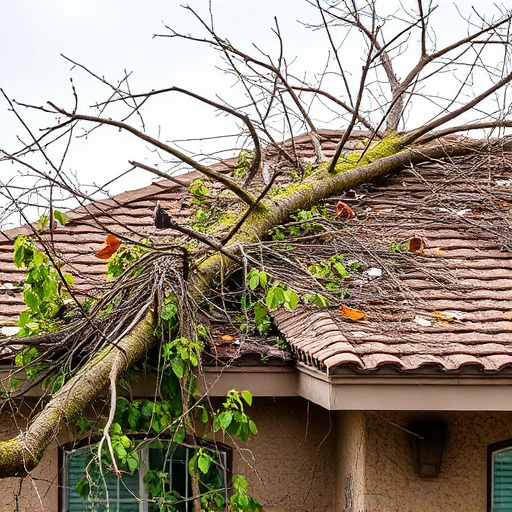
Oro Valley homeowners face a unique challenge during monsoon seasons, as intense storms can cause significant roof damage, a common and costly problem in our region. The recent onslaught of haboob storms has left many properties vulnerable to hidden structural issues, from lifted shingles and broken tiles to storm-damaged underlayment.
Assessing roof damage post-storm is crucial to ensure both home protection and financial security. This guide provides a step-by-step approach to navigate the initial aftermath of a storm, offering practical tips on what to look for and when to involve professionals, such as certified storm experts, to mitigate risks and facilitate timely repairs.
- Assessing Roof Damage After a Monsoon Storm
- Understanding Haboob Impacts on Your Roof
- Step-by-Step Guide: Inspecting Your Roof
- Repairs and Next Steps for Your Home
Assessing Roof Damage After a Monsoon Storm
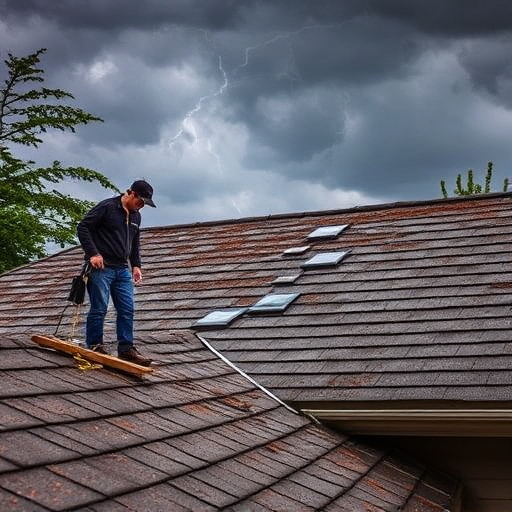
Assessing the extent of roof damage after a monsoon storm is crucial for Oro Valley homeowners. These powerful weather events can leave behind a trail of destruction, from broken tiles and lifted shingles to more subtle issues like damaged flashing and parapets. A haboob, the intense wind-driven storms common in the region, can cause significant roof damage, especially when combined with the force of flying debris.
The initial step after a storm is to conduct a thorough inspection, both from the ground and with the aid of a ladder if necessary. Look for any visible signs of damage, such as broken tiles, missing shingles, or exposed underlayment. Check for water stains or leaks inside the home, as these could indicate interior damage from compromised flashing or roof vents. The wind exposure near features like Pusch Ridge can exacerbate damage, so pay special attention to areas directly facing these natural landmarks. A tree limb that has fallen onto the roof during a storm can cause localized but severe damage, necessitating immediate attention.
Documenting the damage with photographs is an essential part of the assessment process. These visual records will not only aid in insurance claims but also help in securing an accurate estimate from a trusted local roofing company serving Oro Valley. Keep track of the hail size and its potential impact on different roof types, as this information is crucial for filing a storm damage insurance claim. Remember, some damage, like hidden flashing or underlayment issues, may not be immediately apparent, so be vigilant and consider involving a professional to ensure a complete evaluation, especially if there's the possibility of a second storm before repairs can begin.
Understanding Haboob Impacts on Your Roof
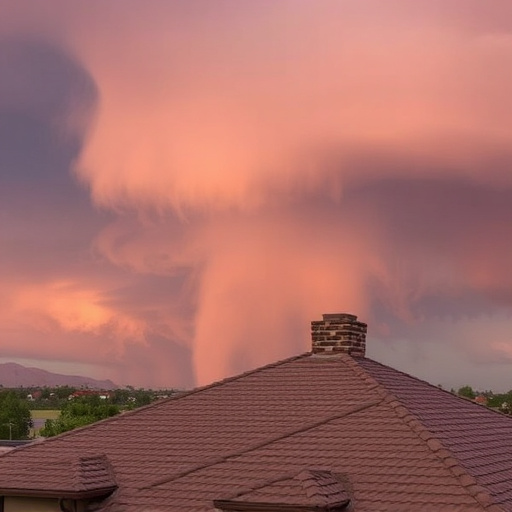
Haboobs, intense thunderstorms characterized by strong winds and heavy rainfall, pose unique challenges for Oro Valley homeowners. These powerful weather events can leave a trail of destruction, particularly on roofing structures. Understanding haboob roof damage is crucial for homeowners to navigate post-storm recovery effectively. An experienced Oro Valley roof specialist recommends thorough inspection and photo documentation as the first steps after such an event.
The National Weather Service Tucson provides valuable insights into haboob impacts, highlighting the potential for significant wind speeds and intense rainfall. These conditions can lead to multiple forms of roof damage, including lifted shingles, broken tiles, and even more severe issues like storm-damaged flashing and parapets. Scuppers, designed to divert water away from the roof, might also be affected, with debris buildup or misalignment being possible outcomes. Homeowners should look for these signs and take preventive measures before the next monsoon season.
Secure Roofing Solutions, a local roof expert, emphasizes the importance of securing loose tiles before the monsoon hits. They suggest a comprehensive assessment, noting that haboob roof damage can be subtle and often requires professional eyes to detect. Interior leaks after heavy rain, for instance, might not be immediately visible from the ground, yet they can signal hidden storm damage. Proper photo documentation, along with detailed records, becomes invaluable when filing a storm damage insurance claim, as it provides concrete evidence of the extent of the damage.
Step-by-Step Guide: Inspecting Your Roof

After a monsoon storm hits Oro Valley, assessing roof damage is crucial. A licensed Oro Valley area roofing contractor recommends a systematic inspection to ensure your home's protection. Start by examining the exterior for visible signs of damage, such as lifted shingles, broken tiles, or missing flashings. Look for any evidence of water intrusion, like discolored spots or stains on the ceiling, walls, or gutters. Remember, hidden storm damage can be as significant as what's visible, so it's essential to photograph all areas of concern for later documentation.
Next, focus on the roof's structural integrity. Check for loose or missing tiles, especially around the edges and valleys, as these are common areas for wind-driven rain to enter. Examine the underlayment for any tears or moisture buildup, which could indicate a more severe issue, like microburst damage. Don't forget to inspect the roof vents and skylights; debris buildup can cause interior leaks after heavy rain. If you suspect hail damage, compare the size of the hail with the impact marks on your roof; larger hail can cause significant roof damage.
For a more thorough assessment, consider hiring a professional. A team of expert roof specialists, like those at DC Roofing of Arizona, can perform a detailed inspection, including checking for storm damaged flashing and parapets, and assessing the overall wind exposure near Pusch Ridge. They'll also help you navigate the storm damage insurance claim process, providing peace of mind and financial protection. Remember, a haboob can cause extensive roof damage, so prompt estimates and swift repairs are crucial to prevent further complications.
Repairs and Next Steps for Your Home
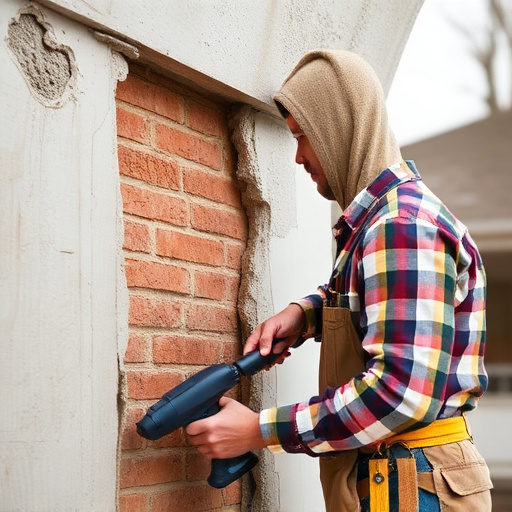
After a fierce monsoon storm, assessing your Oro Valley home's roof damage is crucial. In the Catalina Foothills region, strong winds, heavy rain, and sometimes even haboob conditions can leave telltale signs on your roof. Look for lifted shingles-shingles that have been blown off or curled up at the edges-and water intrusion points, which may indicate damaged flashing or parapets. A licensed Arizona roofer recommends inspecting your roof from the ground, checking for loose tiles or debris, and taking photos for insurance claims.
If you notice hidden storm damage-like a weak underlayment or loose tiles securely held in place before the storm-prioritize securing these areas. Promptly addressing these issues prevents further complications during the next storm. In the case of flying debris roof damage, look for punctures or missing shingles, especially if your property is near areas with high wind exposure, like Pusch Ridge. Don't forget to check your gutters for clogs and damage, as flash flood runoff can cause significant interior water damage.
Once you've documented the damage, the next step is to file a storm damage insurance claim. Contact your insurer immediately, providing them with your photos and a detailed account of the damage. Keep records of all communications and costs for repairs, including estimates from multiple roof repair specialists. Remember, storm repair timelines can vary, and waiting for repairs until after the next storm is not advisable. Efficiently addressing these issues ensures your home is protected, enhancing peace of mind during unpredictable weather events.
Frequently Asked Questions About a guide for Oro Valley homeowners on assessing roof damage after a monsoon storm
What should I do immediately after a severe monsoon storm?
Prioritize safety first. If there are visible signs of severe damage, like missing shingles or significant leaks, contact a licensed Oro Valley roofer from DC Roofing of Arizona for an emergency assessment. Until then, cover exposed areas with tarps to prevent further water intrusion. Document any damage with photos for insurance claims.
How do I know if my roof needs immediate attention?
Look for signs of water intrusion, dislodged or missing shingles, broken gutters, or visible structural damage. Leaks, especially around the edges or in the attic, warrant immediate attention. A licensed contractor should assess any structural integrity concerns, as some storm damage may be subtle but crucial.
What documentation should I gather before contacting a roofing contractor?
Gather all relevant information: insurance policy details, photos of the damage, and notes on when the storm occurred. Keep track of any communication with your insurance company. DC Roofing of Arizona can guide you through the claims process once they assess the damage.
Can I attempt to repair minor storm damage myself?
For minor issues like a few missing shingles, a licensed contractor recommends waiting until the initial storm damage rush subsides. Focus on securing tarps to prevent water damage. For any work that requires climbing a ladder or specialized tools, it's best to hire a professional for safety reasons.
What is the average cost for roof repairs after a monsoon storm?
The average cost varies depending on the extent of the damage. Minor repairs, like replacing a few shingles, can range from $300-$800. More extensive damage, such as structural repairs or a full roof replacement, can cost tens of thousands of dollars. A licensed contractor from DC Roofing of Arizona can provide a detailed estimate after assessing your specific situation.
How long does it typically take to repair a storm-damaged roof?
Most minor repairs can be completed within a week, weather permitting. More complex projects, like roof replacements, can take one to two days, depending on the size of the area to be repaired.
After navigating the intense impacts of a monsoon storm, Oro Valley homeowners now face the crucial task of assessing roof damage. Understanding haboob roof damage is key to this process. Recognizing signs like lifted shingles, broken tiles, and interior leaks after heavy rain is essential. The article has provided a robust guide, from the initial damage checklist to securing loose tiles before the next monsoon, and even navigating the complexities of storm damage insurance claims.
By following the step-by-step inspection process, homeowners can identify issues like storm-damaged flashing, parapets, gutters, and even hidden damage from flying debris and microbursts. These insights empower homeowners to take swift action, ensuring repairs are handled by licensed and insured professionals like DC Roofing of Arizona.
Next steps involve documenting damage with photographs, filing claims with your HOA, and securing financial protection. With these measures, homeowners can protect their homes and peace of mind, knowing their roofs are secure and their claims are on track, even after a second storm hits before repairs are complete.
Haboob Roof Damage: A Comprehensive Oro Valley Guide
After a haboob, Oro Valley homeowners should conduct a thorough roof inspection, both from the ground and with a ladder, looking for broken tiles, missing shingles, water stains, and signs of compromised flashing. Document damage with photographs for insurance claims. Key issues include lifted shingles, damaged flashing, parapets, scuppers, and hidden interior leaks. Promptly secure loose tiles, compare hail size to impact marks, and hire a licensed roofing contractor for a detailed assessment. File a storm damage insurance claim using photos and detailed records from multiple specialists. Address damage quickly to prevent future complications.