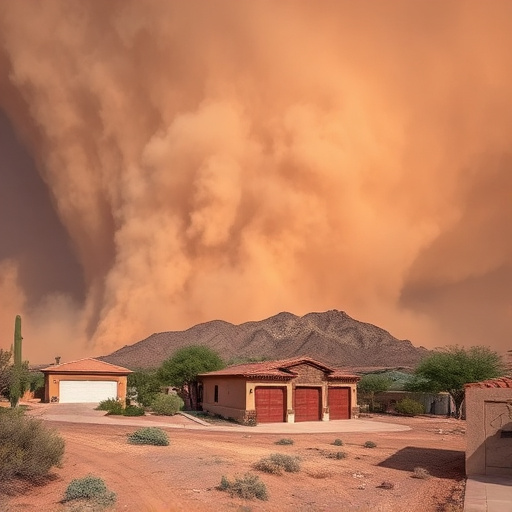
In the face of severe weather, especially the powerful haboob storms that sweep through Oro Valley, proper documentation of storm damage is crucial before repairs begin. The aftermath of a storm can be chaotic, with loose tiles, interior leaks, and hidden damage, making it vital to have a systematic approach. This article guides homeowners through the critical first steps after a storm, focusing on the damage checklist, the role of professionals like DC Roofing of Arizona, and the importance of accurate documentation for insurance claims. By following these steps, you'll ensure your roof and home are protected, ready for repairs, and secure against future storms.
- Assessing Haboob Impact: Roof Damage Check
- Photography for Documentation: Capturing Evidence
- Note Critical Damage: Protect Your Claim
- Create a Detailed Report: Your Repair Roadmap
Assessing Haboob Impact: Roof Damage Check

When assessing haboob impact on your Oro Valley roof, start by meticulously examining the exterior. Look for signs of wind damage, such as lifted or missing shingles, broken tiles, or exposed underlayment. The powerful winds associated with haboobs can cause significant damage, including peeling or tearing of roof materials, especially around flashing and parapets. These walls running along the roof's edge can be vulnerable to debris impact, so check for cracks or gaps.
Next, turn your attention to the roof's interior. Heavy rain during a storm can cause interior leaks, so check for water stains on ceilings, walls, or insulation. Look for signs of flashing or roof vent damage, as these areas are particularly susceptible to water infiltration. Remember, hail damage can vary by roof type, so consider the unique characteristics of your roof. A metal roof may show dents or deformations from hail, while a shingled roof might have lifted or broken shingles.
Documenting your findings is crucial. Take detailed photographs of any damage, noting the location and severity. This visual record will be invaluable when submitting a storm damage insurance claim. It helps to have a professional assessment from a licensed expert like DC Roofing of Arizona. They can provide a thorough inspection, identifying hidden damage and offering guidance tailored to your Oro Valley property's wind exposure near Pusch Ridge. By addressing haboob-related roof damage promptly, you'll ensure the safety of your home and mitigate the risk of further complications.
Photography for Documentation: Capturing Evidence

Capturing evidence through photography is a crucial step in documenting storm damage, especially when dealing with the intense impacts of a haboob. Following a severe storm, many homeowners might be tempted to jump into repairs immediately, but a thorough documentation process can significantly aid in insurance claims and ensuring the work is done right. The National Weather Service Tucson recommends taking detailed photos to support your claim and demonstrate the extent of the damage, especially for complex issues like haboob roof damage.
Professional roofing contractors, like a licensed Arizona roofer, emphasize the importance of thorough documentation. When a microburst or strong winds hit, it can cause significant damage, from lifted shingles and broken tiles to more subtle issues like interior leaks or storm-damaged flashing. By photographing these issues before repairs begin, you create a permanent record that can be invaluable. This includes capturing close-ups of damaged areas, as well as broader views to show the full scope of the destruction.
Take pictures of the entire roof from multiple angles, focusing on missing or severely damaged shingles. Document any visible signs of water intrusion, such as stains or mold growth, both inside and outside the home. If tree limbs have fallen on the roof or nearby, take photos of those as well. These images will serve as irrefutable evidence to support your storm damage claim and aid in securing financial protection from your insurance provider. They provide a reference point for your contractor, ensuring repairs match the original condition of your roof.
Remember, the goal is to create a comprehensive visual record. It's beneficial to take photos at different times of day to capture varying lighting conditions, which can highlight subtle damage. Always ensure safety first when inspecting your property after a storm, especially if there's a risk of more severe weather. After taking these photographs, organize them digitally for easy reference, as this detailed documentation will be a powerful tool throughout the storm repair process.
Note Critical Damage: Protect Your Claim

Documenting storm damage is a critical step before any repair begins, especially after a severe haboob like those that often affect Oro Valley. This meticulous process ensures that your insurance claim is accurate and comprehensive, protecting your investment and peace of mind. When faced with broken tiles, cracked tiles, or lifted shingles from Rancho Vistoso to Oro Valley, it's essential to know what to look for and how to document it.
Start by taking detailed notes of every visible sign of damage. Check for loose or missing shingles, broken or cracked tiles, and any signs of water intrusion. Look for damage to the underlayment, flashing, and parapets, as these areas can be hidden from ground level. A roofer with an Arizona ROC license recommends using a camera or smartphone to document these issues, taking pictures from various angles. Note the date and time of your inspection, and be as specific as possible about the location of each issue. Instead of simply noting "broken tiles," write down "broken tiles on the southeast corner of the house, approximately 10 tiles affected."
Next, assess the extent of the damage. Look for patterns-is the damage localized or widespread? Note the size and shape of any hail damage, as this can be crucial in determining the cause of the damage and the extent of the repair. Keep track of any interior leaks or signs of water damage, as these can indicate issues with the roof's integrity. Finally, consider the wind exposure of your property, especially if you're near areas like Pusch Ridge, where wind can play a significant role in storm damage. Documenting these details thoroughly will ensure that your storm damage repair is comprehensive, and your claim is protected.
Create a Detailed Report: Your Repair Roadmap

Creating a detailed report is crucial for documenting storm damage, especially after a haboob or intense weather event like hail in the Catalina Foothills. This serves as your repair roadmap, ensuring that every damage point is accounted for and visually documented.
Photo documentation is a critical component. Take clear, high-resolution images of the damaged areas, including close-ups of lifted shingles, broken tiles, and any visible interior leaks stemming from the storm. A licensed Arizona roofer might suggest capturing images of the entire roof's surface, focusing on the most affected zones. Documenting flashing, parapets, and roof vents is equally important to assess their integrity. In cases of tree limb damage or hail size impact, photograph the debris for future reference.
Organize your report with a clear structure. Begin by identifying the property and the date of the storm event. Then, list each area of the roof with corresponding damage descriptions. Note the type of damage (e.g., wind-driven rain tile leaks, lifted shingles), its extent, and any visible signs of rot or water intrusion. Include measurements if possible, such as the number of missing or damaged shingles. This level of detail ensures that your claim is accurately represented and facilitates a faster insurance claim process.
Prioritize repairs based on the severity of damage. Focus on immediate safety concerns, such as securing loose tiles before the next monsoon, or addressing interior leaks to prevent further damage. Keep detailed records of all repairs, including dates, materials used, and the contractor's name. This comprehensive approach ensures that your storm damage claim is well-documented and supported by tangible evidence, streamlining the claims process and potentially leading to faster resolutions.
Frequently Asked Questions About advice on documenting storm damage before repairs begin
What is the importance of documenting storm damage?
Thorough documentation is crucial for accurately assessing the extent of the damage, facilitating insurance claims, and ensuring repairs meet your expectations. It provides a detailed record of the storm's impact, helping you and your contractor align on necessary repairs and materials.
What should I photograph when documenting storm damage?
Capture clear, well-lit photos of both the entire roof and affected areas. Include close-ups of damaged shingles, leaks, or other issues. Document the surrounding areas, like gutters and downspouts, as they can also be affected. Take photos from different angles and consider including a scale reference, like a ruler or a person, for perspective.
How should I document the damage beyond photographs?
Keep detailed notes about every observed issue, recording its location, type, and severity. Note the date and time of your inspection. If possible, create a sketch or diagram of the roof, labeling areas of damage. This written record complements your visual documentation and provides a comprehensive reference for your insurance claim and repairs.
What information should I include in my damage report to an insurance company?
Summarize the incident, including the date, type of storm, and its impact. Detail the specific damage observed, referencing your photos and notes. Provide a list of recommended repairs, along with estimated costs. Include any prior roof work or maintenance records that could be relevant. Be as specific and thorough as possible.
Should I consult a professional before documenting storm damage?
While not strictly necessary, seeking guidance from a licensed roofer or insurance adjuster can be valuable. They can review your documentation, ensuring its accuracy and comprehensiveness. A professional can also advise you on the claims process and what repairs are covered under your policy. Their expertise can save time and potentially increase your claim's success.
What if I'm unsure about the validity of my documentation?
If you have doubts about your documentation, consider seeking a second opinion. A peer review or consultation with a trusted contractor or roofing specialist can verify the accuracy of your records. In some cases, professional documentation services are available to help ensure your claim is robust and well-supported.
In the wake of a haboob, documenting storm damage is crucial to ensure a successful insurance claim and a thorough repair process. By following the outlined steps, from assessing roof damage to creating a detailed report, homeowners can protect their investment and streamline the recovery process. Capturing evidence through photography not only aids in claim accuracy but also serves as a valuable record of the storm's impact.
The article emphasizes the importance of noting critical damage, such as lifted shingles, broken tiles, and storm-damaged flashing, which can be easily overlooked but significantly affect the repair timeline and cost. Understanding the extent of haboob roof damage is essential for a well-informed claim, and a detailed report acts as a roadmap for both the insurance company and the repair contractor.
Next steps for homeowners include securing loose tiles before the next monsoon, checking for hidden damage, and staying vigilant for interior leaks after heavy rain. Engaging with reputable local experts, like those at DC Roofing of Arizona, who are IICR Certified and members of the Storm Restoration Association, ensures expert assessment, accurate inspections, and reliable repairs, minimizing the stress and financial burden of storm damage.
Haboob Roof Damage: A Comprehensive Assessment and Documentation Guide
After a haboob, inspect your Oro Valley roof for:
- Wind damage (lifted/missing shingles, broken tiles, exposed underlayment).
- Interior leaks and water stains.
- Cracked or damaged flashing and parapets.
Document with detailed photos, noting locations and severity. Organize and label images for easy reference.
Key Steps:
1. Examine exterior for wind damage and exposed areas.
2. Check interior for water stains, leaks, and hidden damage.
3. Take thorough photos, including close-ups and broader views.
4. Organize and structure your damage report for clear communication.
5. Prioritize repairs based on severity for safety and to prevent further damage.
Benefits:
- Accurate insurance claims.
- Professional assessment for tailored solutions.
- Detailed record for future reference and repairs.