In the harsh climate of Arizona, storms can cause significant roof damage, leading to costly repairs and endless headaches. Understanding the roof insurance claim process is crucial for property owners, especially after a storm hits. The damage can be subtle, like hidden leaks or loose tiles, or severe, such as lifted shingles and damaged underlayment. This article provides a plain-language walkthrough of the entire roof insurance claim process in Oro Valley, from the initial damage assessment to the final settlement, focusing on timely repairs and ensuring your peace of mind during these challenging times. By the end, you'll be equipped to navigate the process with confidence, knowing the key steps and what to expect in the storm repair timelines.
- Understanding Your Roof Insurance Claim in Arizona
- Navigating the Damage Assessment Process
- Timelines & Repairs: What to Expect
- Finalizing Your Storm Repair and Prevention
Understanding Your Roof Insurance Claim in Arizona

Understanding Your Roof Insurance Claim in Arizona
After a storm, navigating the roof insurance claim process in Arizona can feel daunting. However, with the right preparation and knowledge, you can ensure a smoother experience. Begin by familiarizing yourself with your policy's specifics, including coverage limits, deductibles, and any exclusions. A licensed Arizona roofer can be invaluable in this initial step, offering insights tailored to your policy and property.
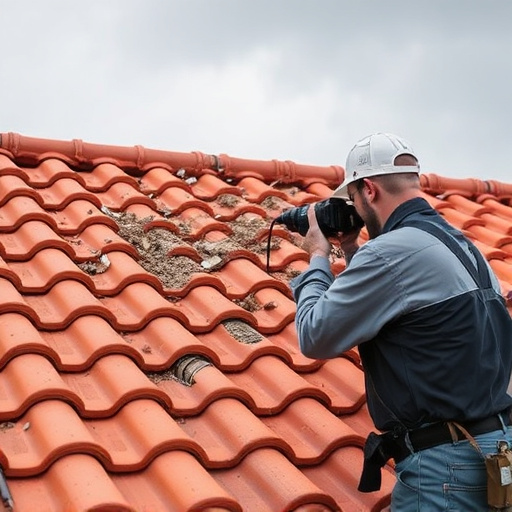
The first step after a storm is to conduct a thorough inspection. Documenting the damage is crucial. Look for lifted shingles, broken tiles, or signs of hidden storm damage, like interior leaks or discolored ceilings (ceiling stains). Check for damage to roof vents, flashing, and parapets, as well as the underlayment. In areas like Marana, exposed scuppers from wind-driven rain can be a common concern. Take photos of all visible damage-this will be essential for your claim. Keep in mind that some damages might not be immediately apparent, so it's beneficial to have a professional assessment within the first 24 to 48 hours to identify potential second storm damage or hidden issues.
Once you've gathered this information, contact your insurance provider. Be prepared to provide detailed descriptions and your photos. The adjuster will assess the damage and determine the scope of repairs. Understand that storm repair timelines can vary, and in Arizona, the average claim is resolved within 30 to 45 days. If you're unsure about any aspect of the claim process or the estimated timeline, don't hesitate to ask questions. Working with a local roofing company that specializes in storm damage repairs can ensure you're guided through the process effectively, with repairs completed efficiently to protect your home before the next storm.
Navigating the Damage Assessment Process

Navigating the Damage Assessment Process
After a storm, the first step in filing an insurance claim for roof damage in Oro Valley is a thorough assessment of the damage. This process involves both visual inspection and photo documentation, ensuring every detail is captured for your claim. Start by examining your roof for any visible signs of damage, such as lifted or missing shingles, broken tiles, or exposed underlayment. The National Weather Service Tucson can provide valuable information on the severity of the storm, helping you gauge the extent of the damage.
Next, inspect the roof's components, including gutters, downspouts, scuppers, and flashing. Look for signs of water intrusion or leaks, as these are common issues after storms. If you notice any interior leaks after heavy rain, document them with photos as well. Pay close attention to areas near trees or structures that could have been struck by lightning, as these may require specialized repair. Remember, hidden storm damage can go unnoticed for days or even weeks, so it's crucial to inspect every corner of your roof.
The assessment process also involves gathering information about the type of roof and its age. Different roof materials-from asphalt shingles to tile-have varying lifespans and vulnerabilities to storm damage. Hail can cause significant damage to older, thinner shingles. This information will be critical when estimating the cost of repairs and navigating the storm repair timelines.
Once you've thoroughly documented the damage, contact a licensed Oro Valley area roofing contractor to discuss the findings. They can provide expert advice, help you prepare the necessary photos and reports for your insurance claim, and guide you through the next steps in the claims process. Keep detailed records of all communications and documents related to the storm damage assessment and claim.
Timelines & Repairs: What to Expect

When dealing with storm damage, understanding the roof repair timelines and what to expect is crucial. In Arizona, the process typically begins with an initial assessment of the damage, which can often be spotted from the ground. Lifted shingles, water intrusion, and wind damage are common indicators that require immediate attention. Once these signs are identified, a local roofing company serving Oro Valley will conduct a thorough inspection to assess the extent of the damage.
After the inspection, the roofing contractor will provide an estimate for the repairs, which includes details on materials and labor. Storm repair timelines can vary depending on the severity of the storm and the complexity of the repairs. In most cases, however, a licensed roofer will aim to start repairs as quickly as possible, especially to mitigate further damage from secondary storms. For minor repairs, the process might only take one to two days, but more extensive jobs could extend the timeline.
During the repair process, keep in mind that your roofing contractor should secure loose tiles before the onset of the monsoon, repair or replace storm-damaged underlayment, and protect your home with post-storm defense measures. Also, be aware that interior leaks after heavy rain, storm-damaged flashing and parapets, and hidden damage from wind exposure near Pusch Ridge can often require additional work. The expert team will handle these issues swiftly, but it's important to be patient during the storm repair timelines. Once the repairs are complete, it's wise to have a public adjuster for roof claims review the work to ensure everything is covered by your insurance and to your satisfaction.
Finalizing Your Storm Repair and Prevention

After a storm, your focus shifts from immediate relief to finalization of your roof repair and prevention to safeguard your home for the next weather event. This is a critical phase that requires careful planning and attention to detail. An experienced Oro Valley roof specialist recommends a structured approach to ensure your roof is fully restored and protected within the expected storm repair timelines.
The first step is to thoroughly inspect your property, including climbing up to check your roof and parapets walls. Look for lifted shingles, broken tiles, and any signs of damage to the underlayment. Documenting this process is crucial. Photograph any visible damage, keeping a detailed record for your insurance claim. This visual evidence will be invaluable when presenting your case to the insurance company. Note any interior leaks as well; these can often be traced back to exterior damage, such as torn or damaged flashing or vents.
Once you've documented the damage, contact your insurance company to initiate the claims process. They'll guide you through the next steps, which may include arranging for an inspector to assess the damage. During this time, it's essential to secure any loose tiles or shingles before the onset of the next monsoon season. The storm repair timelines for a full restoration can vary, but a licensed contractor will prioritize your safety and your home's protection, ensuring that all repairs are made quickly and correctly.
Remember, prompt action is key to minimizing storm damage. Avoid the temptation to hire the first roofer that knocks on your door after a storm-this is often the peak season for "storm chasers," who may not provide the same level of quality and protection as a local, experienced roof specialist. Stick to your insurance company's recommendations and be wary of any pressure to accept subpar repairs. By following these steps and working with a reputable contractor, you can ensure your home is protected and fully restored after a storm, ready to withstand the next weather event.
Frequently Asked Questions About a Plain Language Walk Through of the Roof Insurance Claim Process in Arizona
What happens after I notice roof damage?
First, assess the damage and document it with photos. Then, contact your insurance company to report the claim. They'll guide you through the next steps, which usually include filing a formal claim, providing details and photos of the damage, and arranging for an inspector to visit your property. Keep records of all communication and documentation for your records.
Who can help me navigate the insurance claim process?
Hiring a licensed local roofer, like DC Roofing of Arizona, can be invaluable. They understand Arizona's insurance regulations and can assist with estimating repairs, filing claims, and even dealing with your insurance adjuster. Their expertise can streamline the process and ensure you receive the proper compensation.
What types of roof damage are typically covered by insurance?
Most insurance policies cover damage from storms, hail, wind, and in some cases, falling objects. If your damage is due to these causes, it's likely covered. However, policies vary, so review your coverage or consult your insurance agent. Don't assume; understanding your policy is crucial for a successful claim.
How long does the insurance claim process typically take?
The timeline can vary but generally, initial contact and documentation takes a few days. An adjuster will inspect the damage and provide an estimate. From there, the insurer processes the claim, which can take one to two weeks. Repairs should begin promptly after approval, and final settlement occurs upon completion.
What if my insurance denies my claim? Can I appeal?
If your claim is denied, request an explanation from your insurer. They must provide a clear reason for denial. You can then gather additional evidence to support your claim and appeal the decision. Consulting with a roofer or legal professional experienced in insurance claims can help guide you through the appeal process.
Navigating a roof insurance claim in Arizona after a storm requires a thorough understanding of the process, from initial damage assessment to final repairs. By following the steps outlined in this guide, homeowners can ensure their claims are handled efficiently. Key insights include the importance of documenting storm damage with photographs, assessing hidden issues like interior leaks and storm-damaged underlayment, and securing loose tiles before the monsoon season.
The timeline for storm repairs is crucial; most installations take one to two days, but complex jobs may take up to a week. It's essential to work with licensed and insured professionals who can provide peace of mind and budget-friendly solutions. The article emphasizes the expertise of local roofing specialists like DC Roofing of Arizona, who are equipped to handle various storm damage scenarios, from microbursts to hail storms and even lightning strikes.
Finally, prevent future storm damage by securing loose tiles, inspecting gutters, and being aware of wind exposure near areas like Pusch Ridge. Remember, prompt action and the right support can significantly speed up storm repair timelines, ensuring your home is protected and your claim is settled efficiently.
Navigating Arizona's Roof Insurance Claim Process After a Storm
After a storm, understanding your Arizona roof insurance claim process is crucial. Here's a breakdown:
1. Review Your Policy: Check coverage limits, deductibles, and exclusions with help from a licensed roofer.
2. Conduct a Thorough Damage Inspection: Document lifted shingles, broken tiles, interior leaks, and hidden storm damage. Take photos for your claim.
3. Contact Your Insurance Provider: Provide detailed descriptions and photos. Understand average storm repair timelines (30-45 days) and ask questions.
4. Engage a Local Roofing Company: Specialized storm damage repairs ensure efficient, effective guidance through the process.
Key insights:
- Immediate Action: Start with a visual inspection and document damage.
- Local Expertise: Work with a licensed, experienced Oro Valley roofer.
- Storm Repair Timelines: Timelines vary, but a licensed contractor prioritizes safety and swift, quality repairs.