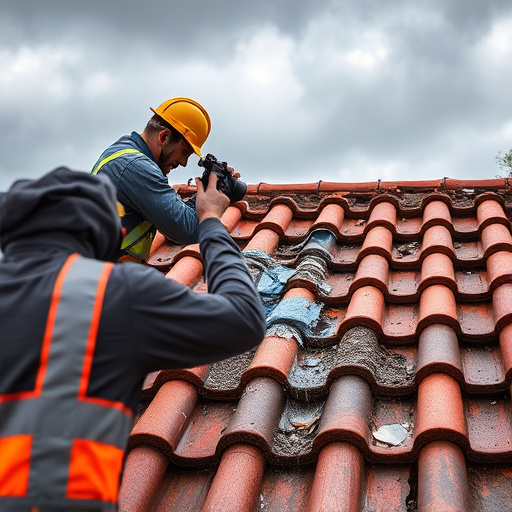
Storms, especially the intense monsoons in our region, pose a significant threat to our homes, particularly our roofs. When hail, microbursts, or flying debris strike, damage can be swift and severe, affecting tile, foam, and shingle roofs alike. Understanding the specific ways these storms damage different roofing materials is crucial for homeowners. This guide, developed by local Oro Valley storm restoration experts, provides a detailed damage checklist and offers insights into the first steps to take after a storm, including navigating storm damage insurance claims and securing your property for the next weather event, especially with the added concern of solar panel storm damage.
- Understanding Hail and Microburst Impacts
- Assessing Tile, Foam, and Shingle Damage
- Solar Panel Storm Damage: What to Expect
- Effective Post-Storm Restoration Techniques
Understanding Hail and Microburst Impacts
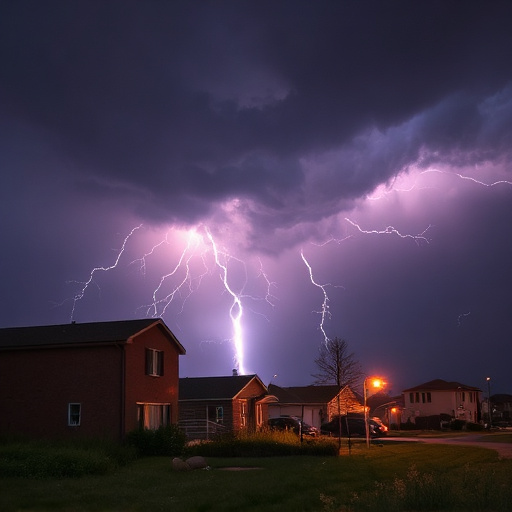
Hail and microbursts pose significant threats to rooftops, especially in regions like Oro Valley, known for its unpredictable weather patterns. These powerful phenomena can leave a trail of destruction, damaging various roofing materials, from tile to shingles. Understanding the specific impacts of hail and microbursts is crucial for homeowners and property managers alike, as it enables them to make informed decisions regarding repairs and insurance claims.
Hail, a common occurrence during storms, can range in size from small pebbles to large golf balls. Even smaller hail can cause considerable damage. When hail strikes a roof, it often leaves behind cracked or broken tiles and shingles. This phenomenon is particularly concerning for regions with a high wind exposure, like areas near Pusch Ridge in Oro Valley. The force of impact can dislodge roofing materials, creating a path for water intrusion. A heavy hailstorm could lift shingles, exposing the underlayment and potentially leading to interior leaks. Hail can damage solar panels, compromising their efficiency. Homeowners with solar panel installations should inspect their panels for any signs of hail damage, as it may affect their energy output.
Microbursts, intense localized thunderstorms, are another concern. These events can generate powerful winds that exceed 60 mph, posing a unique set of challenges. Microbursts can uproot trees and cause extensive damage to structures, including roofs. The force of the wind can lift and tear off shingles, expose flashing, and damage gutters. After a microburst, it's not uncommon to find tree limbs impaled in roofs, further complicating the damage assessment. Proper photo documentation is essential during these events. Homeowners should take pictures of the exterior and interior of their homes to support storm damage claims. A licensed Arizona roofer, familiar with local weather patterns, can help assess and mitigate these specific types of damage, ensuring a thorough repair process.
Assessing Tile, Foam, and Shingle Damage
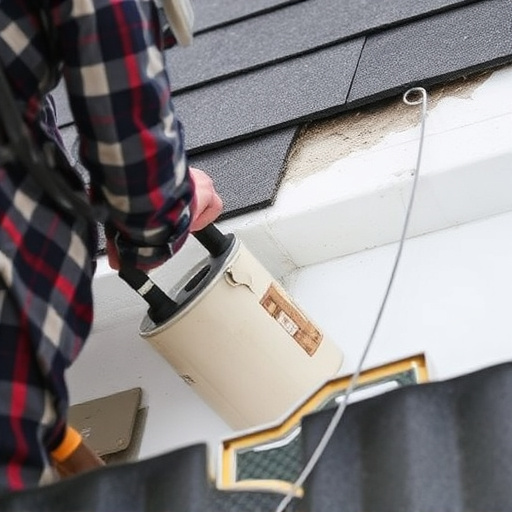
Assessing the damage to your roof after a storm, especially one as intense as a monsoon or microburst, is a crucial step in the recovery process. This is particularly true for tile, foam, and shingle roofs, which are all susceptible to varying degrees of wind damage. Understanding how these different roofing materials withstand-or succumb to-such extreme weather events is key to effective post-storm defense and repair.
Hail, wind-driven rain, and flying debris from microbursts can cause significant damage to your roof. Tile roofs, for instance, are vulnerable to cracked or broken tiles, which can lead to water intrusion if the underlayment is also compromised. Similarly, while foam roofs are durable, they can be punctured by large hail or debris, resulting in costly leaks. Shingle roofs, a common choice for homes in Oro Valley, are often lifted off their underlayment by high winds, leaving them exposed and susceptible to further damage. It's not uncommon to spot lifted shingles and exposed nails after a particularly harsh storm.
When assessing solar panel storm damage, it's important to remember that these panels are designed to withstand high winds. However, the mounting system must be secure. A local roofing company serving Oro Valley, with an Arizona ROC license, can help inspect and reinforce these systems, ensuring they remain functional after a storm. Water intrusion is a significant concern, as it can damage not only the roof but also the interior of your home. Therefore, it's crucial to photograph any visible damage and spot potential interior leaks after heavy rain. This documentation will be invaluable when filing a storm damage insurance claim.
To minimize the impact of future storms, experts recommend securing loose tiles before the monsoon season and checking for hidden storm damage. Regular maintenance and inspections by certified storm experts can also help prepare your roof against microbursts and other severe weather events. Remember, prompt action and expert assessment are vital in the aftermath of a storm to ensure your roof is repaired effectively and your home is protected from further damage.
Solar Panel Storm Damage: What to Expect
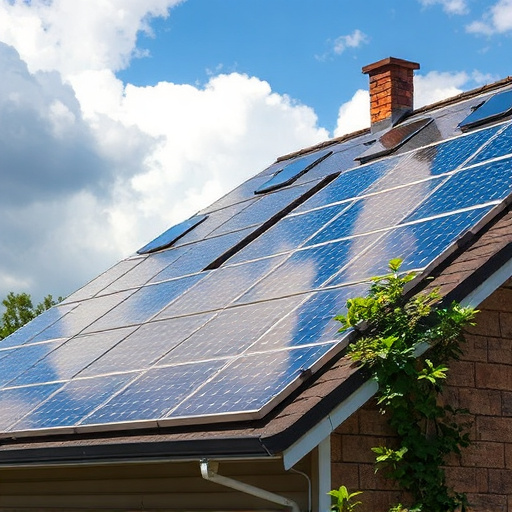
Solar panels, designed to harness the power of the sun, can be vulnerable to damage during intense storms, particularly those that occur during Oro Valley's monsoon season. When hail, microbursts, or strong winds hit, it's crucial to understand the potential impact on your solar energy system. DC Roofing of Arizona, a local roofing expert in the Catalina Foothills area, has seen firsthand the challenges homeowners face when dealing with storm-related solar panel damage.
During a monsoon storm, hail of varying sizes can accumulate, with some pieces large enough to cause significant harm to solar panels. The impact can lead to broken glass, bent frames, or even dislodged panels. Shingle roofs in the region, especially those with tile or composite materials, are also susceptible to microbursts-sudden, localized downbursts of wind-which can lift and blow away shingles, exposing underlying structures and panels to further damage. While modern solar panels are designed with durability in mind, extreme conditions can still result in visible signs of stress or failure.
If you notice any issues after a storm, it's essential to take immediate action. Start by photographing any visible damage for insurance claims. Then, contact a trusted roofing contractor, like DC Roofing of Arizona, to assess the situation. They can inspect your panels, underlayment, and roof for hidden damage, such as water intrusion or loose connections, which may not be immediately apparent. Remember, waiting too long could lead to more extensive repairs or even interior leaks, especially with the increased wind exposure near Pusch Ridge during the monsoon. A second storm could worsen existing damage before proper repairs are made.
Effective Post-Storm Restoration Techniques
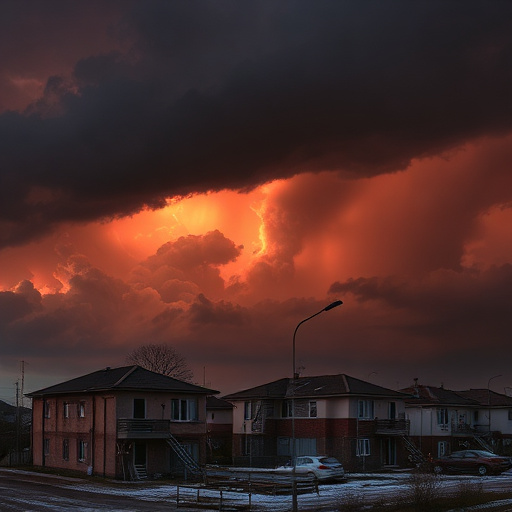
After a storm hits, especially the intense monsoons that characterize Oro Valley, homeowners often wake up to a daunting sight: damage to their roofs. This is where effective post-storm restoration techniques become crucial. Hail, microbursts, and wind-driven rain can wreak havoc on tile, foam, and shingle roofs, leaving behind lifted shingles, broken tiles, and storm-damaged underlayment. A National Weather Service Tucson report highlights the significant impact of microbursts in the Catalina Foothills region, underscoring the need for swift and informed action.
The initial steps after a storm are critical. Homeowners should begin by photographing the damage, a crucial document for insurance claims. Next, they should assess the roof from the ground, looking for lifted shingles, broken tiles, and signs of hidden damage. In the case of solar panels, inspecting them for damage is paramount. A roofing contractor serving Oro Valley and Marana recommends securing loose tiles before the next monsoon season to prevent further deterioration.
When the initial assessment is complete, it's time to contact a professional. Insurance adjusters play a vital role in navigating the claims process, ensuring homeowners receive fair compensation. They will inspect the roof, assess the damage, and provide an estimate. During this process, homeowners should ask about the potential for interior leaks after heavy rain, storm-damaged flashing and parapets, and the impact of flash flood runoff on their roofs. The expert team at DC Roofing of Arizona, for instance, offers quick assessments and urgent quotes to help customers navigate these challenging times.
Post-storm repair timelines can vary, but a licensed and insured pro will prioritize securing the roof to protect the home from further damage. Repairs may include replacing missing or damaged shingles, repairing or replacing underlayment, and addressing any interior leaks. In the case of severe hail damage, the process might involve re-roofing entirely. For solar panel storm damage, repairs could range from replacing damaged panels to securing them more effectively to prevent future issues. Remember, avoiding storm chaser roofers is crucial; always rely on reputable, local experts like DC Roofing of Arizona for quality, budget-friendly repairs and peace of mind.
Frequently Asked Questions About an explainer on how hail and microbursts damage tile, foam and shingle roofs
What types of roofs are most susceptible to damage from hail and microbursts? Hail and microbursts can damage all types of roofs, but tile, foam, and shingle roofs are particularly vulnerable due to their material composition and installation. Tile roofs, with their individual tiles or shingles, can be easily dislodged or cracked by large hailstones. Foam roofs, known for their lightweight and energy-efficient properties, are susceptible to deformation and delamination when hit by hail or the powerful winds of a microburst. Shingle roofs, while more durable, can still sustain significant damage, with shingles tearing, curling, or becoming misaligned after such weather events.
How do hail and microbursts cause damage to these roofs? Hailstones, even small ones, can impact roofs with considerable force, leading to cracks, chips, or breaks in tiles and shingles. Microbursts, intense localized tornadoes, produce high-speed winds that can lift and throw shingles or tiles, causing extensive damage. The force of a microburst can also bend or even detach roof trusses, compromising the structural integrity of the roof. In the case of foam roofs, microbursts can cause delamination, where the outer layer of the foam separates from the underlying substrate, reducing insulation efficiency and structural support.
What immediate steps should homeowners take after a hailstorm or microburst? Homeowners should conduct a thorough inspection of their roof immediately after a hailstorm or microburst. Look for missing, damaged, or misaligned shingles, tiles, or foam pieces. Document the damage with photographs for insurance claims. If the damage is extensive or the roof shows signs of structural weakness, it's best to contact a licensed roofing contractor for an assessment and repairs as soon as possible to prevent further deterioration or safety hazards.
How do I know if my roof needs professional repair after a storm? If your roof exhibits any of the following signs, it may require professional repair: missing or damaged shingles, visible cracks or breaks in tiles or foam, water leaks, discolored or blistered areas, or signs of structural damage. A licensed roofing contractor can perform a thorough inspection and provide recommendations tailored to your specific situation. Timely repairs after a storm can prevent long-term damage and ensure the longevity of your roof.
Are there any specific tips for maintaining my roof to prevent hail and microburst damage? Regular maintenance is crucial to safeguard your roof against hail and microburst damage. Keep your roof clean and free of debris to reduce the impact of falling objects during a storm. Inspect your roof at least once a year for loose or missing shingles, damaged gutters, or signs of wear and tear. Consider installing impact-resistant roofing materials, such as certain types of shingles or metal roofing, which offer enhanced protection against hail and microbursts.
Hailstorms and microbursts present significant challenges to homeowners, particularly for roof damage. Understanding the unique impacts of these events, especially on tile, foam, and shingle roofs, is crucial for effective post-storm restoration. This article has explored the various forms of damage, from lifted shingles and broken tiles to hidden storm damage and interior leaks, emphasizing the importance of a thorough assessment. We've also explain the specific challenges posed by solar panel storm damage, underscoring the need for specialized attention to these critical components.
The key takeaways are clear: early action is vital. Securing loose tiles before the onset of the monsoon, photographing damage for insurance claims, and avoiding untrustworthy "storm chaser" roofers are all essential steps. Understanding the timeline for repairs and being aware of hidden damage, such as that caused by flash flood runoff or lightning, can prevent further complications.
Moving forward, homeowners should prioritize proactive measures. Regular maintenance, including inspecting underlayment and gutters, can significantly enhance a roof's resilience. In the event of a storm, quick assessments and prompt estimates from licensed and insured professionals, like those at DC Roofing of Arizona, are invaluable. Remember, the right team can not only handle the immediate repairs but also guide you through the insurance claim process, ensuring financial protection and peace of mind.
Hail, microbursts, and intense storms pose significant risks to roofs in Oro Valley. These events can damage tile, foam, and shingle roofs, leading to water intrusion and costly repairs. Solar panels, while designed to withstand harsh conditions, require proper installation and inspection after storms to prevent damage and ensure efficient energy production. Homeowners should document storm damage, assess roofs carefully, and contact licensed, local roofing contractors for expert assessments, repairs, and insurance claims guidance. Regular maintenance and pre-storm preparations can further protect roofs from severe weather events.