
Storms can leave devastating damage to your Oro Valley roof, with hail, wind, and lightning causing significant problems, especially during the monsoon season. Identifying and addressing these issues promptly is crucial to prevent further, costlier damage. This guide examines the specific challenges posed by storms, focusing on three key elements: flashing, parapets, and underlayment. We'll explore the common types of storm damage, like lifted shingles and broken tiles, and offer practical advice on what to look for and how to protect your home, including the best practices for securing loose tiles before the monsoon hits and navigating the storm damage insurance claim process.
- Identifying Hail Damage: Flashing, Parapets, and Underlayment
- Assessing Storm Impacts: A Step-by-Step Guide
- Repair Strategies: Restoring Your Roof After Storm Damage
- Preventative Measures: Protecting Against Future Hail Events
Identifying Hail Damage: Flashing, Parapets, and Underlayment
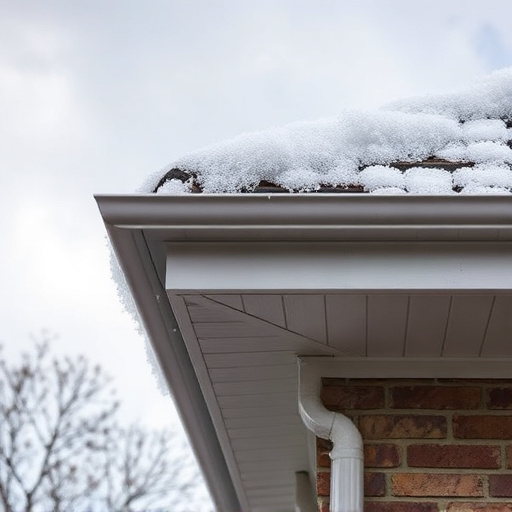
Storms, especially monsoons, bring a unique set of challenges for Oro Valley homeowners, particularly for roof damage. Among the many aspects to assess after a storm, hail damage to key components like flashing, parapet walls, and underlayment can be especially concerning. These elements, often overlooked, play a crucial role in protecting your home from the elements.
Hail damage by roof type varies widely. A severe hailstorm can leave behind lifted shingles, broken tiles, and even damage to the underlayment, the protective layer beneath the shingles. Hail can also impact the flashing, the metallic strips that seal the joints between shingles, leaving it bent, torn, or dislodged. Parapet walls, which often cap off roofs, can sustain damage from flying debris, leading to cracks or bulges. Recognizing these issues is crucial, as they can compromise your home's structural integrity and lead to costly repairs.
Photo documentation is a critical step in the process. Take clear, detailed photos of suspected hail damage from multiple angles. This visual record not only aids in the insurance claim process but also serves as valuable evidence for a roofer with an Arizona ROC license, ensuring a thorough and accurate assessment. During a hail damage roof inspection Oro Valley residents should look for signs of bulging or peeled flashing, damaged or missing shingles, and any unusual bulges or cracks in the parapet walls. A thorough examination of these elements can help homeowners and their contractors prioritize repairs and navigate the storm damage insurance claim process more effectively.
Remember, early action is key. Securing loose tiles before the next monsoon, for example, can prevent further damage. Similarly, repairing or replacing damaged flashing and underlayment before the next storm can mitigate the risk of interior leaks and flash flood runoff, protecting your home and belongings. A roofer with an Arizona ROC license can provide expert guidance on the best course of action, ensuring your roof is protected for the long term.
Assessing Storm Impacts: A Step-by-Step Guide
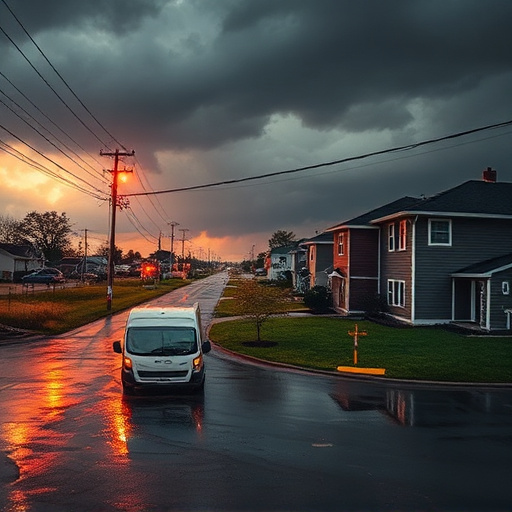
When severe weather hits Oro Valley and Marana, it can leave a trail of destruction, particularly on rooftops. Understanding the impacts of storms on your roof's components, like flashing, parapets, and underlayment, is crucial for effective assessment and repair. Here's a step-by-step guide to help you navigate the aftermath of a storm, focusing on the unique challenges of this region, including the frequent haboob and flash flood runoff.
The first step after any storm is to conduct a thorough inspection. Walk around your property and look for any visible damage. Check for lifted shingles, broken tiles, or missing flashing, which are common issues in our area due to strong winds and hail. Rancho Vistoso, a neighborhood known for its expansive skies, can experience severe hailstorms, and the impact on roofs is often evident. Be sure to photograph any damage for insurance claims; this visual documentation is invaluable.
Next, examine the roof's flashing and parapets. Flashing is the thin layer of material that seals the joints and edges of the roof. Storms, especially those with heavy rainfall, can cause flashing to become loose or damaged, leading to interior leaks. Parapets, the vertical walls that surround the roofline, can also sustain damage from wind-driven rain and flying debris. Look for water stains or leaks on the ceiling, a telltale sign of compromised flashing or parapets. In severe cases, a haboob-a powerful dust storm common in this region-might cause significant roof damage, leaving behind a trail of debris and requiring immediate attention.
Underlayment, a crucial protective layer beneath the shingles, may also be affected. Storms can cause it to become saturated, leading to mold and mildew growth. Check for any signs of water intrusion or discolored spots, which indicate hidden storm damage. To secure loose tiles before the next monsoon, a roofing contractor serving Oro Valley and Marana recommends temporary bracing measures. Remember, the key to effective storm damage repair is early intervention, as waiting for another storm to hit could compound the issues.
Repair Strategies: Restoring Your Roof After Storm Damage
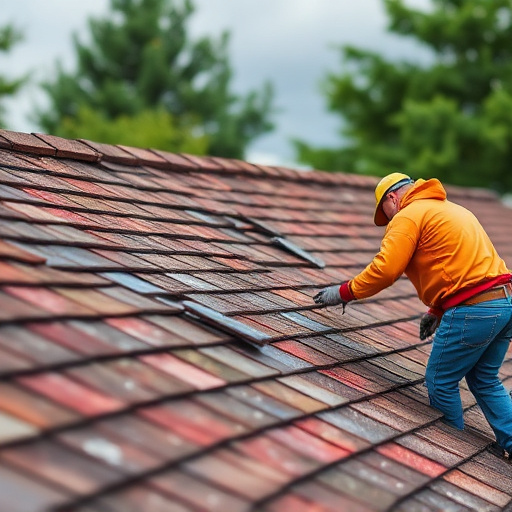
When storms hit Oro Valley during the monsoon season, your roof faces unique challenges. Understanding how to assess and repair storm damage, especially from hail and wind-driven rain, is crucial. A local roofing company serving Oro Valley, like DC Roofing of Arizona, a licensed Marana roofer with an Arizona ROC license, has seen firsthand the varying effects of storms on different roof types.
Hail damage by roof type can range from minor to severe, depending on the size and intensity of the hail. Shingles can be lifted, cracked, or completely destroyed, while metal roofing may show dents or punctures. Flashing and parapets, often overlooked, can also be affected, leading to interior leaks after heavy rain. This is a common problem, especially in areas with high wind exposure, like near Pusch Ridge. Damage to underlayment, a crucial layer beneath the shingles, is another critical issue. If not addressed, these hidden storm damages can lead to costly and frequent repairs.
Repairing a storm-damaged roof requires a strategic approach. First, thoroughly inspect your roof and take photos of the damage. Documenting the extent of the damage is essential for insurance claims. Then, secure any loose tiles or flashing before the next storm hits. If your roof has sustained microburst damage or suffered from flying debris, a swift repair team can provide temporary solutions to prevent further deterioration. Keep in mind that repairing a storm-damaged roof is a delicate process, especially with delicate materials like asphalt shingles. Timing is crucial; most storm repairs in Arizona can be completed within one to two days, but a second storm could jeopardize these efforts. Engaging a professional, experienced in handling storm damage, like DC Roofing, ensures your roof is restored to its full functionality and longevity.
Preventative Measures: Protecting Against Future Hail Events
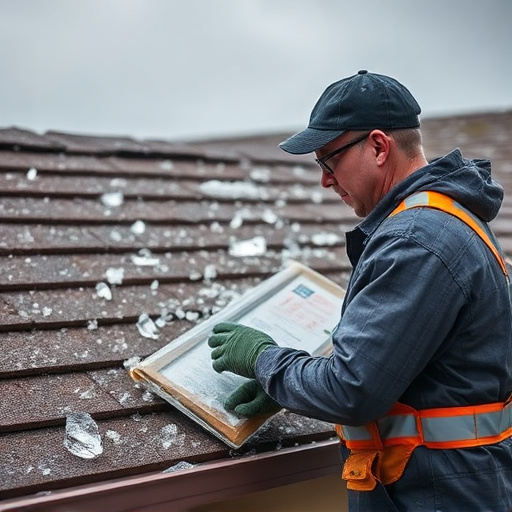
Protecting Against Future Hail Events
In Oro Valley, where intense hailstorms are not uncommon, especially during the monsoon season, preparing your roof for these events is crucial. Hail damage by roof type can range from minor aesthetics to severe structural compromise. Lifted shingles and broken tiles not only reduce your home's curb appeal but can also allow water intrusion, leading to costly interior leaks. A licensed Arizona roofer recommends implementing preventative measures to mitigate the impact of future hail events.
One effective strategy is to ensure your roof is secured properly. Tighten any loose shingles or tiles, especially those near the roof's edge, which are more vulnerable to hail impact. This simple step can prevent lifted shingles and reduce the overall damage risk. Consider reinforcing your roof with impact-resistant materials. Some modern roofing materials and underlayments are designed to withstand extreme weather conditions, including hail up to a certain size. In Rancho Vistoso, where wind exposure near Pusch Ridge can be significant, choosing such materials can provide an extra layer of protection.
Regular maintenance matters in storm damage prevention. Conducting a thorough inspection after each storm event can help identify hidden damage, such as cracked flashing or damaged parapets. Prompt repair of these issues will prevent further complications. Remember, the goal is to address problems before they escalate. Securing loose tiles before the monsoon season begins can save you from costly repairs and interior damage caused by wind-driven rain. By taking these proactive steps, you're not just preparing your roof for storms; you're safeguarding your home and potentially reducing the likelihood of interior leaks and storm damage claims.
Frequently Asked Questions About an explainer on storm damage to flashing, parapets and underlayment
What is storm damage to flashing, parapets, and underlayment? Storm damage can significantly impact a roof's protective barrier. Flashing, parapets, and underlayment are crucial components that safeguard against water intrusion, wind damage, and structural failure. During severe storms, these elements may sustain tears, punctures, or dislodging, exposing the roof structure to potential leaks and weakened integrity.
How can I identify storm damage to these roof components? Look for visible signs such as missing or torn flashing, gaps or bulges in parapets, and loose or curled underlayment. Water stains, discolored spots, or mold growth on the interior of your home or attic could also indicate storm-related damage. It's advisable to conduct a thorough visual inspection after severe weather events.
What should I do if I suspect storm damage to my roof's flashing, parapets, or underlayment? Contact a licensed Oro Valley area roofing contractor like DC Roofing of Arizona immediately. They can assess the damage, providing expert insights and recommendations for repairs or replacements. Prompt attention to these issues is essential to prevent further complications and potential secondary damage.
How urgent is it to address storm damage to these roof components? The urgency depends on the severity of the damage. Some issues, like missing flashing, can compromise the roof's water-tightness, leading to leaks and structural problems. Prompt attention can prevent water damage to your home and ensure the longevity of your roof. In the case of significant damage, acting swiftly is crucial to avoid costly repairs later.
Can insurance cover the cost of repairing storm damage to these elements? Many insurance policies cover storm damage, but the specifics depend on your policy and the cause of the damage. Document the damage with photographs and contact your insurance provider to discuss coverage. DC Roofing of Arizona can also assist in navigating the claims process, ensuring you receive the necessary compensation for eligible repairs.
What are the typical repairs or replacements involved in storm damage restoration? Repairs may include replacing missing or damaged flashing, securing loose parapets, and fixing or replacing underlayment. In severe cases, the entire roof system might need replacement. DC Roofing of Arizona offers comprehensive storm damage restoration services, working with you and your insurance provider to restore your roof to its pre-storm condition.
After enduring a storm, homeowners often face the daunting task of assessing and repairing their property, especially for the roof. This article has provided an in-depth guide to understanding the storm damage specific to flashing, parapets, and underlayment-crucial components that protect your home from the elements. We've learned that hail damage by roof type can vary widely, from lifted shingles and broken tiles to storm-damaged flashing and parapets, even interior leaks from flash flood runoff.
The key insights are clear: identifying damage early, understanding the impacts, and taking preventative measures are vital. By securing loose tiles before the monsoon, repairing underlayment, and maintaining proper wind exposure, homeowners can protect their roofs from future storms. Documenting damage through photography and noting hidden issues are essential steps in filing a storm damage insurance claim, ensuring financial protection and peace of mind.
The practical next step is to reach out to certified storm experts, like those at DC Roofing of Arizona, for a thorough assessment. Their team of IICR-certified professionals can provide accurate inspections, offer prompt estimates, and facilitate swift repairs, ensuring your home is protected with the utmost efficiency and care.
Oro Valley homeowners face unique roof challenges from storms, especially hail. Hail damage by roof type varies; it can lift shingles, damage flashing and parapets, and affect underlayment. Early action is key: inspect after storms, document damage, and repair loose tiles, flashing, and parapets. A roofer with an Arizona ROC license can provide expert guidance. Regular maintenance, including inspections and repairs, is crucial for storm damage prevention. Choosing impact-resistant materials can also protect against future hail events.