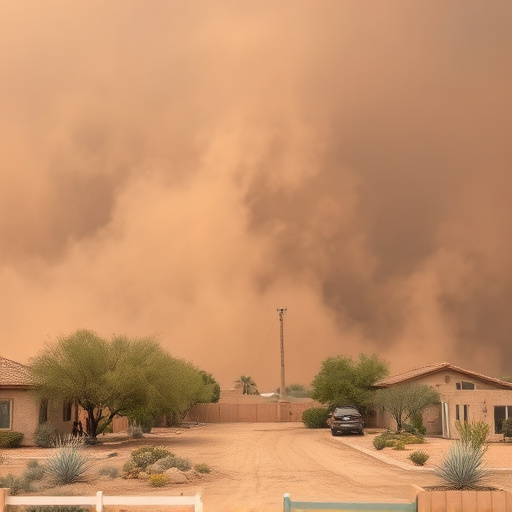
In the desert Southwest, preparing for the monsoon season is not just about packing a raincoat; it's about safeguarding your home from potential roof damage. Storms can bring powerful winds, hail, and flash floods, leading to hidden storm damage that may not be immediately apparent. This is especially true in areas like Oro Valley, where wind exposure near Pusch Ridge can exacerbate the impact. Recognizing and addressing these risks proactively is crucial. This guide offers a comprehensive, seasonal advice checklist for preparing your roof to withstand the next monsoon, covering everything from securing loose tiles to understanding storm damage insurance claims, ensuring your home is protected and your peace of mind is intact.
- Inspect for Hidden Storm Damage Naturally
- Reinforce Roof Against Monsoon Winds
- Protect Shingles from Moisture Damage
- Maintain Drainage for Monsoon Safety
Inspect for Hidden Storm Damage Naturally
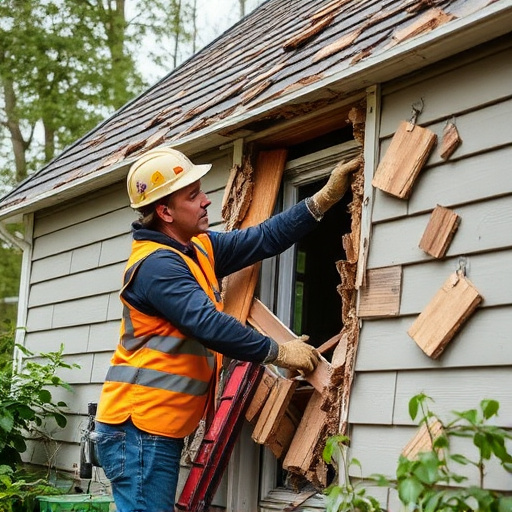
When preparing your Oro Valley roof for the next monsoon, it's crucial to go beyond the surface and inspect for hidden storm damage naturally. While many signs of storm damage are obvious-like lifted shingles, broken tiles, and ceiling stains-there are subtler indicators that point to more insidious issues. Interior leaks after heavy rain might not immediately reveal their source, but they could be stemming from damage to the flashing or underlayment.
Focusing solely on visible damage can leave you vulnerable to interior water intrusion and further deterioration. Hidden storm damage naturally can manifest as peculiar ceiling stains, unusual water stains on parapet walls, or unexpected leaks. It's important to remember that wind damage isn't always visible from the ground; strong winds can lift shingles, damage gutters, and even rip off entire sections of roofing. DC Roofing of Arizona, a local roof expert, recommends taking a close look at every aspect of your roof, including the areas that are typically hidden from view.
A thorough inspection should include climbing up to the roof (if safe) or using a sturdy ladder to access all areas. Look for any signs of missing, damaged, or curled shingles. Check the underlayment for tears or separation from the sheathing. Pay close attention to the flashing around chimneys, vents, and parapets, as these areas are often the first to fail during storms. Even tree limb damage, while visible, might not be readily apparent if it's occurred during a windstorm. Once you've completed your inspection, document any concerns with high-quality photos, which can be invaluable when filing a storm damage insurance claim. Remember, identifying hidden storm damage naturally is the first step towards securing a safe and protected home during the monsoon season.
Reinforce Roof Against Monsoon Winds
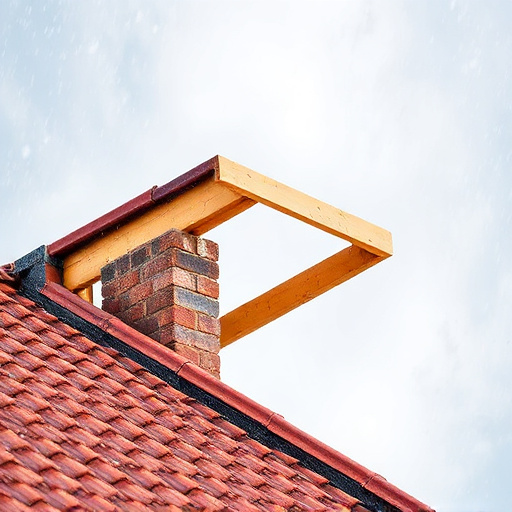
Reinforcing your roof against the powerful winds and intense rainfall of the Arizona monsoon is a crucial step in protecting your home and ensuring the longevity of your roofing system. This is especially true in areas like Oro Valley, where wind exposure near Pusch Ridge can exacerbate the impact of storms. Hidden storm damage, often difficult to spot from the ground, can have serious consequences if left unattended. Therefore, it's essential to take proactive measures to secure your roof before the rainy season arrives.
One of the first steps after a storm is to conduct a thorough inspection, including photographing any visible damage. Look for lifted shingles, broken tiles, or signs of flashing and parapet damage. These are common indicators of storm-related issues. Microbursts, localized, powerful thunderstorms, can cause significant damage, and prompt action is crucial. If you notice any hidden storm damage, such as interior leaks after heavy rain or storm-damaged underlayment, it's vital to address these issues immediately to prevent further complications.
DC Roofing of Arizona, a licensed Oro Valley area roofing contractor with an Arizona ROC license, recommends securing loose tiles and reinforcing the roof structure before the monsoon. This involves inspecting for any weak spots, repairing or replacing damaged flashing, and ensuring the roof vents are clear and functional. Consider the potential impact of flying debris and lightning strikes. By taking these precautions, you'll not only protect your roof but also your peace of mind, knowing your home is prepared to withstand the rigors of the next storm.
Protect Shingles from Moisture Damage

Protecting your roof from hidden storm damage is crucial during the Oro Valley monsoon season. High winds and intense rainfall can leave visible signs of damage, but many issues, like cracked tiles and lifted shingles, may go unnoticed until they escalate. One of the most vulnerable components is the roofing material itself, particularly for moisture intrusion. Moisture can infiltrate through tiny cracks, causing significant interior damage and compromising the structural integrity of your home.
Before the next storm, thoroughly inspect your roof for any signs of wear and tear. Check for loose or missing shingles, as these can become launch pads for flying debris during a haboob. Even subtle cracks in tiles or shingles can allow water to seep in, leading to interior leaks and storm-damaged underlayment. DC Roofing of Arizona, a local roofing company serving Oro Valley, recommends securing any loose tiles and repairing or replacing damaged shingles to prevent this hidden storm damage.
Parapets and roof vents also require attention. These areas can be susceptible to wind-driven rain and flying debris, causing leaks and further complications. Ensure that flashing around these components is in good condition and properly sealed. Regular maintenance and prompt repairs are key to safeguarding your roof. If you spot cracked tiles or lifted shingles after a storm, don't delay. Addressing these issues early can prevent secondary damage, like flash flood runoff, and save you from costly interior repairs and a higher deductible on your storm damage insurance claim.
Remember, a thorough pre-monsoon roof inspection is your best defense against hidden storm damage. Stay vigilant, and don't hesitate to contact a certified storm expert from Oro Valley Storm Restoration for a professional assessment. They can help identify potential issues and provide budget-friendly repairs, ensuring your roof is ready to withstand the challenges of the upcoming monsoon season.
Maintain Drainage for Monsoon Safety

Maintaining proper drainage is a crucial step in preparing your Oro Valley roof for the next monsoon. In areas like Rancho Vistoso, where heavy rainfall and powerful winds are common, adequate drainage systems are essential to prevent water intrusion, a leading cause of hidden storm damage. Insufficient drainage can result in pooling water on your roof, which weakens shingles, tiles, and underlayments, making your home more susceptible to severe weather events.
Start by inspecting your roof's drainage system, including gutters, downspouts, and eavestroughs. Ensure they are free from debris, leaves, or other blockages that can hinder water flow. Clogged drainage systems are a common issue, especially after a significant storm. Regular cleaning and maintenance can prevent this. Consider setting up a schedule for monthly gutter cleaning, especially if your home is surrounded by tall trees that shed leaves year-round. A roofer with an Arizona ROC license can also provide expert advice on the best drainage solutions for your specific roof type and local weather conditions.
To cleaning, examine the slope of your roof and ensure it is designed to shed water effectively. A proper slope guides rainwater away from your home's foundation, preventing water from pooling and seeping into vulnerable areas. If your roof's slope is inadequate, consider consulting with a local roofing expert to assess the best course of action, which might involve re-sloping or re-watering the roof. Regularly checking and addressing drainage issues can significantly reduce the risk of interior water damage and hidden storm damage, ensuring your home remains protected even during the most intense monsoons.
Frequently Asked Questions About seasonal advice on preparing a roof for the next monsoon
What is the best time to prepare my roof for the monsoon season?
The optimal time to get your roof ready for monsoon season is during the spring or early summer. This gives you ample time to inspect, repair, and install any necessary upgrades before the heavy rains and strong winds typically associated with the monsoon begin. A licensed Oro Valley area roofing contractor like DC Roofing of Arizona recommends scheduling preparations at least a month in advance to ensure a thorough job.
What specific tasks should I perform during monsoon preparation?
Focus on these key tasks: inspecting for loose or damaged shingles, sealing any leaks or gaps around vents and chimneys, securing loose fixtures, and trimming nearby trees to prevent branches from falling onto the roof. Also, check the condition of your gutters and downspouts, clearing them of debris to prevent clogs that could lead to water damage.
How do I know if my roof needs repairs before the monsoon?
Look for signs such as missing or loose shingles, discolored or curled roofing materials, leaks, or water stains on the ceiling. A professional inspection is recommended to pinpoint any issues that may require immediate attention. Addressing minor problems early can prevent them from escalating into costly repairs later.
What should I do if I find damage during my roof inspection?
If damage is discovered, don't delay. Contact a trusted local roofing company to schedule repairs as soon as possible. Prompt repair ensures that your roof remains intact during the monsoon, preventing further damage and potential interior water damage.
How does the monsoon season affect my roof's lifespan?
Monsoon season can take a toll on your roof due to repeated exposure to high winds, heavy rain, and extreme temperatures. Proper preparation can extend your roof's lifespan by protecting it from these elements. Regular maintenance and timely repairs are crucial for preserving the structural integrity and overall condition of your roof.
Can I handle roof preparation myself, or should I hire a professional?
While some tasks, like basic inspections, are DIY-friendly, complex repairs or installations are best left to licensed professionals. A roofing contractor with an Arizona ROC license has the expertise and tools to address any issues, ensuring your roof is safe and secure during the monsoon. They can also offer valuable insights tailored to your specific roofing needs.
What are some common signs that my roof needs replacing?
Beyond the damage caused by the monsoon, look out for signs like widespread missing or damaged shingles, a visibly worn or discolored roof, persistent leaks, or unusual noise during storms. If your roof is reaching the end of its typical lifespan (typically 20-30 years), it's wise to consider replacement to avoid potential safety hazards and further damage.
As Oro Valley prepares for the rainy season, it's crucial to prioritize your roof's health and resilience against the power of storms. By following these key insights, you can effectively spot hidden storm damage naturally and ensure your home is protected. Reinforcing your roof against monsoon winds and maintaining proper drainage are essential steps to safeguard against wind-driven rain and potential leaks. Protecting shingles from moisture damage through specific strategies will extend their lifespan and prevent costly replacements.
Implementing these measures not only enhances your home's safety but also provides peace of mind. With the potential for hidden storm damage, regular inspections and proactive care can save you from unexpected repairs. Remember, preparing your roof for the monsoon season is an investment in your home's longevity and your financial security.
Protect your Oro Valley roof from hidden storm damage during the monsoon by:
- Inspecting Beyond the Surface: Look for peculiar ceiling stains, water stains on parapet walls, and unexpected leaks. Climb up or use a sturdy ladder to check for missing, damaged, or curled shingles, torn underlayment, and damaged flashing.
- Addressing Wind Damage: Be aware that wind damage isn't always visible. Secure loose tiles and reinforce the roof structure, focusing on weak spots, damaged flashing, and clear roof vents.
- Preventing Moisture Intrusion: Check for cracks in tiles or shingles, as these can let water in, damaging the underlayment. Ensure proper flashing around chimneys, vents, and parapets.
- Maintaining Drainage Systems: Inspect gutters, downspouts, and eavestroughs for blockages. Regularly clean and maintain them to prevent water pooling on the roof, which weakens shingles and increases storm damage risk.
- Consulting Experts: DC Roofing of Arizona recommends professional assessment and repairs before the monsoon, especially in areas like Rancho Vistoso with powerful winds and heavy rainfall.