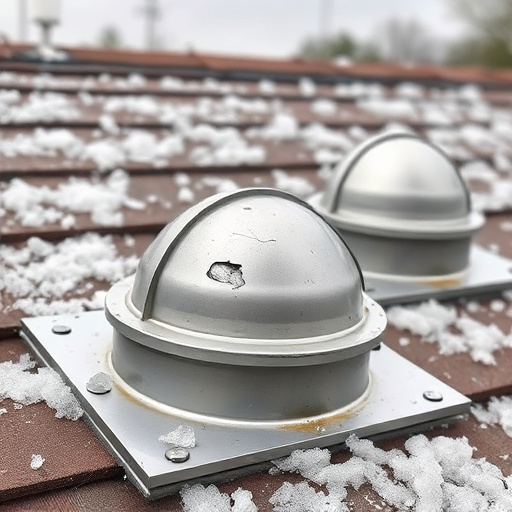
In Arizona, where haboob storms can turn into a roof's worst nightmare, understanding the insurance claim process is crucial. After a storm, homeowners often find themselves navigating a complex web of paperwork and regulations, especially when dealing with extensive damage like that caused by high winds, flying debris, or hail. This guide cuts through the confusion, offering a clear, step-by-step walkthrough of the roof insurance claim process in Arizona. From documenting haboob roof damage to dealing with insurers, this article equips you with the knowledge to protect your investment and ensure a swift recovery.
- Understanding Haboob Roof Damage Claims in Arizona
- Step-by-Step: Navigating the Insurance Process
- Documenting and Presenting Your Damage Case
- Repairs, Payment, and Your Rights as a Homeowner
Understanding Haboob Roof Damage Claims in Arizona
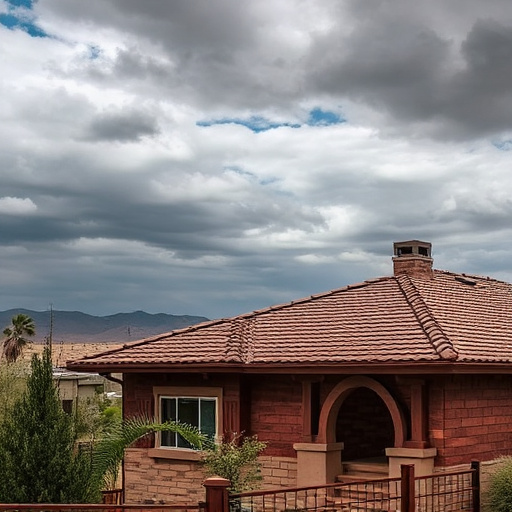
When a haboob-a powerful dust storm unique to this region-rasts through Oro Valley, it can leave behind significant roof damage. Understanding the haboob roof damage claim process is crucial for homeowners. This is especially true when dealing with an experienced Oro Valley roof specialist, like those at DC Roofing of Arizona, who can navigate the complexities of these claims.
The first step is to document and photograph the damage. This includes both visible signs like lifted shingles, broken tiles, and interior leaks after heavy rain, as well as hidden storm damage. Storm damaged underlayment might not be readily apparent but can be a significant issue. An expert roof inspector in Oro Valley, especially in areas like Rancho Vistoso, can help identify these hidden issues. Next, contact your insurance provider to file a claim. Be prepared to provide detailed information and photos of the damage.
During the claim process, expect a thorough inspection. An adjuster will assess the roof, looking for hail damage by roof type, wind-driven rain tile leaks, and storm damaged flashing and parapets. They'll also consider the overall age and condition of your roof. A roof with lifted shingles and broken tiles might require immediate repairs to prevent further damage, while a roof in better condition could wait for repairs until a more convenient time. It's important to ask the adjuster about your specific situation and the timeline for repairs, which can vary based on the severity of the storm and the number of claims the insurance company is handling.
Once the claim is approved, your insurance company will provide a payment for the repairs. It's advisable to get multiple estimates from licensed and insured pros. This ensures you're getting a fair price for the work. A swift repairs team can quickly address urgent issues like loose tiles before the next monsoon, while a more detailed repair might take one to two days, depending on the extent of the damage. Remember, your insurance may cover not only the repair costs but also the financial protection of securing a public adjuster for roof claims if needed. This can be especially beneficial for more complex cases where hidden storm damage or second storms before repairs might be an issue.
Step-by-Step: Navigating the Insurance Process

Navigating the Insurance Process After Experiencing Haboob Roof Damage
Dealing with haboob roof damage can be a complex process, especially when filing an insurance claim. Understanding the steps involved helps ensure a smoother recovery. Here's a step-by-step guide to navigating the insurance process, tailored to the unique challenges of severe weather in Oro Valley.
Step 1: Assess the Damage
Before calling your insurance adjuster, thoroughly inspect your roof for damage. Look for lifted shingles, broken tiles, or signs of flashing and parapet wall damage. Haboob winds can cause significant debris impact, leading to leaks and interior water damage. Documenting these issues with clear photos is crucial for your claim. A local roofing company serving Oro Valley can provide guidance on the most common haboob-related damage and help prioritize repairs.
Step 2: Contact Your Insurance Adjuster
Next, reach out to your insurance adjuster to file a claim. Provide them with detailed information about the damage, including the extent and specific locations. Be prepared to discuss the potential causes, such as flying debris from a nearby haboob. The adjuster will arrange an inspection and provide an estimate for repairs, including replacement of damaged flashing and parapets if necessary.
Step 3: Review the Claim and Estimate
Upon receiving the claim review, carefully examine the adjuster's findings and estimate. Verify that all identified damage is included and that the repair scope is accurate. If you have concerns or notice any hidden damage, communicate these to your adjuster. Heavy rain after a storm can lead to interior leaks that may not be immediately apparent on a roof inspection. A thorough review can prevent delays and ensure all necessary repairs are addressed.
Step 4: Negotiate and Finalize
If there are discrepancies or you believe the estimate is insufficient, discuss these points with your adjuster. Provide additional evidence, such as photographs or expert opinions from a roofing specialist, to support your case. Once both parties agree on the claim details and repair scope, finalize the agreement. Ensure all terms, including timelines and payment processes, are clearly understood before signing.
Documenting and Presenting Your Damage Case

Documenting and presenting your damage case is a crucial step in the roof insurance claim process, especially after a severe weather event like a haboob in Oro Valley. This involves meticulously capturing the extent of the damage, which can include water intrusion, lifted shingles, broken tiles, and storm-related wear and tear. Here's a strategic approach to ensure your claim is strong and your roof is restored to its pre-storm condition, avoiding any potential issues like secondary damage from a second storm before repairs.
Start by taking detailed photographs of the damaged roof and surrounding areas. Capture clear shots of any lifted or missing shingles, broken tiles, and flashing issues. Focus on areas with visible water intrusion, as this can be a critical indicator of the extent of the damage. In Rancho Vistoso, where wind exposure near Pusch Ridge can be a factor, ensure you photograph the roof from various angles to capture any potential weaknesses. An experienced Oro Valley roof specialist recommends including before-and-after shots to showcase the full impact of the storm.
Next, inspect the roof for hidden damage. Check the underlayment for any tears or moisture buildup, as this could indicate water intrusion that isn't immediately visible. Look for signs of loose tiles or flashing that could have been dislodged by flying debris or strong winds. These hidden issues can lead to interior leaks and further damage, so documenting them thoroughly is essential. Keep a meticulous record of all observations, including any notable hail size or tree limb damage that might have contributed to the roof's condition.
When preparing your claim, include detailed notes on the repairs needed, such as replacement shingles, flashing repair, or underlayment replacement. Provide clear descriptions and estimates for each repair, supporting your case with the photographs and notes from your inspection. This comprehensive approach will help streamline the claim process and ensure your insurance company understands the full scope of the haboob-related roof damage.
Repairs, Payment, and Your Rights as a Homeowner

When a haboob roars through Oro Valley during the monsoon season, it can leave behind significant roof damage. As a homeowner, understanding the repair process, your rights, and payment options is crucial. This section guides you through the key steps after a storm, focusing on repairs, payment, and your rights as a property owner.
First, document the damage thoroughly. Take photos of the broken tiles, microburst-induced damage, and any interior leaks resulting from heavy rain. These visual aids are invaluable for your insurance claim. A roofing contractor serving Oro Valley and Marana recommends securing loose tiles before the next monsoon season and examining the underlayment for storm damage. Be vigilant for hidden issues, such as lifted shingles or storm-related flashing and parapet damage. Remember, early action is beneficial; waiting for a second storm before repairs can exacerbate the problem.
Next, contact your insurance company and file a claim. Provide them with the necessary documentation, including your photos and a detailed assessment of the damage. The company will assign a public adjuster to review your claim, who will determine the scope of work and estimated costs for repairs. If your claim involves a microburst event, the adjuster will consider the extent of the damage, the size of the hail, and the type of roof you have. Keep in mind that your insurance policy may cover interior leaks caused by wind-driven rain, but you'll likely need to pay for repairs to the exterior, such as broken tiles and damaged vents.
Once your claim is approved, the insurance company will issue a payment. Payment options typically include checks or electronic transfers. It's essential to understand that repairs should begin promptly to prevent further damage and ensure your home is secure. A roofing expert might recommend securing loose tiles immediately to shield against flash flood runoff and potential lightning strikes during the next storm. If the damage is extensive, the repair timeline might stretch over several weeks, but staying involved and keeping clear communication with your contractor and insurer is vital.
Frequently Asked Questions About a plain language walk through of the roof insurance claim process in Arizona
What is the first step in filing a roof insurance claim in Arizona?
Begin by reviewing your home insurance policy to understand your coverage for roof damage. Then, contact your insurance company to report the damage. Be prepared to provide details about the extent of the damage, the date it occurred, and any relevant photographs. They will guide you through the specific steps required for your policy, which may include filing a claim form, providing a detailed estimate, or arranging for an inspection.
How do I know if my roof needs repairs or replacement?
This depends on the severity of the damage. Inspect your roof for missing, broken, or curled shingles, water stains, leaks, or structural damage. If the damage is limited to a few shingles, repairs might be sufficient. However, if there's widespread damage, especially to the underlayment or structure, a complete roof replacement may be necessary. A licensed roofer can assess the situation and provide a professional opinion.
Who should I hire to inspect and repair my roof?
Hire a licensed and insured roofing contractor with experience in your area. Look for contractors who specialize in your type of roof and have positive reviews. DC Roofing of Arizona, a local Oro Valley roofer, can provide a thorough inspection and recommend the best course of action, whether repairs or replacement.
What documents do I need to support my roof claim?
Gather all relevant documents, including your insurance policy, photos of the damage, estimates from contractors, and any correspondence with your insurance company. Keep detailed records of all costs associated with the repair or replacement process, including labor and materials.
How long does it typically take to settle a roof insurance claim in Arizona?
The timeframe varies depending on the complexity of the claim and the insurance company's process. Most claims are settled within a few weeks, but complex cases might take several months. Keep open lines of communication with your insurance adjuster and provide them with all necessary information to expedite the process.
Can I appeal a denied roof insurance claim?
If your claim is denied, carefully review the reasons provided by your insurance company. You may be able to appeal by providing additional evidence, such as a second opinion from a qualified roofer or documentation of the damage's cause. It's important to understand the appeal process and deadlines before proceeding.
Navigating a haboob roof damage claim in Arizona involves understanding the unique challenges posed by these powerful storms. By familiarizing yourself with the insurance process, effectively documenting damage, and knowing your rights, you can ensure a smoother, more successful claim. This article has provided a step-by-step guide to help you every way, from securing immediate repairs to securing financial compensation. Remember, quick action after haboob damage is crucial to mitigate interior leaks and hidden storm damage. Keep detailed records of all interactions with insurance providers and contractors, and don't hesitate to involve a public adjuster if needed. The insights and strategies outlined here empower you to protect your Oro Valley home and maximize your recovery from storm damage.
Haboob Roof Damage Claim Process: A Step-by-Step Guide
After a haboob, document visible and hidden roof damage (e.g., lifted shingles, broken tiles, interior leaks, damaged underlayment). Contact your insurance provider, providing detailed information and photos. An adjuster will inspect and assess damage, considering roof type, wind-driven rain, and storm-related wear. Get multiple repair estimates from licensed pros for fair pricing. For complex cases, consider a public adjuster to protect your interests. Act quickly to prevent secondary damage; repairs can take 1-2 days or longer. Understand your insurance coverage and payment options for approved claims.