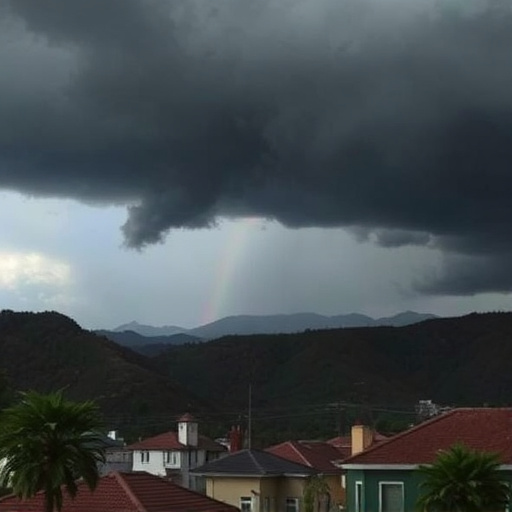
As a licensed Oro Valley area roofing contractor, DC Roofing of Arizona sees firsthand the devastating impact of storms on local roofs. Hail, microbursts, and wind-driven rain can leave a trail of destruction, from shattered tiles and lifted shingles to damaged underlayment and flashing. These events not only cause immediate visual damage but also lead to hidden problems, such as interior leaks and flash flood runoff, that can only be fully appreciated after the storm has passed. This practical guide addresses wind driven rain tile leaks, various types of roof damage, and the crucial steps to protect your home during and after a storm, offering a reliable damage checklist for residents facing these challenges. Our expertise is your assurance in navigating the storm damage insurance claim process, securing your peace of mind.
- Understanding Hail, Microbursts, and Roof Damage
- The Path of Destruction: Wind-Driven Rain
- Identifying Signs of Tile, Foam, and Shingle Damage
- Preventing and Mitigating Wind-Related Roof Leaks
Understanding Hail, Microbursts, and Roof Damage
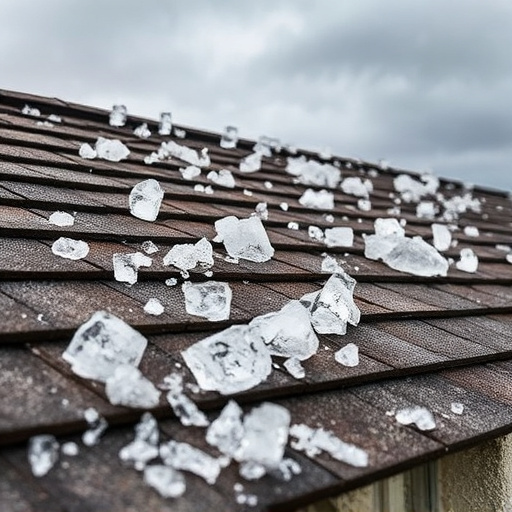
Hail and microbursts are powerful forces that can wreak havoc on rooftops, causing significant damage to tile, foam, and shingle roofs. Understanding how these weather phenomena impact your roof is crucial for effective storm damage prevention and repair. When hailstones, often the size of pennies, quarters, or golf balls, collide with your roof, they can leave behind a trail of destruction, from cracked tiles to damaged underlayment. Similarly, microbursts, intense localized tornadoes, can generate winds in excess of 60 mph, lifting shingles and causing widespread debris accumulation.
The impact of hail on roofs varies based on the intensity and duration of the storm. Small hail may leave behind scattered cracked or broken tiles, while severe hailstorms can strip entire sections of shingles. In contrast, microbursts tend to cause more localized damage, lifting and tearing off shingles in specific areas, often leaving the rest of the roof intact. One notable characteristic of hail damage is the potential for hidden problems. Even if your roof appears visually undamaged, hail impact can compromise the integrity of the underlayment, flashing, and gutters, leading to interior leaks during subsequent storms or heavy rainfall.
The consequences of wind-driven rain tile leaks can be severe, as water intrusion can compromise the structural integrity of your home. To mitigate these risks, it's essential to take proactive steps. Before the monsoon season, securing loose tiles and ensuring proper roof ventilation can help prevent wind-driven damage. Regular maintenance, including inspecting for cracked tiles and sealing flashing, is crucial. In the event of storm damage, prompt action is key. Documenting damage with photographs, contacting your insurance provider, and engaging the services of a licensed Arizona roofer, such as DC Roofing of Arizona, who can assess, repair, or replace your roof, are essential steps in the storm damage claims process. Remember, timely action not only protects your home but also provides financial protection during unexpected weather events.
The Path of Destruction: Wind-Driven Rain

The path of destruction left by severe storms in Oro Valley often includes wind-driven rain, a powerful force that can wreak havoc on roofing materials. This phenomenon, especially prevalent during the monsoon season, can cause significant damage, from cracked tiles to lifted shingles and even interior leaks. When wind speeds increase, so does the potential for extensive tile damage. Even small hail can leave a trail of broken or loose tiles, creating a major concern for homeowners.
Wind-driven rain tile leaks are a common issue after storms pass through. The intense wind can force water under the shingles or into the gaps between tiles, leading to interior water damage. This is particularly concerning for tile and shingle roofs, which are more vulnerable to wind exposure near areas like Pusch Ridge. During a storm, flying debris, including tree limbs, can also contribute to tile and shingle damage. A large branch striking a roof can lift shingles, exposing the underlayment and making the structure more susceptible to water intrusion.
In the aftermath of a storm, homeowners should take immediate action. Start by photographing any visible damage for insurance claims; this includes cracked or broken tiles and any signs of water intrusion. It's crucial to act swiftly, as waiting until the next storm hits could worsen the damage. A professional insurance adjuster, like those from DC Roofing of Arizona, can assess the situation and guide you through the claims process. They understand the local storm patterns and the specific challenges posed by wind-driven rain, ensuring your roof repairs are covered and done right.
Identifying Signs of Tile, Foam, and Shingle Damage
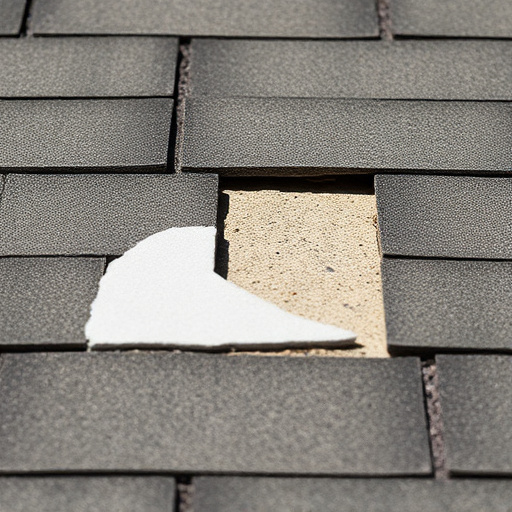
Identifying Signs of Tile, Foam, and Shingle Damage After a Storm
Hail, microbursts, and wind-driven rain can wreak havoc on your Oro Valley roof, leaving behind a trail of damage that requires immediate attention. Whether it's tile, foam, or shingles, each type of roofing material has its vulnerabilities during severe weather events. Understanding how these elements are affected can help you recognize the extent of the damage and guide you through the process of filing an insurance claim.
Hail Damage and Wind-Driven Rain Tile Leaks
Tile roofs, while durable, are not immune to hail impact. Look for signs of cracked or broken tiles, which can lead to water penetration and, eventually, tile leaks. Wind-driven rain can exacerbate these issues, causing water to seep into the underlayment and even the interior of your home. If you notice water stains on your ceilings or walls, especially after a storm, it could indicate a wind-driven rain tile leak. A microburst near Pusch Ridge could leave behind numerous broken tiles, requiring a thorough inspection.
Shingle and Foam Damage: Lifted Shingles and Hidden Problems
Shingle roofs are susceptible to lifted or missing shingles, a common sight after a storm. But be wary of hidden damage. Strong winds can cause shingles to curl, exposing the underlayment and increasing the risk of water intrusion. Foam roofs, often used in energy-efficient homes, can sustain damage from flying debris, leading to potential structural weaknesses. It's crucial to photograph any damage, as these images will be invaluable for your storm damage insurance claim.
Expert Intervention: The Role of a Licensed Arizona ROC Contractor
When in doubt, consult a roofer with an Arizona ROC license. They are trained to identify storm damage and can provide expert advice. If you suspect storm damaged flashing or parapets, a qualified professional can assess and repair these components, ensuring your roof is secure before the next monsoon. They can also help with secondary storm damage, like interior leaks after a second storm before repairs are complete, or spot damage from the ground, which can be challenging for homeowners.
Preventing and Mitigating Wind-Related Roof Leaks

Wind-driven rain and hail events, like those experienced in Oro Valley, can cause significant damage to roofs, especially those with tile, foam, or shingle coverings. When these powerful forces strike, they can leave behind not only visible damage like lifted shingles and broken tiles but also subtle yet critical issues like wind-driven rain tile leaks and storm-damaged flashing and parapets. In Rancho Vistoso, a microburst could knock off shingles and send debris flying, while heavy rain from a monsoon storm could saturate the underlayment, leading to interior leaks.
Preventing and mitigating wind-related roof leaks starts with proactive measures and a thorough understanding of your roof's vulnerabilities. Homeowners in Marana should regularly inspect their roofs, securing any loose tiles or shingles before the monsoon season. This simple step can significantly reduce the risk of wind exposure near Pusch Ridge. Ensuring proper ventilation in the attic space and checking the condition of the flashing around skylights, solar panels, and roof vents can prevent hidden storm damage.
After a storm, quick assessment and photography of the damage are crucial. Documenting the extent of the storm's impact allows for a more accurate insurance claim, which is essential when dealing with costly repairs. A licensed Arizona roofer can provide expert advice and help navigate the claim process, ensuring you receive the necessary financial protection. They can identify storm-damaged underlayment, which is often difficult to spot from the ground, and recommend prompt repairs to avoid second storms causing further damage before the first has been adequately addressed.
When dealing with hail damage, it's also important to consider the size and intensity of the hail. Large hail can leave behind a trail of broken tiles and damaged gutters, which can lead to water intrusion. In such cases, homeowners should avoid hiring storm chaser roofers who may cut corners or lack the expertise to properly secure a long-lasting repair. Instead, opt for local roof experts who can assess the damage, provide a swift repair, and offer peace of mind, knowing your roof is protected from the next flash flood runoff or haboob event.
Frequently Asked Questions About an explainer on how hail and microbursts damage tile, foam and shingle roofs
What types of roofs are most vulnerable to hail and microburst damage? Hail and microbursts can damage all types of roofs, but tile, foam, and shingle roofs are particularly susceptible due to their material composition and design. Tile roofs, with their delicate, hard surfaces, can sustain cracks and chips from hailstones. Foam roofs, though lightweight, offer little resistance to the impact of hail, leading to punctures and structural compromise. Shingle roofs, commonly used in residential areas, are made of individual pieces that can be easily dislodged or damaged by hail, especially if the shingles are not properly secured.
How do hailstorms specifically damage tile roofs? Hailstones, varying in size and intensity, strike the tile roof, causing impact damage. The force of the impact can lead to cracks, breaks, or delaminating of the tile surface. Over time, these damages can compromise the roof's water-tightness, leading to leaks and potential structural instability. The flat nature of tile roofs also means that hailstones can collect and cause further damage by creating local areas of pressure.
Can microbursts cause significant damage to roofs? Microbursts, intense downdrafts that occur during thunderstorms, can indeed cause substantial roof damage. The force of a microburst can strip shingles, tear off gutters, and even lift off parts of a roof. The sudden and intense wind surge can also lead to structural damage, especially in older or poorly constructed buildings. DC Roofing of Arizona, a licensed Oro Valley area roofing contractor, emphasizes the importance of robust roof framing and secure fastening to mitigate microburst damage.
What are the immediate signs of roof damage from hail or a microburst? Immediate signs of roof damage include missing or damaged shingles, noticeable cracks or holes in tiles, and signs of water intrusion, like stains or dampness in the attic or ceilings. Foams roofs may exhibit punctures or deflations, while tile roofs may show loose or missing tiles. A thorough inspection by a professional roofer, like one from DC Roofing of Arizona, is crucial to assess the full extent of the damage.
How can I protect my roof from hail and microburst damage? Protecting your roof from hail and microburst damage involves several strategies. These include using impact-resistant roofing materials, ensuring proper roof installation and fastening, and regular maintenance. For existing roofs, applying hail-resistant membranes or underlayments can offer additional protection. In areas prone to severe weather, consulting with a local roofing company serving Oro Valley and Marana, such as DC Roofing of Arizona, can help determine the most suitable protective measures.
Understanding the destructive power of hail, microbursts, and wind-driven rain is crucial for Oro Valley homeowners to protect their investments. This article has outlined the specific ways these natural events can damage tile, foam, and shingle roofs. Key insights include recognizing the signs of potential issues, such as lifted shingles, broken tiles, and interior leaks after heavy rain, all indicative of wind-driven rain tile leaks. Preventative measures like securing loose tiles and proper flashing installation are essential to mitigate damage. Homeowners should be aware of the potential for hidden storm damage, especially near areas with high wind exposure like Pusch Ridge, and take prompt action to photograph and document any visible damage for insurance claims. By following these guidelines and taking proactive steps, residents can better defend their properties against storm damage and ensure swift, budget-friendly repairs from trusted local experts like DC Roofing of Arizona.
Hail, Microbursts, and Wind-Driven Rain: Protecting Your Oro Valley Roof
Severe storms in Oro Valley can cause substantial damage to tile, foam, and shingle roofs. Hailstones can crack or break tiles, while microbursts lift shingles, exposing underlayment and causing interior leaks. Wind-driven rain exacerbates these issues, leading to hidden damage and water intrusion.
Key Damage Scenarios:
- Tile Damage: Cracked or broken tiles from hail, followed by wind-driven rain that seeps under shingles and into the underlayment.
- Shingle and Foam Damage: Lifted or missing shingles from strong winds, along with potential structural weaknesses in foam roofs from flying debris.
- Hidden Problems: Storm-damaged flashing and parapets, often difficult to spot from the ground, require expert assessment.
Proactive Measures and Post-Storm Actions:
- Prevention: Secure loose tiles and ensure proper ventilation before monsoon season.
- Post-Storm: Photograph damage, contact insurance providers, and engage licensed Arizona roofers like DC Roofing of Arizona for expert repairs and claims guidance.
Expert Intervention:
Local, licensed roofers are crucial for accurate damage assessments, swift repairs, and navigating insurance claims. They protect homes from secondary storm damage and hidden issues, ensuring roofs are secure for the next weather event.