When a major storm strikes, the damage left behind can be overwhelming. One of the most pressing concerns is the safety and integrity of your roof. Storm-damaged underlayment, left unaddressed, can lead to costly interior leaks, mold, and even structural issues. Unfortunately, the rush to repair after a storm can bring out unethical contractors, often called "storm chasers," who may prioritize profit over quality work. This article provides a detailed checklist for navigating post-storm repairs, focusing on how to avoid these subpar contractors and ensure your roof is safely and effectively restored.
- Assessing Storm Damage: What to Look For
- Choosing a Reputable Contractor: Questions to Ask
- Understanding Underlayment: Avoiding Common Pitfalls
- Post-Storm: Protecting Your Investment Long-Term
Assessing Storm Damage: What to Look For
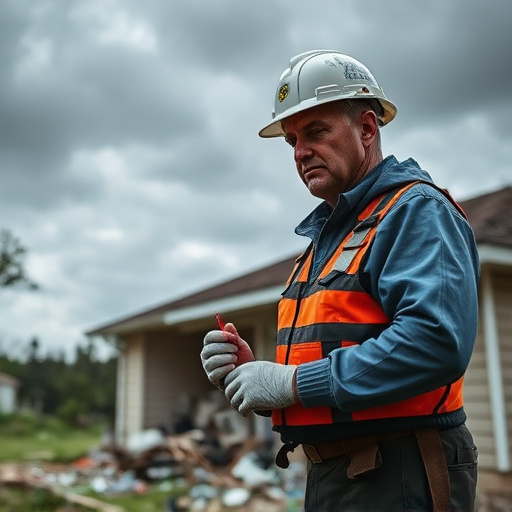
When assessing storm damage, especially after a fierce monsoon or severe weather event, it's crucial to look beyond what's immediately visible. While lifted shingles and broken tiles are clear indicators of wind-driven damage, there's a critical component often overlooked: the storm damaged underlayment. This layer, which acts as a protective shield between your roof and the elements, can sustain significant wear and tear during storms.
Inspecting your underlayment involves more than just a visual scan. Look for signs of water intrusion, as even a small breach can lead to significant interior leaks after heavy rain. Check for loose or missing components, as these can create vulnerabilities that allow water, wind, and debris to infiltrate. A licensed Arizona ROC contractor from a local roofing company serving Oro Valley recommends examining the underlayment's integrity, especially around flashing and parapets, where water often finds its way in during storms. Keep an eye out for any signs of mold or mildew, which can indicate hidden storm damage and point to a more substantial problem.
Paying close attention to these details can help you avoid hiring storm chaser contractors who might not address the full scope of the issue. A rushed assessment might miss a damaged underlayment, leading to second storms causing further damage before proper repairs are made. Remember, securing loose tiles before the next monsoon and ensuring the underlayment is in good condition are key steps in protecting your home from future storms. This proactive approach, coupled with accurate inspection, will ensure your roof is as robust as possible against the elements.
Choosing a Reputable Contractor: Questions to Ask
When a major storm hits during the monsoon season, it's easy to feel overwhelmed. In the chaos, you might be tempted to hire the first contractor who knocks on your door, especially if you're dealing with a storm-damaged underlayment and other roof repairs. However, this can be a costly mistake. To avoid being taken advantage of, it's crucial to choose a reputable contractor.
Start by asking the right questions. First, verify their license and insurance. You want to make sure they're a legitimate business with the proper coverage to protect you and your property. Next, inquire about their experience with your specific type of damage. Hail, for instance, can cause unique challenges, and not all contractors are equipped to handle it effectively. Look for someone who specializes in storm damage, especially in your area. DC Roofing of Arizona has extensive experience dealing with the unique challenges of Oro Valley's climate and storm patterns.
Another red flag to watch for is a contractor who pressures you to make an immediate decision or demands cash payment. Reputable professionals will offer transparent pricing, detailed estimates, and flexible payment options. They'll also be willing to take pictures of the damage and explain the repair process step-by-step. Remember, a genuine expert will prioritize your peace of mind and financial protection, not a quick buck. If a contractor avoids these practices, move on. There are plenty of reliable options available who will treat your storm-damaged underlayment and roof with the care it deserves.
Understanding Underlayment: Avoiding Common Pitfalls
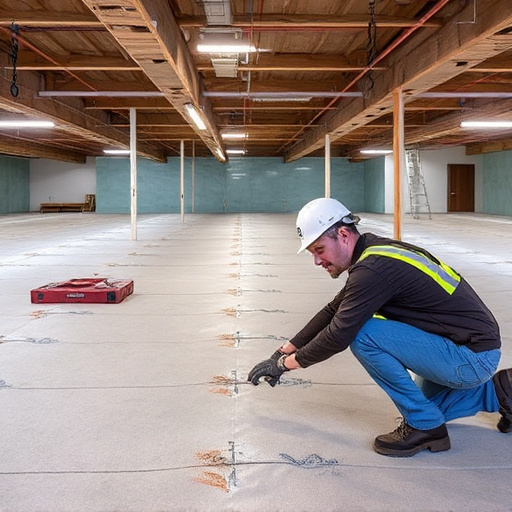
After a major storm, it's understandable to feel vulnerable and eager to fix your Oro Valley home. Unfortunately, this urgency can make you more susceptible to less reliable storm chaser contractors. One area of particular concern is understanding and inspecting your storm damaged underlayment. This crucial layer, designed to protect your roof from water intrusion, can be easily overlooked or damaged during and after a storm.
The underlayment, a crucial component of any roof system, is often the first line of defense against leaks. It's the layer of protective material laid down beneath the shingles or tiles. During a storm, this underlayment can be subjected to intense wind pressure and flying debris, leading to tears, punctures, or even complete removal. If left unchecked, these damages can result in serious interior leaks, especially during the next heavy rain.
Avoiding common pitfalls in underlayment assessment is crucial. Not all storm chaser contractors have the expertise or patience to thoroughly inspect this component. An experienced Oro Valley roof specialist recommends taking photos of the underlayment before repairs begin. This visual documentation can serve as proof of any existing damage, helping to ensure that repairs are not needlessly overpriced or done without necessity. It's important to verify that the contractor replaces the underlayment properly, ensuring that it's securely fastened and in accordance with the manufacturer's instructions.
Remember, the underlayment is not just a layer of protection; it's a vital part of your roof's defense system. Don't let storm chasers take advantage of your post-storm vulnerability. Take the time to ask questions, get multiple estimates, and insist on thorough photo documentation. By doing so, you'll not only avoid hidden costs but also ensure your home is truly protected from future storms.
Post-Storm: Protecting Your Investment Long-Term
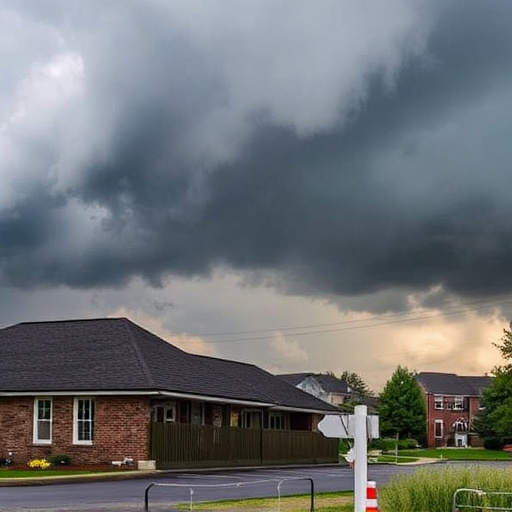
After a major storm, like a haboob or monsoon season, it's crucial to protect your investment in your home, especially for your roof. One of the most important steps you can take is to avoid storm chaser contractors who may take advantage of the situation. These are individuals or companies that rush in after a storm, often with high-pressure sales tactics, promising quick and cheap repairs. While their services may seem appealing, they can lead to poor workmanship and long-term damage, particularly for your roof's underlayment.
A licensed Arizona roofer will tell you that the storm damaged underlayment is a critical component that often goes overlooked. The underlayment acts as a secondary barrier against moisture, protecting your roof from leaks. During a storm, it can be easily damaged by flying debris, heavy winds, or even lightning strikes. If the underlayment is compromised, it can lead to interior leaks, especially during the next heavy rain. Therefore, it's essential to take your time and be selective when choosing a roofing contractor.
In the aftermath of a big storm, like those that hit Rancho Vistoso, it's crucial to document the damage with photo evidence. This serves two purposes: it helps you assess the extent of the damage and provides valuable information for insurance claims. You can also use these photos to compare against the final repairs, ensuring the work was done correctly. If you notice lifted shingles or broken tiles, photograph these areas from multiple angles. This documentation will be invaluable if you need to file a storm damage insurance claim, as it provides a clear record of the pre-and post-storm conditions.
Frequently Asked Questions About a checklist for avoiding storm chaser contractors after a big storm
What are storm chaser contractors?
Storm chaser contractors are businesses that quickly arrive in areas affected by severe weather, often after hurricanes, tornadoes, or storms, to offer emergency roofing repairs and replacements. While some provide legitimate services, many are disreputable and charge exorbitant prices for subpar work. They often prey on homeowners' urgent needs and lack of time after a disaster.
Why should I be wary of storm chasers?
Storm chasers often lack the necessary permits and licenses, and their work may not meet local building codes. They may also use high-pressure sales tactics, offer poor-quality materials, and overcharge. After a storm, it's crucial to take your time, verify the contractor's credentials, and get multiple estimates to avoid being taken advantage of.
How can I tell a legitimate contractor from a storm chaser?
Look for a local, licensed contractor with a proven track record in your area. Check their reviews, ask for references, and verify their insurance and worker's compensation coverage. Reputable contractors will be patient, provide transparent pricing, and not pressure you into making hasty decisions.
What should I do if I suspect a storm chaser is trying to rip me off?
Document everything, including the contractor's interactions, quotes, and promises. Contact your local consumer protection agency, file a complaint, and report the contractor to your state's licensing board. You can also share your experience to help others by posting on community message boards or social media, but be mindful of any personal information you share.
Can I get legal help if a storm chaser has overcharged me?
Yes, you can seek legal advice from an attorney specializing in consumer protection or contract disputes. They can help you understand your rights, negotiate with the contractor, or take legal action if necessary. Don't sign any agreements until you have consulted with a legal professional to ensure your rights are protected.
How long should it take to repair or replace my roof after a storm?
Most roof repairs or replacements can be completed within 1 to 2 weeks, depending on the severity of the damage and the contractor's workload. However, this timeline can vary, and legitimate contractors will keep you informed of any delays. Storm chasers often rush jobs, leading to poor workmanship and potential future problems.
Are there any guarantees I should look for when hiring a contractor?
Absolutely. Look for contractors who offer a minimum one-year warranty on their workmanship and the materials they use. Written guarantees are essential, and they should cover any issues that arise during the warranty period. This ensures that you're protected even after the initial repair or replacement.
After a storm, navigating the process of roof repair can be overwhelming, especially when facing the potential for storm chaser contractors. This article has provided an essential storm damage checklist, guiding homeowners through the initial assessment and crucial steps to protect their investments. By understanding what to look for, from lifted shingles and broken tiles to storm damaged underlayment, homeowners can avoid common pitfalls and spot hidden damage from the ground. Choosing a reputable contractor, who is IICR Certified and a member of the Storm Restoration Association, ensures accurate inspections and quality repairs.
The article emphasizes the importance of prompt action, securing loose tiles before the monsoon, and understanding the timeline for storm repairs. By following these practical next steps, homeowners can protect their homes, ensure financial peace of mind, and safeguard against interior leaks, flash flood runoff, and future storms. This authoritative guide equips readers with the knowledge to make informed decisions, navigate the claims process, and restore their homes effectively.
When assessing storm damage, don't overlook the storm damaged underlayment-a critical shield between your roof and the elements. Inspect for water intrusion, loose components, and signs of mold or mildew. Choose a reputable, licensed Arizona roofer who specializes in storm damage, avoids high-pressure tactics, and provides detailed, transparent estimates. Document storm damage with photos for insurance claims and to compare against final repairs. Prioritize thorough assessment and expert care to protect your home and avoid costly, unnecessary repairs.