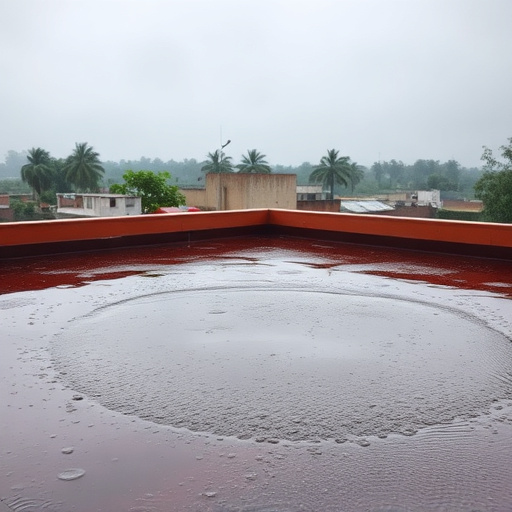
The monsoon season in Oro Valley brings both beauty and challenges, especially for your roof. As intense storms and flash flood runoff become more frequent, preparing your roof for these seasonal events is crucial to protect your home and avoid costly damage. This practical guide offers a detailed damage checklist and practical steps to fortify your roof against wind-driven rain, hail, flying debris, and other storm-related hazards. We'll explore the signs of hidden storm damage, the importance of securing loose tiles, and how to navigate the process of filing a storm damage insurance claim, ensuring your peace of mind and a swift recovery.
- Inspect for Damage: Flash Flood Runoff Risks
- Secure Roof Components: Protect Against Strong Winds
- Improve Drainage: Manage Runoff for Safe Roofs
- Prepare for Monsoon: Long-Term Roof Maintenance Tips
Inspect for Damage: Flash Flood Runoff Risks

Inspecting your roof for potential flash flood runoff risks is a crucial step in preparing for the next monsoon. Oro Valley, like many areas susceptible to intense storms, faces the unique challenge of flash floods, which can cause significant damage to homes and roofs. One of the most visible signs of a microburst's force is lifted shingles and broken tiles. These high-speed wind events can rip off roof coverings, exposing the underlayment and flashing to the elements.
After a storm, it's essential to photograph any visible damage for insurance claims and future reference. These photos can help in documenting the extent of the damage, including lifted shingles, broken tiles, or even storm-damaged flashing and parapets. A local roofing company serving Oro Valley, DC Roofing of Arizona, recommends taking pictures from multiple angles to capture all affected areas. This thorough documentation will not only aid in the insurance claim process but also serve as valuable records for future repairs or maintenance.
Another common issue after heavy rains is interior leaks, which can be challenging to pinpoint. Flash flood runoff can cause hidden damage, especially if gutters are blocked or missing. To mitigate this risk, ensure your gutters are cleaned and in good repair. Checking for loose tiles before the monsoon begins is vital. Securing these tiles can prevent them from becoming flying debris during intense storms, reducing the likelihood of damage to your roof or nearby structures.
Secure Roof Components: Protect Against Strong Winds
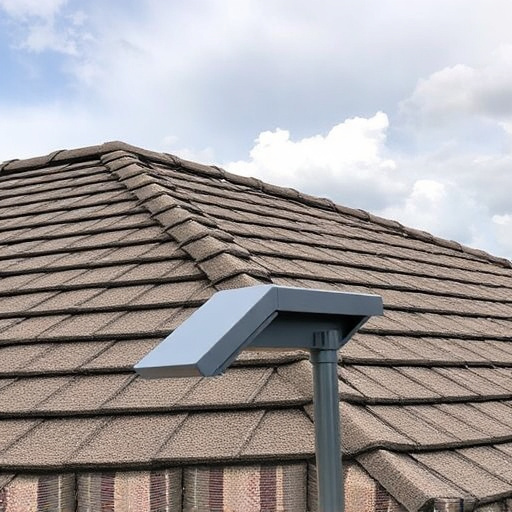
As the monsoon season approaches, securing your roof against the powerful winds and intense rainfall is paramount. Flash flood runoff and roofs can be significantly impacted by severe weather events, so taking proactive measures is crucial. Here's a detailed look at how to fortify your roof, focusing on protecting against wind damage.
One of the first steps is to ensure all roof components are securely fastened. This includes checking and tightening any loose shingles or tiles, which are particularly vulnerable to strong winds. Lifted shingles and broken tiles can expose the underlayment to damage, creating paths for water intrusion. A licensed roofer, like DC Roofing of Arizona, recommends inspecting your roof for any signs of wear and tear and replacing missing or damaged shingles before the monsoon begins.
Examine the condition of your scuppers, the small openings at the edge of the roof designed to direct water away from the foundation. Blocked scuppers can lead to water pooling, which may cause flash flood runoff issues. Regular cleaning and maintenance are essential to ensure they function properly. The underlayment, a crucial layer beneath the shingles, should also be in good condition. A qualified storm restoration expert can assess the underlayment for any tears or holes, which can be entry points for water during heavy rainfall.
When strong winds strike, improperly secured roof vents can become a significant concern. These vents are vital for maintaining proper airflow, preventing the build-up of harmful moisture in the attic. Make sure they are securely fastened and sealed to avoid damage and potential interior leaks after heavy rain. Remember, a local roofing company's expertise is invaluable when preparing for the next monsoon. They can provide a thorough inspection, offer tailored solutions, and ensure your roof is protected, giving you peace of mind during these unpredictable weather events.
Improve Drainage: Manage Runoff for Safe Roofs

Improving drainage and managing runoff are crucial steps in preparing your Oro Valley roof for the challenges of the monsoon season. Flash flood runoff and roofs can cause significant damage, from lifted shingles to interior ceiling stains. This is especially true in areas with poor drainage, like those near Pusch Ridge, where heavy rains can quickly turn into a flood.
One of the most effective ways to mitigate these risks is to ensure your roof's drainage system is in top condition. Start by inspecting your roof's gutters and downspouts. Clogged or damaged gutters can lead to water pooling, allowing it to erode the roof's underlayment and potentially cause structural damage. Regularly clear debris and consider installing leaf guards to prevent future blockages. DC Roofing of Arizona, a local roofing company serving Oro Valley, recommends staying proactive during the monsoon season.
Examine the slope of your roof and the surrounding landscape. Ensure that rainwater flows away from your structure and into designated drainage areas. In some cases, adding or adjusting roof vents can aid in draining excess moisture. However, be mindful of potential hidden storm damage; lifted shingles or damaged flashing might go unnoticed until interior leaks appear after heavy rain. Therefore, it's essential to have a professional perform a thorough assessment before the monsoon season begins, especially if your home has sustained previous storm damage. Regular maintenance and prompt repairs can save you from costly repairs and potential safety hazards like flash flood runoff.
Prepare for Monsoon: Long-Term Roof Maintenance Tips

As a local roofing company serving Oro Valley, we know that preparing your roof for the next monsoon is crucial to avoid costly and damaging surprises. The monsoons, while a welcome sight for many, bring intense weather conditions that can leave their mark on your home's roof. Wind-driven rain, microbursts, and even flash flood runoff can cause significant damage, from lifted shingles and broken tiles to interior leaks and storm-damaged flashing.
To safeguard your investment, consider these long-term maintenance tips. First, photographing your roof before the monsoon season is a smart practice. Documenting the condition of your roof allows you to track any changes and potentially save time and money during insurance claims. Keep a record of these photos, and compare them to future ones for easy reference. Regular inspections are key; look for loose or missing shingles, particularly in areas with higher wind exposure, like near Pusch Ridge. Securing these tiles before the monsoon can prevent them from becoming airborne debris, a common cause of wind damage.
Ensure that your roof's underlayment is in good condition. A damaged underlayment can lead to interior leaks and further complications. Regular maintenance also includes checking your gutters, as blocked gutters can contribute to flash flood runoff and potential roof damage. Heavy rain can wash away loose debris, revealing existing problems or creating new ones. Lastly, be wary of hidden storm damage. Some issues, like lifted shingles, may not be immediately visible, especially after a heavy storm. A local roofing expert can provide a thorough assessment, identifying potential problems that may need immediate attention to prevent secondary storms from exacerbating the damage.
Frequently Asked Questions About Seasonal Advice on Preparing a Roof for the Next Monsoon
What is the best time to prepare my roof for monsoon season?
The optimal time to get your roof ready for the monsoon is during the spring. This allows for any necessary repairs to be made, ensuring your roof is in optimal condition to withstand the intense rainfall and potential storms. Spring is also a quieter time for roofing contractors, making it easier to schedule and complete any work.
How do I inspect my roof for potential issues?
Regular visual inspections are crucial. Look for loose or damaged shingles, flashing issues, and any signs of water damage or mold growth. Accessing your roof safely is essential; if you're unsure, consider hiring a professional to conduct a thorough inspection. Keep an eye out for common issues like deteriorated seals, loose vents, or blocked gutters, as these can lead to water intrusion and further damage.
What materials are best suited for a monsoon-prone area?
For areas prone to intense monsoon rainfall, opt for high-quality, weather-resistant materials. Metal roofing, in particular, is an excellent choice due to its durability and ability to withstand strong winds and heavy rain. Clay or concrete tiles that are properly installed and sealed are also suitable options, offering excellent protection against the elements.
How can I ensure my gutters are ready for monsoon season?
Gutters play a vital role in directing rainwater away from your roof and home. Clean and inspect your gutters regularly, removing any debris or buildup. Ensure they are securely attached to the roof and house, and consider reinforcing them if necessary. Proper gutter maintenance prevents overflow, which can lead to roof damage and water intrusion.
Should I seal my roof before monsoon season?
Sealing your roof can provide an extra layer of protection against water penetration. Use a high-quality, weather-resistant sealant, especially in areas prone to intense monsoon rainfall. Apply the sealant to all seams, joints, and flashing to prevent leaks. However, ensure your roof is in good condition first; sealing a damaged roof may not be effective.
As the Oro Valley area prepares for the upcoming monsoon season, understanding how to protect your roof from potential flash flood runoff and winds is crucial. By inspecting for damage, securing roof components, improving drainage, and implementing long-term maintenance tips, homeowners can significantly reduce the risk of storm-related issues. Regular checks for lifted shingles, broken tiles, and storm-damaged flashing are essential, as well as securing loose tiles before monsoon begins. Effective drainage management and addressing storm-damaged gutters are key to preventing interior leaks after heavy rain. Remember, the first steps after a storm, like photographing damage and filing a storm damage insurance claim, are vital for efficient repairs. Considering the unique wind exposure near Pusch Ridge and the potential for hidden storm damage, homeowners should work with local, licensed professionals who specialize in storm restoration. These steps not only protect your roof but also offer peace of mind during uncertain weather conditions.
Protecting your Oro Valley roof against flash flood runoff and intense storms requires proactive measures. Key steps include:
- Inspection and Documentation: Regularly inspect your roof for loose or missing shingles, especially near wind-prone areas. Photograph any damage for insurance claims and future reference.
- Gutter Maintenance: Keep gutters clean and in good repair to prevent blockages, which can lead to water pooling and flash flood runoff.
- Secure Roof Components: Ensure all roof components, including shingles, tiles, and flashing, are securely fastened. Replace missing or damaged shingles before the monsoon.
- Vent Assessment: Check roof vents for proper sealing to prevent damage from strong winds and interior leaks.
- Regular Professional Assessments: Consult a local roofing expert for thorough inspections, especially in areas prone to severe weather like Pusch Ridge. Prompt repairs can prevent costly, secondary damage.