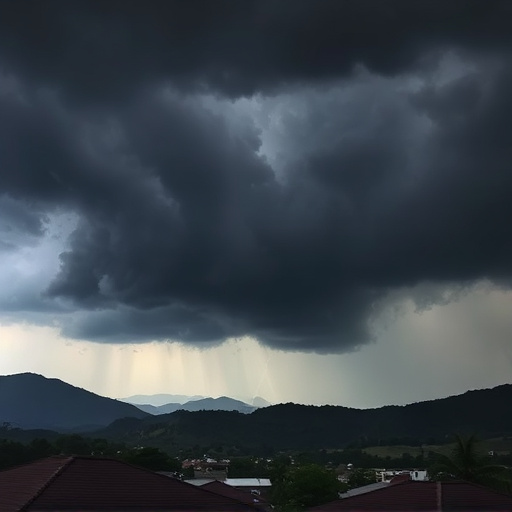
In the aftermath of a storm, many homeowners are left with a false sense of security, assuming their roofs have weathered the event unscathed. However, hidden storm damage can lurk, appearing weeks later in the form of leaky ceilings, granule-stripped shingles, or interior water damage. This insidious issue often goes unnoticed until it escalates, leading to costly repairs and unnecessary stress.
Our guide is designed to empower you, the homeowner, with the knowledge to spot this hidden damage, enabling prompt action and effective communication with your insurance provider. We'll walk you through the most common signs, from visual inspections to understanding the science behind storm damage, ensuring you're prepared to tackle any unexpected challenges that arise.
- Assessing Your Roof's Resilience: Post-Storm Checkup
- Delayed Signs: Common Storm Damage Revealed
- Identifying Subsurface Issues: Beyond the Obvious
- When to Call a Professional: Preventing Further Damage
Assessing Your Roof's Resilience: Post-Storm Checkup
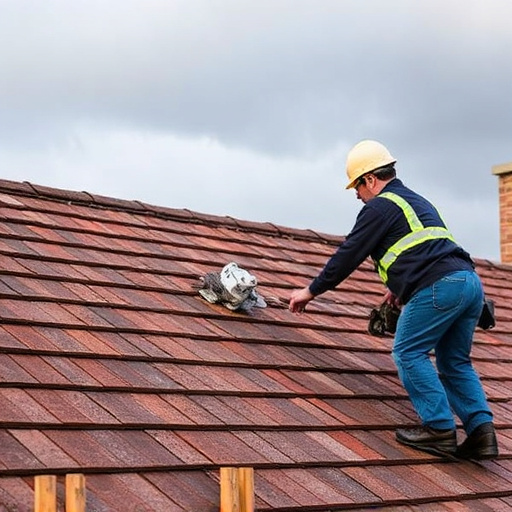
Post-storm assessment is a critical step in ensuring your Oro Valley roof is protected and in top condition, especially during the monsoon season. Hidden storm damage can often go unnoticed for weeks, even after apparent repairs. This is why a thorough checkup is essential, as it can reveal issues that may lead to further, more severe damage. Wind-driven rain, hail, microbursts, and haboobs are common during our area's stormy months, each presenting unique challenges to your roof.
When assessing your roof for post-storm damage, look for lifted or missing shingles, which could be a result of high-speed winds or debris impact. Broken tiles and flashing damage, often caused by flying debris, are also red flags. These issues might not be immediately visible from the ground, so use a pair of binoculars or climb up carefully to inspect the entire roof surface. DC Roofing of Arizona, a local roof expert, recommends securing loose tiles and materials before the next storm hits, as securing these areas can prevent further damage.
Interior leaks are another indicator of hidden storm damage. Flash flood runoff and lightning strikes can cause water to seep into your home through the roof, leading to mold and structural issues down the line. Check for stains or signs of water intrusion in your attic or crawl space, as these could point to damage to the underlayment or roof vents. Keep an eye out for damage to solar panels and skylights, which can be vulnerable to falling tree limbs and wind exposure near areas like Pusch Ridge. Regularly inspecting these areas can save you from costly repairs and provide peace of mind during the storm season.
Delayed Signs: Common Storm Damage Revealed
Delayed signs of storm damage can be subtle, often revealing themselves weeks or even months after the initial event. This is especially true for hidden storm damage that can manifest in various forms, from lifted shingles and broken tiles to interior leaks and damaged flashing. A heavy rain or monsoon season might not immediately cause a visible breach in your roof's integrity, but it could start a series of issues that, if left unchecked, could lead to severe structural damage.
One of the most common hidden storm damages is water intrusion through flashing, often located around chimneys, vents, and parapets. Flashing is a crucial component of roof protection, designed to seal the joints between materials and prevent water seepage. However, over time, flashing can become corroded, loose, or damaged during a storm, leading to interior leaks when the weather turns wet again. Proper photo documentation of your roof and parapets before and after a storm can be invaluable in identifying these subtle issues. Capturing images of the entire roof surface, including close-ups of flashing and other vulnerable areas, allows a roofer with an Arizona ROC license to compare the photos with the current state of your roof, enabling them to pinpoint problem areas that might not be immediately apparent.
Another often-overlooked sign of storm damage is the impact on your roof's underlayment. The underlayment acts as a secondary barrier against water intrusion, protecting the actual roof structure. Storms, especially those with heavy winds and flying debris, can rip or tear the underlayment, leaving it vulnerable to moisture. This damage might not be immediately visible from the ground, but once inside, water can cause significant interior damage and foster mold growth. Homeowners should be vigilant for signs of interior leaks after heavy rains, as these could indicate storm-related damage to the underlayment or flashing. Regular inspections and prompt estimates from reliable, licensed professionals can help mitigate these potential issues.
To structural elements, storm damage can also manifest in the form of roof vents, skylights, and solar panels. Wind-driven rain can seep into these openings, causing damage to the underlying materials and potentially leading to costly repairs. Tree limbs that fall during storms can also cause significant roof damage, tearing off shingles or tearing into the roof's surface. Homeowners in areas with high wind exposure, such as near Pusch Ridge, should be especially vigilant about these types of storm damage. By being proactive in checking for hidden storm damage and working with experienced professionals, homeowners can protect their properties and ensure peace of mind during and after severe weather events.
Identifying Subsurface Issues: Beyond the Obvious
While the immediate aftermath of a storm may reveal broken tiles and visible damage, hidden storm damage can lurk beneath the surface, often going unnoticed for weeks. This can include issues like flashing damage, loose shingles, and storm-related underlayment problems, all of which can compromise your roof's integrity if left unaddressed. As a property owner, understanding these potential subsurface issues is crucial for protecting your investment and ensuring timely repairs.
One of the most insidious forms of hidden storm damage is flashing failure. Flashing, the thin layer of material that seals the joints and openings in your roof, is often overlooked during initial inspections. High winds and flying debris can dislodge or puncture this protective barrier, leading to water intrusion and interior leaks long after the storm has passed. A microburst or a particularly powerful wind gust could lift shingles, exposing the flashing below, and leave it vulnerable to rust or deterioration. Similarly, heavy rain following a storm can cause flash flood runoff, putting additional pressure on flashing and increasing the risk of leaks.
Regular, thorough inspections are your first line of defense against hidden storm damage. After a storm, walk around your property and look for signs of loose tiles or shingles. If you notice any, don't delay-secure them before the next monsoon season. Also, keep an eye out for discolored or bubbling underlayment, which could indicate water damage or poor drainage. If you're unsure about any of these findings, reach out to a local roofing expert like DC Roofing of Arizona for a professional assessment. Remember, the deductible on your storm damage insurance claim might depend on the extent of these hidden issues, so early detection and repair can save you both time and money.
When to Call a Professional: Preventing Further Damage
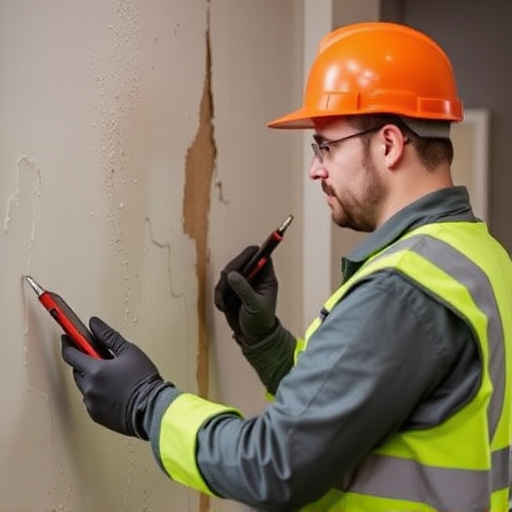
Many homeowners in Oro Valley and Marana may not realize that some storm damage can be subtle and may not be immediately apparent, leading to further complications if left unchecked. Hidden storm damage, such as weakened structures from a haboob or hailstorm, can manifest weeks or even months after the initial event. A roof that appeared fine after a monsoon could develop leaks due to damaged underlayment or lifted shingles. This is why it's crucial to know when to call a professional roof specialist for an accurate assessment and prevent more extensive damage.
If you suspect any of the following, don't delay: loose tiles or flashing, discolored or curled shingles, water stains on interior ceilings or walls, or increased noise during rain. These could be signs of hidden storm damage that requires immediate attention. A tree limb that fell during a storm could have left a gash in your roof, creating a vulnerable point for water intrusion. Ignoring these issues can lead to mold growth, structural weakness, and even more costly repairs.
An experienced Oro Valley roof specialist will perform a thorough inspection, looking for both visible and hidden damage. They can identify weak spots, assess the extent of the damage, and provide a detailed estimate for repairs. This proactive approach is essential to protect your investment and ensure the safety and integrity of your home. Remember, waiting too long after a storm can make repairs more complex and expensive. Stay vigilant, especially during the frequent storms in our area, and don't hesitate to reach out to a qualified professional if you notice any concerning signs.
Frequently Asked Questions About a guide to spotting hidden storm damage that shows up weeks later
What should I look for to determine if my roof has been damaged by a storm?
When assessing your roof for storm damage, look for missing or loose shingles, water stains on the ceiling or walls, and sagging or misaligned roof trusses. Also, check for signs of leaks, especially after heavy rainfall. A professional eye can often spot subtle issues, like cracks in shingles or damage to flashing, which may not be immediately apparent to homeowners.
How long after a storm should I inspect my roof?
While immediate inspection after a storm is ideal, waiting until a few days later is understandable. After the initial chaos subsides, look for any unusual signs. Some damage may not become apparent until days or even weeks after the event, as water seeps through and causes internal issues.
Can I spot storm damage on my own, or should I hire a professional?
While some basic storm damage signs are visible to the untrained eye, a thorough inspection requires expertise. A licensed roofer can identify hidden issues, assess the extent of damage, and provide accurate estimates for repairs. They have the tools and knowledge to safely access hard-to-reach areas and ensure your roof is repaired correctly.
What if I notice water damage inside my home, but can't find the source?
If you suspect water damage from storm damage but can't pinpoint the source, contact a professional. They can trace the water to its origin, whether from a leaky roof, clogged gutters, or a burst pipe. Addressing the issue promptly prevents further damage and mold growth.
How can I prevent storm damage to my roof in the future?
Regular maintenance, including cleaning gutters and inspecting shingles, can significantly reduce storm damage risk. Strengthening your roof with impact-resistant materials and reinforcing structures is also effective. Consider the local climate and potential storm severity when choosing roofing materials and design. A licensed contractor can provide guidance tailored to your area.
When assessing your home's resilience after a storm, don't overlook the signs of hidden storm damage that can manifest weeks later. This delayed damage, often subtle but significant, includes issues like interior leaks, flashed-out flashing, and weakened underlayment. By understanding these potential problems and incorporating a thorough post-storm checkup into your routine, you can catch issues early, prevent further damage, and save money on costly repairs. Regularly inspecting your roof and understanding the common indicators of hidden storm damage will empower you to take proactive measures, ensuring your home is protected not just from the initial storm but from the subsequent challenges that may arise.
Post-storm inspections in Oro Valley are crucial to uncover hidden damage, including lifted shingles, broken tiles, flashing issues, and interior leaks. Prompt action, like securing loose materials, prevents further damage. Look for water stains, particularly in attics and crawl spaces, and inspect solar panels and skylights for vulnerability. Regular, thorough inspections by a licensed roofer, like DC Roofing of Arizona, are vital to mitigate storm-related issues, save on repairs, and ensure peace of mind.