
In the face of the relentless Arizona monsoons, preparing your roof is no small task. Damage from wind-driven rain, hail, and even falling tree limbs can turn a storm into a roof owner's worst nightmare. The last thing you want is to be caught off guard by a second storm before repairs are complete. This guide offers a seasonal checklist for Oro Valley homeowners, designed to help you spot potential issues like lifted shingles, broken tiles, and storm-damaged flashing from the ground. We'll also explore how to secure loose tiles, protect against hidden storm damage, and navigate the process of filing a storm damage insurance claim, ensuring your roof is ready to withstand the next monsoon.
- Inspect for Weak Spots: Tree Limb Roof Damage Naturally
- Clear Debris, Assess Risk: Prepare for Monsoon
- Strengthen Roof Structure: Mitigate Damage Potential
- Post-Monsoon Maintenance: Repair and Protect Your Roof
Inspect for Weak Spots: Tree Limb Roof Damage Naturally
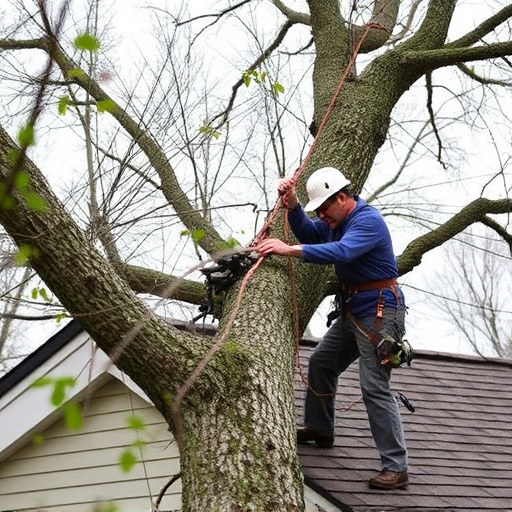
Inspecting your roof for potential weaknesses is a crucial step in preparing for the next monsoon season. One common issue that can arise during monsoon is tree limb roof damage naturally. Heavy winds and intense storms can cause tree limbs to break and fall, potentially striking and damaging your roof. Before the monsoon hits, take a thorough look at your roof's exterior to identify any weak spots, especially near trees. Check for loose or dead branches that could pose a risk during storms. Remember, even a minor impact from a tree limb can lead to significant water intrusion and further damage to your underlayment.
An experienced Oro Valley roof specialist recommends using this time to assess the overall condition of your roof. Look for any signs of aging, such as lifted shingles or broken tiles, which could indicate weak spots or areas prone to hail damage by roof type. Pay close attention to the roof's edges and corners, as these are common places for damage to occur. By identifying these weaknesses now, you can prioritize repairs and ensure your roof is in its best condition to withstand the upcoming monsoon.
To tree limb damage, be mindful of the impact of haboobs, intense dust storms common in the area. These storms can cause flying debris, further increasing the risk of damage to your roof and underlayment. When inspecting, keep an eye out for any signs of previous storms, such as interior leaks after heavy rain or flash flood runoff and roofs. Promptly addressing these issues will not only protect your home but also provide financial protection through storm damage insurance claims. Remember, early detection and repair can prevent secondary storms from causing further damage before the monsoon season ends.
Clear Debris, Assess Risk: Prepare for Monsoon
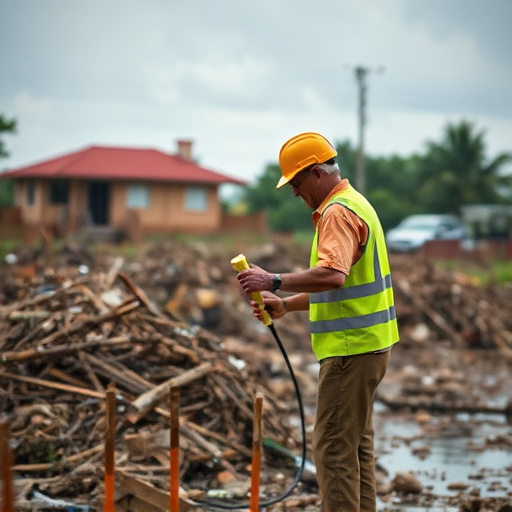
Before the monsoon season hits Oro Valley and Marana, it's crucial to clear debris from your roof and assess potential risks. This proactive approach can prevent significant damage from heavy winds, hail, and flash floods, all common during the monsoon. Tree limbs that have fallen or are hanging perilously close to your roof are a particular concern, as they can cause extensive damage, including broken tiles and lifted shingles.
A roofing contractor serving Oro Valley and Marana recommends the following: start by removing any tree limbs or branches that could pose a threat. Inspect your roof for any signs of damage from previous storms. Look for lifted or missing shingles, broken tiles, and exposed underlayment. These issues can lead to interior leaks, especially during heavy rain events. Also, check your gutters, as they can become clogged with debris, further exacerbating drainage problems. If you spot any hidden storm damage, such as flashing or parapet issues, it's best to involve a professional for a thorough assessment.
In areas prone to haboob winds, securing loose tiles and flashing before the monsoon is vital. These powerful winds can lift shingles and cause extensive damage, not to mention the risk of flying debris. A storm in Marana last year highlighted the importance of proper preparation, with many homes experiencing broken solar panels and damaged roof vents. By taking a proactive approach and addressing these issues, homeowners can protect their properties and avoid costly repairs.
Strengthen Roof Structure: Mitigate Damage Potential
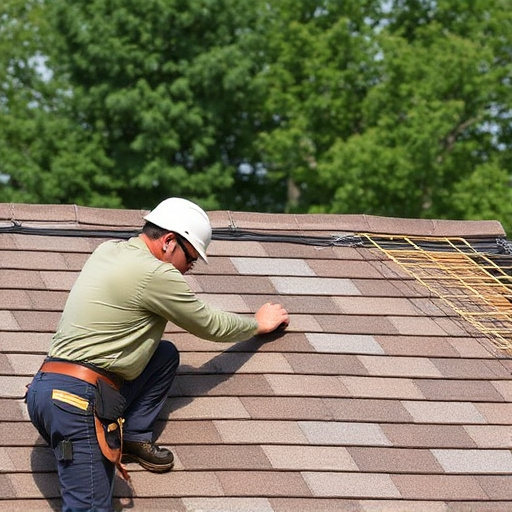
Preparing your roof for the next monsoon involves strengthening its structure to mitigate potential damage from high winds, heavy rain, and other storms. This is crucial, as the National Weather Service Tucson forecasts an increased risk of severe weather events during the monsoon season. One of the most common causes of roof damage in our area is tree limb roof damage, which can be prevented with proper preparation.
Start by inspecting your roof for any signs of weakness. Cracked tiles or lifted shingles are clear indicators of potential issues. If you notice any, it's best to address them promptly before the monsoon hits. A licensed Arizona roofer can help assess and secure these areas, ensuring they're able to withstand the elements. Check for damaged flashing and parapets, which can lead to interior leaks after heavy rain, causing unsightly ceiling stains. Addressing these issues before the first storm arrives can save you from costly repairs later.
Securing loose tiles and reinforcing the underlayment are essential steps in preparing your roof. This is especially true for areas with high wind exposure, such as near Pusch Ridge. By securing loose tiles, you reduce the risk of flying debris damage during a storm. Reinforcing the underlayment helps to hold the roof in place, preventing it from being lifted by strong winds, a phenomenon known as microburst damage. Securing your roof against potential tree limb damage can be as simple as trimming nearby trees to reduce the risk of broken branches landing on your roof.
Remember, early preparation is key. It's advisable to have your roof inspected and any necessary repairs completed before the second storm of the season. This proactive approach ensures your home is protected, giving you peace of mind during the monsoon.
Post-Monsoon Maintenance: Repair and Protect Your Roof
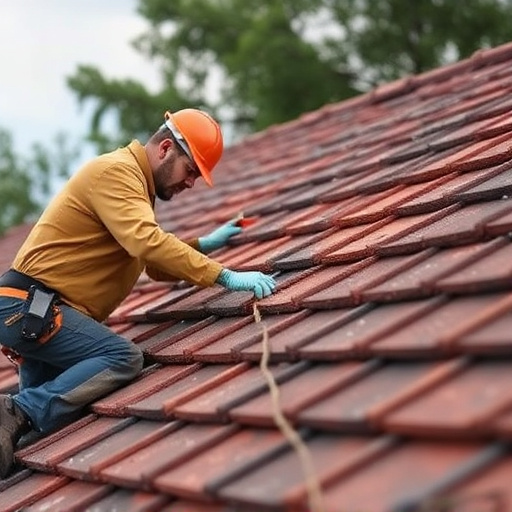
After the monsoon season, your roof may have endured significant stress from wind, hail, and heavy rain. To ensure your Oro Valley home remains protected, it's crucial to assess and repair any damage, preventing water intrusion and costly future issues. One common issue after storms is tree limb roof damage, which can be spotted from the ground during a thorough inspection. Look for broken or lifted shingles, missing tiles, and exposed flashing, all signs of potential problems.
The first step in post-monsoon maintenance is to secure any loose tiles or shingles before the next storm. This preventative measure not only protects your home from further damage but also provides peace of mind. DC Roofing of Arizona, a local expert in Oro Valley, recommends inspecting your roof for lifted shingles and broken tiles, which can be caused by strong winds or falling tree limbs. If you notice any, a licensed roofer should promptly secure them to avoid water penetration and interior leaks.
Once the immediate repairs are made, it's essential to address any hidden storm damage or storm damaged underlayment. Water intrusion can occur even if the exterior looks intact. Look for signs of mold or mildew in the attic or ceilings, which might indicate interior leaks after heavy rain. A professional, such as a certified storm expert from Oro Valley Storm Restoration, can perform a thorough assessment and identify any hidden damage. They can also provide a timely storm repair timeline, ensuring your roof is fully restored before the next monsoon season. Remember, prompt action is crucial; waiting until the second storm arrives could lead to more severe and costly repairs.
Frequently Asked Questions About Seasonal Advice on Preparing a Roof for the Next Monsoon
What is the best time of year to prepare my roof for monsoon season?
The ideal time to prepare your roof for monsoon season in Oro Valley is during the spring. This allows for ample time to inspect, repair, and install any necessary upgrades before the peak monsoon months. A licensed Oro Valley area roofing contractor like DC Roofing of Arizona recommends starting in March or April to ensure your roof is in optimal condition when the heavy rainfall and strong winds typically hit in July and August.
How do I know if my roof needs repairs before monsoon?
Regular seasonal maintenance is key to preventing monsoon-related damage. Inspect your roof for signs of wear and tear, such as missing or damaged shingles, flashing issues, or deteriorating gutters. Even a small repair, like securing loose shingles, can prevent significant issues during heavy monsoon rains. If you notice any of these problems, contact a local roofing specialist for an assessment.
What types of repairs should I prioritize before monsoon?
Focus on repairs that address leaks, drainage, and structural integrity. This includes sealing any gaps around vents and chimneys, repairing or replacing missing or damaged shingles, and ensuring gutters are clear and in good working order. These repairs directly mitigate potential water damage, leaks, and structural weaknesses that can be exacerbated by monsoon winds and rainfall.
Should I get a new roof before monsoon season?
While a new roof isn't always necessary, replacing an old or damaged roof before monsoon can save you from costly repairs down the line. A new roof can better withstand intense weather conditions, and it can also be a smart investment in the long term, considering the potential for water damage, leaks, and structural issues caused by old or failing shingles.
What about weatherproofing my roof for monsoon?
While weatherproofing can enhance your roof's durability, it's not a substitute for necessary repairs. Focus on repairing any existing issues first. After repairs are complete, consider applying a high-quality weatherproofing coating to shield your roof from the elements. This extra layer of protection can further reduce the risk of damage during monsoon.
Do I need a professional to prepare my roof for monsoon?
For the best results, it's highly recommended to hire a licensed and experienced Oro Valley roofer. They have the expertise and tools to identify potential issues, perform necessary repairs, and offer tailored solutions for your specific roof. A professional can ensure your roof is safe and protected during monsoon season.
As the Oro Valley area prepares for another monsoon season, understanding how to protect your roof from potential damage is crucial. By inspecting for weak spots, such as tree limb roof damage naturally occurring during storms, you can proactively identify and mitigate risks. Regularly clearing debris and assessing your roof's vulnerability is essential in preparing for the monsoon. Strengthening the roof structure through proper maintenance can significantly reduce the impact of wind-driven rain, lifted shingles, and other storm-related issues. After the monsoon, implementing post-storm maintenance practices, including repairing and protecting your roof, ensures longevity and prevents hidden storm damage. Following these key insights and practical next steps will help you secure your home's roof against the challenges of the upcoming monsoon season.
Protect Your Oro Valley Roof from Monsoon Season Damage
Before, during, and after the monsoon, proactive roof maintenance is key. Inspect for tree limb damage, a common issue, and address weak spots. Secure loose tiles and reinforce underlayment to mitigate wind and hail damage. After storms, inspect for broken or lifted shingles, exposed flashing, and signs of water intrusion. Promptly repair damage to prevent secondary storms from causing further harm. Regular maintenance ensures your roof is in its best condition to withstand the elements.