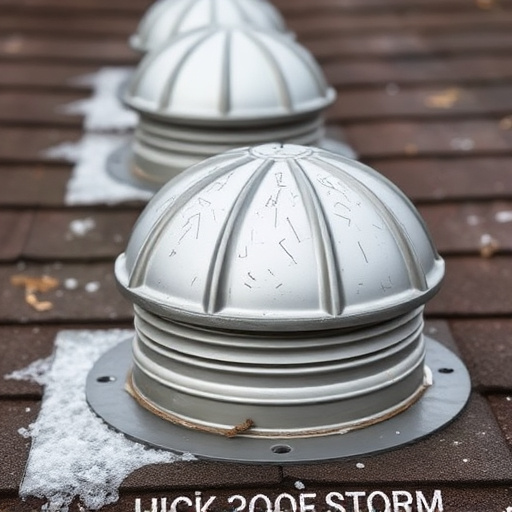
Oro Valley homeowners face a unique challenge during monsoon season: assessing roof damage from a storm. With powerful winds, intense rain, and potential hail, it's crucial to spot hidden storm damage early. Many times, the first indication of trouble is interior leaks or water stains on your ceiling after a heavy downpour. This guide is designed to empower you to effectively spot storm damage from the ground, understand common issues like lifted shingles, broken tiles, and flashing problems, and navigate the process of filing a storm damage insurance claim. We'll also offer tips on working with reputable local experts, like DC Roofing of Arizona, who can provide emergency repairs and secure your home's protection for future storms.
- Inspecting Your Roof After a Monsoon Storm
- Common Signs of Monsoon Storm Damage
- Safe Spoting Damage from the Ground
- When to Call a Professional Roofer
Inspecting Your Roof After a Monsoon Storm

After a monsoon storm, many Oro Valley homeowners turn to the ground for a crucial first look at their roof's health. While a thorough inspection involves climbing up and closely examining the entire structure, you can spot significant damage from below. Look for broken tiles or lifted shingles, the most visible signs of wind-driven rain's assault. These can be telltale indicators of more severe issues, like compromised underlayment or flashing. A heavy storm could lift shingles, exposing the underlayment to further damage from the next storm or even simple wear and tear.
Ceiling stains are another ground-level signal that something might be amiss. Water intrusion can leave discolored patches on your ceiling, often indicating a leak in the roof's system. This is particularly concerning as it could signal storm damage to roof vents, gutters, or even solar panels, which can lead to secondary issues like flash flood runoff or interior leaks. If you notice these stains, it's crucial to photograph the damage and contact a licensed roofer serving Oro Valley and Marana for a prompt assessment.
While some storm damage might be immediately apparent, hidden issues could lurk. Lightning strikes, microbursts, or tree limb impact can cause subtle yet critical damage, such as lifted flashing or torn parapets. These can compromise the roof's integrity, making a thorough, up-close inspection essential. A roofing contractor with expertise in storm restoration will know to look for these hidden threats, ensuring your home is protected for the next storm.
Common Signs of Monsoon Storm Damage
Oro Valley homeowners face a unique set of roofing challenges during the monsoon season. As the intense rains, strong winds, and occasional hailstorms can cause significant damage, it's crucial to know the common signs of monsoon storm damage. By understanding these indicators, you can take immediate steps to protect your home and ensure thorough repairs, especially if you're considering a claim with your insurance provider.
One of the most visible signs is damaged or missing shingles, which can be spotted from the ground. During a storm, the force of wind and the impact of hail can lift and tear off shingles, leaving behind exposed underlayment. This is especially true for older roofs or those with weaker materials. Another critical area to inspect is the roof's edge, where scuppers (the channels that direct water away from the roof) can become blocked or damaged, leading to water leakage and potential interior stains. Flash floods and heavy runoff from intense monsoon rains can also cause problems, particularly if your home is situated near areas prone to flash flooding, like Pusch Ridge.
The underlayment, a crucial layer beneath the shingles, is another weak point. Exposure to the elements during a storm can cause it to deteriorate over time, making it more susceptible to damage. A licensed Oro Valley area roofing contractor recommends checking for loose or curled underlayment, which could indicate water intrusion. Storm-related debris, such as tree limbs, can cause significant roof damage, leaving behind visible holes or missing sections. If you notice these or other signs, it's essential to photograph the damage for insurance claims and contact professionals for a thorough assessment and prompt repairs, especially to avoid hidden storm damage that could lead to further complications.
Safe Spoting Damage from the Ground

Spoting storm damage from the ground is a crucial step for Oro Valley homeowners after a monsoon storm. Not only does it help you identify immediate safety hazards, but it also provides valuable information for your insurance claim and future repairs. Look for signs of a microburst, a localized, powerful column of intense wind and hail that can cause significant damage. Check for loose or missing shingles, which might signal a lifted roof, and look closely at your gutters and downspouts-blockages or damage to these areas could lead to interior leaks once the storm has passed. Scuppers, the openings in your roof's edge designed to channel water away, should be free of debris and damage.
Focus on areas that are most vulnerable to wind exposure, such as peaks and valleys in your roof, especially near Pusch Ridge. Look for signs of hidden damage, like discolored or warped materials, which might indicate storm-related internal stress. If you notice any tree limbs touching or hanging from your roof, consider it a potential risk-heavy winds could dislodge them, causing further damage. Remember, the goal is to document as much as possible from the ground. This not only aids in immediate safety but also serves as a comprehensive record for your insurance claim and future reference.
An experienced Oro Valley roof specialist advises taking detailed notes, including photos, of any visible damage. This documentation is invaluable when dealing with insurance companies, especially when filing a claim for storm damage in Marana. By providing concrete evidence of the storm's impact, you can expedite the claims process and ensure you receive the necessary repairs for your home. Remember, early action is key-waiting until after a second storm hits could complicate the repair process and extend the timeline for your roof's full restoration.
When to Call a Professional Roofer

After a monsoon storm, many Oro Valley homeowners find themselves assessing potential roof damage. While a quick visual inspection is a good first step, spotting damage from the ground is crucial, especially for hidden issues. Even a seemingly calm storm can cause significant roof wear and tear, including lifted shingles, broken tiles, and damage to underlayment.
A strong wind near Pusch Ridge can create extreme wind exposure, leading to more severe damage. Lightning strikes, flash flood runoff, and even tree limbs can also cause extensive roof damage. Homeowners should look for ceiling stains, interior leaks after heavy rain, or storm-related damage to gutters and roof vents. If you notice any of these issues, it's time to call a professional.
The decision to hire a roofer isn't always straightforward. While some damage may be obvious, hidden storm damage can go unnoticed for days or even weeks. A licensed Oro Valley area roofing contractor can conduct a thorough inspection, identifying issues like lifted shingles, ceiling stains, or storm-damaged flashing and parapets. They can also assess the overall health of your roof and provide a detailed estimate for repairs, protecting you from unexpected costs.
Remember, waiting too long to address storm damage can lead to further complications. Prompt action not only secures your home but also ensures peace of mind during these unpredictable weather events. Whether it's a microburst, hail, or flying debris, a professional roofer can help with the first steps after a storm, from securing loose tiles before the next monsoon to handling a storm damage insurance claim with your HOA.
Frequently Asked Questions About a guide for Oro Valley homeowners on assessing roof damage after a monsoon storm
What are the most common signs of roof damage after a monsoon storm? After a monsoon storm, inspect your roof for missing or damaged shingles, flashing, or gutters. Look for water stains, pealing paint, or discolored areas. The intense heat, strong winds, and heavy rain can cause significant wear and tear, making these the most pressing issues to check.
How soon after the storm should I check my roof? It's crucial to assess your roof as soon as possible after a storm, ideally within 24 hours. This allows you to identify and address any issues before they escalate, preventing further damage and potential interior water damage.
What should I do if I find damaged shingles? If you discover damaged or missing shingles, contact a licensed Oro Valley roofer like DC Roofing of Arizona for a repair estimate. They can replace the shingles and ensure the rest of your roof remains secure. Regularly inspecting and replacing worn shingles is key to maintaining your roof's integrity.
Will my insurance cover the repair costs? Many insurance policies cover storm damage repairs, but the specifics depend on your policy and the extent of the damage. Document the damage with photos, and contact your insurance provider to understand your coverage. A local insurance agent or roofer can also help you navigate the claims process.
What about damage to the roof's flashing or gutters? Failing flashing and gutters can lead to significant water damage, so they're crucial to inspect. If these components are damaged, a professional roofer can repair or replace them to prevent future leaks and water intrusion.
How can I protect my roof from future storm damage? Regular maintenance, including cleaning gutters and replacing worn shingles, can significantly reduce the risk of storm damage. Consider securing your roof with hurricane ties or other reinforcement methods recommended by a local roofing expert.
After navigating a monsoon storm, Oro Valley homeowners should emerge with a clear understanding of their roof's health. By learning to identify common signs of damage, such as lifted shingles, broken tiles, and interior leaks, you can take immediate action. Safe spotting damage from the ground, with an eye for tree limb impact and wind exposure near Pusch Ridge, allows for swift decision-making. Recognizing the importance of documenting with photographs, you'll be better equipped to file a storm damage insurance claim, potentially including for solar panels, skylights, and gutters.
Knowing when to call a professional roofer, whether for microburst repair, securing loose tiles before the next monsoon, or assessing storm damaged underlayment, is crucial. Following these guidelines can ensure your roof is protected, hidden damage is uncovered, and repairs are managed efficiently within storm repair timelines. This proactive approach, backed by local experts and associations, offers peace of mind and financial protection during these challenging times.
After monsoon storms, Oro Valley homeowners should inspect their roofs from the ground for visible signs of damage, including broken tiles, lifted shingles, and ceiling stains. Hidden threats like microbursts, lightning strikes, and tree limb impact require a licensed roofer's expertise. Key inspection areas include roof edges, underlayment, and gutters. Prompt documentation and professional assessment are crucial for insurance claims and ensuring the roof's long-term health. Don't delay repairs to avoid secondary damage and potential flash flood risks.