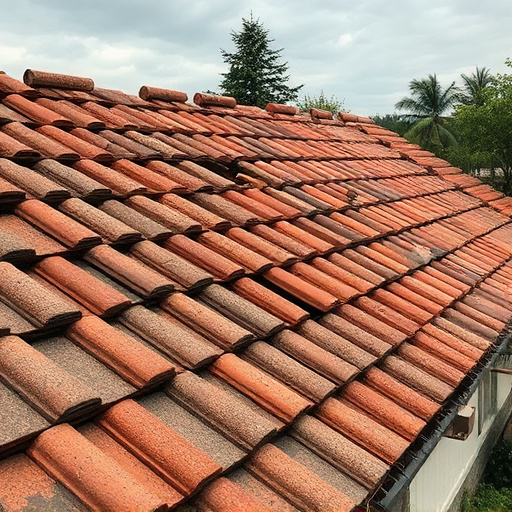
Oro Valley homeowners face a unique challenge during monsoon seasons, as intense storms and flash flood runoff can cause significant roof damage. Identifying and assessing this damage promptly is crucial to prevent further complications, from interior leaks to structural instability. This guide, tailored to Oro Valley residents, equips you with the knowledge to conduct a thorough post-storm inspection. We'll walk you through the steps to identify common issues like lifted shingles, broken tiles, and storm-damaged underlayment. By understanding the potential hazards, you can make informed decisions, protect your home, and navigate the storm damage insurance claim process with confidence, ensuring your roof is secure before the next storm hits, especially near areas prone to flash flood runoff like Pusch Ridge.
- Assess Roof Damage After a Monsoon Storm
- Understand Flash Flood Runoff Impacts
- Inspect for Signs of Natural Wear
- Document and Contact Your Contractor
Assess Roof Damage After a Monsoon Storm

After a monsoon storm hits Oro Valley, assessing roof damage is crucial to ensure your home's safety and prevent further issues, like interior leaks from flash flood runoff and roofs. Start by examining your roof for visible signs of damage, such as lifted shingles, broken tiles, or missing flashings. Wind-driven rain can cause tile leaks, while microbursts may result in significant roof damage. Look for any signs of water intrusion from the exterior and check for dampness or mold inside, which could indicate interior leaks.
Documenting the damage with clear, dated photographs is essential for insurance claims. Note the extent of the damage, including the number of loose or missing shingles, the size and severity of hail, and any visible wind damage to the roof structure. Keep track of when the damage was discovered and any subsequent storms that may have exacerbated it. This timeline is valuable information for insurance adjusters and roofers. Remember, an Arizona ROC-licensed professional, such as a roofing contractor serving Oro Valley and Marana, can provide accurate inspections and assessments, ensuring your claim is accurate and comprehensive.
Before the next monsoon season, take proactive steps to protect your roof. Secure any loose tiles and check the underlayment for damage. Inspect your roof vents, skylights, and solar panels for any signs of storm damage. Also, assess the gutters and downspouts, as heavy rain and flash flood runoff can cause them to become blocked or damaged, leading to water pooling around your home. If you notice any hidden damage, like flashing or parapet issues, from the ground, it's wise to contact a professional to avoid further complications. These detailed steps and considerations will help you navigate the aftermath of a storm and ensure your roof is secure and your home protected.
Understand Flash Flood Runoff Impacts
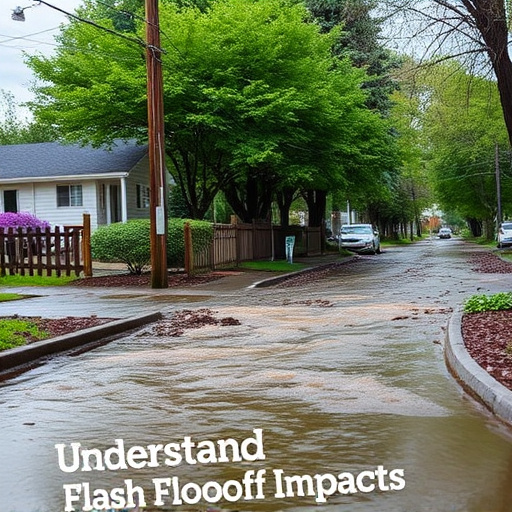
Oro Valley homeowners face a unique set of challenges when assessing roof damage after a monsoon storm. One critical aspect often overlooked is the impact of flash flood runoff on roofs. While heavy rain and strong winds from these storms cause immediate damage, the subsequent flash flood runoff can exacerbate the situation, leading to secondary issues that may not be immediately apparent.
Flash flood runoff can cause significant strain on roofing systems, especially in areas with poor drainage or where the roof's slope is shallow. As water cascades down, it can erode the soil beneath the foundation, putting additional pressure on the structure. This is particularly concerning in Oro Valley, where some properties are situated on sloping terrain, making them more vulnerable to the effects of flash flood runoff. A microburst-a sudden, localized, powerful downburst of wind-can strip shingles and damage tiles, leaving the roof exposed to the full force of the storm's aftermath.
When assessing the damage, homeowners should look for signs of water intrusion, especially around the gutters and downspouts. Interior leaks after heavy rain are a common indication that flash flood runoff has compromised the roof's integrity. An experienced Oro Valley roof specialist recommends taking photographs of the damage, both from the ground and the air, to document the extent of the problem. This visual record is invaluable when filing a storm damage insurance claim, ensuring that all aspects of the damage are accounted for. Be wary of hidden storm damage, as water can seep into hard-to-reach areas, such as under the underlayment, causing future structural issues if not addressed promptly.
To mitigate the risks associated with flash flood runoff and roofs, homeowners should take proactive measures. Securing loose tiles and reinforcing the roof before the monsoon season can help prevent damage. Working with a reputable, licensed, and insured roofer who understands the local conditions and potential hazards can make all the difference. Avoid engaging with storm chasers, as their rushed and often subpar work can lead to further complications. Instead, opt for a local roofing company serving Oro Valley and Marana, like DC Roofing of Arizona, which is equipped to handle the unique challenges posed by monsoon storms and their aftermath.
Inspect for Signs of Natural Wear

Inspecting your roof for signs of natural wear after a monsoon storm is a crucial step in assessing potential damage and protecting your property. Oro Valley homeowners should be vigilant, as these powerful storms can leave behind subtle yet significant issues. One of the most common and often overlooked consequences of heavy rainfall and strong winds is flash flood runoff, which can cause significant strain on your roof and its components.
Start by examining the exterior of your home, particularly the areas around gutters, downspouts, and the roofline. Look for signs of water damage, such as discolored or peeling paint, warped or bulging shingles, or any visible leaks. These could indicate that flash flood runoff has overwhelmed your drainage system, leading to water pooling on your roof. If you notice water stains on the attic or ceilings, it might suggest interior leaks caused by inadequate drainage or a damaged roof underlayment. Keep an eye out for loose or missing shingles, as these can be a result of high winds, debris impact, or lifted by the intense monsoon conditions, especially near areas with significant wind exposure like Pusch Ridge.
When assessing the overall health of your roof, consider the unique challenges posed by various weather events. Hail, for instance, can range in size and intensity, with larger hailstorms posing a significant risk to all roof types. The impact of hail can lead to damaged shingles, flashing, and even solar panels. Similarly, lightning strikes during storms can cause localized damage, so be on the lookout for charred or burnt-looking areas on your roof or in the gutters. If you suspect any hidden damage, such as a second storm before the repairs have set in, or if you're unsure about the extent of the damage, it's advisable to contact a reputable insurance adjuster or a local roofing contractor like DC Roofing of Arizona. They can provide a thorough assessment and guide you through the insurance claim process, ensuring you're protected against unexpected costs.
Document and Contact Your Contractor

After a monsoon storm hits Oro Valley, Marana, or the surrounding areas, the first step for any homeowner is to assess the damage, especially to the roof. This is crucial, not just for insurance claims but also to prevent further issues like interior leaks, flash flood runoff, or even more severe damage from a second storm before repairs are completed.
Documenting the damage is essential. Take clear, detailed photographs of the lifted shingles, broken tiles, and any visible signs of water intrusion. These serve as crucial evidence for insurance claims. Keep notes on the areas most affected, including the roof vents, skylights, and solar panels, which are particularly vulnerable to storm damage. A haboob or microburst can easily lift shingles and cause extensive damage. If there's significant tree limb damage, document that too, as it may require separate claims or repairs.
Once the damage is documented, contact a reputable local roofing contractor, such as DC Roofing of Arizona, for an expert assessment. They can provide a thorough inspection, identifying any hidden storm damage and damaged underlayment. Many contractors offer 24/7 services for leak repairs, which are crucial to prevent further interior damage from flash flood runoff. A licensed and insured professional can also advise on the timeline for repairs, which can vary depending on the severity of the storm and the current workload of the contractor.
Remember, timely action is key. Avoid storm chaser roofers who may promise quick fixes but lack the expertise. Instead, opt for a local expert who understands the unique challenges of Oro Valley's roofing, including wind exposure near Pusch Ridge and the potential for lightning damage. Securing loose tiles before the next monsoon season can prevent further damage. If your initial assessment reveals significant damage, don't hesitate to involve a public adjuster to help navigate complex insurance claims, especially for hidden storm damage or second-storm repairs.
Frequently Asked Questions About a guide for Oro Valley homeowners on assessing roof damage after a monsoon storm
What is the best way to assess roof damage after a monsoon storm?
After a storm, safety should be your top priority. Begin by inspecting your roof from a safe distance, looking for visible signs of damage like missing or loose shingles, leaks, or structural deformities. Document any concerns with photos for insurance claims. If you notice significant damage or are unsure, contact a licensed Oro Valley area roofing contractor like DC Roofing of Arizona for a professional assessment.
How do I know if my roof needs immediate attention?
Immediate attention is required if you spot any of the following: water leaks, large or multiple missing shingles, damaged or bent gutters, or signs of structural compromise like cracks in the roof deck. These issues can compromise your home's integrity and safety, necessitating swift action.
What documentation do I need to file an insurance claim for roof damage?
Gather all relevant documentation, including your home insurance policy, recent photos of the damage, and any correspondence with your insurance company. Keep detailed records of repairs or replacements, as well as receipts. Contact your insurance provider promptly to report the damage and understand the claims process.
How long do I have to file a claim for roof damage after a monsoon storm?
Check your home insurance policy for the specific time frame, as policies vary. However, generally, you should file a claim as soon as possible, ideally within a few days of the storm to ensure the best chance of a swift resolution.
What if my insurance company denies my claim for roof damage?
If your claim is denied, carefully review your policy and the reasons given by your insurance company. You may be able to appeal the decision or gather additional documentation to support your claim. If you believe the denial is incorrect, consult with a licensed insurance agent or an attorney specializing in insurance claims.
Can I repair minor roof damage myself, or do I need a professional?
For minor issues like a single missing shingle or a small leak, you may be able to repair the damage yourself. However, for more significant damage, such as structural repairs or replacing sections of roofing, it's best to hire a licensed roofer like a local Oro Valley specialist. They have the expertise and equipment to ensure the work is done correctly and safely.
After a monsoon storm, Oro Valley homeowners must carefully assess their roof for damage. Flash flood runoff and roofs can cause subtle yet significant issues, so it's crucial to understand how to spot them. Regular inspection for signs of natural wear, such as lifted shingles or broken tiles, can help catch problems early. Documenting damage and contacting your contractor promptly ensures efficient repairs. By following these steps, homeowners can protect their investment, rest assured their homes are safe, and avoid the stress of dealing with hidden storm damage. Remember, the key to successful storm recovery is proactive, thorough assessment and communication with reliable, licensed professionals.
Summary:
After a monsoon storm in Oro Valley, Marana, or surrounding areas, homeowners must assess roof damage to protect their property and claim insurance benefits. Key steps include:
- Visual Inspection: Look for lifted shingles, broken tiles, water intrusion, and mold to identify immediate and potential secondary damage, like flash flood runoff.
- Document Damage: Take clear photos of the roof and surrounding areas, noting the extent of damage, to support insurance claims.
- Expert Assessment: Contact a licensed, local roofing contractor, like DC Roofing of Arizona, for professional evaluation and repair advice.
- Proactive Measures: Secure loose tiles, reinforce the roof, and inspect gutters, downspouts, and other vulnerabilities before the next storm.
- Navigate Claims: Work with a public adjuster if damage is extensive or hidden, ensuring your claim is comprehensive and accurate.