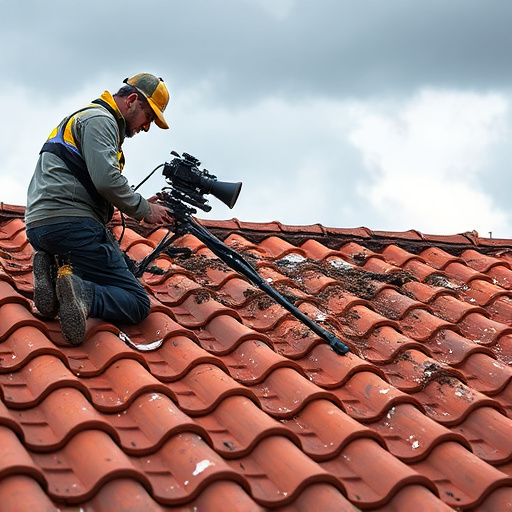
Storm damage from monsoon, microbursts, and severe weather can be devastating for Oro Valley homeowners. Documenting this damage accurately before repairs begin is crucial for ensuring you're fully compensated by your insurance, avoiding unfair charges from untrustworthy "storm chaser" roofers, and securing your home's long-term protection. This guide provides expert advice on creating a comprehensive storm damage checklist, enabling you to make informed decisions and navigate the claims process with confidence. We'll explore best practices for photographing damage, assessing hidden issues, and understanding your rights as a homeowner, empowering you to protect your investment through every step of the storm recovery process.
- Assessing Storm Damage: Your First Steps
- Photodocumenting: Capture the Evidence
- Avoid Storm Chasers: Tips for Homeowners
- Working with Reputable Contractors Locally
Assessing Storm Damage: Your First Steps
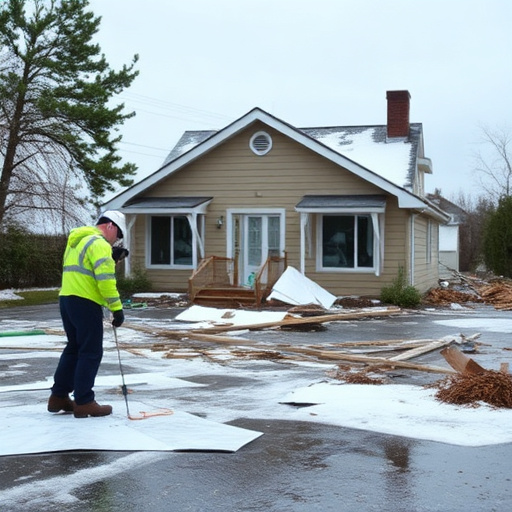
When a storm hits, the last thing on your mind is meticulous documentation. Yet, recording the damage is crucial, especially to avoid scams and ensure thorough repairs. Think of it as your first line of defense against "storm chaser" roofers who may take advantage of your vulnerable situation.
Your first steps after a storm should focus on safety and securing your property. Once you've ensured everyone's safety, start by walking your roof and property line. Look for lifted shingles, broken tiles, or missing flashing-damage visible from the ground is often easier to spot. Document these findings with clear, detailed photos, noting the date, time, and specific location of each issue. Remember, your insurance claim will require concrete evidence, so be thorough.
Next, inspect your parapet walls, the vertical structures at the edge of your roof. Storms can cause these to become loose or damaged, creating entry points for water and further complications. Check for cracks, bulges, or signs of water penetration. A licensed Arizona roofer, especially one with an Arizona ROC license, can provide expert guidance on the extent of the damage and recommended repairs. If you suspect storm damage from a microburst, a professional can assess the specific type of damage and offer solutions tailored to this intense phenomenon.
Finally, don't overlook potential hidden damage. Flash flood runoff, tree limbs impaling your roof, or even hail size can lead to interior leaks and structural problems over time. Look for water stains on ceilings, walls, or around windows-these could indicate interior leaks caused by storm-related exterior damage. Remember, your insurance company will likely require a detailed storm damage assessment before approving claims, so documenting everything from the start is vital. In Marana, as in Oro Valley, a proactive approach to storm damage documentation can save you time, money, and headaches.
Photodocumenting: Capture the Evidence

Photodocumenting storm damage is a crucial step before repairs begin. As a property owner, capturing clear and detailed images of the affected areas can significantly aid in your insurance claim process and ensure you receive accurate compensation for the necessary repairs. This is especially important in Oro Valley, where severe weather events, including monsoons and microbursts, can cause substantial damage.
When assessing your property, look for lifted shingles, broken tiles, and any signs of hidden damage. Interior leaks after heavy rain may indicate a problem that isn't immediately visible from the ground. Check for storm-damaged flashing and parapets, as well as tree limb impact on the roof. In Marana, where wind exposure near Pusch Ridge can be intense, securing loose tiles before the monsoon season is a proactive step many homeowners take. A local roofing company serving Oro Valley can provide expert guidance on these matters.
Your photos should include wide-angle shots of the entire roof, close-ups of damaged areas, and any visible evidence of hail size or flying debris impact. Don't forget to document the underlayment-its condition is vital to assessing the extent of the damage. If the underlayment is torn or water-soaked, it may need to be replaced. Take photos of the damaged gutters and roof vents, as these are often overlooked but crucial components of a roof's defense against storms.
Remember, the goal is to create a comprehensive visual record that can help avoid conflicts with insurance companies and the temptation to hire storm chaser roofers. A well-documented damage checklist ensures that your repairs are handled efficiently and correctly, protecting your investment and offering peace of mind during challenging times.
Avoid Storm Chasers: Tips for Homeowners
When severe weather hits, it's easy to be caught off guard, especially if you're facing a storm as powerful as a monsoon, microburst, or haboob. As a homeowner, you might be tempted to hire the first roofer who knocks on your door after a storm, but it's crucial to avoid storm chasers. These unvetted contractors can cause more harm than good, leading to subpar repairs and a higher deductible on your insurance claim.
Instead, take control of the situation by documenting the storm damage accurately. Start by assessing your roof for visible signs of damage, such as lifted shingles, broken tiles, or hail pitting. Check for interior leaks after heavy rain, looking for water stains on ceilings or walls. Don't forget to inspect the flashing, parapets, and gutters, as these areas are vulnerable to storm damage. Take detailed notes and, if possible, take photographs of the damage. This documentation is invaluable when filing a storm damage insurance claim.
Prioritize securing loose tiles and shingles before the next monsoon or storm. Check the underlayment for any tears or damage, as this layer protects your roof from water intrusion. If you spot significant damage, reach out to a local roofing company serving Oro Valley for a thorough assessment. Avoid the temptation to wait for the storm chasers; instead, contact a reputable, certified storm expert who can provide prompt estimates and swift repairs. Remember, proper documentation and early action can ensure a smoother insurance claim process and reduce the likelihood of hidden storm damage that could lead to costly future repairs.
Working with Reputable Contractors Locally

When facing storm damage, the first step is to ensure your safety and secure your property. Working with a reputable local contractor is crucial, especially in areas like Oro Valley, Marana, and the surrounding region, where severe weather events can be frequent. One common pitfall to avoid is engaging the services of "storm chaser" roofers-unlicensed, often fly-by-night operators who may promise swift action but deliver subpar work and leave you vulnerable to further damage.
To start, look for a licensed and insured roofer with a proven track record in your area. The best way to protect yourself from storm chasers is to reach out to a trusted expert-an experienced Oro Valley roof specialist-who can provide a thorough assessment. This local specialist will not only document the damage but also offer genuine advice tailored to your specific situation. They will inspect your roof for hail damage, lifted shingles, broken tiles, and storm-related flashing or parapet issues. Severe hailstorms can leave behind a trail of destruction, and a professional inspection will help you understand the full extent of the damage, especially when comparing it to the typical size of hail in your area.
Before repairs begin, take time to document the storm damage. This involves photographing the affected areas, noting any interior leaks, and assessing the condition of your gutters and roof vents. Keep detailed records, as these will be invaluable when filing a storm damage insurance claim. Remember, a timely and accurate claim can speed up your repairs, especially if you're dealing with a second storm before the first set of repairs is complete. The contractor should also check for hidden damage, such as storm-related underlayment issues, which can be difficult to spot but have significant implications for your roof's longevity.
Frequently Asked Questions About advice on documenting storm damage before repairs begin
What is the importance of documenting storm damage?
Documenting storm damage is crucial for several reasons. It provides a clear record of the destruction caused by storms, which is essential for insurance claims. Detailed documentation assists contractors in understanding the scope of repairs, ensuring a thorough and accurate job. It protects both homeowners and contractors by establishing a timeline of events and the condition of the property before repairs begin.
When should I start documenting storm damage?
As soon as possible after a storm. Safety should be your top priority; wait until it's secure to enter the affected areas. Once safe, take photos or videos of the damage, noting specific details like fallen branches, shattered windows, or leaking roofs. Keep a log of all observations, including the date, time, and a description of each issue. This immediate documentation can greatly facilitate the claims process.
What kind of information should I include in my storm damage documentation?
Focus on capturing visual evidence, such as photos and videos, of every damaged area. Include close-ups of individual items or sections showing the most severe damage. Record relevant details like the location of the damage, the extent of the destruction (e.g., square footage), and any safety hazards present. Keep notes on temporary repairs made to ensure coverage during the waiting period for permanent fixes.
How can I ensure my documentation is useful for insurance claims?
Make your documentation clear, concise, and well-organized. Use consistent labeling and categorization for ease of reference. Include dates, times, and descriptions for each piece of evidence. Organize your photos and videos chronologically, showing the progression of damage. Keep copies of all documents and store them securely, preferably in a cloud-based system, to ensure accessibility and backup.
Who can help me assess and document the storm damage?
They have the expertise and equipment to inspect your property safely and thoroughly. These professionals can also guide you through the insurance claims process, ensuring your documentation aligns with the requirements of your policy. Engaging their services can speed up the repairs and reduce potential disputes.
What if I'm unsure about the extent of the damage?
If you're unsure, err on the side of documenting more rather than less. It's better to have a comprehensive record than miss potential issues. You can always refine and update your documentation as you learn more. If damage is extensive, consider hiring a professional to assess the situation. They can provide a detailed report, which can be invaluable when dealing with insurance companies.
Can I use my home insurance to cover the documentation process?
While insurance policies vary, many do cover the costs associated with documenting storm damage. This coverage can include expenses for professional assessments, photography, and even temporary repairs to ensure safety and prevent further damage. Review your policy to understand what's covered, and don't hesitate to reach out to your insurance provider for clarification if needed.
After facing the chaos of a storm, the process of documenting and repairing your Oro Valley roof can seem daunting. This article has provided a comprehensive, actionable guide to navigate this challenging time, emphasizing the importance of preparation and informed decisions. By documenting storm damage through photographs, understanding your insurance claim process, and carefully selecting local, reputable contractors, you can ensure your home's protection.
The key takeaways are clear: capture evidence thoroughly, avoid the allure of storm chaser roofers, and prioritize reputable, licensed professionals. Remember, the initial steps you take-assessing damage, securing loose tiles, and protecting against secondary storms-are crucial for a successful recovery. With this knowledge, you're equipped to safeguard your property and make informed choices during the repair process.
When severe weather strikes, document storm damage meticulously to avoid scams and ensure thorough repairs. Check for lifted shingles, broken tiles, hidden damage, and interior leaks. Use clear photos, noting date, time, and location. Consult a licensed Arizona roofer with ROC certification for expert guidance. Avoid "storm chaser" roofers who may offer swift but subpar service. Document damage thoroughly for insurance claims, focusing on roofs, parapets, gutters, and underlayment. Take proactive steps before the next storm to secure your investment and peace of mind.