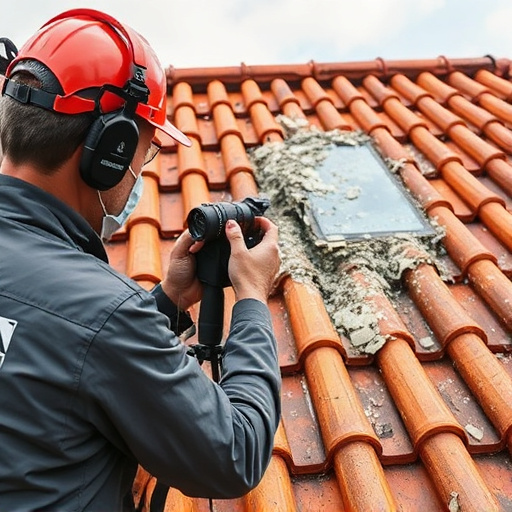
In Oro Valley, where wind exposure near Pusch Ridge can be fierce, storm damage to roofing components like flashing, parapets, and underlayment is a significant concern. These elements, crucial for protecting your home, are often overlooked until they fail during a storm, leading to costly interior leaks and structural damage. Understanding the specific impacts of storms on these hidden elements and knowing the first steps to take after a storm strikes is essential for every homeowner. This article provides a practical guide, backed by the expertise of local storm restoration specialists, to navigating the aftermath of a storm and ensuring your home is secure. We'll cover everything from identifying hail damage to securing loose tiles before the next monsoon.
- Assessing Storm Damage to Flashing
- Parapets Under Scrutiny: Wind Exposure
- Underlayment: Protecting Your Roof
- Restoring After Stormy Weather Near Pusch Ridge
Assessing Storm Damage to Flashing
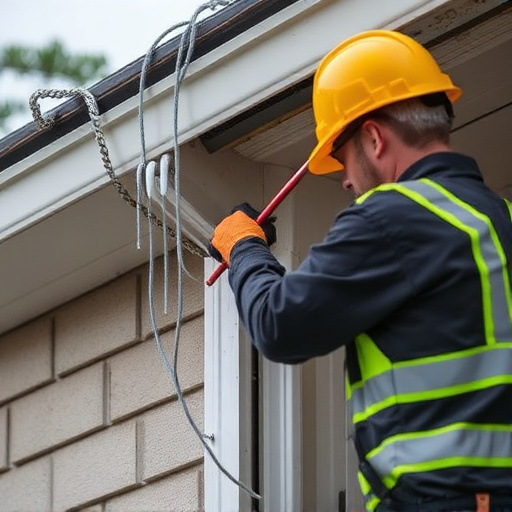
Storm damage, particularly during the intense monsoons experienced near Pusch Ridge, can leave a trail of destruction on a home's exterior, with flashing, parapets, and underlayment being critical components that require meticulous assessment. Flashing, a thin layer of waterproof material, often becomes the victim of strong winds and flying debris, leading to leaks and interior damage. In Marana, where wind exposure is a significant concern, it's crucial to inspect for torn or damaged flashing, as these can go unnoticed until water starts seeping into the home.
An experienced Oro Valley roof specialist recommends inspecting the flashing for any signs of detachment, corrosion, or damage around vents, valleys, and edges. These areas are particularly vulnerable during storms. If left unaddressed, damaged flashing can result in significant interior leaks, especially during heavy rainfall. Similarly, parapets, which serve as wind barriers, can be lifted, bent, or broken by intense winds and falling debris. In the aftermath of a storm, homeowners should look for parapets that are no longer level or have visible cracks, indicating potential structural weaknesses.
Underlayment, a protective layer beneath the shingles, is another area of concern. Wind damage can tear or lift the underlayment, creating openings that allow water and moisture into the roof structure. This can lead to mold, wood rot, and structural deterioration. Homeowners should check for any exposed underlayment or areas where the underlayment has come loose. Regular maintenance, such as securing loose tiles before the monsoon season, and prompt repairs after storms, can significantly mitigate these risks. Always consult with a local roofing expert for accurate inspections and repairs, especially after severe weather events.
Parapets Under Scrutiny: Wind Exposure

Oro Valley, with its unique wind exposure near Pusch Ridge, is particularly vulnerable to storm damage, especially to structures like parapets. When high-speed winds hit, these vertical walls that surround the perimeter of a roof can be put under significant stress, leading to cracks, breaks, or even complete failure. Unlike broken tiles or lifted shingles, which are often visible signs of damage, parapet walls can conceal hidden vulnerabilities.
The impact of wind on parapets can be profound. Strong gusts can cause the walls to bend, twist, or separate from the roof, creating openings that allow water, debris, and even insects to infiltrate the building. This is particularly concerning for older structures or those with poorly maintained flashing and underlayment. Cracked tiles might be an early indication of more severe issues with the parapet's integrity. A local roofing company serving Oro Valley, like DC Roofing of Arizona, emphasizes the importance of regular inspections to identify such problems early.
To mitigate the risks, homeowners and property managers should be vigilant about wind exposure. During heavy storms, it's crucial to monitor the walls for any signs of movement, cracks, or water seepage. If damage is suspected, contacting a professional roofer for an urgent assessment is essential. At DC Roofing of Arizona, our expert team can provide quick estimates and swift repairs, ensuring your property is protected from the next storm. Regular maintenance, including re-fastening loose tiles before the monsoon season, can also significantly enhance a roof's resistance to strong winds.
Underlayment: Protecting Your Roof
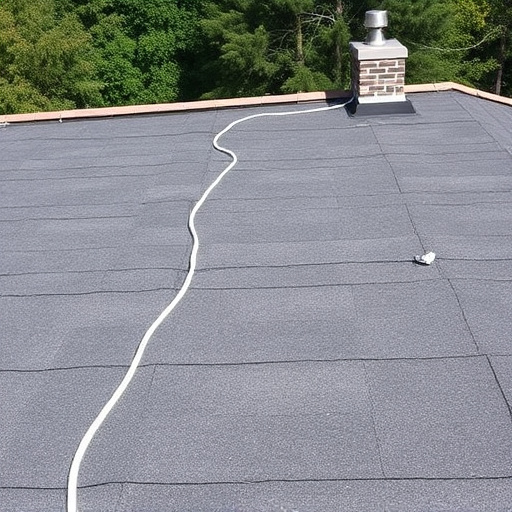
Protecting Your Roof: Understanding Wind Exposure and Underlayment
Oro Valley, located near Pusch Ridge, is particularly susceptible to strong winds during the monsoon season, making underlayment a crucial component of your roof's defense against storm damage. Underlayment, a layer of material installed beneath the shingles or tiles, acts as a vital barrier, protecting your roof structure and interior from the elements. While many homeowners focus on the exterior aesthetics of their roof, proper underlayment installation and regular inspection are essential for long-term durability and peace of mind.
When strong winds and flying debris strike, your roof faces immense strain. In these situations, underlayment helps absorb impact and prevents shingles or tiles from lifting, a common issue known as "lifted shingles and broken tiles." This is especially critical in areas like Oro Valley where wind exposure near Pusch Ridge can be severe. During a particularly intense storm, a strong gust could dislodge a shingle, creating an opening that allows water to seep in, leading to interior leaks and costly damage. A quality underlayment acts as a secondary defense, preventing water intrusion and protecting your home.
Regularly examining your underlayment is key to identifying potential vulnerabilities. As a local roofing company serving Oro Valley, we recommend homeowners look for signs of damage, such as blisters, tears, or loose tape. These issues can indicate problems that may lead to more serious damage during a storm. Take a moment during the monsoon season to photograph your roof from the ground, paying close attention to the underlayment. These photos serve as valuable documentation that can assist in insurance claims and future repairs. If you notice any concerning issues, contact a qualified roofing expert for a thorough inspection. By prioritizing your underlayment, you're not only safeguarding your roof but also your home's overall value.
Restoring After Stormy Weather Near Pusch Ridge
Stormy weather near Pusch Ridge can bring a unique set of challenges for homeowners, particularly for protecting your roof from damage. This area's exposure to intense winds and potential hailstorms requires specific attention to detail during and after the storm. In this section, we examine the crucial aspects of restoring your roof after a storm, focusing on the often-overlooked components: flashing, parapets, and underlayment.
When a storm hits, these elements bear the brunt of the elemental force. Flashing, which is the protective barrier between your roof and the exterior, can be torn or lifted, leaving vulnerable entry points for water. Parapets, those vertical walls that line the edges of your roof, are at risk of damage from flying debris, and a weakened parapet can compromise the entire structural integrity of your roof. Underlayment, the layer beneath your shingles, matters in preventing water seepage and protecting your home from extensive damage.
After a storm, homeowners should conduct a thorough inspection, looking for any signs of damage. Lifted or missing shingles can be an indicator of wind exposure near Pusch Ridge, as these areas often experience the full force of powerful gusts. If you notice any damage to these key components, it's crucial to contact a licensed Arizona roofer with an ROC license, like DC Roofing of Arizona, to assess and repair the issues. Prompt action is essential to prevent further complications, such as interior leaks or storm-related mold growth, and to ensure your home is secure for the next weather event. Remember, a properly restored roof not only protects your home but also ensures peace of mind during Arizona's unpredictable monsoon season.
Frequently Asked Questions About an explainer on storm damage to flashing, parapets and underlayment
What is the most common type of storm damage to a roof? Heavy winds and intense rainfall can cause significant damage to a roof's flashing, parapets, and underlayment. The most common issues include torn or lifted flashing, broken or missing tiles, and water intrusion through gaps in the underlayment. These areas are particularly vulnerable, as they often form the first line of defense against the elements.
How can I tell if my flashing has been damaged? Look for signs of tearing, lifting, or missing flashing around the roof's edges, valleys, and ridges. Flashing that has been damaged can expose these areas to water, leading to potential leaks. It's also important to inspect for rust or corrosion, which can indicate that the flashing has been exposed to moisture.
Are parapets more susceptible to storm damage than other parts of the roof? Parapets, while serving as a protective barrier, are indeed more vulnerable to storm damage due to their exposed nature. Strong winds can easily dislodge or damage bricks or stones in a parapet wall, and heavy rainfall can erode the mortar that holds them together. Parapets often act as a funnel, directing water towards the roof's underlayment and flashing.
What role does underlayment play in storm protection? Underlayment, a layer of waterproof material beneath the shingles or tiles, is crucial for protecting the roof structure from water damage. During storms, it acts as a secondary barrier, preventing water from penetrating the gaps between shingles and into the roof deck. Damage to the underlayment can leave a roof susceptible to leaks.
How soon after a storm should I inspect my roof for damage? It's recommended to inspect your roof within 24 to 48 hours after a severe storm. This timing allows you to identify and address any immediate issues while the memory of the storm is fresh. Early inspection can prevent further damage and ensure that your roof is in good condition before the next weather event.
Can I repair storm damage to my roof myself, or do I need a professional? While some minor repairs, like replacing a few shingles or re-securing flashing, might be done by a do-it-yourselfer, more complex issues with flashing, parapets, or underlayment are best left to licensed roofing professionals. They have the expertise and tools to address these problems safely and effectively, ensuring a secure and waterproof roof.
After assessing storm damage, focusing on crucial elements like flashing, parapets, and underlayment, homeowners in the Oro Valley area near Pusch Ridge can take several practical steps. Understanding wind exposure patterns in this region is key to identifying vulnerabilities. Properly maintaining underlayment, regularly inspecting flashing, and securing parapets can significantly reduce storm-related damage. By prioritizing these areas, residents can protect their properties and minimize the need for costly repairs. Documenting damage with detailed photographs and filing timely insurance claims can facilitate efficient claims processing. Acting swiftly and knowledgeably, as outlined in this guide, ensures that homes are restored effectively, maintaining peace of mind and financial security during and after severe weather events.
Storm damage near Pusch Ridge can devastate roofs, with flashing, parapets, and underlayment being critical weak points. Homeowners should inspect for torn flashing, bent or cracked parapets, and exposed or damaged underlayment. Regular maintenance, like securing loose tiles, and prompt repairs after storms, are vital. A local, licensed roofer can provide expert inspections and repairs, mitigating risks from intense winds and storm damage.