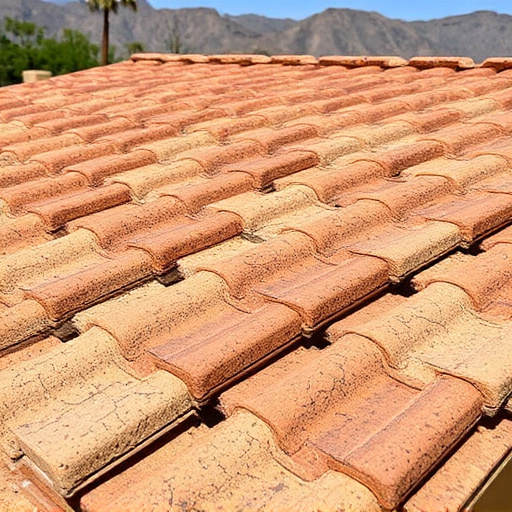
Oro Valley homeowners face a unique challenge during monsoon seasons: the potential for severe roof damage from intense storms and powerful winds. Understanding what to look for and the steps to take after a storm is crucial, especially when dealing with the aftermath of a haboob-a powerful, rapidly moving sandstorm common in the region. This guide is your comprehensive damage assessment toolkit, helping you navigate the complex process of identifying and addressing roof issues, from lifted shingles and broken tiles to interior leaks and storm-damaged flashing. We'll walk you through the first steps, the importance of photography, and how to work with your insurance and HOA to ensure a swift and stress-free recovery.
- Identify Signs of Haboob Roof Damage
- Safety-First: Inspecting Your Roof
- Documenting and Insuring Claims
- Repair and Maintenance After Haboob
Safety-First: Inspecting Your Roof

After a monsoon storm, the last thing on your mind might be inspecting your roof for damage, but your safety and home protection depend on it. Especially in Oro Valley, where haboob storms can be fierce, a quick assessment of your roof is crucial. Start by looking for signs of water intrusion - wet spots, stains, or dripping water inside or outside your home. This could indicate lifted shingles, broken tiles, or damage to flashing and parapets, all of which can lead to serious structural issues if left unaddressed.
Next, walk around the exterior of your home and check for loose or missing shingles. If you spot any, don't delay - secure them before the next storm hits. Keep an eye out for tree limb damage, which can puncture or tear your roof, and for signs of hail damage, which can vary from small dents to large, dangerous chunks torn from your shingles. Remember, some storm damage may not be immediately apparent. Hidden issues like storm-damaged underlayment or compromised roof vents can lead to interior leaks and mold growth.
A DC Roofing of Arizona expert once encountered a home where a haboob had pushed a tree branch through the roof, causing extensive water intrusion and structural damage. The homeowners had assumed the roof was fine based on a quick visual inspection, but a thorough assessment revealed hidden problems. This highlights the importance of documenting any damage with photographs and noting the date and specifics of the storm. These records will be invaluable when filing a storm damage insurance claim, ensuring you receive the full deductible for necessary repairs.
Documenting and Insuring Claims

After a monsoon storm hits Oro Valley, homeowners should document and insure their roof damage claims meticulously. This is crucial, especially when dealing with potential haboob roof damage, which can be extensive and difficult to assess. The first step is to take detailed photos of the affected area, noting any lifted shingles, cracked tiles, or storm-related debris. These visuals serve as irrefutable evidence for insurance adjusters, ensuring your claim is processed accurately.
When assessing the damage, check for not just visible issues like cracked tiles and loose shingles, but also hidden storm damage. Flash flood runoff can lead to interior leaks, and storm-damaged flashing or parapets might not be immediately apparent. A roofer with an Arizona ROC license can assist in these inspections, providing an expert perspective from the Catalina Foothills. They can help you identify hidden problems and secure loose tiles before the next monsoon season.
If your roof shows signs of storm-driven rain tile leaks or hail damage, document these areas thoroughly. Note the size of the hail and the extent of the damage to different roof types, as this information is vital when filing a storm damage insurance claim. Keep records of all repairs and estimates, as this documentation will be crucial if you need to appeal a claim or work with a public adjuster. Remember, timely action is key; don't wait for a second storm before initiating repairs or filing a claim.
Repair and Maintenance After Haboob
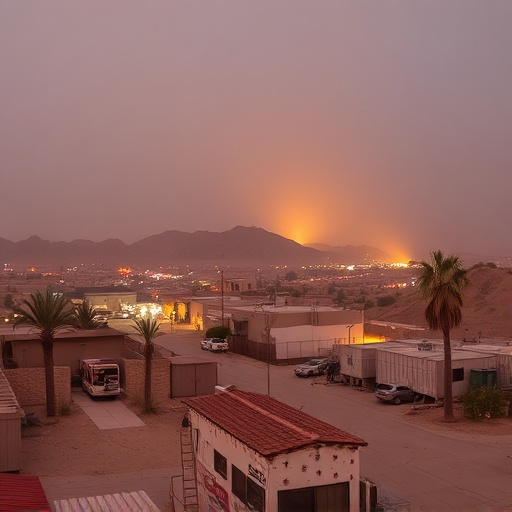
After a haboob, Oro Valley homeowners need to act quickly to assess and repair haboob roof damage. Haboobs, intense dust storms common in the region, can cause significant structural damage, including water intrusion and uplift of shingles and tiles. To begin the repair process, first, assess the extent of the damage. Look for loose or missing shingles, damaged flashing, and signs of water intrusion, such as discolored or peeling paint. In severe cases, a microburst may have occurred, which can lift and throw shingles, creating a significant safety hazard.
If you suspect water intrusion, it's crucial to act fast. The National Weather Service Tucson recommends immediate action to prevent further damage. Start by turning off the main water supply to your home to contain any leaks. Then, contact a licensed Arizona roofer for an emergency inspection. They will be able to identify the source of the water intrusion and provide a detailed estimate for repairs. Remember, waiting too long can lead to mold and mildew growth, which can be even more costly to address.
Once the initial emergency repairs are in place, a thorough inspection of your roof is necessary. Look for signs of storm damage such as lifted shingles, broken tiles, and storm-damaged underlayment. A roofer with experience in post-storm defense can help assess these issues and provide a plan for long-term repairs. It's also a good time to consider securing loose tiles and flashing before the next monsoon season to prevent further haboob roof damage. Regular maintenance and prompt action after a storm event are key to protecting your home and avoiding hidden storm damage.
Frequently Asked Questions About a guide for Oro Valley homeowners on assessing roof damage after a monsoon storm
What should I look for when inspecting my roof after a storm?
Focus on visible signs of damage, such as missing or loose shingles, water stains on the underside of the roof, sagging or peeling, and broken or cracked components like gutters and downspouts. Also, check for signs of mold or mildew, especially in areas that have been wet for an extended time. A professional inspection can help identify issues not immediately apparent.
How soon after a storm should I assess my roof?
It's best to inspect your roof as soon as possible after a storm. While some damage may be evident immediately, others, like leaks, may take a few days to manifest. Early inspection helps in documenting the storm's impact and can support insurance claims.
What if I notice water seeping into my home through the roof?
Water intrusion is a serious matter. Temporarily stop any active storms if possible, and contact a professional roofer immediately. Do not attempt to fix the issue yourself. A licensed contractor can assess the situation, patch temporary repairs, and guide you in filing an insurance claim.
Can a strong wind during a monsoon storm cause roof damage?
Absolutely. High winds can dislodge or damage shingles, rip off gutters, and even lift sections of the roof. Even if the damage seems minimal, strong winds can compromise the roof's integrity. A thorough inspection is crucial to identify these issues.
How do I know if my roof damage is covered by my home insurance policy?
Review your policy or contact your insurance provider. Most standard policies cover storm-related damage, but specific terms and exclusions vary. Keep records of all damage, including photographs, for your claim.
Who should I contact if I'm unsure about my roof's condition after a storm?
Consult a licensed Oro Valley area roofing contractor, such as DC Roofing of Arizona. They can perform a professional inspection, assess the damage, and guide you through the repair or replacement process, including any necessary insurance claim procedures.
After a monsoon storm, Oro Valley homeowners must act swiftly to assess and address haboob roof damage. Key insights from this guide include identifying signs of structural damage, such as lifted shingles and broken tiles, and prioritizing safety during the initial inspection. Documenting damage through photographs and meticulous notes is crucial for insurance claims, where understanding your policy and working with a public adjuster can significantly aid the process. Post-storm, focus on repairing and maintaining your roof to prevent further damage. Regular inspections and prompt repairs, especially securing loose tiles before the next monsoon, are essential for protecting your home. Remember, timely action and thorough documentation are your best defenses against hidden storm damage, ensuring a peaceful recovery process.
Haboob Roof Damage: Oro Valley Homeowners' Guide
After a haboob storm, Oro Valley homeowners should:
1. Inspect for visible damage: Look for wet spots, stains, loose or missing shingles, tree limb damage, and hail dents.
2. Document with photos: Capture evidence of damage, noting location and storm specifics for insurance claims.
3. Check for hidden damage: Look for water intrusion, compromised underlayment, or damaged vents that may not be immediately apparent.
4. Act quickly: Turn off water supply, contact a licensed roofer for emergency repairs, and prevent further damage.
5. Maintain and secure your roof: Regularly inspect and secure loose tiles, flashing, and repair as needed to protect against future haboob damage.