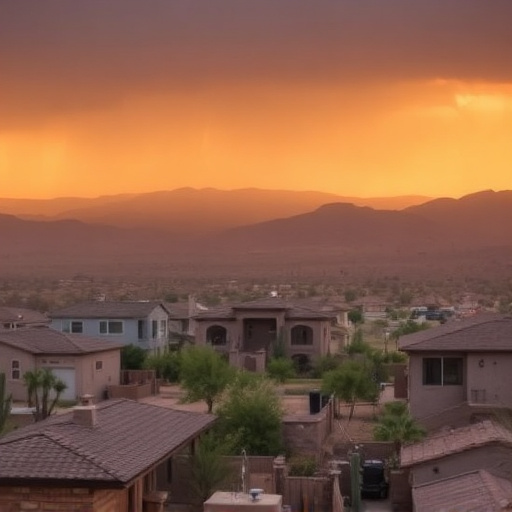
In the face of intense storms and microbursts, properly documenting storm damage before repairs begin is crucial for homeowners in Oro Valley. This initial step ensures your claim is accurate, expedites insurance processes, and prevents costly mistakes. The challenge lies in identifying all the potential issues, from lifted shingles and broken tiles to hidden storm damage and interior leaks from flash flood runoff.
This article provides a comprehensive, step-by-step guide tailored to the Oro Valley storm restoration landscape. We'll walk you through the essential aspects of documenting storm damage, including what to look for, when to call in professionals like DC Roofing of Arizona, and how to prepare for a swift microburst roof repair.
- Assess Storm Damage: Essential First Steps
- Document Roof Impacts: Photo Evidence Matters
- Microburst Roof Repair: Safety and Prioritization
- Pre-Repair Planning: Protecting Your Investment
Assess Storm Damage: Essential First Steps

Documenting storm damage before repairs begin is a crucial step in the storm damage roof repair Oro Valley process. It's essential to have a thorough understanding of the extent of the damage, as this will influence the scope of work, cost, and timeline of your microburst roof repair. Start by conducting a meticulous inspection of your roof, looking for signs of hail damage, lifted shingles, and broken tiles. Remember, a roofer with an Arizona ROC license recommends assessing both the visible damage on the surface and the underlying components, such as the underlayment, flashing, and parapets.
Focus on detailed observations. Check for cracked or missing tiles, which could indicate widespread damage from flying debris. Look for signs of water intrusion, like stains or mold growth, which might point to interior leaks after heavy rain. Pay attention to the condition of the underlayment, as storm-related damage can expose it to the elements, leading to future problems. If you're unsure about any aspect, consider hiring a professional to assist, as a certified storm expert from Oro Valley Storm Restoration can provide accurate insights.
Photographing the damage is a valuable practice. These images not only serve as visual aids for insurance claims but also help you track progress during repairs. Documenting the state of your roof before repairs begin is a proactive step, ensuring you have a clear record of the damage, which can be crucial when dealing with a storm damage insurance claim. If a second storm hits before repairs are complete, having these records can help distinguish between pre-existing and new damage. This meticulous documentation will also aid in your interactions with a public adjuster for roof claims, ensuring a smoother claims process.
Document Roof Impacts: Photo Evidence Matters
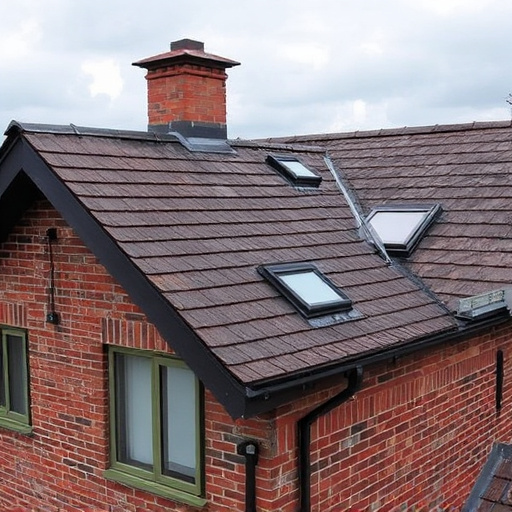
Documenting the extent of storm damage is crucial before any repairs begin, especially when dealing with microburst roof repair situations. As a homeowner, taking thorough photos of the affected area acts as concrete evidence for insurance claims and provides a detailed record for future reference. When a severe storm, such as a microburst, hits Oro Valley, it can cause significant damage, including hail, wind-driven rain, and lifted shingles. These events may leave your roof vulnerable to further issues, such as interior leaks, storm-damaged flashing, or even hidden underlayment problems.
Focus on specific areas when photographing: start with a broad view of the entire roof to capture any visible damage or missing tiles. Then, zoom in on individual sections to highlight lifted or broken shingles, flashing issues, and other structural problems. Look for signs of hail damage, which can vary in size and intensity, as this will impact your repair costs and the type of roofing materials used. Keep records of all damage, no matter how minor it may seem, as it could be relevant for your insurance claim and future maintenance plans.
Document the surrounding areas, including gutters, vents, and skylights, as these are all integral parts of your roof's protective system. The presence of tree limbs on your roof, for example, can indicate potential issues from wind exposure near Pusch Ridge, which might warrant a more thorough inspection. Remember, a local roofing company serving Oro Valley will appreciate this detailed documentation, as it facilitates a smoother claim process and ensures repairs are completed to the highest standards.
Microburst Roof Repair: Safety and Prioritization
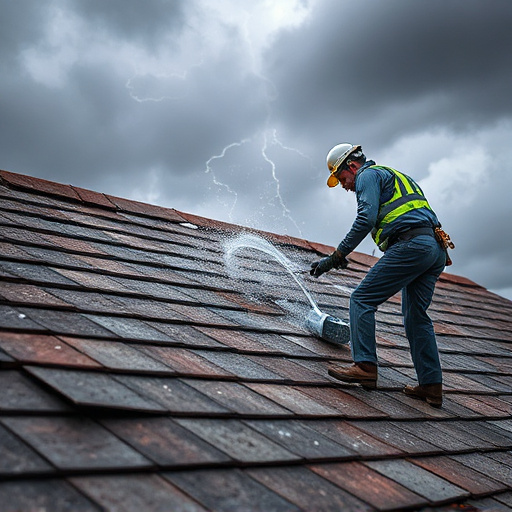
When a microburst hits, immediate safety is paramount. Before any repair work begins, document the storm damage thoroughly. This not only provides valuable evidence for insurance claims but also ensures repairs are done correctly and safely. If a tree limb has fallen onto your roof, don't climb up to assess the damage-it's better to observe from the ground and take detailed photos.
Focus on both visible and hidden damage. Look for lifted shingles, broken tiles, or flashing that's been dislodged. Ceiling stains caused by water seepage can indicate interior leaks, even if the source isn't immediately apparent. In the chaos following a storm, it's easy to miss subtle signs of damage. Take multiple photos from different angles, clearly marking the date and time. This documentation will be invaluable when filing a storm damage claim with your insurance company.
Remember, a roofing contractor serving Oro Valley and Marana can be a valuable asset during this process. They can provide expert advice on prioritizing repairs and ensure your home is safe. While a professional can help, it's essential to do a preliminary assessment yourself. By combining your observations with professional guidance, you can confidently navigate the storm damage repair process, ensuring your home is restored safely and effectively after a microburst.
Pre-Repair Planning: Protecting Your Investment

Documenting storm damage before repairs begin is crucial for protecting your investment and ensuring a smooth claims process. As soon as the storm passes, it's important to assess the extent of the damage, especially in regions prone to severe weather events like microbursts and haboobs. A licensed Arizona roofer recommends taking detailed photos of the affected areas, including the roof, gutters, and exterior walls, particularly the parapets. These images will serve as irrefutable evidence of the damage, which can be invaluable when dealing with insurance companies.
Photo documentation should include a variety of angles and close-ups. Capture the entire roof surface, noting lifted shingles, broken tiles, or any signs of water intrusion. Examine the flashing and underlayment for damage, as these components are critical for roof integrity. Don't forget to document interior leaks, as they may indicate storm-related damage to the exterior. Water stains on ceilings or warped drywall can be strong indicators. Check for hidden storm damage, such as flashing issues or loose tiles, which might not be immediately apparent.
Assessing wind exposure, especially near areas like Pusch Ridge, is also part of the pre-repair planning process. Understanding the potential impact of future storms can help in the decision-making process for repairs and replacements. Keep a record of all observations, and consider involving a professional inspector or a public adjuster for roof claims to ensure a thorough evaluation. This detailed approach will not only protect your investment but also streamline the claims process, leading to faster repairs and a more secure home.
Frequently Asked Questions About advice on documenting storm damage before repairs begin
What is the importance of documenting storm damage?
Documenting storm damage is crucial because it provides a clear record of the pre-repair state of your property. This is essential for insurance claims, as it helps ensure you receive fair compensation for the repairs. It also serves as a reference point for the contractor, allowing them to accurately assess the work required and prevent future disputes.
How should I document the damage?
Take detailed photos of the affected areas from various angles. Include both close-ups and wide shots to provide context. Also, keep a written record of the damage, noting the specific locations, types of damage (e.g., missing shingles, broken windows), and the extent of the damage. If possible, use a measuring tape to record dimensions.
What information should I include in my documentation?
To photos and descriptions, include information such as the date and time of the storm, the severity of the damage, and any safety hazards present. If there are any prior damage records or assessments, include them as well. This comprehensive documentation will make the claims process smoother and increase the likelihood of a successful claim.
Should I involve a professional when documenting damage?
While it's not always necessary, involving a professional, like a public adjuster or a licensed contractor, can be beneficial. They have experience navigating insurance claims and can ensure your documentation is thorough and accurate. Their expertise can also help you understand your policy coverage and negotiate with the insurance company.
What if I can't document the damage myself?
If you're unable to document the damage, reach out to your local government or a community organization for assistance. They may offer emergency services or temporary housing while also helping you with documentation. Many insurance companies have dedicated teams to assist policyholders during and after storms.
Can I use my home insurance to cover the repair costs?
Most home insurance policies cover storm damage, but the extent of coverage depends on the type of storm and your specific policy. Review your policy to understand what's covered. If you're unsure, contact your insurance company for clarification before beginning repairs.
What happens after I submit my insurance claim?
After submitting your claim, your insurance company will review it and contact you with a decision. If your claim is approved, they will provide a payment or check for the covered repairs. Keep open lines of communication with your insurance representative throughout the process to ensure a smooth and efficient resolution.
As we've explored the process of documenting and addressing storm damage, from initial assessment to microburst roof repair, it's clear that thorough documentation is crucial. Taking detailed photos of both the visible and hidden storm damage, understanding your roof's specific vulnerabilities, and planning pre-repair strategies all contribute to effective storm damage mitigation. By embracing these key insights, homeowners can ensure their properties are protected not just from the immediate storm threat, but also from potential secondary issues like interior leaks or hidden storm damage that could arise in the aftermath.
Moving forward, consider these practical next steps:
- Develop a comprehensive monsoon roof damage checklist tailored to your Oro Valley home, focusing on areas prone to storm damage like flashing, parapets, and gutters.
- Document your roof's condition before the monsoon season, using photographs to track changes over time.
- Prioritize safety when addressing storm damage, especially for microburst roof repair. Always consult with a certified storm expert for guidance.
- Protect your investment by working with a local roofing company that understands the unique challenges of Oro Valley's climate and storm patterns.
By integrating these strategies, you'll be better equipped to navigate the complexities of storm damage, ensuring your home remains a safe and secure haven, even in the face of severe weather.
Documenting storm damage, especially after microbursts, is crucial for both insurance claims and safe, effective repairs. Homeowners should:
- Conduct a thorough, meticulous inspection of the roof and surrounding areas, noting visible damage and potential hidden issues.
- Photograph damage from various angles, including broad and close-up shots, to provide concrete evidence.
- Focus on key areas: entire roof surface, shingles/tiles, flashing, underlayment, interior leaks, and parapets.
- Document date and time for each photo.
- Involve a licensed roofer or public adjuster for expert evaluation and to streamline the claims process.
This process ensures repairs match the full extent of the damage, protecting your investment and ensuring a secure home.