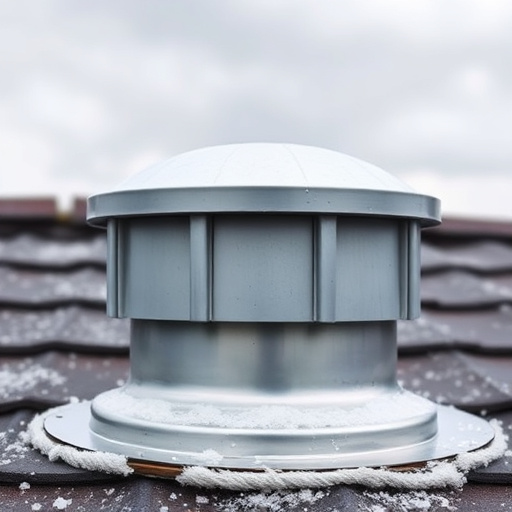
Storm damage can wreak havoc on any home, especially in areas prone to harsh weather, like Oro Valley. When a haboob hits, the aftermath can leave a trail of destruction, including damaged flashing, parapets, and underlayment - the silent guardians that protect your roof from the elements. These structural components, often overlooked, can suffer significant damage during storms, leading to costly repairs and potential interior leaks. This article examines the specifics of storm damage to these crucial roof elements, offering a practical guide to understanding, assessing, and mitigating the effects of heavy weather, ensuring your home remains a safe haven.
- Identifying Storm-Induced Flashing Failures
- Assessing Haboob Impact on Parapets
- Understanding Underlayment Damage Mechanisms
- Natural Recovery and Prevention Strategies for Haboob Roof Damage
Identifying Storm-Induced Flashing Failures
Storm damage can wreak havoc on a home's roofing system, and one of the most subtle yet critical failures often goes unnoticed: haboob roof damage to flashing, parapets, and underlayment. Flashing, a crucial barrier between your roof and the elements, can be especially vulnerable during intense storms. Strong winds, heavy rain, and flying debris can all contribute to its degradation or complete failure.
When a storm passes through, it's not just the obvious damage, like lifted shingles and broken tiles, that you should inspect. The unseen elements, like the flashing, parapets, and underlayment, can also be significantly affected. Haboob winds, characterized by their intense speed and debris-carrying capacity, can cause the flashing to lift or peel back from the roof's edges, creating gaps that allow water intrusion. Similarly, heavy rainfall can overwhelm the underlayment, leading to interior leaks. Parapet walls, designed to protect the roof's edge, can be damaged by falling tree limbs or debris, compromising the overall structural integrity of the roof.
A roofer with an Arizona ROC license will often be the first line of defense against these hidden storm damages. They can perform a thorough inspection, spotting issues from the ground and identifying areas that may require immediate attention. They can photograph the damage to provide a detailed record for insurance claims. In the aftermath of a storm, it's crucial to avoid the temptation to hire storm chasers, who often prioritize speed over quality and may not have the expertise to identify subtle but critical issues like haboob roof damage to flashing and underlayment. Instead, opt for local roof experts who understand the unique challenges posed by the Oro Valley area's weather patterns, such as the wind exposure near Pusch Ridge and the potential for flash flood runoff.
Prompt estimates and swift repairs are key to mitigating the impact of storm damage. The process begins with a quick assessment, where professionals can identify the extent of the damage, including any hidden issues. They might notice that a lifted shingle is actually covering a small crack in the flashing that could lead to future leaks. Once the damage is assessed, a licensed and insured pro can help you navigate the storm damage insurance claim process, ensuring you receive the financial protection you need for repairs, whether it's for storm-related repairs to your gutters, roof vents, or even solar panels.
Assessing Haboob Impact on Parapets

Haboob storms, characterized by intense winds and dust, present unique challenges for Oro Valley rooftops. When a haboob hits, assessing the impact on parapets is crucial for any homeowner or property manager. While many focus on the visible damage of cracked tiles and lifted shingles, haboobs can cause significant internal issues through water intrusion, especially if flashing and underlayment are compromised.
Marana, like many desert regions, experiences frequent haboobs, making proper roof protection paramount. Inspecting a roof after a storm requires a keen eye. Look for signs of water stains, especially around the perimeter, where parapets meet the roof. DC Roofing of Arizona, a local Oro Valley roof specialist, recommends checking for loose or damaged flashing, as this can allow water to seep into the underlayment and potentially damage the interior. Cracked or missing tiles can expose the underlayment to the elements, accelerating its deterioration.
Haboob winds can cause extreme stress on roof structures, leading to flashing damage and, in severe cases, failure. Water intrusion through these openings can cause extensive damage, including rotted wood, mold growth, and even structural instability. Prompt action is crucial. If you suspect haboob-related damage, don't wait. Contacting a qualified roofer, like DC Roofing of Arizona, for a thorough assessment is essential. Early intervention can save you from costly repairs and potential safety hazards. Remember, the key to mitigating haboob roof damage is proactive inspection and swift action.
Understanding Underlayment Damage Mechanisms
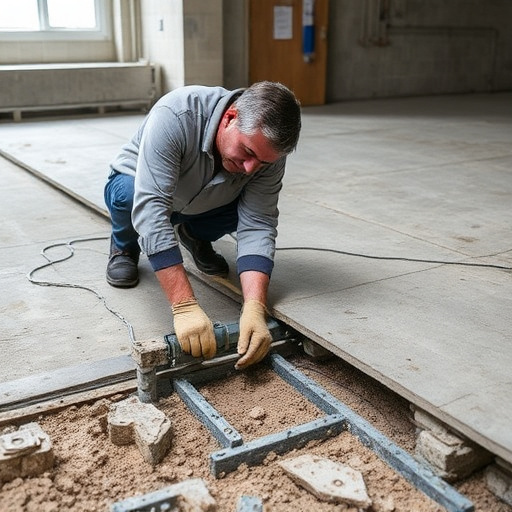
Storm events, particularly intense haboobs, can cause significant damage to a home's roofing system. While many people think of shingles when considering storm damage, the underlayment-the protective layer beneath the shingles-is equally vulnerable. Understanding how haboobs, hail, and even storm chasers can impact underlayment is crucial for homeowners and property managers.
Underlayment matters in protecting the structure from water intrusion and extreme weather conditions. In the event of a storm, the underlayment acts as a secondary barrier against leaks. However, underlayment is not invincible. Heavy hail can punch through the protective layers, while high winds can lift and tear the underlayment from the roof deck. These damages may not be immediately apparent, making it even more important to conduct thorough inspections. A storm chaser might hastily repair a roof, failing to address compromised underlayment, leading to future leaks. A licensed Arizona roofer recommends checking for signs of damage, such as rips, tears, or exposed roof deck, which could indicate a need for underlayment replacement.
When a storm passes, it's not uncommon to encounter a second storm before repairs can begin. This secondary storm, often a flash flood or heavy rain, can exacerbate damage and create hidden problems. Water runoff from flash floods can saturate the underlayment, leading to mold and mildew growth. Debris from fallen trees or power lines can damage the underlayment and complicate repairs. Homeowners should be vigilant and photograph any visible damage to assist in insurance claims and to ensure the work is done correctly. Remember, underlayment damage may not be immediately visible, especially in the case of haboobs, making professional assessment crucial.
Natural Recovery and Prevention Strategies for Haboob Roof Damage
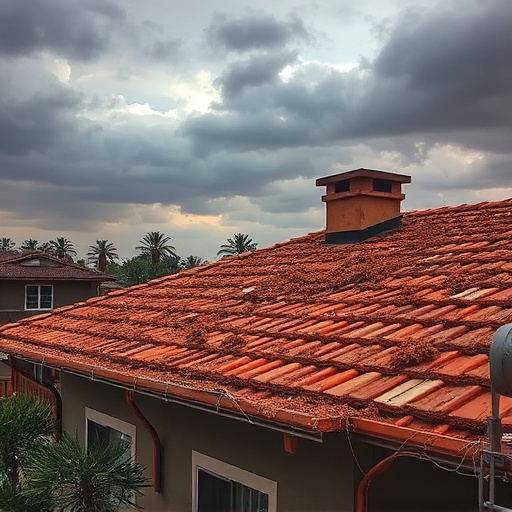
Haboob storms, characterized by intense winds and flying debris, can cause significant damage to a home's roofing system, particularly to components like flashing, parapets, and underlayment. These elements are crucial for a roof's overall integrity, and their failure can lead to costly and invasive repairs, including ceiling stains and cracked tiles. Understanding how to protect these areas and facilitate natural recovery is essential for homeowners in Oro Valley, especially as monsoon season approaches.
When a haboob hits, the initial focus should be on securing loose tiles and protecting the roof from further damage. Before the storm hits, or immediately afterward, homeowners should inspect their roof for any signs of weakness or damage. This proactive approach, known as a pre-storm check, can help identify issues like lifted shingles, broken tiles, or storm-damaged flashing. Flashing, which seals the roof edges and prevents water intrusion, can be vulnerable to strong winds and flying debris, leading to leaks and interior damage. If a haboob has passed, a thorough assessment is crucial; look for missing or damaged shingles, as these can expose the underlayment to the elements. The underlayment, a protective layer beneath the shingles, matters in preventing water from seeping through the roof.
DC Roofing of Arizona, a local Oro Valley roofing company, emphasizes the importance of prompt action. Homeowners should avoid attempting repairs themselves, especially when dealing with high winds and hazardous conditions. Instead, they should contact professionals who can assess and fix haboob-related damage. This includes repairing or replacing flashing, reinforcing parapets, and ensuring the underlayment is intact and properly secured. After the initial storm, a second assessment is recommended to check for hidden damage, as heavy rainfall can cause leaks that may not be immediately apparent. In cases of severe haboob damage, working with a public adjuster can be beneficial when filing an insurance claim, ensuring the homeowner receives adequate financial protection for the necessary repairs.
Frequently Asked Questions About an explainer on storm damage to flashing, parapets and underlayment
What is storm damage to roofing components? Storms, especially intense ones, can cause significant damage to roofing elements such as flashing, parapets, and underlayment. This includes punctures, tears, and dislodging these components from their proper positions. Such damage can lead to water infiltration, causing further issues like mold, mildew, and structural damage.
How does flashing play a role in storm protection? Flashing is a thin layer of material installed where a roof meets another surface, like a wall or chimney. It's designed to prevent water seepage at these intersections. During storms, flashing can be vulnerable to damage, especially if not properly installed or maintained. Damage to flashing can allow water to enter, compromising the entire roof system.
What are parapets, and why are they important during storms? Parapets are vertical or sloped barriers installed along the edges of a roof. They serve as a final line of defense against weather, preventing debris from blowing onto the roof and causing damage. During storms, parapets can be subjected to high winds and flying debris, making their integrity crucial for the safety of the entire structure.
Can underlayment be replaced after storm damage? While underlayment can be repaired, complete replacement is often recommended after severe storm damage. Underlayment protects the roof deck from water and provides a secondary barrier against weather. If it's significantly damaged, it's best to install new underlayment to ensure the roof remains waterproof and structurally sound.
How do I know if my roofing components need repair or replacement? Regular roof inspections are crucial after storms. Look for signs like water stains, missing or damaged shingles, and loose flashing. If you notice these or suspect damage, consult a licensed roofer who can assess the situation and recommend necessary repairs or replacements, ensuring your home remains protected.
What should I do immediately after a storm to prevent further damage? After a storm, secure any loose items on your property, including outdoor furniture and plants. Check your roof for damage, but do not attempt to climb onto the roof yourself. Instead, contact a professional roofing contractor to inspect and make repairs if needed. Prompt action can prevent minor issues from becoming major, costly problems.
Understanding storm damage, particularly haboob roof damage, requires a comprehensive approach. By identifying and addressing failures in flashing, evaluating the impact of strong winds on parapets, and recognizing the unique damage mechanisms of underlayment, homeowners and professionals can significantly mitigate risks. The article's insights highlight the importance of proactive measures and timely repairs. Key takeaways include securing loose tiles before monsoon seasons, regular inspection for hidden damage, and the crucial role of a licensed roofer in navigating storm chaser roofers. Spotting damage from the ground and assessing wind exposure near areas like Pusch Ridge can be life-saving. In the event of haboob storms, quick action is essential to prevent secondary storms from causing further damage, such as interior leaks or flash flood runoff. The practical knowledge gained from these strategies equips readers to protect their properties and ensure financial peace of mind, underscoring the value of this authoritative guide.
Intense storms, particularly haboobs, pose significant risks to Oro Valley rooftops, with hidden damage often going unnoticed. Flashing, parapets, and underlayment are vulnerable to haboob winds, heavy rain, and debris. Prompt, thorough inspections by licensed local roofers, like DC Roofing of Arizona, are crucial for identifying issues like lifted flashing, water stains, and compromised underlayment. Avoid storm chasers and act swiftly to mitigate damage, ensuring proper repairs for a safe, protected home.