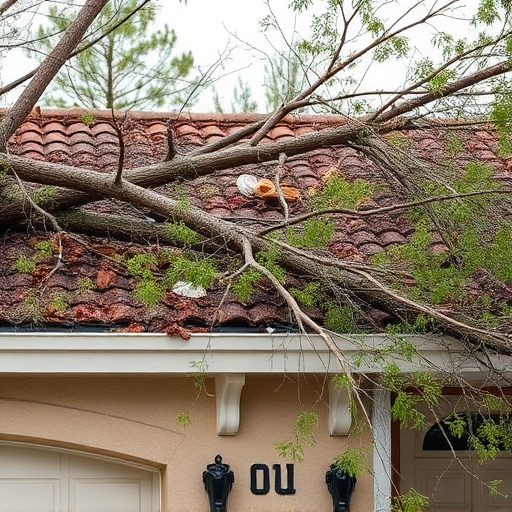
The Arizona monsoon season brings intense weather events that pose significant risks to homes, particularly the roof. As powerful storms and heavy rainfall become more frequent, homeowners must be prepared to safeguard their investments. This article provides a practical guide to help you navigate the challenges of storm season, focusing on preventing and addressing monsoon-related roof damage. We'll explore practical steps, from securing loose tiles before the monsoon hits to understanding hidden storm damage, ensuring your roof is protected. Learn how to identify issues like wind-driven rain tile leaks, hail damage, and even skylight storm damage, and discover the importance of a thorough post-storm assessment.
- Inspect and Repair: Assessing Monsoon-Ready Roofs
- Secure Skylights: Protecting Against Storm Damage
- Reinforce and Seal: Safeguarding Against Leaks
- Maintain and Plan: Long-Term Monsoon Preparedness
Inspect and Repair: Assessing Monsoon-Ready Roofs

Before the sweltering monsoon season arrives, it's crucial to assess and prepare your roof to withstand the potential damage of heavy rains, strong winds, and extreme weather events. This pre-monsoon inspection is a critical step in ensuring your Oro Valley home is protected, especially given the unique challenges posed by the region's climate and weather patterns. A local roofing company serving Oro Valley recommends a thorough review of your roof's condition, focusing on areas particularly vulnerable to storm damage.
Start by climbing up to your roof (with safety in mind) or hiring a professional to conduct a comprehensive inspection. Look for any signs of damage, especially after a recent storm. Cracked or broken tiles and lifted shingles are common issues in our area, often exacerbated by the intense winds and driving rain. Pay close attention to the roof's edges, as these are particularly susceptible to damage from flying debris. Also, check for any signs of water intrusion, as interior leaks can go unnoticed until significant damage has occurred. The National Weather Service Tucson provides valuable resources and forecasts, helping you anticipate potential storms and take necessary precautions.
During your inspection, examine the roof's flashing, which seals the edges of the roof where it meets other structures. Over time, flashing can become loose or damaged, allowing water to seep in and cause extensive interior damage. If you notice any cracks or signs of wear, repair or replace the flashing to prevent potential storm damage. Ensure that the underlayment is in good condition, as it provides a secondary barrier against water intrusion. A well-maintained underlayment is crucial in protecting against interior leaks, especially during heavy rainfall or flash floods, which can be common in the monsoon season. A previous storm in Oro Valley highlighted the importance of proper flashing and underlayment as several homes experienced significant water damage due to these overlooked details.
Don't forget to check your skylights, which can be a weak point in your roof's defense against storms. Inspect for any cracks or damage to the glass and surrounding frames. If you notice any issues, consider securing them with storm shields or replacing them entirely to avoid potential skylight storm damage. Remember, early preparation can save you from costly repairs and stress later. By addressing these areas, you'll give your roof the best chance to withstand the upcoming monsoon season.
Secure Skylights: Protecting Against Storm Damage
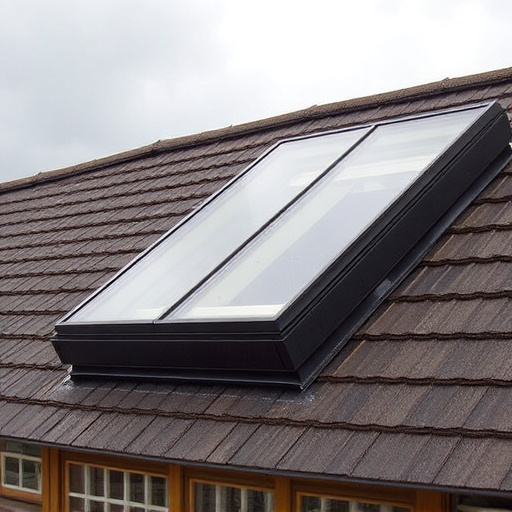
Protecting your home from the harsh conditions of the upcoming monsoon requires a multifaceted approach, and your skylights are no exception. Skylights, while offering natural light and ventilation, are particularly vulnerable to storm damage, especially during the intense weather patterns characteristic of the Oro Valley area. Given the region's exposure to powerful storms, like those driven by the winds near Pusch Ridge, it's crucial to take proactive measures to safeguard these features.
The Catalina Foothills' unique climate necessitates specific considerations for skylight maintenance and reinforcement. Strong winds, heavy rain, and even microbursts can all contribute to skylight damage, leading to interior leaks and costly repairs. A licensed Oro Valley area roofing contractor emphasizes the importance of regular inspections, especially after severe weather events. Photo documentation of your skylights before and after storms can be invaluable, serving as evidence for insurance claims and ensuring all damage is accounted for.
To mitigate the risk of skylight storm damage, start by securing the flashing and parapet walls surrounding them. These areas are particularly susceptible to debris impact and water intrusion. Regularly inspect for loose or damaged materials and promptly replace them. Consider reinforcing the skylight frame with sturdy, weather-resistant materials. This step, coupled with proper ventilation and regular cleaning, can significantly extend the life of your skylights and protect your home from the effects of flash flood runoff and lightning strikes, common during the monsoon season.
Remember, securing skylights is a crucial part of your monsoon roof damage checklist. By taking these proactive measures, you'll ensure your home remains protected during the next storm, potentially avoiding costly and time-consuming repairs.
Reinforce and Seal: Safeguarding Against Leaks

As the monsoon season approaches Oro Valley, preparing your roof is crucial to safeguard against potential storm damage. One critical aspect often overlooked is reinforcing and sealing your roof to prevent leaks, especially in areas prone to heavy rainfall and hail like Rancho Vistoso. A local roofing company serving Oro Valley and the surrounding areas emphasizes the importance of these measures, which can save you from costly repairs and the hassle of dealing with interior leaks after heavy rain.
First, inspect your roof for any signs of damage, such as lifted shingles or broken tiles, which could create entry points for water during storms. Addressing these issues promptly, ideally before the monsoon, is key. Secure any loose tiles and check the underlayment for damage or degradation. The underlayment acts as a secondary barrier against water intrusion, so ensuring its integrity is vital. Inspect the flashing and parapets around skylights, as these areas are particularly susceptible to storm damage. A well-sealed flashing can prevent water from seeping into your home, safeguarding against both storm damage and the need to navigate a complicated insurance claim.
Next, consider the overall wind exposure of your property, especially if it's near Pusch Ridge. Stronger winds can increase the risk of flying debris, further elevating the potential for roof damage. Reinforcing your roof to better withstand these forces can be as simple as adding extra fasteners to secure the shingles or tiles. This proactive step can significantly reduce the risk of hidden storm damage, which can often go unnoticed until it leads to interior leaks. Remember, the deductible on your insurance claim could be lower if you can prove due diligence in maintaining your roof, so these reinforcement measures are not only beneficial for your home's structural integrity but also for your wallet.
Maintain and Plan: Long-Term Monsoon Preparedness

As the summer heat gives way to the first signs of monsoon season in Oro Valley, it's crucial to think beyond immediate storm damage prevention. An experienced Oro Valley roof specialist recommends a proactive approach: long-term monsoon preparedness. This involves routine maintenance and strategic planning to protect your home's most vulnerable point-the roof-from the unique challenges posed by microbursts, hail, and intense rainfall.
Regular roof inspections are key to identifying potential weaknesses before they become serious issues. Look for signs of old, damaged, or missing shingles, especially along the edges and valleys. These areas are particularly susceptible to wind exposure near Pusch Ridge, where powerful microbursts can occur. Also, be vigilant about checking for loose tiles, which can be secured before the monsoon hits. Remember, a roof in good condition is less likely to suffer severe damage during a storm. A recent National Weather Service Tucson report highlighted the increased frequency of microbursts in the area, emphasizing the need for proactive measures.
For protecting against hail damage, consider the type of roofing material. Different materials offer varying levels of resistance. Metal and tile roofs, for example, tend to withstand hail better than shingles. Ensure your roof's underlayment is secure and in good condition. A robust underlayment acts as an extra layer of protection, preventing interior leaks after heavy rain and protecting against hidden storm damage. Even if your roof appears fine, regular maintenance can reveal issues like storm damaged flashing or parapets, which can be addressed before the next storm.
Finally, don't forget the importance of planning for the aftermath. Prepare for a potential second storm before repairs are completed, as flash flood runoff and lightning strikes are common risks during monsoon season. Have a plan for documenting storm damage, including taking photographs and keeping records of any insurance claims, particularly for skylight storm damage, a common issue in intense storms. These steps will not only protect your home but also provide peace of mind during an unpredictable and challenging season.
Frequently Asked Questions About Seasonal Advice on Preparing a Roof for the Next Monsoon
What is the best time of year to prepare my roof for monsoon season?
The optimal time to prepare your roof for monsoon season is during the spring. This allows ample time for any necessary repairs or maintenance to be completed before the increased rainfall begins. A well-maintained roof can better withstand the intense weather patterns of the monsoon, reducing the risk of leaks and damage.
How do I know if my roof needs repair before monsoon season?
Regular inspection is key. Look for signs of damage such as missing or damaged shingles, flashing, or gutters. Leaks, discolored spots, or mold growth are also indicators. A licensed roofer should assess your roof to identify any issues that may compromise its integrity during monsoon season.
What are some specific repairs that should be made before monsoon?
Prioritize repairing or replacing any damaged or missing shingles, as well as securing loose flashing. Ensure gutters are clean and in good condition to prevent clogs that could lead to water damage. Check for and seal any cracks in the roof, and ensure all vents are properly sealed to avoid leaks.
How can I protect my roof from monsoon-related damage?
To repairs, consider installing a VS (workmanship) warranty from a local, licensed roofing contractor. This can provide added protection against future damage. Keep trees and shrubs trimmed back from the roof to prevent branches from tearing shingles during strong winds.
What should I do if I notice damage to my roof after the monsoon?
If you observe damage after monsoon season, don't delay. Contact a qualified roofer to assess and repair the damage promptly. Early attention can prevent further complications and more costly repairs down the line. Remember, a well-maintained roof is crucial for protecting your home.
How often should I have my roof professionally inspected?
It's recommended to have a professional roof inspection at least once a year. This can help identify potential issues early on, ensuring they are addressed before they become more serious problems. Regular inspections are an essential part of roof maintenance, especially in areas prone to extreme weather.
As Oro Valley prepares for the upcoming monsoon season, homeowners must prioritize roof maintenance to mitigate potential storm damage. By following the practical guide outlined in this article, you can ensure your roof is monsoon-ready. Key takeaways include conducting thorough inspections, securing skylights, reinforcing seals, and maintaining the roof for long-term protection. Regular checks for lifted shingles, broken tiles, and storm-damaged flashing are crucial, as well as securing loose tiles before monsoon and reinforcing underlayment. Protecting skylights, a common source of interior leaks after heavy rain, is essential, especially with the risk of microbursts and hail. Proper sealing and maintenance, along with quick assessments and prompt estimates, can significantly reduce the impact of storms like haboobs and prevent hidden damage. Understanding the relationship between wind exposure, tree limb damage, and lightning strikes can help homeowners avoid costly repairs. For those facing storm damage insurance claims, documenting the damage with photographs and working with reputable, licensed professionals, such as those at DC Roofing of Arizona, will ensure a smoother process. By implementing these practical steps, Oro Valley residents can safeguard their homes and minimize the potential for skylight storm damage during the monsoon.
Summary:
As the Oro Valley monsoon season approaches, proactive roof preparation is crucial. Local roofing experts emphasize the importance of:
- Inspecting for damage: Look for broken tiles, lifted shingles, and flashing issues, especially along edges and valleys near Pusch Ridge.
- Securing skylights: Reinforce flashing and frames to prevent storm damage, as these areas are weak points during intense storms.
- Maintaining underlayment: A well-kept underlayment acts as a secondary water barrier, protecting against interior leaks.
- Long-term planning: Regular inspections, hail-resistant materials, and robust underlayment reduce damage risk. Document storm damage for insurance claims, focusing on skylight storm damage.