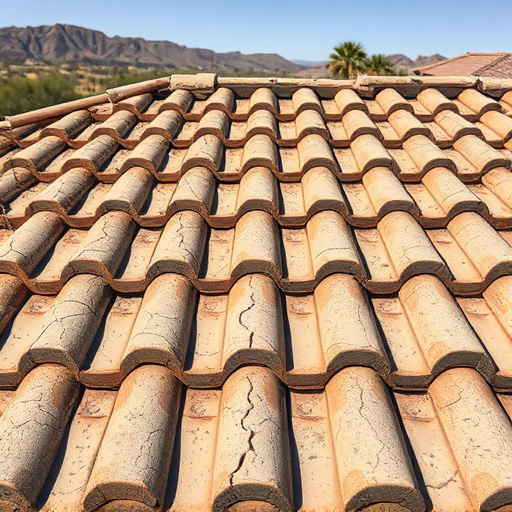
In the aftermath of a storm, homeowners often focus on immediate repairs, but hidden damage can go unnoticed for weeks, even months. This delayed exposure to elements like rain and wind can significantly worsen the situation, leading to costly and complex repairs, including storm damaged underlayment. The challenge lies in identifying these subtle signs, which often aren't visible from the ground. This guide provides a comprehensive, step-by-step approach to spotting storm damage, especially hidden issues that require professional attention. By learning to recognize these indicators, homeowners can ensure timely repairs, protect their investment, and avoid further complications, especially in areas like Oro Valley where wind exposure near Pusch Ridge can be a factor.
- Inspecting for Delayed Storm Damage Signs
- Common Storm Damage Hidden Under Roof
- Understanding Storm Damaged Underlayment Risks
- When to Call a Pro for Roof Inspection
Inspecting for Delayed Storm Damage Signs
Inspecting for Delayed Storm Damage Signs
As the monsoon season kicks in, Oro Valley residents must remain vigilant against hidden storm damage that can emerge weeks after a severe weather event. In Rancho Vistoso and neighboring areas, where wind, hail, and heavy rain are common, it's crucial to understand that not all storm damage is immediately apparent. Look beyond the surface to uncover signs of hidden storm damage, such as compromised underlayment.
The storm damaged underlayment is a crucial component of your roof's protective system, often overlooked until it fails. Underlayment, a layer of material installed beneath the shingles, provides a secondary defense against water intrusion, extreme temperatures, and wind. When exposed to intense storms, hail, or high winds, the underlayment can become damaged, lifting shingles and creating paths for water to penetrate. This damage might not be immediately visible from the ground, but it can lead to significant interior leaks and further roof deterioration.
To identify potential storm damaged underlayment, inspect your roof for lifted or missing shingles, as this could indicate stress on the underlayment. Also, look for unusual stains or damp spots on ceilings and walls, which could signal interior leaks caused by compromised underlayment. If you suspect an issue, don't delay; contact a trusted Oro Valley roofing expert like DC Roofing of Arizona. Our team of certified storm experts will perform a thorough assessment, photograph any damage, and provide a detailed report to support your storm damage insurance claim. Remember, prompt action is key to minimizing further damage and ensuring your home's structural integrity.
Common Storm Damage Hidden Under Roof
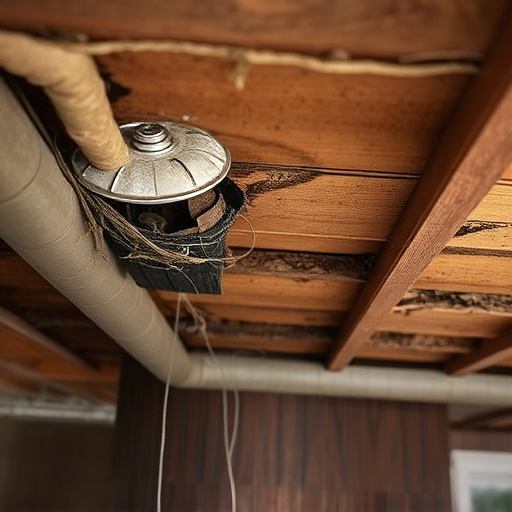
Storm damage can often leave hidden scars on your roof, revealing itself gradually over weeks and even months. These subtle signs can range from discolored spots to lifted shingles, and they're especially common after intense weather events like haboobs and monsoons. One of the most insidious forms of storm damage is that which occurs beneath the surface, in the underlayment. This crucial layer of protection acts as a barrier between your roof and the elements, and when it's damaged, it can lead to significant, costly problems.
While many storm-related issues are readily apparent-missing shingles, torn gutters, or water stains on interior walls-damaged underlayment often goes unnoticed. This is because it's not always visible from the ground. Even a close inspection might not reveal the extent of the damage. A roofing contractor serving Oro Valley and Marana may need to photograph the roof and examine it from the inside and outside to identify problems like delaminated or curled underlayment, which can indicate a breach that allows water to seep in and cause further damage.
The underlayment matters in protecting your roof structure from the constant assault of wind, rain, and sun. When it's damaged, it can't effectively shield your home. This can lead to a variety of secondary issues, including mold growth, rot, and even structural compromise. To avoid these problems, it's crucial to be vigilant. Regularly inspect your roof, especially after severe storms, and be on the lookout for signs of storm-related damage, even if they seem minor. Early detection is key to preventing a deductible-busting surprise when filing a storm damage insurance claim. Remember, even seemingly insignificant damage to your underlayment can have significant consequences down the line.
Understanding Storm Damaged Underlayment Risks
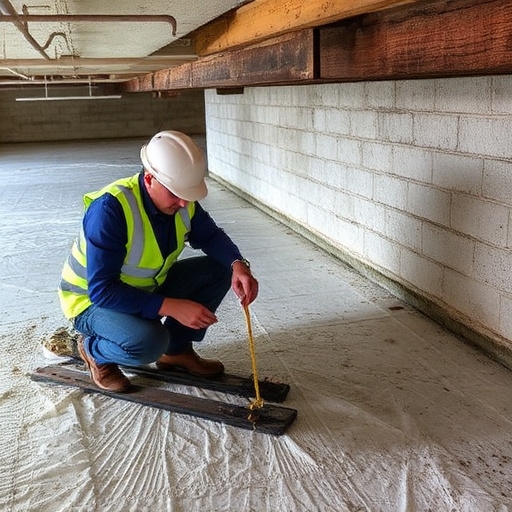
Storm-damaged underlayment is a hidden danger that can cause significant issues long after the initial storm has passed. Underlayment, a crucial layer between your roof and ceiling, protects against water intrusion and provides a solid base for shingles. However, powerful winds, heavy rainfall, and flying debris can all contribute to its damage, often going unnoticed for weeks or even months. This delay in detection can lead to extensive, costly repairs and even health hazards within your home.
One of the most common signs of storm-damaged underlayment is lifted shingles. Strong winds can peel back shingles, exposing the underlayment to the elements. If you notice any lifted or missing shingles after a storm, it's crucial to investigate further. An experienced Oro Valley roof specialist recommends checking the underlayment for any signs of wear, tear, or moisture. Water intrusion through damaged underlayment can lead to mold, mildew, and structural issues within your home. Look for discolored spots or evidence of water stains on the ceiling or walls, which may indicate interior leaks caused by storm-damaged underlayment.
Regular maintenance and inspections are key to identifying storm-damaged underlayment early. Homeowners should conduct visual inspections after severe storms, looking for any loose or missing underlayment. If your home is older, consider hiring a licensed Oro Valley area roofing contractor to assess the underlayment. They can check for signs of wear and tear, water damage, or poor installation, all of which can compromise the integrity of your roof. Remember, an Arizona ROC license ensures the roofer you hire is qualified and insured, protecting you from potential mistakes or misrepresentations. By addressing storm-damaged underlayment promptly, you can prevent further damage, reduce the risk of water intrusion, and ensure the longevity of your roof.
When to Call a Pro for Roof Inspection

Many storm damages aren't immediately apparent. Even after the storm has passed, subtle signs of trouble can indicate hidden issues beneath the surface. One such insidious problem is storm damaged underlayment, which often goes unnoticed until more severe consequences arise. In Oro Valley, where the Catalina Foothills provide a breathtaking backdrop but also expose homes to powerful winds and hail, a thorough roof inspection is crucial.
If you've experienced a storm, especially one with heavy winds, hail, or lightning, don't delay in calling a professional. A licensed Oro Valley area roofing contractor can provide a detailed assessment, including a close examination of your underlayment. This is particularly important if you notice any of the following red flags: missing or broken tiles, lifted shingles, or signs of water intrusion. While some broken tiles may be easily repaired, a larger issue could be at play. Hail damage can vary in severity, and while small impacts might not seem concerning, repeated impacts can weaken your roof's underlayment, making it more susceptible to further damage.
Beyond the initial assessment, a professional inspector can identify storm damaged flashing and parapets, which are vulnerable to wind exposure near Pusch Ridge. They can also spot interior leaks from heavy rain runoff, ensuring that the storm's effects aren't confined to the exterior. Remember, a proactive approach to storm damage is key. Don't wait for a second storm to strike before repairs are completed. Prompt action not only prevents further damage but also provides financial protection, as storm damage insurance claims can be complicated. A roofing expert can help navigate the claims process, ensuring you receive the compensation you're entitled to for repairs, including storm damaged underlayment replacement.
Frequently Asked Questions About a guide to spotting hidden storm damage that shows up weeks later
What is storm damage that appears weeks later? Storm damage may not always be immediately apparent. High winds, heavy rain, and other weather-related events can cause subtle, long-term damage to roofs, walls, and other structures. This hidden damage can include cracks, water seepage, and weakened structural elements. It often surfaces weeks or even months after the initial storm as the effects of the elements wear down vulnerable areas.
How can I tell if I have hidden storm damage? Look for signs such as mold growth, musty odors, water stains on ceilings or walls, peeling paint, or warped doors or windows. Also, check for unexpected drops in energy efficiency or increased noise levels from the exterior. A thorough inspection by a licensed contractor, especially one experienced in post-storm assessments, is crucial to identifying these hidden issues early.
Should I wait to see if damage appears before contacting a professional? No, waiting can worsen the problem. Proactive assessment by a qualified professional is essential. Hidden storm damage, if left unchecked, can lead to more severe and costly repairs. A licensed contractor can perform a detailed inspection and provide recommendations for repair or replacement, ensuring your property is secured and safe.
What should I expect during a post-storm damage inspection? During an inspection, the contractor will thoroughly examine your property, focusing on the roof, exterior walls, windows, and doors. They will look for signs of water intrusion, structural weaknesses, and potential mold growth. The inspector will document findings and provide an estimate for repairs, if needed. This process helps you understand the full extent of storm damage and facilitates a swift recovery.
Can insurance cover this type of damage? Yes, insurance policies typically cover storm-related damage, but it's crucial to review your specific policy. Some policies require immediate reporting of damage, while others may require a waiting period. Keep records of all communications and documentation related to the storm damage for a smooth insurance claim process. A contractor familiar with insurance claims can guide you through the process.
What steps should I take after discovering hidden storm damage? First, contact a licensed contractor for an inspection. Document the damage with photos and notes. If necessary, file an insurance claim and work with your insurer to initiate repairs. After repairs, conduct a final inspection to ensure the work was done correctly and the property is fully restored. Regular maintenance and inspections can help prevent future hidden storm damage.
As you navigate the aftermath of a storm, it's crucial to understand that hidden damage can emerge weeks later. This guide has illuminated key areas of concern, including the prevalence of storm damaged underlayment, a critical component often overlooked. By learning to spot signs of delayed storm damage, such as lifted shingles, interior leaks, and flashing issues, you can ensure timely repairs that prevent further complications.
The insights gained from this article empower you to take proactive measures. Regular inspections, especially before and after monsoon seasons, can reveal hidden vulnerabilities. When in doubt, consult with local roof experts who possess the specialized knowledge to accurately assess storm damage, especially when dealing with underlayment.
Remember, prompt action is crucial. Delaying repairs can lead to more extensive and costly damage. By heeding the signs and working with licensed professionals, you can protect your home, avoid costly surprises, and maintain peace of mind.
Storm Damaged Underlayment: A Hidden Threat in Oro Valley
Oro Valley residents must be vigilant against storm damage that can go unnoticed for weeks. While visible signs like lifted or missing shingles are readily apparent, storm damaged underlayment is often overlooked. Underlayment, a crucial protective layer beneath shingles, can be compromised by intense storms, wind, and hail, leading to interior leaks and further roof deterioration. Regular inspections, especially after severe weather, are vital. Look for lifted shingles, unusual stains, or damp spots on ceilings and walls, indicating interior leaks from damaged underlayment. Contact a licensed Oro Valley roofing contractor for a thorough assessment, as prompt action is key to minimizing further damage and ensuring structural integrity.