
As Oro Valley prepares for another monsoon season, ensuring your roof is storm-ready is crucial. This time of year, intense thunderstorms and powerful winds can cause significant roof damage, from lifted shingles and broken tiles to interior leaks and storm-damaged gutters. The aftermath can be devastating, leading to costly repairs and potential safety hazards.
This guide offers a comprehensive, seasonal checklist to prepare your roof for the next storm. We'll walk you through expert strategies, from securing loose tiles and inspecting for hidden damage to navigating storm repair timelines and understanding your insurance claim process. By the end, you'll be equipped to protect your home and peace of mind.
- Inspect and Clear Roof: Assess damage, remove debris.
- Prepare Gutters: Clean, inspect for storm damage.
- Seal and Protect: Treat leaks, reinforce vulnerable areas.
- Maintain Drainage: Ensure proper water flow, prevent flooding.
Inspect and Clear Roof: Assess damage, remove debris.
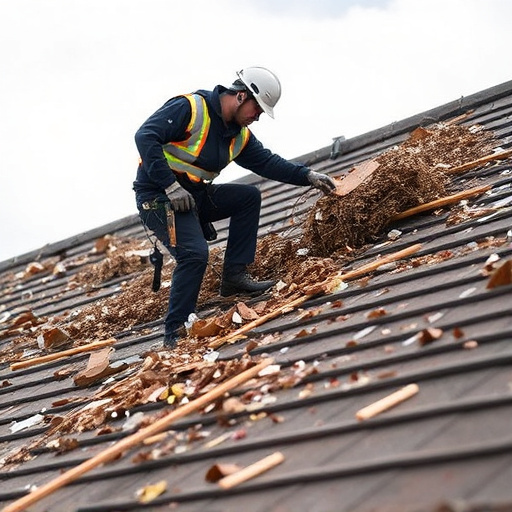
As the National Weather Service Tucson forecasts another active monsoon season, Oro Valley residents must prepare their homes, especially their roofs, for potential damage from wind, hail, and heavy rain. The first step in this process is a thorough inspection and clearing of the roof, which can help prevent more severe and costly storm damage. An experienced Oro Valley roof specialist recommends assessing your roof for any damage and clearing it of debris before the monsoon season hits Marana and the surrounding areas.
Start by examining your roof for any signs of damage, such as lifted or missing shingles, broken tiles, or exposed underlayment. These issues can be exacerbated by wind-driven rain and flying debris, leading to interior leaks and further damage. Heavy rainfall can cause flash flood runoff, which can enter homes through damaged gutters and roof vents, especially if the underlayment has been compromised. Look for signs of water intrusion, discolored ceilings, or stains on the walls, which might indicate interior leaks.
Once you've assessed the damage, it's crucial to clear your roof of any debris, including tree limbs, leaves, and branches. These can obstruct rainwater runoff and potentially cause further damage during heavy storms. Securing loose tiles before the monsoon is crucial to prevent them from becoming projectiles during a microburst or hailstorm. Remember, a well-maintained roof can significantly reduce the risk of storm damage and the associated financial burden, which is often determined by your deductible. Prompt action and regular maintenance can make all the difference in protecting your home during the next storm.
Prepare Gutters: Clean, inspect for storm damage.

Gutter preparation is a crucial step in safeguarding your Oro Valley home's roof against the onslaught of monsoon season. As the National Weather Service Tucson forecasts potential severe storms, ensuring your gutters are clean and in optimal condition is essential. A licensed Arizona roofer emphasizes the importance of this task, as it can prevent costly storm damage.
Start by clearing out any debris, leaves, or branches that have accumulated in your gutters. This simple act allows water to flow freely, reducing the risk of clogs and overflows. Inspect the gutters for any signs of damage, especially after a particularly intense storm. Cracked or broken gutters can lead to serious interior leaks after heavy rain, so repairing or replacing them promptly is vital. Look for lifted shingles or cracked tiles near the gutters, as these could indicate storm damage that requires immediate attention.
Underlayment, a protective layer beneath your roof shingles, is another aspect to consider. Over time, it can become damaged or weakened, making your roof more susceptible to storm damage. Regularly check for any signs of wear and tear, especially in areas prone to high wind exposure near Pusch Ridge. A thorough inspection can help identify potential problems, ensuring your roof is in its best condition to withstand the monsoons. Remember, taking proactive measures like these can make a significant difference in the event of a storm, potentially saving you from second storms and hidden damage before the next monsoon.
Seal and Protect: Treat leaks, reinforce vulnerable areas.

Preparing your roof for the Oro Valley monsoon involves a systematic approach to seal and protect against potential storm damage. This is particularly crucial as the region's unique weather patterns, including intense thunderstorms and high winds, can cause significant wear and tear on roofing systems. One of the first steps is to address any existing leaks, as these can turn into major issues during heavy rainfall. Broken tiles or lifted shingles can expose the underlayment to water intrusion, leading to interior leaks and costly damage. A roofing contractor serving Oro Valley and Marana recommends regular inspection to identify and fix these problems before the monsoon season.
In areas prone to severe storms, such as those near Pusch Ridge, reinforcing vulnerable parts of the roof is essential. This includes checking and sealing flashing and parapets, which often bear the brunt of wind-driven rain and flying debris. The process involves applying a barrier to protect these critical joints and edges, preventing water from seeping in. Reinforcing the underlayment-the layer between the shingles and the roof deck-can significantly enhance a roof's storm resistance. A licensed roofer with an Arizona ROC license advises using high-quality materials to secure loose tiles and ensure the underlayment stays in place during the monsoon.
For homeowners dealing with storm chasers-unscrupulous contractors who exploit emergency situations-it's crucial to exercise caution. Reputable local experts recommend verifying the legitimacy of any contractor before signing a contract. A proper storm damage repair should follow a structured timeline: quick assessment, urgent quotes, and then prompt, detailed repairs. After a hailstorm, homeowners should photograph any damage for insurance claims and ensure that the repair team replaces missing or broken solar panels, skylights, and gutters as part of the storm-damaged underlayment replacement. By taking these proactive steps, Oro Valley residents can safeguard their properties and minimize the impact of the next monsoon.
Maintain Drainage: Ensure proper water flow, prevent flooding.

Maintaining proper drainage is a crucial step in preparing your Oro Valley roof and home for the next monsoon season. Storms can bring heavy rainfall, and efficient water flow is essential to prevent damage from flooding and water intrusion. One of the most common issues after a storm is clogged or blocked gutters, which can lead to water pooling on the roof and around the foundation.
Regularly cleaning and inspecting your gutters is an important task. An experienced Oro Valley roof specialist recommends scheduling this maintenance before the monsoon season. Look for any debris, such as leaves, branches, or even small animals, that might obstruct the flow. It's also wise to ensure downspouts are clear and functioning correctly, allowing water to be directed away from the building's foundation. When gutters are clean and unclogged, water can flow freely, reducing the risk of flooding and the potential for storm damage.
Take time to check the condition of your roof's flashing and underlayment. Flashing, which lines the edges of your roof, can become damaged during storms, allowing water to seep in. Over time, flashing can become loose or corroded, especially in areas with high wind exposure, like near Pusch Ridge. A thorough inspection can help identify any vulnerabilities. Similarly, the underlayment, a protective layer beneath the shingles, may be damaged by hail or wind-driven debris, making it vulnerable to water intrusion.
Documenting any storm damage through photo documentation is another valuable practice. Take pictures of the roof and gutters from multiple angles to capture any issues, such as lifted shingles, broken tiles, or storm-damaged flashing. These images can be crucial when filing a storm damage insurance claim, providing clear evidence of the storm's impact. Remember, proper drainage and regular maintenance are key to safeguarding your Oro Valley home from the potential destruction of heavy monsoon rains.
Frequently Asked Questions About Seasonal Advice on Preparing a Roof for the Next Monsoon
What is the best time of year to prepare my roof for monsoon season?
The optimal time to get your roof ready for monsoon season is during the spring. This allows enough time for any necessary repairs or replacements to be completed, ensuring your roof is in top condition to withstand the intense rainfall and strong winds that follow. By planning ahead, you can avoid last-minute rush jobs and potential damage during the monsoon.
How can I identify if my roof needs repair before monsoon?
Regular inspections are key. Look for signs like missing or damaged shingles, flashing that's loose or corroded, or water stains on the interior ceiling. These are indicators that your roof may need attention. A professional roofing contractor can conduct a thorough inspection, identifying potential issues and providing recommendations for repairs.
What types of damage should I expect during monsoon season?
Monsoon season can cause significant damage, including blown-off shingles, collapsed gutters, and water intrusion. Strong winds can lift heavy objects and throw them against your roof, resulting in punctures or cracks. Flashing around chimneys and vents becomes vulnerable to rust and separation, allowing water to enter the attic and cause structural damage.
Should I be concerned about the longevity of my roof during monsoon?
Absolutely. Monsoon conditions can accelerate the natural aging process of your roof. The constant exposure to heavy rainfall, high humidity, and intense UV rays can weaken materials, compromising the roof's integrity. Regular maintenance and repairs are essential to extend the lifespan of your roof and ensure it provides adequate protection during monsoon.
What materials are best suited for roofs in areas prone to monsoon?
For regions with monsoon climates, flat or low-sloped roofs with proper drainage systems are recommended. Materials like tile, metal, or high-quality shingles that can withstand high winds and heavy rainfall are ideal. It's crucial to choose products that are designed for durability and longevity in such conditions, ensuring a more robust defense against the elements.
How often should I have my roof professionally inspected?
It's advisable to have your roof inspected at least once a year, especially in areas prone to monsoon. Regular professional assessments help identify potential issues early on, making repairs more manageable and cost-effective. This is a proactive step to ensure your roof remains in top condition and provides reliable protection throughout monsoon season.
As the Oro Valley area prepares for another monsoon season, homeowners must prioritize their roof's health to mitigate storm damage. This article has provided an essential guide to safeguarding your property, from inspecting and clearing roofs to maintaining proper drainage. By removing debris, cleaning gutters, and addressing leaks, you can protect against storm-driven hazards like flying debris, heavy rain, and lightning.
The key takeaways are clear: regular maintenance, thorough inspections, and proactive measures are crucial. Securing loose tiles, reinforcing vulnerable areas, and ensuring optimal drainage are essential steps to safeguard your roof and home. Being vigilant about storm-damaged gutters can prevent interior leaks and potential flooding.
By following these recommendations, Oro Valley residents can rest assured that their roofs are better equipped to withstand the challenges of the next monsoon. This proactive approach not only offers peace of mind but also demonstrates a commitment to protecting one's investment and ensuring the long-term integrity of the roof.
Oro Valley residents must prepare roofs for active monsoon season (Tucson NWS forecast).
Key Steps:
1. Inspect for Damage: Check for lifted or missing shingles, broken tiles, exposed underlayment, and water intrusion signs.
2. Clear Debris: Remove tree limbs, leaves, and branches from roofs to ensure proper rainwater runoff.
3. Secure Tiles: Reinforce loose tiles to prevent them from becoming projectiles during storms.
4. Prepare Gutters: Clear out debris, inspect for damage, and ensure proper water flow to prevent clogs and overflows.
5. Address Leaks: Fix existing leaks and reinforce vulnerable parts like flashing and parapets.
6. Verify Contractors: Exercise caution when hiring storm chasers; verify legitimacy and follow structured repair timeline.
7. Document Damage: Take photos of storm damage for insurance claims.
Practical Takeaways:
- Regular maintenance and inspections prevent costly storm damage.
- Proper drainage and gutter cleaning reduce flooding and water intrusion risks.
- Quick action and documented evidence are crucial for insurance claims.