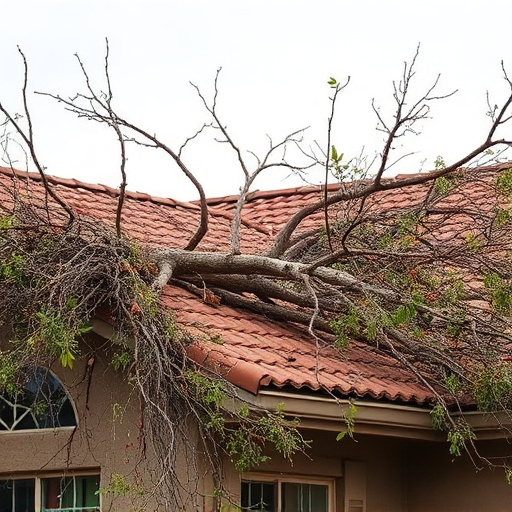
Storm damage can leave your Oro Valley home vulnerable to further harm, especially if critical components like flashing, parapets, and underlayment are affected. These elements, often overlooked, play a crucial role in protecting your roof and interior from the relentless force of storms, winds, and hail. A second storm before repairs can exacerbate the damage, making it imperative to spot hidden issues from the ground and secure loose tiles before monsoon season hits. DC Roofing of Arizona, your local roof experts, offers emergency repairs and accurate inspections to ensure your home is protected. With our IICR certification and Storm Restoration Association membership, we provide peace of mind, budget-friendly solutions, and efficient storm repair timelines, serving Oro Valley and Marana with pride.
- Assessing Storm Damage: Flashing, Parapets, Underlayment
- Identifying Common Storm-Related Flashing Failures
- When to Replace: Understanding Underlayment Damage
- Second Storm: Timing Repairs for Optimal Protection
Assessing Storm Damage: Flashing, Parapets, Underlayment
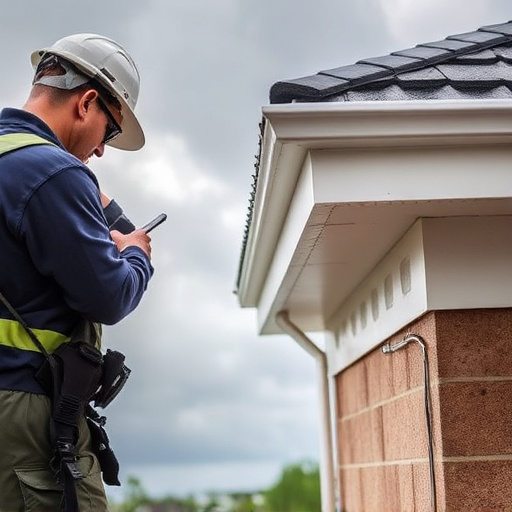
When assessing storm damage, many homeowners focus on the obvious: lifted shingles, broken tiles, and visible leaks. Yet, three critical components often go overlooked until later: flashing, parapets, and underlayment. These elements form the roof's first line of defense against the elements, and damage to them can lead to long-term problems, including interior leaks and structural instability.
Let's break down each component. Flashing, a thin layer of waterproof material, seals the joints between materials, preventing water from seeping into the roof system. Storm damage, like high winds and hail, can cause flashing to become loose or torn, creating entry points for water. Parapets, vertical structures at the edge of a roof, also act as a barrier against the elements, directing water flow away from the building. Severe storms, such as the powerful haboob winds common in our region, can lift or damage parapets, compromising their effectiveness. Underlayment, a layer beneath the shingles, provides extra protection against leaks and acts as a buffer against extreme weather. It can be torn or lifted by strong winds, leaving the roof vulnerable.
Before considering repairs after the first storm, it's crucial to assess these components from the ground. Look for signs of damage, such as bulging or missing flashing, parapets with visible gaps, or underlayment that appears torn or lifted. A local roofing company serving Oro Valley can help with this initial assessment. Once identified, these issues should be addressed promptly to prevent secondary damage. The second storm before repairs might exacerbate these problems, leading to more extensive and costly fixes. Always consult with a qualified insurance adjuster to ensure your claims are accurate and comprehensive, covering the necessary repairs to these critical components.
Identifying Common Storm-Related Flashing Failures
Storms, especially during the monsoon season in Rancho Vistoso, can be brutal on your home's roof. One of the most vulnerable components often overlooked during these events is flashing. Flashing, a thin layer of waterproof material, seals the joints and openings in your roof, protecting against water intrusion. However, it's not invincible. Let's identify common storm-related failures in flashing and understand how to address them, particularly after a second storm before repairs.
Hail, a common monsoon-season occurrence, can cause significant damage to your roof, including tearing or puncturing the flashing. High winds, another frequent visitor during storms, can lift shingles and tiles, exposing the flashing beneath. This can create openings that allow water to seep into your home, leading to interior leaks and potential structural damage. An experienced Oro Valley roof specialist emphasizes the importance of regular inspections, especially after severe storms, to identify loose or damaged flashing before it becomes a bigger problem.
Parapets and underlayment also play a crucial role in protecting your roof and home. Parapets, the vertical walls along the roof's edge, can be damaged by falling debris, such as tree limbs, during a storm. This can expose the underlayment, a layer of protective material beneath the shingles, to the elements. Over time, a damaged underlayment can lead to flashing issues as well, as water can find its way through weakened areas. After a storm, it's vital to assess not just the visible damage but also to check for hidden issues, like a second storm trying to make repairs before the initial one is fully addressed.
When addressing storm damage, timely action is key. After a storm passes, a quick assessment can help you identify flashing, parapet, and underlayment issues. Contacting a local roof expert who specializes in storm restoration is advisable. They can provide prompt estimates, offer budget-friendly repairs, and ensure your home is protected from future storms. Remember, securing loose tiles before the next monsoon season and addressing storm damaged flashing and underlayment are critical steps in maintaining your home's integrity.
When to Replace: Understanding Underlayment Damage
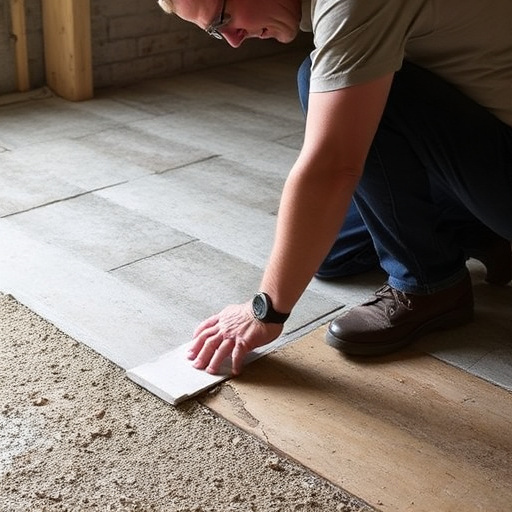
Storm damage can be devastating, and one of the critical components to assess is the underlayment. The underlayment, a crucial protective layer beneath the shingles, matters in preventing water intrusion and safeguarding the roof structure. Understanding when to replace it is essential, as it can mean the difference between a temporary fix and a long-term solution.
When a storm hits, strong winds and heavy rain can wreak havoc on your roof. In Oro Valley, where wind exposure near Pusch Ridge is a factor, the impact can be even more severe. After a storm, it's crucial to inspect the underlayment for damage, especially if your roof has sustained significant hail or wind-driven rain damage. Look for signs like lifted shingles, broken tiles, or exposed flashing. If the underlayment is torn, punctured, or no longer seamless, it's likely time for a replacement. A local roofing company serving Oro Valley with an Arizona ROC license will recommend a full assessment, including photo documentation, to ensure all damage is accounted for.
The process of replacing the underlayment involves removing the old material, repairing or replacing flashing and parapets (wall structures at the roof's edge), and installing new underlayment. It's a meticulous job that requires expertise. Ignoring underlayment damage can lead to interior leaks, mold growth, and even more costly repairs. A second storm before proper repairs can exacerbate the issue, creating a cycle of damage and restoration. Therefore, prompt action is crucial. Remember, professional assessment is key; a certified storm expert can provide accurate advice, ensuring your roof is protected for the long term.
Second Storm: Timing Repairs for Optimal Protection
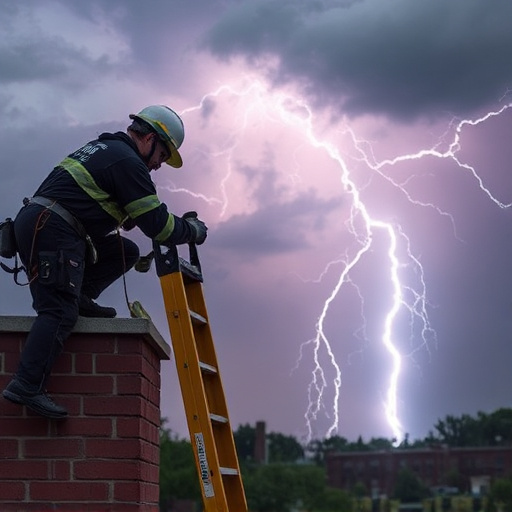
When considering the timing of storm damage repairs, especially after a significant event like a monsoon season or a severe hailstorm, homeowners in Oro Valley must be mindful of the risk of a second storm. The National Weather Service Tucson consistently warns about the dangers of waiting too long, as unaddressed damage can lead to further complications and more extensive repairs.
A local roofing company serving Oro Valley recommends that repairs should ideally be completed before the next storm hits. This is crucial for several reasons. First, a second storm could exacerbate existing damage, causing further leaks and structural issues. Lifted shingles from the first storm could be blown away during a subsequent event, leaving the roof vulnerable to additional hail damage. Interior leaks after heavy rain from a second storm could result in mold and mildew growth, posing health risks and increasing restoration costs.
Timing is especially critical when dealing with hail damage, as the size and intensity of hail can vary greatly. After a severe hailstorm, a thorough roof inspection is essential to identify any hidden damage. The roofing experts at DC Roofing of Arizona, for example, conduct meticulous inspections to assess hail damage by roof type. They know that securing loose tiles before the next monsoon season is paramount to prevent further exposure to wind and debris. Similarly, storm damaged underlayment should be replaced promptly to maintain the roof's integrity and protect against flash flood runoff.
The process of filing a storm damage insurance claim with your carrier can also impact the timing of repairs. It's advisable to consult with a public adjuster for roof claims, who can help navigate the claim process and ensure you receive adequate compensation. Once the claim is approved, repairs should commence as soon as possible. Otherwise, you risk losing out on the protection offered by your insurance policy, especially if another storm strikes before the repairs are completed.
What is the most common type of storm damage to a roof?
The most common type of storm damage is caused by high winds, which can rip shingles loose, tear off flashing, and even lift up entire sections of roofing. Water intrusion is a significant concern, as strong winds can force rainwater under the roof's edges, compromising the integrity of parapets and underlayment. Flashing, designed to seal joints and prevent water seepage, is particularly vulnerable to wind damage, leading to costly leaks.
How can I protect my roof from storm damage?
Protecting your roof from storm damage involves several steps. Regular maintenance, including inspecting and securing flashing, is crucial. Ensure your roof is properly sealed at all joints and edges to prevent water intrusion. Using high-quality, wind-resistant materials for your roofing and underlayment can significantly enhance durability. Consider investing in impact-resistant shingles or tiles, which are designed to withstand extreme weather conditions.
What should I do if my flashing is damaged during a storm?
If your flashing is damaged, it's essential to act quickly to prevent further water intrusion and potential structural damage. Temporary repairs can be made with sealants or tape, but these are only fixes until a professional roofer can assess and replace the damaged flashing. Promptly contacting a licensed roofing contractor like DC Roofing of Arizona for an inspection and repair is recommended to ensure your roof's longevity.
Can damaged parapets be repaired or do I need a complete replacement?
Parapets can often be repaired rather than replaced, depending on the extent of the damage. Minor cracks or breaks can be filled and sealed with appropriate materials. However, if the damage is extensive, affecting structural integrity, a replacement might be necessary. A professional roofer will evaluate the parapet's condition and advise on the best course of action, ensuring a safe and secure repair or replacement.
What is the role of underlayment in preventing storm damage?
Underlayment, a protective layer beneath the roofing, matters in storm damage prevention. It acts as a secondary barrier against water intrusion, especially when the primary roof covering is damaged. High-quality underlayment, such as those with enhanced water resistance, can significantly reduce the risk of leaks and mold growth during severe weather events. Regular inspection and replacement of underlayment as needed are essential for roof longevity.
Storms can cause significant damage to a home's roofing system, particularly to flashing, parapets, and underlayment. Assessing and addressing these components is crucial for long-term protection. By understanding common storm-related failures in flashing, knowing when to replace underlayment, and planning repairs strategically, homeowners can ensure their roofs are secure during and after severe weather. A key takeaway is the importance of timing repairs, especially considering the potential for a second storm before repairs are complete. This proactive approach, guided by expert advice, is vital to protect against hidden storm damage and interior leaks, ensuring peace of mind and financial protection for your home.
Storm Damage: Don't Let a Second Storm Ruin Your Roof
While many homeowners focus on visible storm damage, three critical components often go overlooked: flashing, parapets, and underlayment. These components form the roof's first line of defense. Damage can lead to long-term problems.
Before the Second Storm:
- Inspect flashing, parapets, and underlayment from the ground. Look for bulging, missing flashing, gaps in parapets, or torn/lifted underlayment.
- Address issues promptly to prevent secondary damage.
- Consult a qualified insurance adjuster for accurate claims and comprehensive repairs.
Key Takeaways:
- Regular inspections, especially after storms, are crucial.
- Repairs before the next storm can prevent further damage and extensive, costly fixes.
- Ignoring underlayment damage can lead to interior leaks, mold, and more costly repairs.
- Prompt action and expert assessment are essential for long-term roof protection.