Storm damage can be devastating for Oro Valley homeowners, with winds, hail, and flying debris causing extensive roof damage. Documenting this damage before repairs begin is crucial, as it protects your financial investment and ensures work is done correctly. Unfortunately, navigating the aftermath of a storm can be overwhelming, making it easy to overlook hidden storm damage or underestimate the extent of the problem. This article provides expert guidance on creating a thorough storm damage roof repair damage checklist, from identifying wind-driven tile leaks and hail size to securing loose tiles before the next monsoon and navigating storm chaser roofers. By the end, you'll be equipped to document storm damage effectively, file a storm damage insurance claim, and ensure your home is protected.
- Assess Storm Damage: Prioritize Roof Safety
- Document Flying Debris Impact: Details Matter
- Create Comprehensive Photo Evidence
- Note Repairs Required: Plan for the Future
Assess Storm Damage: Prioritize Roof Safety
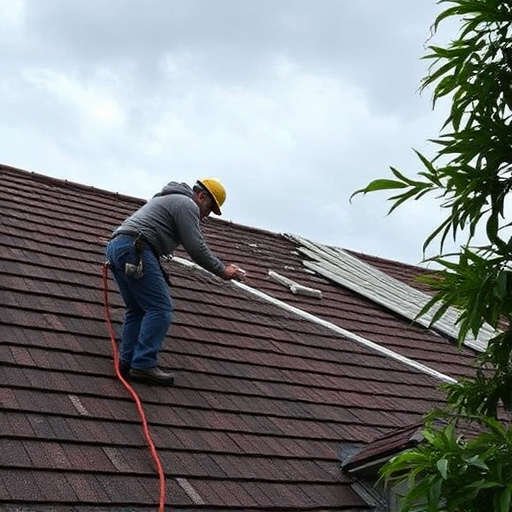
When assessing storm damage, especially during the monsoon season, prioritizing roof safety is paramount. As a licensed Oro Valley area roofing contractor, we've seen our fair share of storms and the subsequent challenges they bring. Flying debris roof damage can range from minor to severe, so a thorough inspection is crucial before repairs begin. This involves not only identifying visible damage but also understanding potential hidden issues that could compromise the integrity of your roof.
Start by walking the entire perimeter of your home, looking for loose or missing shingles, tiles, or flashing. These are clear indicators of storm damage and should be addressed immediately. During a recent monsoon, a client in Oro Valley noticed lifted shingles and broken tiles, both signs of wind-driven rain damage. Next, check for water intrusion, which might not be immediately apparent. Look for stains, discolored areas, or visible leaks in the attic or ceilings. Interior leaks after heavy rain can be challenging to spot, but they can lead to significant damage if left unaddressed.
To visual inspections, consider the severity of the storm and your roof's vulnerability. Hail damage, for example, can vary greatly in size and intensity, with larger hail causing more extensive roof damage. Assess your roof's exposure to wind, particularly if you live near areas like Pusch Ridge, where wind conditions can be severe. Look for signs of hidden storm damage, such as storm damaged underlayment or flashing, which might not be visible from the ground. Remember, a thorough assessment can help prevent second storms from causing further damage before repairs are complete.
Document Flying Debris Impact: Details Matter

Documenting the extent of flying debris roof damage is a crucial step in the storm damage repair process. When strong winds and intense storms hit Oro Valley, it's common to see debris like tree limbs, branches, and even larger objects like wood from damaged structures, landing on rooftops. This can cause a range of issues, from punctures and tears in the roofing material to damage to underlayment and flashing. A local roofing company serving Oro Valley emphasizes the importance of thorough photo documentation as the first step after a storm.
Before repairs begin, homeowners and property managers should take time to meticulously photograph the entire roof and surrounding areas, especially focusing on damaged sections. These photos serve as irrefutable evidence of the storm's impact, and can be invaluable when filing an insurance claim. Close-up shots of lifted shingles, broken tiles, and scuppers blocked with debris can highlight the extent of wind-driven damage. Documenting any interior leaks resulting from storm damage, such as those caused by damaged flashing or penetrations in the roof, is equally important.
Beyond the roof, examine the condition of parapet walls, as they can be vulnerable to flying debris. Take photos of any visible damage, including cracks or missing sections, as these details can be crucial when assessing the overall storm damage. In the aftermath of a severe storm, it's not uncommon to discover hidden damage that wasn't immediately apparent. Proper photo documentation, along with a thorough inspection by a professional roofing contractor, ensures that all storm-related issues are identified and addressed, leading to more accurate repairs and peace of mind for homeowners.
Create Comprehensive Photo Evidence

Documenting storm damage, especially from events like microbursts or severe hail in Oro Valley, is a crucial step in the repair process. Visual evidence, in the form of comprehensive photography, serves as a detailed record for insurance claims and ensures that all damage, even hidden or subtle, is accounted for. This is particularly important in areas prone to intense weather, such as Rancho Vistoso, where flying debris roof damage can occur in a flash.
When assessing the damage, a roofing contractor serving Oro Valley and Marana recommends taking multiple photos from different angles and distances. Start with broad shots of the entire roof to capture any visible changes or missing sections. Then, focus on close-ups of individual areas with damage, such as lifted shingles, broken tiles, or storm-damaged flashing. Don't overlook details like flashing around skylights or solar panels, as these areas can be particularly vulnerable. Remember, the goal is to create a visual timeline of the storm's impact, so document both the obvious and subtle effects.
To capturing the obvious, look for signs of hidden damage, such as interior leaks after heavy rain or mold growth caused by flash flood runoff. Check for storm-related issues with gutters, downspouts, and the underlayment beneath the shingles. Even if repairs seem minor, taking these detailed photos will help ensure a comprehensive claim and facilitate a faster, more accurate restoration of your Oro Valley property to its pre-storm condition.
Note Repairs Required: Plan for the Future

When assessing storm damage, it's crucial to document all repairs required, especially when dealing with flying debris roof damage. This meticulous process is a critical first step in the roof repair journey, ensuring you have a clear understanding of the extent of the damage and what needs to be done. It's also a vital step to protect your interests and budget, especially when dealing with insurance claims.
Start by carefully inspecting your roof for any signs of damage. Look for lifted shingles, missing tiles, or damage to the underlayment, which is the protective layer beneath the shingles. In Marana, where wind exposure can be high, especially near areas like Pusch Ridge, it's not uncommon to find evidence of flying debris roof damage, including broken or shattered shingles and damaged parapet walls. These walls, which line the edges of your roof, can take a significant beating during storms, so assess them thoroughly. Take note of any loose tiles or shingles that need securing before the next monsoon season.
During your assessment, photograph the damage from multiple angles. These images will be invaluable when filing an insurance claim or working with a public adjuster. Documenting the damage is also essential for planning future repairs. If a microburst or haboob caused significant damage, it's crucial to know the extent of the uplift and potential wind-driven rain tile leaks. This information guides the repair process and helps prevent hidden storm damage from going unnoticed. A licensed Oro Valley area roofing contractor can provide expert guidance on these matters, ensuring you're well-prepared for the repair process and any potential claims.
Frequently Asked Questions About advice on documenting storm damage before repairs begin
What is the importance of documenting storm damage before repairs start?
Detailed and accurate documentation is crucial for several reasons. It serves as a reliable record of the pre-repair condition of your property. This can be invaluable if there are any disputes about the extent of the damage or the quality of future repairs. A well-documented assessment can protect your interests and ensure you receive the compensation you're entitled to from your insurance provider or the responsible party.
Who should I involve in the documentation process?
You should involve multiple parties to ensure a comprehensive and unbiased record. This includes taking photos or videos of the damage yourself, noting the date and time of your observations, and consulting with a licensed contractor or insurance adjuster who can assess the damage objectively. Documenting the damage together can prevent misunderstandings and facilitate a quicker resolution.
What types of information should I include in the documentation?
Capture clear, detailed images of all visible damage, including close-ups of specific issues. Note the location, extent, and severity of the damage. Keep a log or written record of the following: the date and time of your inspection, a description of each damage area, the materials affected, and any initial assessments of the cause. This information provides a comprehensive overview for future reference.
Can I use my own photos for insurance claims?
Absolutely. Most insurance companies accept personal photographs as evidence of storm damage, provided they are clear, relevant, and accurately depict the damage. Ensure your photos are well-lit, show the damage from various angles, and include clear markers for scale. Avoid using filtered or edited images. The insurer will review these images alongside your written description to assess the claim.
What if I can't access my property due to the storm damage?
In such cases, document what you can from a safe distance. This could include taking photos of the damage from outside, noting any visible changes, and speaking with neighbors or local authorities who may have witnessed the storm's impact. If access is restored later, supplement this information with a more detailed assessment from a professional. This multi-faceted approach ensures you capture all relevant data.
Should I contact my insurance provider immediately?
While prompt notification is recommended, it's not always necessary to contact your insurance provider before documenting the damage. First, document the damage thoroughly. Then, reach out to your insurer as soon as possible. They may provide guidance on reporting the claim and suggest steps to secure your property. Following their instructions ensures a smoother claims process.
When dealing with storm damage, especially the extensive and often unpredictable flying debris roof damage, thorough documentation is crucial. Prioritizing safety and understanding the extent of the damage is the first step. By assessing and documenting the impact of debris, you gain valuable insights into the repairs needed, enabling you to create a comprehensive plan.
Photographic evidence serves as a powerful tool, capturing the full scope of the storm's assault on your roof. These images not only help in claims but also provide a historical record, aiding in future storm preparation. Meticulously noting the repairs required offers a strategic roadmap for the future.
Documenting storm damage involves assessing safety, recording debris impact, capturing detailed photos, and noting required repairs. These steps empower homeowners to navigate storm damage claims effectively and secure their roofs against future storms, ensuring peace of mind and home protection.
When facing storm damage, especially in Oro Valley, document flying debris roof damage thoroughly. Inspect the entire roof, looking for lifted shingles, missing tiles, water intrusion, and hidden issues like damaged underlayment. Take multiple photos from different angles to capture the extent of damage for insurance claims and repairs. This meticulous documentation protects your interests, ensures accurate repairs, and prevents further damage from hidden storm impacts. A licensed local roofing contractor emphasizes the importance of this step for comprehensive storm damage assessment and resolution.