Storm damage can wreak havoc on homes, especially in areas prone to intense weather, like Oro Valley. When powerful storms hit, the consequences for your roof can be severe-from lifted shingles and broken tiles to interior leaks and storm damaged flashing and parapets. Skylight storm damage can be particularly damaging, as these areas are often overlooked.
This damage checklist guides you through the initial steps after a storm, highlighting the importance of professional assessment. We'll explore how to secure loose tiles before the next monsoon, the signs of hidden storm damage, and the process of filing a storm damage insurance claim. Our experts at DC Roofing of Arizona are here to help you navigate these challenging times, providing emergency repairs and expert advice.
- Identifying Storm Damage: Flashing, Parapets, and Underlayment
- Assessing Skylight Storm Damage: A Step-by-Step Guide
- Repairing and Replacing: Best Practices for Each Component
- Preventive Measures: Fortifying Against Future Storms
Identifying Storm Damage: Flashing, Parapets, and Underlayment
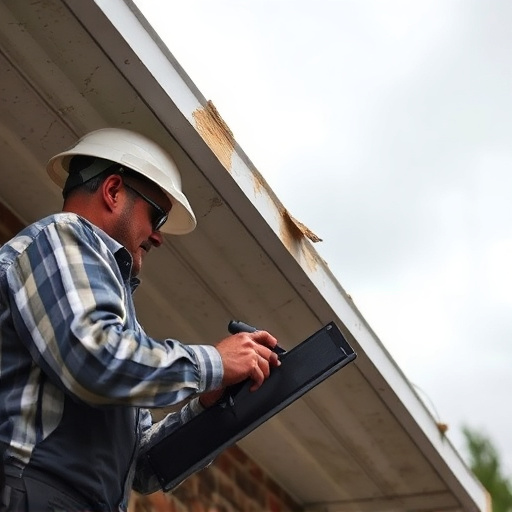
When assessing storm damage, homeowners often focus on the visible impacts to their roof's exterior-shingles, tiles, and gutters. However, overlooking critical components like flashing, parapets, and underlayment can lead to persistent problems, including interior leaks and costly repairs. These hidden areas are particularly vulnerable to wind-driven rain, hail, and flying debris during intense storms, such as those experienced in the Oro Valley and Marana area under National Weather Service Tucson monitoring.
Flashings, which seal the joints between shingles or tiles, can be torn loose or damaged by debris, creating entry points for water. Parapets, the vertical walls that protect the perimeter of a roof, are also susceptible to impacts from falling branches or other debris, leading to cracks or holes that allow water to penetrate. Underlayment, the layer beneath shingles or tiles that provides additional protection against moisture, can be torn or lifted, leaving the roof structure vulnerable.
Inspecting these areas requires careful observation. Look for signs of tearing, missing pieces, or cracks. Ceiling stains, often caused by water intrusion from damaged flashing or underlayment, can be an early indicator of problems. A roofing contractor serving Oro Valley and Marana recommends taking photos of the entire roof from multiple angles to document any damage. These images will not only aid in insurance claims but also provide a comprehensive record for future reference.
Remember, waiting until the next storm to address these issues can exacerbate the damage and lead to even more extensive repairs. Prompt action to repair or replace damaged flashing, parapets, and underlayment can prevent costly interior leaks and ensure your roof is protected for the long term, even during the intense monsoon seasons common to our area. Always consult with a qualified professional to assess and prioritize repairs, keeping in mind your insurance deductible and potential long-term savings.
Assessing Skylight Storm Damage: A Step-by-Step Guide
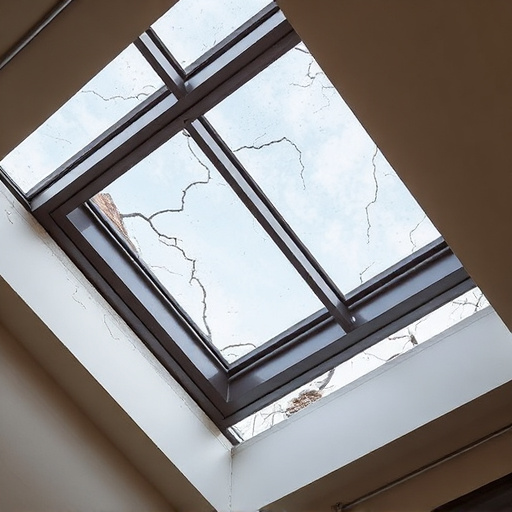
Skylights, with their beauty and functionality, can be particularly vulnerable to storm damage. Strong winds, flying debris, and sudden changes in weather conditions can all contribute to their deterioration. Assessing skylight storm damage requires careful inspection of the surrounding flashing, parapet walls, and underlayment to ensure the safety and integrity of your home.
When examining these areas, look for signs of water intrusion. Check for any visible damage to the flashing-a crucial component that seals the joint between the skylight and the roof. Torn, peeled, or corroded flashing can allow water to seep into your home, potentially causing interior leaks and mold growth. Similarly, inspect the parapet walls, which protect the edges of your roof. Storms can dislodge or damage these walls, creating new entry points for water. Look for cracks, bulges, or any signs of movement, as these could indicate structural weaknesses. The underlayment, a protective layer beneath the shingles, is also susceptible to storm damage. Heavy rain, flying debris, or hail can puncture or tear the underlayment, leaving your roof vulnerable to further deterioration. A licensed Arizona roofer with an Arizona ROC license will be equipped to assess these issues, ensuring proper repairs are made.
To mitigate the impact of future storms, it's essential to address these problems promptly. If you suspect skylight storm damage, document the issues with clear photographs. This visual record will be invaluable when filing an insurance claim or working with a public adjuster. Remember, the sooner you address potential problems, the less likely secondary damage will occur, and the easier and more budget-friendly the repairs will be. Securing loose tiles before the monsoon season can prevent hail damage, and quick assessments by a local roof expert can lead to urgent quotes and swift repairs.
Repairing and Replacing: Best Practices for Each Component

Storms, especially monsoons, can be brutal on a home's exterior, and a close inspection after such an event reveals the true extent of the damage. For flashing, parapets, and underlayment-crucial components of your roof's defense-the impact can be significant. Let's examine the repair and replacement best practices for each, ensuring your home is protected against future storms, including those with heavy rain and strong winds.
Flashing: The Waterproof Barrier
Flashing, often overlooked, is a vital line of defense against water intrusion. It's the thin, flexible material that seals the joints between roof components, preventing water from seeping into the underlayment and sheathing. Storm damage, particularly from high winds and heavy rain, can leave flashing loose or torn. After a storm, inspect the flashing for any signs of damage. If it's lifted or curled, it needs to be reinstalled or replaced. This is a job best left to a licensed Arizona roofer who understands the importance of a proper flashings system for preventing interior leaks. Remember, a small leak now can turn into a big problem later, leading to mold, mildew, and structural damage, not to mention a higher deductible on your storm damage claim.
Parapets: The Windbreak and Guardrail
Parapets, those vertical barriers along the edges of your roof, serve as both a windbreak and a guardrail, protecting against flying debris and providing a safety measure for the roof itself. Storms, especially intense ones like a haboob, can rip off or damage parapets. After a storm, check for any loose or missing sections. If damage is extensive, replacement is often the best course of action. Repairs might seem quick and easy, but incorrect installation can compromise both the structure's integrity and your safety.
Underlayment: The Hidden Shield
The underlayment, or the layer beneath the shingles, is often the first line of defense against water intrusion. It's designed to absorb the impact of falling debris and provide an extra layer of protection against leaks. Storm damage can leave the underlayment torn, lifted, or damaged. It's crucial to inspect the underlayment after a storm, especially if heavy rain followed quickly. If damage is extensive, replacement is necessary. A storm chaser, while tempting to call due to their quick response, might not always prioritize thorough underlayment repairs, leading to future problems. A qualified roofer will assess the damage and replace the underlayment if needed, ensuring your roof is protected from the elements and future storms.
Preventive Measures: Fortifying Against Future Storms
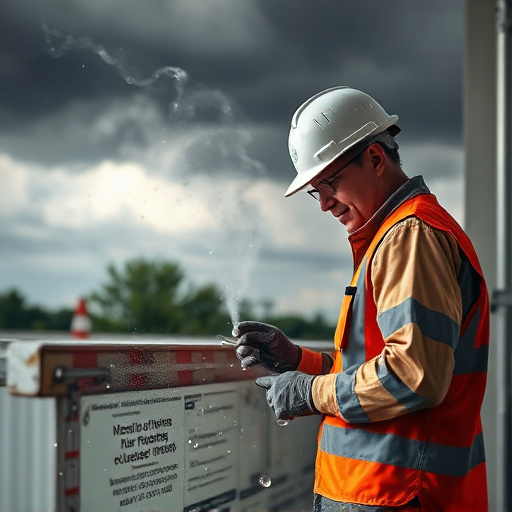
Storms, especially monsoons, bring intense winds, heavy rain, and unpredictable conditions that can cause significant damage to your Oro Valley home, particularly to roofing components like flashing, parapets, and underlayment. These areas are often overlooked during routine maintenance, making them vulnerable to storm damage. Let's break down the specific challenges each faces and explore preventive measures to fortify your home for future storms.
Flashing, designed to seal the joints between roof materials, can be particularly susceptible to lifted shingles and broken tiles during high-wind events. Wind damage can cause flashing to peel back or become disconnected, leading to interior leaks after heavy rain. A licensed Oro Valley area roofing contractor recommends inspecting and securing flashing before monsoon season. Reapplication of sealant and ensuring proper fastening are crucial steps.
Parapets, the vertical walls that surround a roofline, also bear the brunt of storms. Strong winds, flying debris, and even lightning strikes can damage or knock down parapets. Hidden storm damage can occur when debris lodges behind the parapet, leading to problems later. Regular visual inspections, especially after severe weather, can help catch these issues early. Repairs should be handled by professionals to ensure the parapet is restored to its full structural integrity.
Underlayment, the layer beneath the shingles that provides extra protection against water intrusion, is susceptible to hail damage and wear and tear from repeated wind exposure. Hail size plays a significant role; larger hail can puncture or tear underlayment, while smaller hail can weaken it over time. Maintaining a well-ventilated attic and replacing underlayment as needed, per manufacturer recommendations, are essential for protecting against storm damage. Remember, second storms can occur before repairs are complete, so staying proactive is key.
What is storm damage to flashing?
Storm damage to flashing occurs when strong winds, heavy rain, or hail break down or dislodge the metal or synthetic flashing that seals the joints between roof materials. This can lead to water intrusion, causing leaks and potentially serious structural damage. Flashing is often overlooked during roof inspections because it's hidden, but its proper installation and maintenance are crucial for a roof's longevity.
How do parapets protect my roof from storms?
Parapets, or roof parapets, act as a barrier along the edges of your roof, protecting it from strong winds and flying debris during storms. They help divert wind force away from the roof structure and keep heavy objects, like tree branches, from penetrating the roof. Even a well-built roof needs this extra layer of defense against the elements.
What is underlayment, and why is it important during storms?
Underlayment is a protective layer of material laid beneath the shingles or tiles on a roof. It provides extra protection against water, wind, and cold, even if the top covering is damaged. During storms, underlayment acts as a secondary barrier, preventing water from seeping through cracks or openings created by wind damage. Different types of underlayment offer varying levels of protection, so it's essential to use the appropriate material for your climate and roof design.
How can I tell if my roof has been damaged by a storm?
Look for signs like missing or damaged shingles, leaks in the attic or ceiling, dislodged flashing, or water stains on the exterior walls. If you notice any of these issues, contact a licensed Oro Valley area roofing contractor immediately. A professional inspection is crucial to identify hidden damage and prevent further complications.
What should I do if my roof is damaged in a storm?
Safety is paramount. If there's active storm damage or a severe leak, evacuate the premises and contact emergency services. For minor damage, document the damage with photos and contact a reputable roofing contractor like DC Roofing of Arizona for an assessment and repair estimate. Prompt repair after storm damage can prevent more serious and costly problems.
How can I protect my roof from future storm damage?
Regular maintenance and upgrades are key. Keep gutters clean to prevent water buildup, inspect and replace damaged flashing, and consider installing impact-resistant roofing materials. A well-maintained roof is more resilient against storm damage.
As we've explored the intricacies of storm damage to roofing components, particularly focusing on flashing, parapets, and underlayment, several key insights emerge. First, these elements are crucial for a roof's overall integrity and protection against the harsh Arizona monsoon. Proper assessment of skylight storm damage, as outlined in our step-by-step guide, can help homeowners identify issues early, preventing further, often more costly, damage. Repairing and replacing these components requires expert knowledge and best practices, emphasizing the importance of working with licensed and insured professionals. Finally, taking preventive measures, such as securing loose tiles and reinforcing against wind exposure, can fortify your home against future storms. By understanding these key areas, you're better equipped to navigate storm damage, ensure a swift repair process, and protect your investment in your Oro Valley home.
Storm-Ready Roofs in Southern Arizona: Protecting Against Hidden Damage
Intense storms in Oro Valley and Marana require thorough inspections beyond the visible. Flashing, parapets, and underlayment are vulnerable to wind, rain, and debris, leading to persistent problems. Inspect these areas for damage, including tearing, missing pieces, and cracks. Prompt repairs by a qualified roofer prevent interior leaks and long-term damage, especially during monsoon seasons. Document damage with photos for insurance claims, and address issues swiftly to avoid secondary damage and costly repairs.