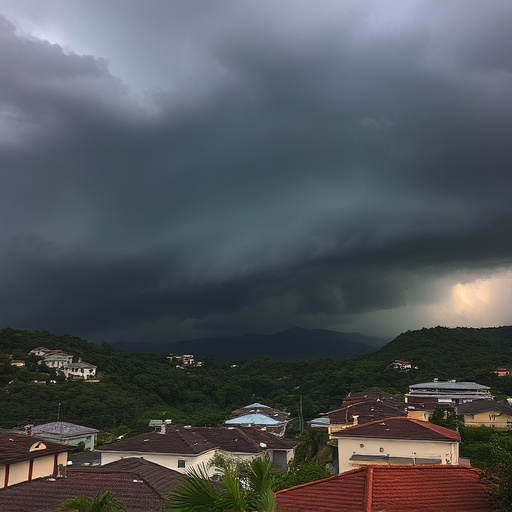
The Oro Valley area faces a unique challenge during the monsoon season, with frequent intense storms bringing heavy rain, strong winds, and even hail. This poses a significant risk to homes, particularly those with solar panels and other vulnerable structures. Each storm brings the potential for extensive damage, from lifted shingles and broken tiles to hidden underlayment issues and interior leaks.
Many homeowners are unaware of the importance of a thorough pre-monsoon roof inspection and proper preparation. This article provides a practical guide to protect your investment, focusing on practical steps to safeguard against storm damage, especially to solar panels, and ensuring your home is ready to withstand the next storm.
- Inspect and Repair: Assess Monsoon-Ready Roof Damage
- Reinforce for Wind: Secure Shingles, Gutters, and Solar Panels
- Protect Against Leaks: Sealant, Flashing, and Drainage Solutions
- Post-Monsoon: Maintain, Clean, and Inspect for Future Preparedness
Inspect and Repair: Assess Monsoon-Ready Roof Damage

When preparing your Oro Valley roof for the upcoming monsoon, a thorough inspection is crucial to identify and address potential storm damage. The National Weather Service Tucson forecasts an active monsoon season, increasing the likelihood of severe weather events like hailstorms and microbursts, which can cause significant roof damage, especially in areas like Rancho Vistoso where wind exposure can be high.
One of the first steps after a storm is to assess the condition of your roof, including your solar panels. Look for lifted shingles, broken tiles, or signs of hidden damage. Interior leaks after heavy rain might indicate storm-related flashing or parapet issues. DC Roofing of Arizona, a local roofing company serving Oro Valley, recommends photographing any damage for insurance claims and to document repairs. Keep in mind that some damage, like lifted shingles, can be hard to spot from the ground.
Check for storm-related damage to your solar panels. While solar panels are designed to withstand most weather, intense wind and hail can cause cracks or disconnections. Inspect the panels for any visible damage, loose connections, or missing components. If you suspect solar panel storm damage, contact a professional solar installer for an assessment. Remember, securing loose tiles before the monsoon season begins is an essential preventive measure, and it can significantly reduce the risk of costly repairs later.
Once you've identified any damage, the next step is to contact your insurance provider to file a claim. Be prepared with detailed photographs and a comprehensive list of the repairs needed. DC Roofing of Arizona offers expert assistance with storm damage claims, ensuring you receive the financial protection you deserve.
Reinforce for Wind: Secure Shingles, Gutters, and Solar Panels
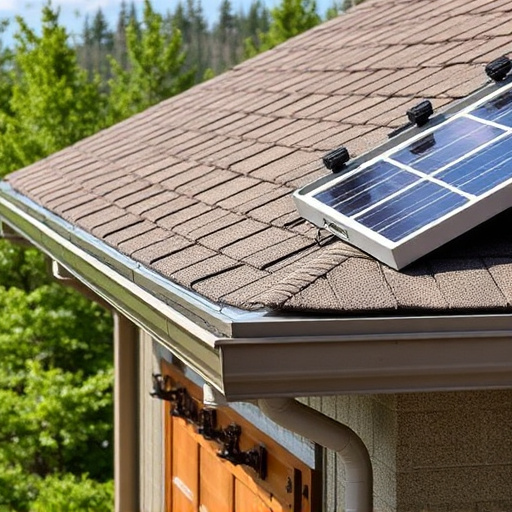
As the monsoon season approaches, the Catalina Foothills become prone to intense weather patterns, including powerful winds and heavy rainfall. Preparing your roof for these conditions is crucial to protect your investment and avoid costly repairs. One of the most important steps in reinforcing your roof for the next monsoon is securing your shingles, gutters, and solar panels.
Secure shingles are essential to withstand the wind-driven rain that often accompanies monsoons. Start by checking for any loose or lifted shingles, a common sign of potential damage. If you notice any, a professional roofer like DC Roofing of Arizona can help by re-securing or replacing them. This simple step can prevent significant damage during the monsoon season. Ensure that your roof's underlayment is in good condition, as it provides an extra layer of protection against wind and water.
Gutters play a vital role in storm protection. Clogged or missing gutters can lead to interior leaks and damage from heavy rain. Regularly clean and inspect them, and consider adding gutter guards to prevent debris buildup. A well-maintained gutter system ensures that water flows away from your home, reducing the risk of flash flood runoff and related roof damage.
For solar panels, monsoon season presents a unique challenge. High winds and debris can cause damage, leading to a costly storm damage claim. Regularly inspect your solar panels for any loose or missing components. Ensure they are securely fastened to withstand strong winds, and consider photo documentation for insurance purposes. Capturing images of your solar panels before the monsoon can serve as proof of their condition, simplifying the claims process if any damage does occur. By reinforcing these key elements, you can significantly reduce the potential for storm-related damage during the monsoon.
Protect Against Leaks: Sealant, Flashing, and Drainage Solutions
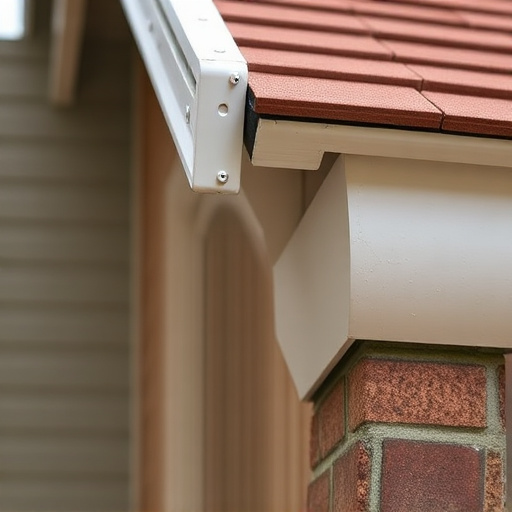
Protecting your roof against leaks during the upcoming monsoon season is crucial, especially with the potential for intense storms and microbursts. The last thing you want is to return home after a fierce haboob to discover interior leaks or storm-damaged solar panels. Here's a deep examine sealant, flashing, and drainage solutions tailored for Oro Valley's unique challenges.
One of the most common monsoon-related issues is wind-driven rain seeping through tiles, especially with older or improperly installed solar panels. To combat this, regularly apply a high-quality sealant around the perimeters of your roof and solar panels. This barrier creates a protective layer, blocking water intrusion and preventing hidden storm damage. A roofer with an Arizona ROC license recommends using a silicone-based sealant, which offers superior flexibility and longevity against extreme weather.
Flashings and parapet walls play a vital role in diverting water away from your roof and home. Examine these areas for any signs of wear or damage, especially after a particularly intense storm. Repairs or replacements may be necessary to ensure proper drainage. Consider the wind exposure near Pusch Ridge, where stronger gusts could compromise even well-maintained flashings. Regular maintenance and prompt repairs can significantly reduce the risk of interior leaks after heavy monsoon rains.
Effective drainage is key to preventing storm damage. Ensure your roof's drainage system is in top condition. This includes cleaning gutters of debris and inspecting downspouts for clogs or damage. Properly functioning drainage allows for the efficient flow of water away from your property, minimizing the impact of flash floods and haboobs. Directing downspout runoff to a well-maintained garden or away from foundations can help mitigate flood risks, protecting both your home and the surrounding landscape.
Post-Monsoon: Maintain, Clean, and Inspect for Future Preparedness

After the monsoon season, your roof has endured potential damage from heavy winds, hail, and intense rainfall. To ensure your roof is ready for the next storm, focus on thorough maintenance, cleaning, and inspection. These steps are crucial for identifying any existing issues and preventing more severe damage in the future.
Start by examining your roof for any loose or missing shingles, tiles, or flashing. This is especially important for older roofs, as age can weaken these components. Keep an eye out for signs of hail damage, which might include small holes or discolored areas. Even if you didn't notice any apparent issues during the monsoon, a post-storm inspection is a good practice. The wind might have blown off a few tiles without you realizing it, leaving your roof vulnerable.
Next, pay close attention to your parapet walls and roof vents. These areas can be susceptible to damage from flying debris, especially during intense storms. Clean out any debris or leaves that have accumulated in gutters and drains, as blockages can lead to interior leaks and ceiling stains after heavy rain. If you have solar panels, inspect them for any visible damage, such as cracked or missing panels, which could have occurred during strong winds or falling debris. DC Roofing of Arizona, a local roofing expert, recommends addressing these issues promptly to ensure the structural integrity of your roof and avoid more costly repairs in the long term.
Lastly, document any repairs or maintenance with photographs. These visual records will be invaluable when filing an insurance claim for storm damage, should the need arise. Regular upkeep and proactive inspection are key to maintaining a robust defense against future storms and securing your home's protection.
Frequently Asked Questions About Seasonal Advice on Preparing a Roof for the Next Monsoon
What is the best time to prepare my roof for monsoon season?
The optimal time to get your roof ready for monsoon is during the spring. This allows ample time for any necessary repairs or replacements, ensuring your roof is in peak condition when the heavy rains arrive. A licensed Oro Valley area roofing contractor like DC Roofing of Arizona recommends starting early to avoid the rush and potential delays that come with the monsoon season.
What types of repairs should I expect to need before monsoon?
Common repairs needed before monsoon involve securing loose shingles, repairing or replacing damaged gutters, and addressing any leaks or cracks in the roofing material. These repairs are crucial to prevent water intrusion and structural damage from the intense rainfall. A local roofing company serving Oro Valley and Marana areas should be able to assess your roof and provide a detailed plan for any required work.
How can I protect my roof from monsoon-related damage?
To safeguard your roof, consider these measures: 1) ensure proper drainage around your home to divert water away from the foundation; 2) inspect and clean your gutters regularly to prevent clogs; 3) reinforce loose or damaged shingles; 4) invest in a quality wind-resistant roofing material recommended for our region.
What are some signs I need a new roof before monsoon?
If your roof is more than 10-15 years old, exhibits significant shingle wear, or has signs of leaks or water damage, it may be time for a new roof. A roofer with an Arizona ROC license can evaluate your roof and advise on the best course of action. A new roof can provide better protection against monsoon weather and potentially save on future repair costs.
Do I need a special warranty for monsoon preparation?
While a standard manufacturer's warranty covers materials, a workmanlike warranty from your roofer is crucial for labor and repairs related to monsoon damage. Some contractors in the Oro Valley area may offer a seasonal warranty specifically covering monsoon-related issues that arise within a certain period after preparation.
How long does it typically take to prepare a roof for monsoon?
Most roof preparations for monsoon take one to two days, depending on the size and complexity of the roof. Planning early and allowing sufficient time for repairs ensures a thorough and thorough job. A roofing contractor serving Oro Valley and Marana areas will be able to provide a more accurate estimate based on your specific roof requirements.
As monsoon season approaches, it's crucial to prepare your roof for potential storm damage. By thoroughly inspecting and repairing any existing issues, reinforcing key areas like shingles, gutters, and solar panels, and implementing effective leak protection, you can significantly reduce the risk of costly storm damage. Post-monsoon, regular maintenance, cleaning, and inspections are vital to ensure your roof remains in top condition for the next storm. Remember, proactive measures like sealing, flashing, and drainage solutions can protect not only your home but also precious assets like solar panels from storm damage, ensuring peace of mind during uncertain weather. This strategic approach to roof preparation demonstrates your commitment to safeguarding your property and offers the best defense against the challenges of the upcoming monsoon season.
As monsoon season approaches Oro Valley, prepare your roof against potential storm damage. Key steps include:
- Inspection: Regularly check for loose or lifted shingles, interior leaks, and hidden damage.
- Secure Shingles & Underlayment: Reinforce against wind to prevent significant damage.
- Maintain Gutters: Keep gutters clean and intact to divert water away from your home.
- Inspect Solar Panels: Ensure secure installation and document their condition for insurance claims.
- Post-Storm Maintenance: Examine roof, parapet walls, vents, and solar panels for damage, clean gutters, and document repairs for insurance.