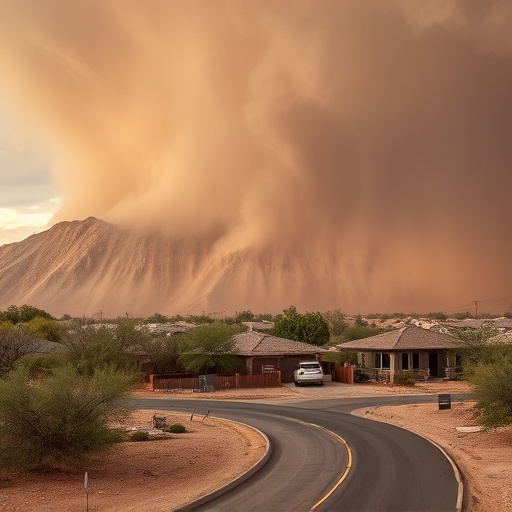
Oro Valley homeowners face unique challenges for roof damage from monsoon storms. These powerful events can leave a trail of destruction, from lifted shingles and broken tiles to interior leaks and storm-damaged flashing. Understanding what to look for and the steps to take immediately after a storm is crucial for minimizing long-term damage and the financial burden of repairs. This guide provides a comprehensive, step-by-step damage checklist and explores the entire storm repair process, from emergency repairs to working with insurance claims, ensuring you're prepared for the next storm and the peaceful mind that comes with a secure roof. Let's demystify the process and empower you to navigate this challenging situation.
- Assessing Roof Damage After a Storm
- Documenting and Filing Claims Efficiently
- Understanding Common Monsoon Storm Damage
- Timeline for Storm Repair and Recovery
Assessing Roof Damage After a Storm
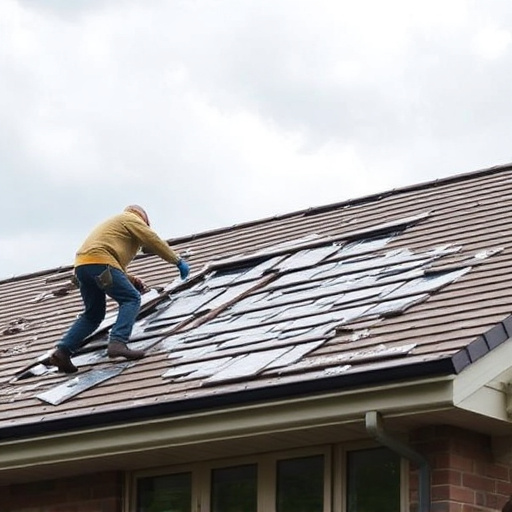
After a monsoon storm, assessing roof damage is crucial for Oro Valley homeowners. The National Weather Service Tucson provides valuable resources for understanding storm intensity and potential impacts. Start by inspecting your roof for any visible signs of damage, such as missing or lifted shingles, broken tiles, or damaged flashing. Flashing, which seals the joints between roof materials, is often overlooked but can be a significant source of leaks.
Next, look for interior leaks, which may indicate storm damage to your roof's underlayment or flashing. Keep an eye out for water stains on ceilings or walls, as these can signal hidden damage. If your home has a skylight or solar panels, inspect these areas for any damage, as they are particularly vulnerable to wind-driven rain and flying debris. Remember, some damage may not be immediately apparent. Tree limb impact can cause hidden damage, so walk around your property and inspect your roof from the ground to spot any issues.
Once you've documented the damage, the next step is to contact your insurance provider. Be prepared to provide detailed notes and photos of the damage, including close-ups of any suspected hail damage. The process of filing a claim can be straightforward, but understanding your policy and deductibles is essential. DC Roofing of Arizona, a local roofing company serving Oro Valley, emphasizes the importance of knowing your coverage limits and deductibles, as this will impact the timeline for repairs. Most storm repairs take one to two days, but severe cases may require additional time, especially if a second storm hits before the initial repairs are complete.
Documenting and Filing Claims Efficiently

After a monsoon storm, the first step in the recovery process for Oro Valley homeowners is to document and file a claim efficiently. This not only speeds up the repair process but also ensures that you have a clear record of the damage for your insurance company. Begin by taking detailed notes of the damage, including photographs of any visible issues. Document areas with water intrusion, which can be difficult to spot but are crucial for insurance claims. Note the extent of the damage, focusing on specific areas like shingles that have lifted or broken tiles. Hail damage can vary widely in severity, so take note of the size of the hail and its impact on your roof.
Next, consider the timeline for repairs. In Oro Valley, storm repairs can typically take one to two days for initial assessments, followed by a few more days for actual repairs, depending on the extent of the damage. Keep in mind that you may face a second storm before repairs are complete, so ensure your roof is properly protected. An experienced Oro Valley roof specialist can provide valuable insights into the storm repair timelines and the best methods to secure loose tiles or repair damaged underlayment before the next monsoon season.
When filing your claim, be sure to include all relevant information and photographs. Your insurance company will likely request detailed documentation, so prepare this in advance. Consider hiring a public adjuster to help you navigate the claims process. They can provide expert advice and ensure that your claim is accurately represented, potentially increasing the amount of compensation you receive. Remember, thorough documentation and prompt action are key to a smooth claims process and a faster restoration of your home's protective barrier against future storms.
Understanding Common Monsoon Storm Damage
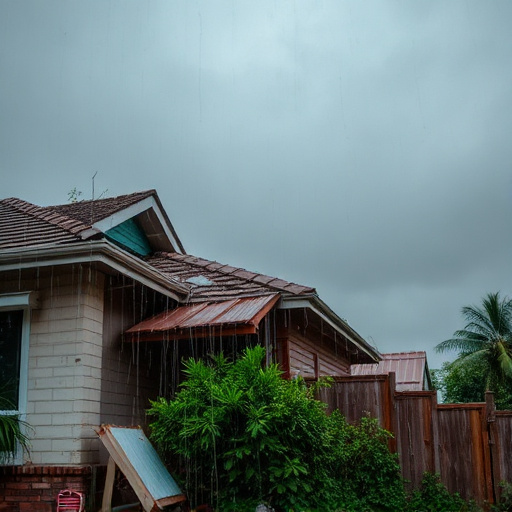
Oro Valley homeowners face unique challenges for roof damage from monsoon storms. These intense, sudden events can leave a trail of destruction, from lifted shingles and broken tiles to interior leaks and storm-damaged flashing. Understanding common monsoon storm damage is crucial for swift action, as timely repairs can prevent further complications.
One of the most destructive forces during a monsoon is the microburst. These localized, powerful gusts can rip through roofs, causing significant damage. Hail, another common occurrence, can range in size from pea-sized to golf ball-sized, each size presenting a different level of risk. A roofing contractor serving Oro Valley and Marana advises that hail damage often manifests as cracked or punctured shingles, as well as damaged gutters and downspouts. Inspection should include a thorough look at parapet walls, which can be vulnerable to both wind and falling debris.
Beyond the immediate impact, monsoon storms can also cause hidden damage. Flash flood runoff can erode shingles and underlayment, while strong winds near areas like Pusch Ridge can expose roofs to increased risk. Lightning strikes during storms pose a fire hazard, and the subsequent cleanup can be extensive. A severe storm might leave a home with interior leaks, requiring a professional to assess and repair damaged flashing or a lifted roof shield. Homeowners should be vigilant, as a second storm before repairs are completed can exacerbate the problem, leading to longer storm repair timelines.
In the aftermath, document damage with photographs, as these will be valuable for insurance claims. Consider working with a public adjuster who specializes in roof claims to ensure a fair settlement. Remember, timely action is crucial. Prompt estimates and swift repairs from a reputable local roof expert can help protect your home and peace of mind during these challenging times.
Timeline for Storm Repair and Recovery
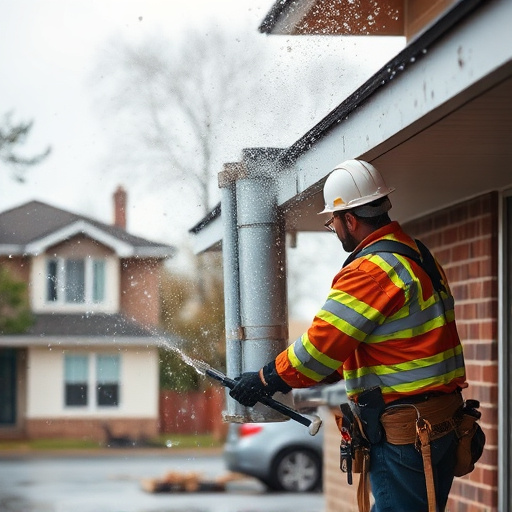
After a monsoon storm, Oro Valley homeowners often face a rush of emotions-and a lot of work. Assessing and repairing roof damage is a crucial step in the storm recovery process. Understanding the storm repair timelines and what to expect can help ease the stress and ensure your home is protected.
The first 24-48 hours post-storm are critical. During this time, it's essential to secure any loose tiles or debris to prevent further damage. If you notice cracked tiles or lifted shingles, don't delay; these issues can signal deeper problems. A roofer with an Arizona ROC license can provide a quick assessment and offer immediate solutions. The goal is to prevent water intrusion and further deterioration.
As the monsoon season progresses, the repair timeline may extend. Typically, most installations take one to two days, but complex jobs or waiting for materials can add time. Homeowners should expect a detailed estimate and a clear timeline from their contractor. Photo documentation is valuable during this phase; take pictures of the damage, including close-ups of cracked tiles or areas with exposed underlayment. This visual record will be essential for insurance claims and future reference.
Post-storm, many homeowners discover hidden damage, such as interior leaks or storm-related flashing and parapet issues. These problems might not be immediately apparent but can lead to significant interior damage. It's crucial to have a professional inspect the entire roof and attic to identify and address these hidden dangers. Avoiding storm chaser roofers who promise quick fixes is essential; legitimate repairs take time and should be handled by experienced, licensed professionals.
Frequently Asked Questions About a guide for Oro Valley homeowners on assessing roof damage after a monsoon storm
What should I do immediately after a monsoon storm to assess my roof damage?
After a storm, safety is paramount. First, ensure the area is safe to enter. Check for loose or damaged debris, and if possible, inspect your roof from a safe distance using binoculars or a camera. Look for missing shingles, dark stains indicating leaks, or signs of water pooling. Document any damage with photos for insurance claims. Don't climb on the roof yourself; contact a licensed Oro Valley roofer immediately to arrange an inspection.
How do I know if my roof needs immediate repair after a storm?
Immediate repair is often necessary if you spot any of the following: large missing or damaged shingles, torn or peeling flashing, or significant water intrusion. Leaks can lead to mold growth and structural damage over time. If you hear strange noises from the roof, like creaking or cracking, or if your ceiling shows signs of water damage, these are also indicators of urgent repair needs.
What information should I gather before contacting a roofing contractor?
Before contacting a contractor, jot down the following: your home's address, the date and time of the storm, a detailed description of the damage, and any photos you've taken. Keep records of all communications, including names, contact details, and the dates of any conversations or agreements. This information will be crucial for insurance claims and future reference.
Can I file an insurance claim for my damaged roof?
Absolutely. Most home insurance policies cover storm damage to roofs. You'll need to document the damage thoroughly, including photos and a detailed description. Contact your insurance provider to report the claim, and they will guide you through the process. Keep all correspondence and claims documentation organized in a secure location.
How long does it typically take to repair a storm-damaged roof?
Most roof repairs after a storm can be completed within a few days to a week, depending on the extent of the damage and the contractor's schedule. Complex repairs, like replacing entire sections of the roof, may take longer. It's best to discuss a timeline with your chosen contractor, who can provide a more accurate estimate based on your specific situation.
What should I look for when choosing a roofing contractor in Oro Valley?
Look for a licensed and insured contractor with a proven track record in Oro Valley. Check online reviews and ask for references. Ensure they specialize in storm damage repairs and can provide a detailed plan for the repair process. A reliable contractor will communicate clearly, respect your property, and use high-quality materials and workmanship.
After navigating a monsoon storm, Oro Valley homeowners face a critical step: assessing roof damage. This process is not only essential for understanding the extent of the damage but also for expediting storm repair timelines and insurance claims. Documenting and filing these claims efficiently, understanding common monsoon storm damage like lifted shingles, broken tiles, and hidden interior leaks, and knowing the timeline for storm repairs are all crucial components of the recovery process. By following these guidelines, homeowners can secure their homes, protect their investments, and ensure a smooth transition back to normalcy. Remember, timely action is key; the sooner you start the repair process, the quicker you can expect a return to a safe, protected home.
Oro Valley Homeowners: Post-Monsoon Storm Roof Damage Assessment & Repair
After a monsoon storm, Oro Valley homeowners must:
1. Inspect Roof: Look for missing or lifted shingles, broken tiles, damaged flashing, and interior leaks. Check skylights and solar panels too.
2. Document Damage: Take detailed notes and photos, focusing on water intrusion, lifted shingles, broken tiles, and hail damage (size & impact).
3. File Insurance Claim: Contact your provider, provide notes and photos, and understand deductibles. A local roofer can help with timelines.
4. Be Aware of Hidden Damage: Inspect for interior leaks, flashing issues, and parapet damage. Prompt action prevents further problems.
5. Hire a Licensed Expert: Repairs take 1-2 days, but complex jobs may extend timelines. Document everything for insurance.