
The Oro Valley monsoon brings both beauty and challenges, particularly for your roof. As heavy rains, strong winds, and even microbursts can cause hidden storm damage, preparing your roof beforehand is essential for safeguarding your home. This guide provides a seasonal checklist tailored to the unique demands of the Oro Valley monsoon, offering expert advice on everything from securing loose tiles and inspecting for underlayment damage to navigating storm repair timelines and understanding insurance claims. By following these comprehensive steps, you'll ensure your roof is ready to withstand the next storm, promoting peace of mind and protecting your investment.
- Inspecting Your Roof for Hidden Storm Damage
- Reparing and Strengthening Before Monsoon Strikes
- Waterproofing: Protecting Against Leaks and Damage
- Post-Monsoon: Assessing and Maintaining Your Roof
Inspecting Your Roof for Hidden Storm Damage
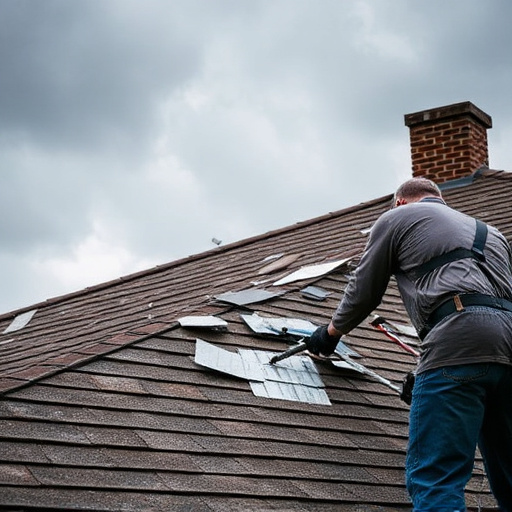
Inspecting your roof for hidden storm damage is a crucial step in preparing for the next monsoon. While many signs of damage are obvious, such as lifted shingles, broken tiles, or visible leaks, hidden storm damage can go unnoticed for weeks or even months. This can include issues like damaged flashing, underlayment, and interior leaks that only manifest after heavy rainfall. A professional roof inspector from DC Roofing of Arizona, a licensed Oro Valley area roofing contractor, might notice a slight bulge in the underlayment, a telltale sign of water intrusion that could have gone unnoticed by an untrained eye.
One of the most common hidden culprits after a storm is aging or damaged flashing, which can become detached or corroded, allowing water to seep into the roof deck. An experienced Oro Valley roof specialist will know to check for signs of rust, peeling, or missing flashing, especially around chimneys and vents. Similarly, underlayment, the layer of protective material beneath the shingles, can become damaged or water-saturated, making it more susceptible to mold and mildew growth. Regular inspections by a professional can catch these issues early, preventing extensive damage and costly repairs.
Don't forget to look for signs of hidden storm damage once the immediate aftermath has passed. Interior leaks, for example, might not be apparent until several days after a storm, as water can seep through damaged flashing or underlayment, finding its way into your home through cracks or openings. When dealing with a potential storm damage insurance claim, it's crucial to have concrete evidence of hidden storm damage. A licensed and insured professional, like those at DC Roofing of Arizona, can provide detailed documentation, including photographs, that will be invaluable when working with an insurance adjuster to ensure you receive the proper compensation for your repairs.
Reparing and Strengthening Before Monsoon Strikes

As the National Weather Service Tucson forecasts the imminent arrival of monsoon season, preparing your roof is crucial to safeguard your home from potential storm damage. This is especially true for hidden storm damage, which can go unnoticed until severe weather strikes. An experienced Oro Valley roof specialist emphasizes the importance of proactive maintenance to prevent catastrophic repairs after a storm.
Before the monsoon hits, conduct a thorough inspection of your roof. Look for lifted shingles, a common sign of wind exposure, especially in areas near Pusch Ridge. Ceiling stains may also indicate hidden leaks caused by wind-driven rain. Check for loose tiles and secure them, as strong winds can easily dislodge them, leading to further damage. It's also essential to examine the underlayment and flashing for any tears or separation, as these areas are vulnerable to hail and flying debris. A previous storm may have left behind hidden damage, such as a lifted shingle that appears intact from the ground but is actually compromised, waiting for the next heavy rain to expose its true condition.
While some damage may be evident, such as broken tiles or hail-sized dents, other issues, like interior leaks or flash flood runoff, might be less apparent. The National Weather Service Tucson recommends photographing your roof and any visible damage before the monsoon to have a record for insurance claims. By taking these proactive steps, you not only protect your property but also gain peace of mind, knowing your roof is in its best condition to withstand the challenges of the upcoming storm season.
Waterproofing: Protecting Against Leaks and Damage
Waterproofing your roof is a crucial step in preparing for the upcoming monsoon season and safeguarding against potential storm damage. The Oro Valley area, with its unique wind exposure near Pusch Ridge, is particularly prone to severe weather events during this time. As we enter the monsoon season, it's essential to identify and address any vulnerabilities in your roof's defense system to avoid hidden storm damage.
One of the primary concerns is preventing water intrusion, which can lead to interior leaks and costly repairs. Wind-driven rain, especially during heavy monsoon showers, can be a significant issue, causing tile leaks and even damaging solar panels. A licensed Oro Valley area roofing contractor recommends inspecting your roof for any lifted shingles, broken tiles, or missing flashings, as these are common entry points for water. In the event of a storm, quick assessment and photography of the damage are crucial. Documenting the extent of the damage, especially hidden storm damage, will be invaluable when filing an insurance claim with an adjuster.
Regular maintenance matters in waterproofing your roof. Ensure that scuppers-the drainage channels along the roof's edge-are clear of debris and functioning optimally. Blocked scuppers can lead to excess water buildup and potential roof damage. Check the underlayment for any signs of wear and tear, as it acts as a secondary barrier against water. If your roof is particularly old or has been through multiple storms, consider a thorough inspection by a professional to identify any hidden damage. By taking these proactive measures, you can significantly reduce the risk of monsoon-related roof issues and ensure a more secure and peaceful mind during the storm season.
Post-Monsoon: Assessing and Maintaining Your Roof

After the monsoon season has passed, it's crucial to assess your roof for any damage that may have been caused by the powerful storms. This is where the expertise of an experienced Oro Valley roof specialist becomes invaluable. Hidden storm damage, often overlooked, can include lifted shingles, broken tiles, and even interior leaks caused by flash flood runoff. These issues might not be immediately apparent, especially if the storm was intense but brief.
A thorough inspection involves climbing up and examining the entire roof, paying close attention to areas with higher wind exposure, like near Pusch Ridge. Look for signs of loose tiles, which could have been secured by flying debris from the storm. Also, check the condition of the underlayment and flashing, as these components are particularly susceptible to damage from wind-driven rain and hail. An Arizona ROC-licensed roofer will know to check for damage to scuppers, which are the roof's drainage channels, as they can be easily blocked by debris, leading to interior leaks.
During your assessment, photograph any damage found. This documentation will be essential if you need to file a storm damage insurance claim. Keep in mind that some insurance companies require a detailed, photographic damage assessment. Be on the lookout for hidden issues like storm-related damage to solar panels or skylights. While these areas may seem less obvious, they can contribute significantly to overall repair costs. Early detection and repair of these issues can prevent more severe damage in the future and help you avoid the hassle of dealing with multiple storm-related problems.
Frequently Asked Questions About seasonal advice on preparing a roof for the next monsoon
What is the best time to prepare my roof for the monsoon? The optimal time to get your roof ready for the monsoon is during the dry season, specifically a month before the expected onset. This allows for thorough inspections, repairs, and installations without the challenges of heavy rainfall and strong winds.
How do I know if my roof needs repairs before the monsoon? Regular visual inspections are key. Look for signs of damage like missing or curled shingles, leaks, or visible gaps. If you notice any of these, it's crucial to consult a licensed roofer from DC Roofing of Arizona for a detailed assessment. They can identify potential issues that might require more than a quick fix.
What type of repairs should I prioritize? Focus on essential repairs to ensure water doesn't seep into your home. This includes fixing or replacing missing or damaged shingles, sealing flashing around roof penetrations, and checking and replacing broken or loose downspouts. These measures prevent water damage, which can be costly to repair.
Are there specific materials I should use for my roof repairs? For durability and longevity, opt for high-quality materials. This includes weather-resistant shingles, metal roofing, or tiles suitable for your climate. Ensure any repairs use materials compatible with your existing roof to maintain a seamless finish and optimal protection.
What can I do to strengthen my roof against strong winds? Reinforce your roof by securing it tightly to the structure. Check all fastenings and consider adding extra support for areas prone to high winds. A professional can assess your roof's wind resistance and recommend appropriate reinforcement methods, especially if you live in an area prone to severe weather.
How can I maintain my roof during the monsoon? Regular maintenance is vital. After storms, inspect your roof for any damage. Keep gutters clear of debris to prevent clogs, which can lead to water damage. Monitor your roof's condition throughout the monsoon season, addressing any issues promptly to avoid more serious problems.
As the Oro Valley area prepares for another monsoon season, it's crucial to remember that preventing and addressing hidden storm damage is key to safeguarding your home's most vital component: the roof. By regularly inspecting your roof for potential vulnerabilities and implementing targeted repairs, you can significantly reduce the risk of costly and time-consuming damage during intense weather events. This proactive approach not only protects your property but also offers peace of mind, especially knowing that many insurance claims for storm damage can be contested if proper documentation, like detailed photographs, is lacking.
Key takeaways from this practical guide include the importance of identifying and securing loose tiles before the monsoon hits, understanding the unique vulnerabilities of different roof types to hail and wind-driven rain, and the critical role of a thorough post-storm assessment to uncover hidden damage. Regular maintenance, such as cleaning gutters and checking flashing, should be prioritized alongside more specialized repairs, like reinforcing underlayment and reinforcing areas prone to tree limb impact.
In the event of a storm, remember to document all damage with clear, dated photographs. This visual evidence becomes invaluable when filing a storm damage insurance claim, especially with the help of a public adjuster who specializes in navigating complex claims processes. By following these seasonal preparation and post-storm assessment strategies, you're not just protecting your roof; you're investing in the long-term health and value of your Oro Valley home.
As monsoon season approaches, preparing your Oro Valley roof against hidden storm damage is crucial. This includes inspecting for lifted shingles, broken tiles, and damaged flashing, underlayment, and scuppers. Regular maintenance and proactive documentation (photos) of damage can prevent extensive repairs and aid insurance claims. After storms, thoroughly assess the roof for hidden damage, especially in areas with higher wind exposure, and document it for insurance purposes. Early detection and repair mitigate future costs and hassle.