Oro Valley homeowners face a unique challenge when a monsoon storm hits, as these powerful events can cause significant roof damage. With winds reaching hurricane-force speeds, hail the size of golf balls, and sudden flash floods, assessing your roof's integrity is crucial. The aftermath of a storm can be overwhelming, but understanding the key signs of haboob roof damage is essential for a swift and effective response. This guide will empower you to navigate the initial steps after a storm, from securing loose tiles to documenting damage for insurance claims, ensuring your home's protection and a smoother recovery process.
- Assessing Immediate Safety After a Haboob
- Identifying Signs of Roof Damage from Haboob
- Documenting and Filing an Insurance Claim
- Repairing and Preventing Future Haboob Damage
Assessing Immediate Safety After a Haboob

After a haboob, the immediate safety assessment of your Oro Valley roof is crucial. Monsoon season brings not only powerful winds but also intense hail, both of which can cause significant damage, especially to flashing, shingles, and solar panels. As a homeowner, understanding what to look for and taking immediate action is key to protecting your home and family.
Start by inspecting your roof from the ground, checking for lifted shingles, broken tiles, or visible holes. These are clear signs of haboob roof damage. A large hailstorm could easily dent or even puncture solar panels, necessitating professional attention. Be mindful of any loose tiles, as securing them before the next storm is essential to prevent further damage. Don't ignore potential interior leaks, either; heavy rain from a storm can seep into the attic or ceilings, causing long-term damage if left unaddressed.
If you suspect significant damage, don't wait. Contact a local roofing company serving Oro Valley that specializes in storm restoration. They'll provide a thorough assessment, taking into account the unique challenges of haboob-related damage. They'll inspect the flashing around vents and chimneys, which is often vulnerable to wind and debris, and recommend repairs to ensure your roof's integrity. Remember, acting swiftly after a storm can help prevent secondary damage and speed up your insurance claim process.
Identifying Signs of Roof Damage from Haboob
Haboobs, intense dust storms native to this region, can cause significant roof damage. Unlike hail or wind, the damage from a haboob is often subtle, making it easy to miss. Homeowners in Oro Valley should be vigilant, as even a minor storm can leave behind serious structural issues.
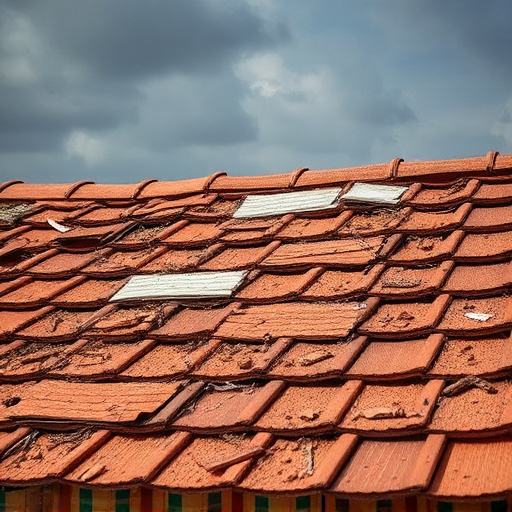
While inspecting your roof after a haboob, keep an eye out for specific signs of damage. Cracked tiles, for instance, might be a clear indication of wind exposure, especially near areas like Pusch Ridge. These cracks can vary in size and shape, and you may even notice tiles that have lifted and shifted. Don't underestimate the force of a haboob; it can dislodge shingles, exposing the underlayment and increasing the risk of interior leaks. Haboobs often come with flying debris, which can leave holes or punctures in your roof.
The key to addressing haboob roof damage lies in early detection. Regular maintenance checks, especially before and after monsoon seasons, can help identify weak spots. A roofing contractor serving Oro Valley and Marana recommends photographing your roof before and after storms as part of your storm damage insurance claim. These images can serve as valuable evidence of the extent of the damage. Remember, even if your roof appears intact, hidden storm damage could be lurking beneath the surface. Don't delay; contact a professional for a thorough assessment, especially if you suspect hail damage or notice any cracked tiles. This proactive approach will ensure your home is protected and any repairs are covered by your insurance, minimizing the financial impact of a storm.
Documenting and Filing an Insurance Claim

Documenting and Filing an Insurance Claim
After a monsoon storm, the first step is to assess the damage, but it's equally crucial to document and file a claim with your insurance company. This process can be intricate, especially after a severe storm like a microburst or haboob. The National Weather Service Tucson provides valuable resources for understanding storm severity and the potential for damage. A local roofing company serving Oro Valley recommends taking thorough notes and gathering evidence to support your claim.
Start by taking detailed photographs of the roof and any visible damage. Look for broken tiles, lifted shingles, or evidence of water intrusion. Document any interior leaks, storm-damaged flashing and parapets, and even tree limb debris that might have fallen onto the roof. These visual aids are essential, as insurance adjusters often rely on them to assess the extent of the damage. A microburst can cause widespread destruction, including significant hail damage, so taking comprehensive pictures is critical.
Next, prepare a detailed list of the damages observed. Note the date, time, and a description of each issue. "Hail damage resulting in numerous broken tiles on the southwest corner of the roof," or "Water intrusion detected in the attic, possibly due to lifted shingles." This documentation will help when filing your claim, ensuring that every concern is addressed. Remember, the more thorough your record-keeping, the smoother the insurance claim process will be.
Repairing and Preventing Future Haboob Damage

Haboob storms can cause significant damage to homes in Oro Valley, often leaving a trail of broken shingles, flooded attics, and potential safety hazards. When a haboob strikes, homeowners must quickly assess the extent of the damage, especially to their roofs. A thorough inspection is crucial to ensure the safety of your family and the structural integrity of your home. Here's a step-by-step guide to help you navigate the process and prepare for future storms.
First, look for visible signs of hail damage roof inspection Oro Valley. Check for missing or damaged shingles, especially those lifted and curled at the edges, which is a common indicator of haboob-related damage. Examine the underlayment for tears or exposed sections, as this can lead to interior leaks. Scuppers, the small channels along the roofline, can become clogged with debris, so ensure they are clear to prevent water buildup. Keep an eye out for ceiling stains, often a sign of water intrusion from a damaged roof. These visual cues can provide critical insights into the severity of the storm's impact.
To prevent haboob roof damage in the future, consider reinforcing your roof's defenses. A local roofing company serving Oro Valley can advise on the best course of action, such as adding extra clips to secure shingles or installing impact-resistant materials. Regular maintenance, including cleaning gutters and checking for loose tiles, is also essential. Securing loose tiles before the monsoon season can prevent them from becoming flying debris during a storm. Ensuring proper drainage around your home helps mitigate flash flood runoff, a common consequence of heavy rainfall associated with haboobs.
After a storm, if you spot hidden storm damage, don't delay. Document the damage with photographs for insurance claims and contact a professional roofing contractor. A certified storm expert can conduct a thorough inspection, identify any hidden hail size and damage, and provide a detailed estimate for repairs. Remember, acting swiftly can prevent secondary issues like interior leaks or further structural damage, ensuring your home is protected for the next storm.
Frequently Asked Questions About a guide for Oro Valley homeowners on assessing roof damage after a monsoon storm
What is the best way to assess roof damage after a storm?
After a monsoon storm, inspect your roof for missing, damaged, or curled shingles; leaks; or visible structural damage. Walk the roof (if safe) and look for any areas where water might be entering. Also, examine the gutters and downspouts for blockages or damage that could impact drainage and prevent water from flowing away from the house. Document any damage with photos for insurance claims. Contact a licensed Oro Valley area roofing contractor like DC Roofing of Arizona for a thorough assessment if you're unsure about safety or the extent of damage.
When should I call a professional to assess my roof?
If you notice any of the following, contact a professional immediately: missing shingles, significant water intrusion, visible structural damage to the roof deck or underlayment, or if you feel unsafe climbing on your roof. A licensed roofer will have the expertise and tools to accurately assess the damage and provide the best course of action.
How do I know if my roof needs to be replaced?
The age of your roof, along with the extent of storm damage, will help determine if a replacement is necessary. If your roof is more than 20 years old and the storm has caused significant damage, a replacement may be warranted. Also, consider a replacement if your roof has shown signs of wear and tear, like leaks, curled or missing shingles, or weakened structural support.
What should I do if I find a leak after a storm?
First, turn off the main water supply to your home to prevent further water intrusion. Then, locate the source of the leak by checking for wet spots on the ceiling, walls, or floors. If the leak is minor, you may be able to patch it yourself. However, for larger leaks or if you're unsure about the cause, contact a licensed roofing contractor for professional repair.
Are there any common signs of roof damage I should look for?
Yes, keep an eye out for curled, cracked, or missing shingles; water stains or discolored spots on the ceiling or walls; peeling or blistering on the roof surface; and misaligned or loose roof trusses. These signs can indicate damage from wind, rain, or hail and should be addressed by a professional roofer.
How long does it typically take to repair a storm-damaged roof?
Most roof repairs from storms can usually be completed within a week, depending on the extent of the damage. However, complex repairs or replacements may take longer. Communication with your roofing contractor will provide a clearer timeline for your specific situation.
What should I do with my insurance company after a storm?
Contact your insurance company immediately to report the storm damage. Provide them with photos of the damage and keep detailed records of your communications and any repairs made. A licensed roofing contractor can assist with the claims process by providing an accurate assessment and estimate of the damage.
After enduring a haboob, Oro Valley homeowners must prioritize their safety and property protection. Key takeaways from this guide include assessing immediate hazards, identifying visible signs of haboob roof damage, and understanding the insurance claim process. Documenting damage with photos is crucial for claims, helping to avoid the pitfalls of hidden storm damage. Timely repairs are essential to prevent interior leaks from heavy rain, flash flood runoff, and second storms. Securing loose tiles before the next monsoon season and repairing underlayment and flashing are critical steps. For future protection, consider reinforced roofing materials, proper tree limb removal, and storm-resistant gutters. By following these practical next steps, homeowners can minimize the impact of haboob roof damage, ensuring their homes remain safe and secure.
Haboob Roof Damage Assessment for Oro Valley Homeowners:
- Immediate Post-Storm Inspection: Check for lifted shingles, broken tiles, holes, and loose tiles. Look for dented or punctured solar panels.
- Professional Assessment: Contact a local roofing company specializing in storm restoration for a thorough inspection, addressing unique haboob-related damage like flashing issues.
- Documenting Damage: Take detailed photos of visible damage and prepare a list of issues (date, time, description). Gather evidence of interior leaks, storm-damaged flashing, and debris.
- Proactive Maintenance: Before and after monsoon seasons, inspect your roof for weak spots. Reinforce defenses with a roofing contractor's advice, securing shingles and improving drainage.
- Swift Action: Don't delay in addressing hidden storm damage. Contact a professional for an inspection and repairs to prevent secondary issues and expedite insurance claims.