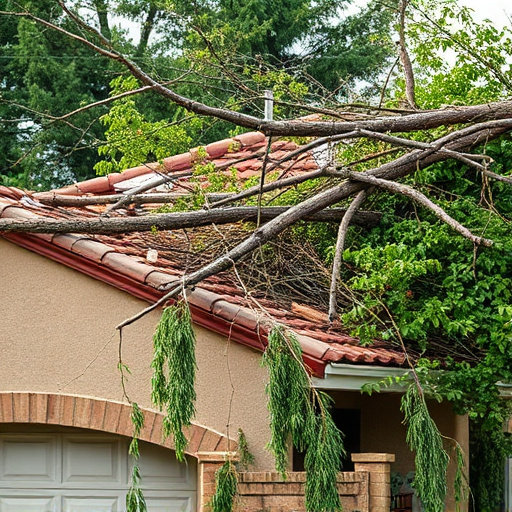
Storm damage, especially from hail and microbursts, poses a significant threat to roofs in Oro Valley. These powerful events can leave a trail of destruction, from lifted shingles and broken tiles to damaged underlayment and flashing. Tile, foam, and shingle roofs, each with unique vulnerabilities, require specific care to mitigate and repair storm-related damage.
The aftermath often includes interior leaks, hidden storm damage, and even tree limb impact, requiring a thorough assessment. Properly documenting storm damage, including photographing, is crucial for insurance claims, particularly for storm-damaged gutters.
This guide provides a damage checklist and expert advice on navigating post-storm repairs, ensuring your roof is secured and protected for the next storm.
- Understanding Hail and Microburst Impacts
- Assessing Tile, Foam, and Shingle Damage
- Storm-Proofing Your Roof: Prevention Strategies
- Navigating Insurance Claims for Gutter Repairs
Understanding Hail and Microburst Impacts

Hail and microbursts, common during Arizona's monsoon season, pose significant threats to roofs in Oro Valley and the surrounding Rancho Vistoso area. These powerful forces can cause substantial damage, from lifted shingles and broken tiles to storm damaged gutters and interior leaks. Understanding how these weather phenomena impact different roof types is crucial for homeowners and property managers.
Tile roofs, known for their durability, are not immune to hail damage. Large hailstones can leave visible impact marks, compromising the tile's integrity. In contrast, foam roofs, while lightweight and energy-efficient, are susceptible to tearing and puncturing from hail and flying debris, leading to storm damaged gutters and potential water intrusion. Shingle roofs, the most common type in Oro Valley, face challenges like lifted shingles and exposed underlayment, especially during microbursts. These powerful, localized winds can strip off shingles, leaving them scattered on the ground and creating a mess for residents.
An experienced Oro Valley roof specialist recommends a proactive approach. Before the monsoon season, securing loose tiles and checking for potential vulnerabilities is essential. Regular inspection, including a thorough look at storm damaged gutters and flashing, can help catch issues early. After a storm, homeowners should photograph any damage for insurance claims and be alert for hidden storm damage, like interior leaks that may not be immediately visible. Remember, the key is swift action. Repairing a roof after a microburst event can prevent secondary damage from a subsequent storm or heavy rain.
Assessing Tile, Foam, and Shingle Damage
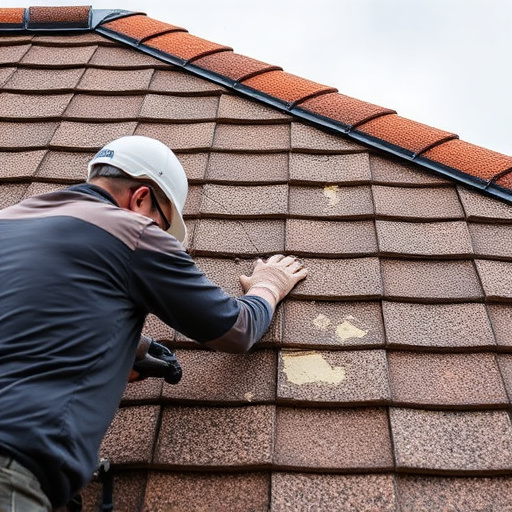
Assessing the extent of storm damage to your roof is a crucial step after a severe weather event, particularly when dealing with hail, microbursts, and wind-driven rain. These powerful forces can leave behind a variety of issues, from lifted shingles and broken tiles to interior leaks and storm-damaged gutters. For tile, foam, and shingle roofs, each material has its unique vulnerabilities and requires specific attention during the repair process.
Tile roofs, known for their durability, can still sustain significant damage from hailstones, which can leave behind cracks, chips, and even puncture holes. Inspecting these roofs involves a meticulous process of climbing up and closely examining each tile, looking for any signs of breakage or displacement. Photo documentation is invaluable at this stage, as it allows for a detailed record of the damage, which can be crucial when filing a storm damage insurance claim. DC Roofing of Arizona recommends taking photos from multiple angles, capturing both the affected tiles and the surrounding area to provide a comprehensive view of the damage.
Foam roofs, while lightweight and efficient, are susceptible to wind damage, especially during microbursts. These intense, localized gusts can lift and tear off foam panels, causing significant structural compromise. The assessment process involves a thorough inspection of the roof deck and underlayment for any signs of water intrusion or loose panels. Ceiling stains, often an indicator of interior leaks, can also help identify damaged areas. In cases of severe microburst damage, it may be necessary to replace entire sections of the foam roof to ensure the structural integrity of the building.
Shingle roofs are perhaps the most common and versatile, but they too are not immune to storm damage. Hail can lift and shift shingles, exposing the underlayment and creating entry points for water. Inspecting these roofs requires a careful walk along the edge to look for any lifted or missing shingles. It's crucial to secure loose tiles before the next monsoon, as they can become projectiles during strong winds, causing further damage. Storm-damaged gutters, often overlooked, can lead to flash flood runoff, exacerbating interior leaks. The key is to look for any signs of water damage, including discolored ceilings and warped wallboards, which could indicate hidden storm damage.
Storm-Proofing Your Roof: Prevention Strategies
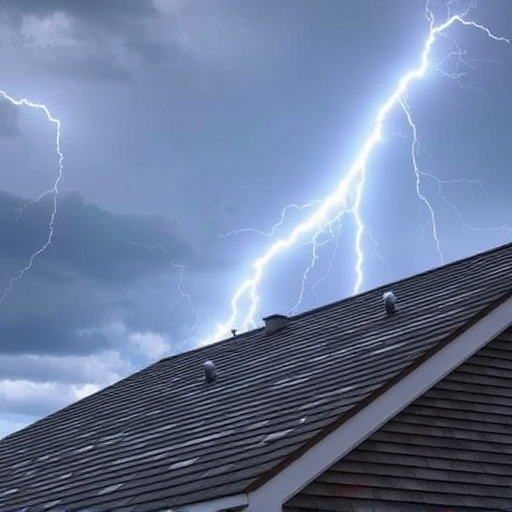
Protecting your roof from the destructive forces of hail and microbursts is a crucial step in storm-proofing your Oro Valley home. These powerful events can leave a trail of damage, from broken tiles and lifted shingles to interior leaks and storm-damaged gutters. The key to mitigating these risks lies in both prevention and swift, expert repair.
Regular inspection is your first line of defense. A professional hail damage roof inspection Oro Valley can identify vulnerabilities before a storm hits. DC Roofing of Arizona, a local roofing company serving Oro Valley, recommends checking for loose tiles, particularly during the summer months when monsoons are common. Securing these tiles before the monsoon season can prevent them from becoming flying debris during a microburst, a localized, intense storm that can cause significant damage. Inspecting your underlayment and flashing ensures these critical water barriers remain intact, protecting your home from interior leaks after heavy rain.
When storms do strike, immediate action is essential. Photographing the damage provides valuable documentation for insurance claims, which often involve a deductible-a crucial factor to consider. Broken tiles and lifted shingles are common hail damage by roof type, regardless of the roofing material. While tile and shingle roofs may be more susceptible to damage from flying debris, foam roofs also face risks, especially from intense winds and microbursts. Prompt repairs not only protect your home but also prevent secondary storms or flash floods from exacerbating the damage. Always seek the expertise of a certified storm restoration specialist, like those at DC Roofing of Arizona, who can assess the full extent of the storm damage and guide you through the insurance claim process.
Navigating Insurance Claims for Gutter Repairs

Navigating Insurance Claims for Gutter Repairs After a Storm
When severe weather hits, like the powerful storms in the Catalina Foothills, damage to your home's exterior, including its gutters, can be extensive. Storm chasers-unscrupulous contractors who prey on desperate homeowners-may seem like an attractive option, but they often provide subpar work and exorbitant bills. To avoid these pitfalls, understanding how to navigate storm damaged gutters repairs and insurance claims is crucial.
First, photographing roof damage is vital. Documenting the storm's impact, including any leaks, lifted shingles, or broken tiles, provides irrefutable evidence for your claim. Note the date, time, and location of each photograph, and keep these records safe. If you're unsure about what constitutes storm damage, consult with a certified storm expert who can accurately assess the situation. These professionals are familiar with the region's weather patterns and the specific types of damage that occur, like microbursts and hail.
Once you've documented the damage, the next step is to file a claim with your insurance company. A licensed Arizona roofer can assist in navigating the claims process, ensuring you receive the appropriate coverage for repairs, including gutter replacement. Keep detailed records of all communication with your insurance provider and the contractor. Be wary of storm chasers who may pressure you to sign contracts without thoroughly understanding the scope of work and associated costs.
Remember, after a storm, it's common to experience a second wave of damage from flash flood runoff and potential lightning strikes. Prioritize securing loose tiles and repairing any storm damaged flashing and parapets before the next monsoon hits. Storm damaged underlayment can be a hidden issue, so be sure to have it inspected and replaced if necessary. By taking proactive steps and working with reputable professionals, you can protect your home and ensure a smoother recovery from severe weather events.
Frequently Asked Questions About an explainer on how hail and microbursts damage tile, foam and shingle roofs
What are the primary differences in roof damage caused by hail and microbursts?
Hail and microbursts both cause significant roof damage, but their impact differs. Hail, due to its random and often large size, tends to create large, distinct dents and cracks in shingles, tiles, and foam. This can weaken the overall structure and compromise water tightness. Microbursts, however, are concentrated, powerful gusts of wind that can rip off shingles, bend or break tiles, and even uplift and destroy foam insulation. The damage from microbursts is often more localized but can be severe, leaving roofs in a state of immediate instability.
Which types of roofs are most vulnerable to damage from hail and microbursts?
All roofing materials can be susceptible to hail damage, with the extent varying based on material thickness and resilience. Metal roofs, while durable, can be marred by hailstones. Asphalt shingles, the most common roofing material, are easily damaged, with tears and cracks appearing from moderate to large hail. Tile roofs, particularly clay or ceramic tiles, can suffer chips, breaks, or dents. Foam roofs are also vulnerable, with strong winds lifting or puncturing the material. Shingle roofs with weak underlayment are especially at risk during microbursts.
How do I know if my roof needs repair after a hailstorm or microburst?
Regular inspection is key. After a storm, walk your roof and look for any missing, curled, cracked, or dented shingles or tiles. Check for water stains, especially on the underside of the roof, as this could indicate compromised integrity. For foam roofs, look for punctures, tears, or lifting. If you notice any signs of significant damage, contact a licensed roofer immediately. They can perform a thorough inspection and provide an accurate assessment.
What should I do immediately after noticing hail or microburst damage to my roof?
Safety is paramount. Don't attempt any repairs until the roof is secured and safe to walk on. Remove any debris from the roof and gutters. Contact your insurance company to report the damage and start the claims process. Document the damage with photos, noting the extent and type of damage. Protect your home by repairing or replacing damaged or missing shingles, tiles, or foam. A licensed roofer can help with these steps and ensure your roof is restored to its pre-storm condition.
How long after a hailstorm or microburst should I expect my roof repair to take?
The repair time depends on the severity of the damage and the complexity of the job. Minor repairs, such as replacing a few shingles, can often be completed within a day. More extensive damage, where multiple layers of shingles need to be replaced or significant structural repairs are required, can take up to a week or more. Ensure you work with a reputable, licensed contractor who can provide a clear timeline based on your specific needs.
Understanding the impact of hail and microbursts on your roof is crucial, especially in regions prone to these severe weather events, like Oro Valley. By assessing the damage to tile, foam, and shingles, you can take proactive steps to protect your property. Implementing preventive strategies, such as securing loose tiles before the monsoon season, can significantly reduce the risk of storm damage. Navigating insurance claims for storm-damaged gutters is a vital process that requires careful documentation and communication with a licensed, insured professional.
This article has provided valuable insights into the complexities of storm damage restoration, from the initial assessment to the final repair and claim settlement. By following these guidelines, homeowners can better prepare for and recover from severe weather events, ensuring their roofs are secure and their homes protected. Remember, early action and expert guidance are key to minimizing the impact of storms on your roof and overall peace of mind.
Hail and Microbursts in Oro Valley:
- Common Threat: Hail, microbursts, and storms damage tile, foam, and shingle roofs in Oro Valley and Rancho Vistoso.
- Impact: Can cause lifted shingles, broken tiles, storm damaged gutters, and interior leaks.
- Proactive Approach: Secure loose tiles, inspect underlayment and flashing, and fix vulnerabilities before monsoon season.
- Post-Storm: Photograph damage, file insurance claims, and repair promptly to prevent secondary damage.
- Expertise: Consult certified storm experts and licensed Arizona roofers for accurate assessments and repairs.