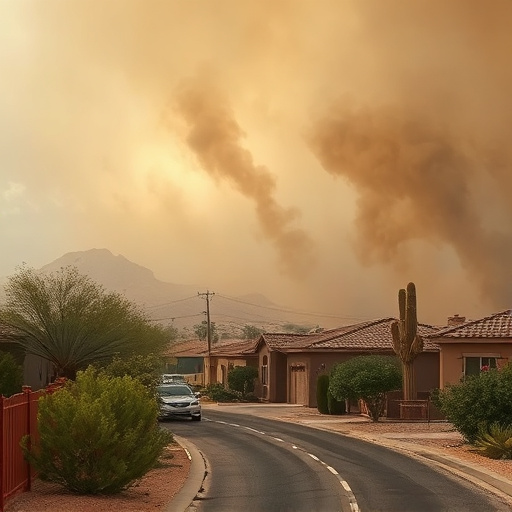
In the face of increasingly severe storms, Oro Valley residents face a pressing concern: protecting their homes from the destructive forces of wind, hail, and flash floods. When storms strike, the most vulnerable areas include flashing, parapets, and underlayment, which can lead to costly and time-consuming repairs. This is especially relevant for homeowners' associations (HOA) managing shared structures, as storm damage claims can significantly impact their budgets and community aesthetics. This article offers a practical guide to understanding storm damage to these critical elements, providing practical steps to assess, mitigate, and manage the aftermath, including navigating HOA storm damage claims. By the end, you'll be equipped to protect your property and community.
- Identifying Storm Damage: Flashing, Parapets, Underlayment
- Understanding HOA Insurance Coverage for Storm Damage
- Documenting and Submitting HOA Storm Damage Claims
- Repairs and Maintenance After Storm Damage: Best Practices
Identifying Storm Damage: Flashing, Parapets, Underlayment
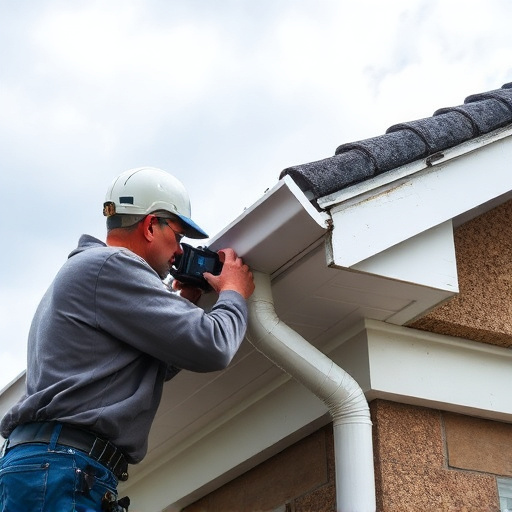
Storms in the Catalina Foothills can cause significant damage to a property's exterior, and one of the first places to inspect is the roof. When dealing with storm damage, homeowners, especially those in Oro Valley, should turn to experts like DC Roofing of Arizona for a thorough assessment. Identifying damage to flashing, parapets, and underlayment is crucial, as these elements play a vital role in protecting your home.
Flashings, designed to seal joints and edges, can be particularly vulnerable to wind-driven rain and flying debris. Cracked or torn flashings can lead to interior leaks, which may not be immediately apparent after a storm. Heavy rain might not reveal a leak until days or even weeks later, when you spot water stains on ceilings or walls. In such cases, a meticulous inspection is key, focusing on areas prone to wind exposure, like the roof's edges and valleys.
Parapets, the vertical barriers at the edge of a roof, also bear the brunt of storms. Strong winds and lightning can cause them to deteriorate or become damaged by fallen tree limbs. A damaged parapet not only affects the aesthetic appeal of your home but can also compromise its structural integrity. Homeowners should be vigilant about checking for cracks, broken tiles, or any signs of elevation loss, as these could be indicators of storm damage.
Underlayment, the layer beneath the shingles, is often overlooked but plays a critical role in storm protection. It acts as a secondary barrier against water intrusion. Over time, extreme weather conditions, including hail and microbursts, can damage or lift shingles, exposing the underlayment. If not addressed promptly, storm-damaged underlayment can lead to extensive interior damage. A second storm before repairs have been completed could exacerbate the issue, resulting in significant financial losses and inconvenience.
In the event of storm damage, homeowners in Oro Valley should remember the importance of documenting the damage, especially for insurance claims. Taking photos of the affected areas, including flashing, parapets, and underlayment, can serve as valuable evidence for an HOA storm damage claim. Consulting with a licensed roofing contractor, such as DC Roofing of Arizona, who can assess and communicate the extent of the damage, will help ensure a smoother process for repairs and financial reimbursement.
Understanding HOA Insurance Coverage for Storm Damage
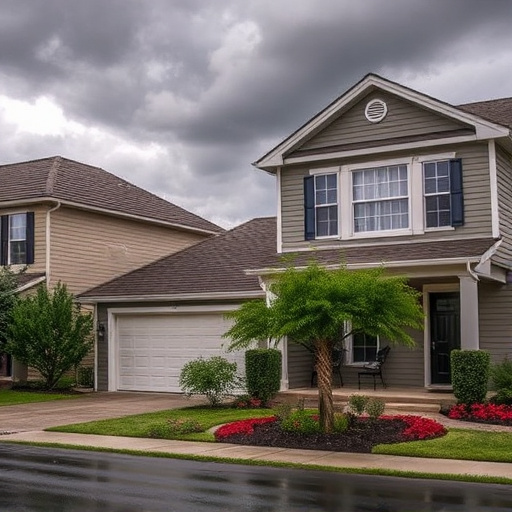
As a homeowner in Oro Valley, experiencing storm damage can be a stressful and overwhelming event. When high winds, heavy rain, and hail storms hit, it's not uncommon to see shattered windows, damaged roofs, and flooded interiors. Among the many concerns, understanding your Homeowners Association (HOA) insurance coverage for storm-related damages is crucial. Many homeowners assume that their standard HOA policy will cover all repairs, but this isn't always the case, especially for structural elements like flashing, parapets, and underlayment.
Let's break down storm damage to these critical components and how your HOA insurance policy might step in. Flashing, a thin layer of waterproof material between the roof deck and roof covering, is often overlooked in insurance claims. Yet, damage to flashing can lead to significant interior leaks. Cracked or lifted tiles, a common sight after a severe storm, are typically covered under your HOA policy. However, the process of filing a claim with your HOA can be complex, especially when dealing with a reputable storm chaser. It's essential to document every detail, including taking photos of the storm damage, as this will serve as evidence when submitting your claim.
DC Roofing of Arizona, a licensed Oro Valley area roofing contractor, advises homeowners to carefully review their HOA documents. Some policies may have specific exclusions or limitations regarding storm damage, especially for underlayment, which provides an extra layer of protection beneath the roof deck. If your HOA insurance covers these items, the repair process will usually begin with an assessment by a certified storm restoration expert. They will inspect the damage, determine the scope of work, and estimate the cost of repairs. Once approved, a trusted roofing contractor, like DC Roofing, can proceed with the necessary repairs, ensuring your home is protected for the next storm.
Remember, the key to a successful HOA storm damage claim is thorough documentation and understanding your policy. Don't hesitate to reach out to your HOA and insurance provider for clarification, and always photograph storm damage for record-keeping purposes.
Documenting and Submitting HOA Storm Damage Claims
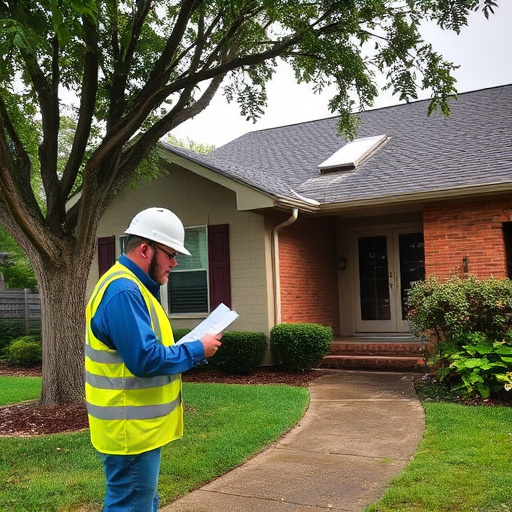
When a storm hits, especially the intense monsoons that frequently affect Oro Valley and Marana, documenting and submitting HOA storm damage claims can be a complex process. As a homeowner, understanding this process is crucial for receiving the necessary repairs and financial compensation. This involves thoroughly assessing the damage, gathering evidence, and navigating the claims procedure, often with the help of a reputable local roofing contractor like DC Roofing of Arizona.
Water intrusion is a common issue after severe weather, and it's essential to document all instances of this problem. The National Weather Service Tucson can provide valuable information about the storm's intensity and potential impact on your property. If water has entered your building through damaged flashing, parapets, or underlayment, take detailed photos of the affected areas. These images should clearly show the water intrusion points and the extent of the damage. Lifted shingles or broken tiles can expose flashing to the elements, leading to long-term structural problems. In such cases, it's crucial to document the missing or damaged shingles and tiles, as well as any visible water stains inside the property.
HOA storm damage claims require thorough documentation and careful submission. Start by reviewing your HOA's rules and guidelines regarding insurance claims. Many HOAs have specific procedures and forms for reporting storm damage. Contact your HOA management or board members for assistance in filling out the necessary paperwork. DC Roofing of Arizona offers expert advice and support throughout the claims process. They can help you gather the required documentation, including photos, repair estimates, and any relevant correspondence with insurance providers. By following these steps and ensuring comprehensive documentation, you can streamline the claims process and work towards repairing your home effectively.
Repairs and Maintenance After Storm Damage: Best Practices
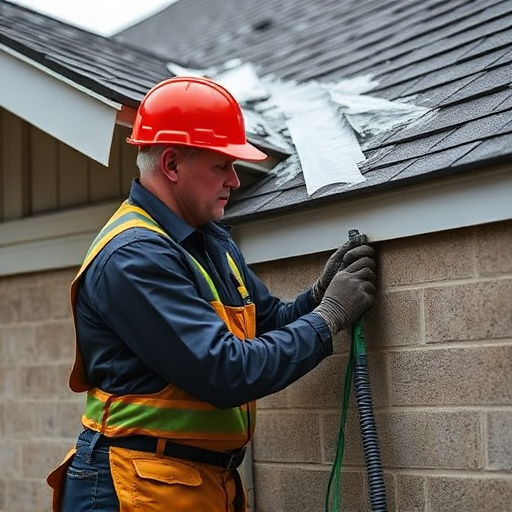
When storms hit Oro Valley, hail, wind, and flying debris can leave a trail of damage. This is especially true for homes with roofing systems vulnerable to storm force. After a storm, homeowners often face a daunting list of repairs, including damage to flashing, parapets, and underlayment. These components, though often overlooked, are crucial for a home's protection against the elements.
Inspecting for Damage:
Start by thoroughly inspecting your roof. Look for lifted or missing shingles, broken tiles, and any visible signs of water intrusion. Keep an eye out for storm-related damage to the flashing, the material that seals the roof joints and prevents leaks. Look for peeling, corroded, or damaged flashing, as these issues can lead to interior leaks. The same goes for parapet walls, which protect the roof's edge. Check for cracks, gaps, or signs of water buildup, as these may indicate that the parapets have been compromised.
Understanding Hail Damage:
Hail can be particularly devastating, leaving behind a field of dents and cracks. Different roof materials are more susceptible to hail damage than others. Metal and tile roofs tend to fare better than shingles. A licensed Oro Valley area roofing contractor with an Arizona ROC license can assess the extent of hail damage and recommend the best repair options.
Repairing Underlayment:
The underlayment, a protective layer beneath the shingles, is crucial for preventing water penetration. Storms can damage or lift the underlayment, leaving it vulnerable to mold, mildew, and rot. If you suspect storm damage to your underlayment, it's best to contact a professional. They can assess the damage, replace the affected areas, and ensure your roof is properly protected for the next storm.
Long-Term Protection:
After the immediate repairs, consider long-term protection. This includes re-inspecting flashing and parapets to ensure they're secure, re-tightening any loose shingles, and adding extra layers of underlayment for enhanced wind resistance. Remember, prompt action is key to preventing secondary storms from causing further damage. Securing loose tiles before monsoon season can save you from costly repairs later.
HOA Storm Damage Claims:
If your Oro Valley property is part of a Homeowners Association (HOA), understand their policies regarding storm damage. Some HOAs have specific procedures for filing claims, and working with a roofing contractor familiar with these processes can be invaluable. They can guide you through the paperwork and ensure your claim is handled efficiently.
What is storm damage to flashing, parapets, and underlayment? Storm damage can significantly impact a roof's integrity. Flashing, parapets, and underlayment are critical components that protect against water intrusion. During storms, high winds can rip off or puncture these materials, exposing the roof to leaks. Flashing, a thin layer of material sealed along the roof's edges, may be torn or lifted, while parapets, which line the roof's edge, can be blown away or damaged, leaving gaps that allow water to penetrate. Underlayment, a protective layer beneath shingles, can be torn or lifted, creating vulnerable areas for water to enter.
How do I identify storm damage to my roof? Examine your roof for any signs of missing, torn, or lifted flashing, parapets, or underlayment. Look for new or increased leaks, dislodged shingles, or areas where water is pooling. Damaged or loose debris on the ground below your roof is also an indicator. Document these areas with photos for insurance claims.
What should I do immediately after a storm? Safety is paramount. Avoid climbing onto your roof unless absolutely necessary. Contact a licensed, experienced roofing contractor like DC Roofing of Arizona to assess the damage. They will inspect, document, and provide a detailed report for insurance claims. Until a professional can inspect, avoid walking on the roof and try to cover damaged areas with tarps to prevent further water intrusion.
How quickly should I get my roof repaired after a storm? Rapid repair is crucial to prevent further damage and costly interior repairs. Most installations take one to two days, but urgency depends on the extent of the damage. Severe weather events may require immediate attention, as prolonged exposure to rain or snow can lead to significant interior water damage and mold growth.
Will my insurance cover storm damage repairs? Most home insurance policies cover storm damage to roofs. However, the specifics depend on your policy and the cause of the damage. Document all damage thoroughly and file a claim immediately. Keep all records, including estimates, invoices, and photographs, for your insurance company.
Can I repair the damage myself or do I need a professional? While some minor repairs may be DIY-friendly, for significant storm damage, it's best to hire a licensed contractor. Professional roofing specialists have the expertise and tools to address complex issues, ensuring a secure and durable repair. They also provide warranties on their work, giving you peace of mind.
What materials are used for storm-damaged areas? The materials used for replacement or repair depend on the specific damage and your roof's original components. Common replacements include new flashing, underlayment, and shingles or tiles, chosen to match the existing style and color for aesthetic consistency.
Understanding storm damage to flashing, parapets, and underlayment is crucial for property owners in Oro Valley, especially when navigating HOA storm damage claims. This article has provided an in-depth guide to identifying and documenting such damage, highlighting the importance of prompt action and accurate assessment. By recognizing the unique challenges posed by monsoon seasons, strong winds, and hail, homeowners can better protect their investments.
The process of filing an HOA storm damage claim involves a clear understanding of insurance coverage, meticulous documentation, and efficient communication. By following the best practices outlined, residents can ensure their claims are processed smoothly and repairs are handled professionally. Securing loose tiles, protecting underlayment, and addressing flashing and parapet damage are all critical steps in the immediate aftermath of a storm, reducing potential interior leaks and further complications.
Next steps for homeowners include a thorough inspection, taking photos of all visible damage, and contacting their insurance provider and HOA to initiate the claims process. Acting swiftly and staying informed throughout the repair timeline is essential to restoring their property to its pre-storm condition and minimizing disruptions.
Storm Damage in Oro Valley: Protecting Your Home's Exterior
Strong storms in the Catalina Foothills can cause significant roof damage, including flashing issues, parapet deterioration, and underlayment compromise. Homeowners should:
- Inspect thoroughly: Look for lifted shingles, broken tiles, water intrusion, and damaged flashing/parapets.
- Document carefully: Take photos of storm damage, especially for insurance claims.
- Contact DC Roofing of Arizona: A licensed Oro Valley roofer can assess and guide through HOA storm damage claims, ensuring proper repairs for flashing, parapets, and underlayment.
- Understand HOA policies: Review rules regarding storm damage coverage and claim procedures.
- Act promptly: Quick action prevents secondary damage and ensures a smoother repair process.