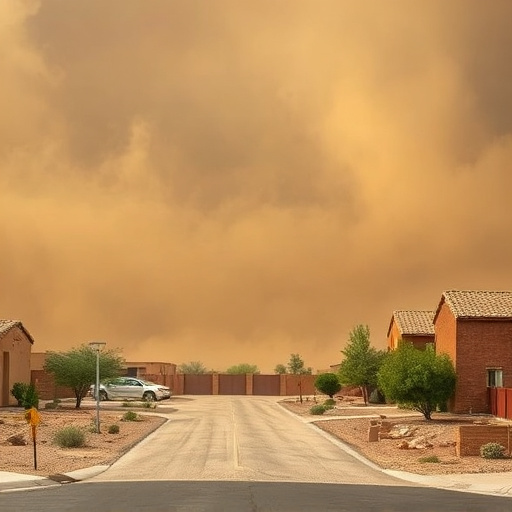
The monsoon season in Oro Valley brings both beauty and challenges, especially for protecting your home from the elements. With powerful winds, intense rainfall, and hailstorms, your roof faces unique risks. Understanding how to prepare for these storms is crucial, as damage can range from lifted shingles and broken tiles to hidden underlayment issues.
This guide offers a comprehensive, step-by-step approach to fortifying your roof against the next monsoon. We'll explore how to assess potential hazards, from hail damage by roof type to securing loose tiles, and provide expert advice on quick repairs and effective insurance claims. By following these seasonal tips, you'll ensure your home's safety and peace of mind during Oro Valley's monsoon season.
- Assess Your Roof's Resilience: Pre-Monsoon Checkup
- Protect Against Hail: Choosing the Right Roof Material
- Reinforce for Resilience: Steps to Secure Your Roof
- Post-Monsoon: Evaluating Hail Damage by Roof Type
Assess Your Roof's Resilience: Pre-Monsoon Checkup

Before the monsoon season hits Oro Valley, it's crucial to assess your roof's resilience against the powerful forces of nature that can come with it. A thorough pre-monsoon checkup can help you identify potential vulnerabilities and prepare for the worst. This inspection is especially important for homeowners in areas prone to severe weather, like Oro Valley, where hail, strong winds, and heavy rainfall can cause significant damage.
Focus on closely examining your roof for any signs of previous damage, such as broken tiles or lifted shingles, which can be further weakened by the high winds and hail common during monsoons. Look for weak spots or areas where flashing, parapets, or gutters might be damaged or missing. Remember, hail damage by roof type varies; asphalt shingles, for instance, are more resistant to small hail but can be severely damaged by larger pieces. Metal roofing, while durable, can be prone to denting and punctures from both hail and flying debris. A professional like DC Roofing of Arizona can help you determine the best course of action for your specific roof type, whether it's repairs, replacement, or reinforcement.
During your inspection, look for signs of interior leaks after heavy rain, which might indicate storm damage not immediately visible from the exterior. Check for hidden storm damage, such as water stains or peeling paint, which could signal compromised structural integrity. Also, assess the condition of your roof vents, skylights, and solar panels, as these areas can be vulnerable to wind and flash flood runoff. Taking photos of any damage found is essential for insurance claims later. This detailed pre-monsoon checkup can save you time, money, and stress during and after the storm, ensuring your home is better protected.
Protect Against Hail: Choosing the Right Roof Material
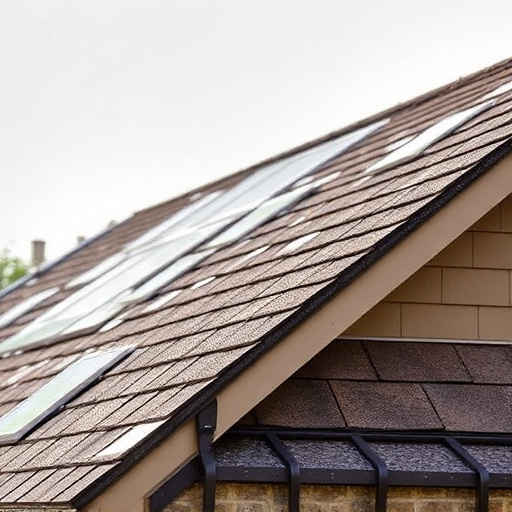
Protecting your roof against hail is a crucial step in preparing for the next monsoon season, especially in areas like Oro Valley where severe thunderstorms and haboobs are common. Hail damage by roof type can vary significantly, with different materials offering varying levels of resistance. Metal roofing, for instance, is often recommended due to its superior durability and ability to withstand intense impacts. A licensed Arizona roofer can guide you in choosing the right material, considering factors like the size and frequency of hail in your area.
Parapets and walls also play a vital role in preventing hail damage. These structures act as a barrier, protecting your roof and providing an additional layer of defense. Regular inspection and maintenance of these elements are essential, as weak or damaged parapets can allow hailstones to penetrate, leading to interior leaks and further storm damage. The National Weather Service Tucson provides valuable resources on recognizing and reporting severe weather, including hail storms, to help communities prepare and respond effectively.
When considering roof repairs or replacements, think about the long-term benefits of investing in a more resilient roofing system. Asphalt shingles are a popular choice due to their affordability and ease of installation, but they may not offer the same level of protection against large hail as more robust materials. On the other hand, tile roofs can be an excellent option for areas prone to severe weather, as they are highly durable and can withstand heavy impacts. By understanding the potential for hail damage by roof type and taking proactive measures, Oro Valley homeowners can significantly reduce the risk of storm-related issues during the monsoon season.
Reinforce for Resilience: Steps to Secure Your Roof
As Oro Valley homeowners prepare for the upcoming monsoon season, reinforcing your roof against potential hail damage is a crucial step. Hail, a common occurrence during these storms, can cause significant damage to various roof types, from asphalt shingles to metal. Understanding how to protect your investment is essential, especially when filing an insurance claim. A roofer with an Arizona ROC license recommends taking proactive measures to ensure your roof is resilient against the elements.
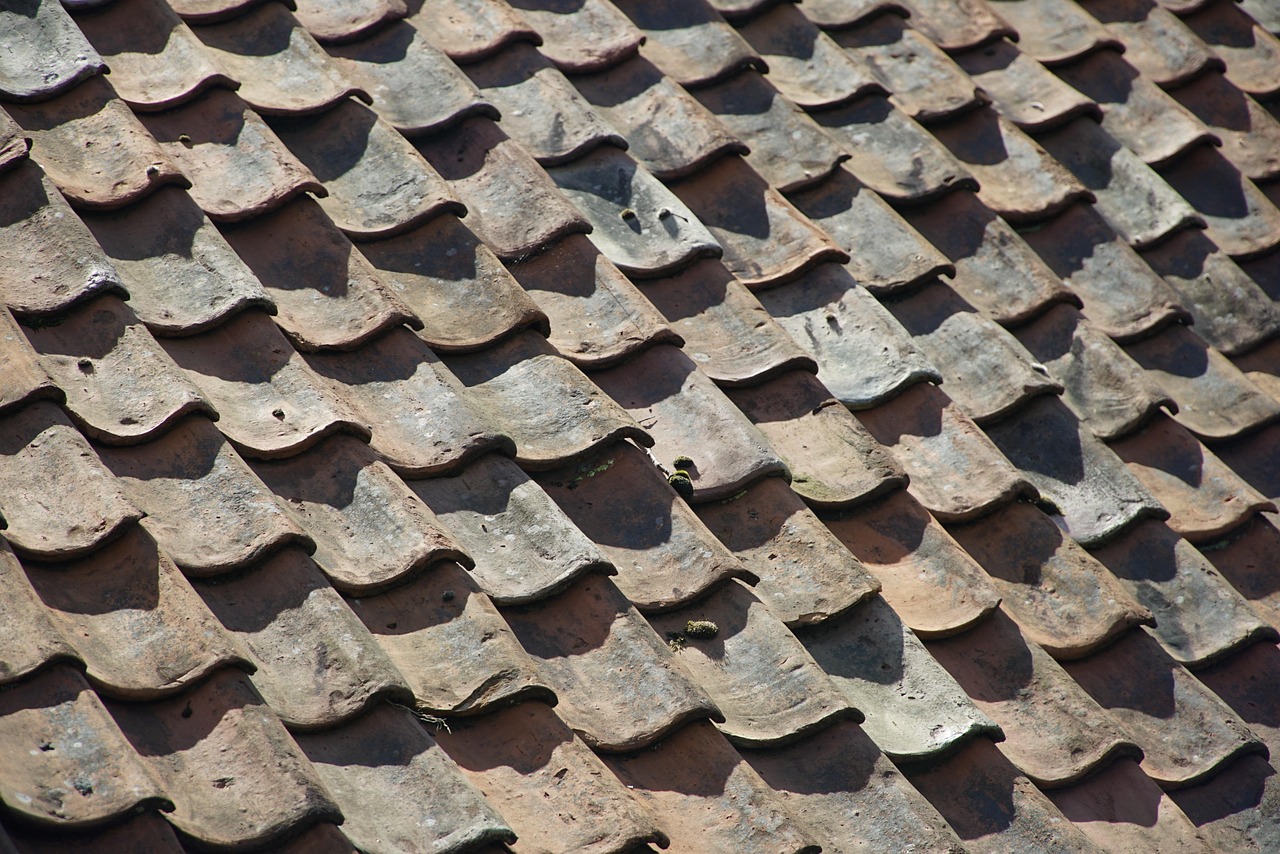
The first line of defense is regular inspection and maintenance. Check for loose or missing shingles, especially after a mild storm, as this can be an early indicator of potential problems. Lifted shingles and broken tiles are common signs of hail damage. Regular maintenance also includes cleaning gutters and drains to prevent water buildup, which can exacerbate damage during heavy monsoon rains. When a storm is imminent, securing loose tiles and shingles is a quick, effective measure to prevent them from becoming projectiles, a common hazard during microbursts and haboobs.
Photo documentation is an invaluable tool in the event of a storm. Take clear, detailed photos of your roof before and after a storm, focusing on any visible damage. This visual evidence is crucial when dealing with an insurance adjuster, as it provides a precise record of the hail damage by roof type. Keeping a written record of repairs and costs can simplify the claims process. Remember, prompt action is key; waiting until after the second storm to assess damage may make filing a claim more complex. By taking these proactive steps, Oro Valley homeowners can better protect their properties and ensure a smoother process when dealing with potential hail damage and storm repairs.
Post-Monsoon: Evaluating Hail Damage by Roof Type
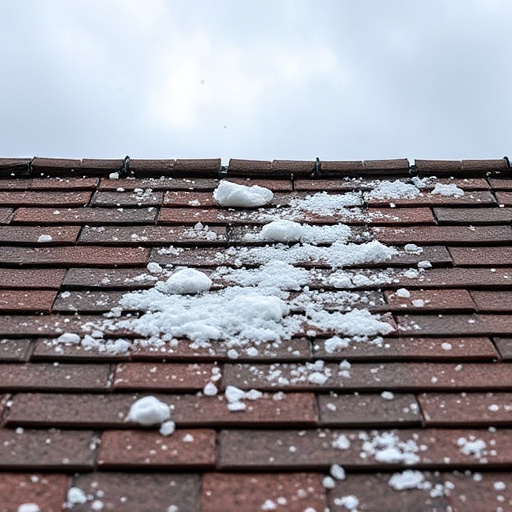
After the monsoon season, one of the most critical tasks for Oro Valley homeowners is to assess potential hail damage to their roofs. This is especially true for Rancho Vistoso residents, who are no strangers to severe weather events. Hail damage by roof type can be extensive, and identifying the signs early is crucial for prompt repairs.
Hail can vary in size from small pebble-like pellets to large, golf ball-sized pieces, each capable of causing different types of damage. Shingle roofs, a common roofing material in the area, are particularly vulnerable. Cracked or lifted shingles are a clear indication of hail impact. A severe hailstorm could leave numerous shingles curled, broken, or dislodged, compromising the roof's integrity. Hail can damage flashing and parapets, which line the roof's edges, creating paths for water intrusion.
When evaluating hail damage by roof type, it's essential to look for specific signs. To visible cracks and breaks, check for missing or loose tiles, which may have been blown off by strong winds associated with monsoons. A roofing contractor serving Oro Valley and Marana recommends examining the underlayment, the layer beneath the shingles, for any signs of wear or moisture. Hidden storm damage, such as interior leaks or flash flood runoff, may not be immediately apparent, so a thorough assessment is crucial. Remember, the monsoon season isn't over until around October, so staying proactive in maintaining your roof is key to preventing further damage.
Frequently Asked Questions About seasonal advice on preparing a roof for the next monsoon
What is the best time to prepare my roof for the monsoon season?
The ideal time to get your roof ready for monsoon is during the spring. This allows for any necessary repairs or replacements to be completed before the heavy rainfall begins. A licensed Oro Valley area roofing contractor, like DC Roofing of Arizona, recommends inspecting your roof for damage, cleaning gutters, and ensuring proper drainage to minimize the risk of leaks and other issues during the monsoon season.
How often should I have my roof inspected?
While a thorough inspection every one to two years is ideal, the monsoon season necessitates a more frequent checkup. At least once a year, or more often if your roof is older or has shown signs of wear, have a professional roofer assess its condition. They can identify weak spots, potential leaks, and other issues that may be exacerbated by the monsoon's intense weather patterns.
What specific repairs should I address before the monsoon?
Focus on repairs that enhance your roof's water resistance and structural integrity. This includes fixing or replacing missing or damaged shingles, securing loose tiles, and repairing or replacing flashing and gutters. Also, address any signs of rust or corrosion on metal components, as monsoon moisture can accelerate these issues.
How can I protect my roof from monsoon-related damage?
To regular maintenance, consider additional protective measures. These might include installing impact-resistant shingles designed to withstand hail and high winds, adding a layer of underlayment for extra water protection, and ensuring your roof is properly sealed to prevent water intrusion.
What about trees near my house; do they pose a risk to my roof?
Monsoon-related damage from falling debris is a concern, especially with trees overhead. Prune trees regularly to keep them well-maintained and reduce the risk of branches breaking off during storms. Consult with an arborist or a local tree service to determine the best pruning schedule for your tree species and location.
What should I do if I notice water leaking during the monsoon?
Don't ignore suspected leaks. Contact a licensed roofer immediately to assess the issue. Quick action can prevent minor problems from turning into major, costly repairs. The contractor will trace the source of the leak, fix the problem, and make any necessary repairs to prevent further damage.
As the Oro Valley area prepares for the next monsoon season, understanding your roof's resilience is crucial. By assessing your roof's current state and taking proactive steps, you can significantly reduce potential hail damage by roof type. This article has outlined key strategies, from pre-monsoon checkups to choosing durable materials and reinforcing your roof.
Implementing these measures, such as securing loose tiles before monsoon and inspecting for hidden storm damage, will not only protect your home but also provide peace of mind. Remember, timely action is vital; prompt repairs can prevent secondary issues like interior leaks after heavy rain or flash flood runoff.
Moving forward, consider working with local, licensed roofers like DC Roofing of Arizona who specialize in storm damage restoration. Their expertise in evaluating hail damage by roof type and offering budget-friendly repairs ensures your home is protected throughout the season. With these precautions and resources, you can confidently face the next monsoon, knowing your roof is ready.
Oro Valley homeowners must prepare for monsoon season by examining their roofs for potential hail damage. Hail can vary by type (e.g., metal, asphalt) in its impact and vulnerability. Look for broken tiles, lifted shingles, and missing or damaged flashing/parapets. Interior leaks and water stains may indicate hidden storm damage. Regular inspection, maintenance, and documentation (photos) are crucial for filing insurance claims and ensuring roof resilience. Stay proactive to protect your investment and prevent further damage.