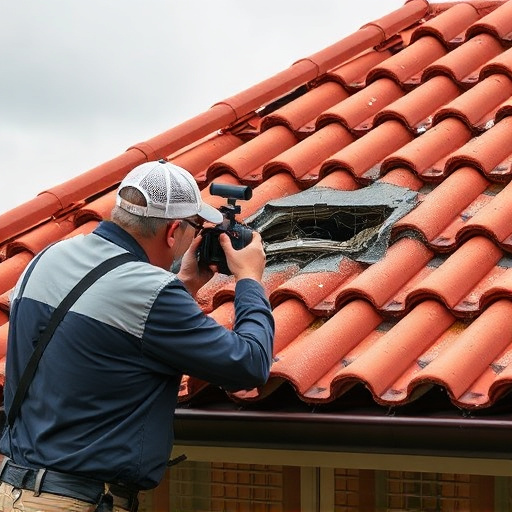
The monsoon season in Oro Valley brings powerful storms that can leave a trail of destruction, particularly on our roofs. Hail and microbursts, intense wind events, pose significant risks to tile, foam, and shingle roofs. Understanding how these events cause damage is crucial for homeowners, as quick first steps after storm damage can protect against further issues. This article examines the science behind hail and microburst impacts, explaining the common types of damage, and offering expert advice on what to do immediately after a storm to safeguard your investment. By the end, you'll be prepared to navigate the storm damage insurance claim process and ensure your roof is restored effectively.
- Assessing Hail and Microburst Impacts on Roofs
- Understanding First Steps After Storm Damage
- Repairing and Replacing Damaged Roof Materials
- Preventing Future Storm Damage to Roofs
Assessing Hail and Microburst Impacts on Roofs
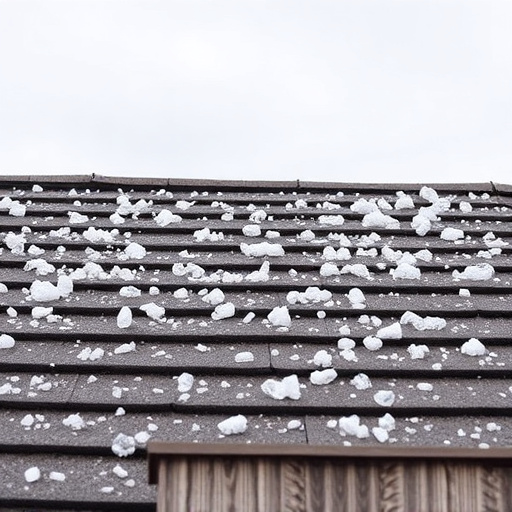
Hail and microbursts pose significant threats to roofs in Oro Valley and Marana, capable of causing extensive damage that requires immediate attention. When these weather phenomena strike, the first step for homeowners is to conduct a thorough inspection to assess the extent of the damage. This involves looking for both visible and hidden signs of impact, such as lifted shingles, broken tiles, and ceiling stains. Hail damage can leave distinct pockmarks on tile and foam roofs, while microbursts may result in widespread tile shedding.
DC Roofing of Arizona, a local Oro Valley roof specialist, emphasizes the importance of documenting damage thoroughly. Homeowners should photograph any visible damage, noting the size and type of hail or debris involved. This not only aids in the insurance claim process but also serves as a valuable record for future reference. In cases of heavy rain following a storm, interior leaks may also indicate storm-related damage, necessitating a close inspection of flashing and parapets. Ceiling stains, for example, can be an early sign of water infiltration from broken or blocked gutters.
The initial assessment should also focus on the underlayment and roof vents, which are crucial for maintaining a dry and healthy attic space. Storm-driven winds can cause significant damage to these components, leading to costly repairs if left unaddressed. Homeowners living near areas with high wind exposure, like Pusch Ridge, should pay special attention to their roofs' overall condition and strength before and after a storm. Early detection of hidden storm damage, such as lifted shingles or damaged flashing, can save homeowners from costly second storms that may occur while repairs are pending.
Understanding First Steps After Storm Damage

After a storm, the first steps you take can significantly impact the outcome of your roof repair. If you've experienced wind damage or hail damage in Oro Valley or Marana, these immediate actions are crucial for minimizing further damage and protecting your property. Begin by performing a thorough but safe inspection, documenting every visible issue, including lifted shingles, broken tiles, or signs of microburst damage. A recent hailstorm in Oro Valley left many roofs with numerous small dents and broken tiles.
Next, secure any loose tiles or shingles before the next storm hits. This simple step can prevent additional wind damage and water intrusion. In areas prone to high winds, like near Pusch Ridge, it's especially important to take this preventative measure. Check for storm-damaged flashing and parapets, which can lead to interior leaks. Many homeowners spot these issues from the ground, but a close inspection by a professional is necessary to confirm the extent of the damage.
If you're unsure about the severity of the damage or lack the necessary tools for a safe inspection, don't attempt to assess everything yourself. Contact a licensed Arizona roofer for a thorough evaluation. They can also assist with filing a storm damage insurance claim, which may cover the cost of repairs. Remember, the first steps after storm damage are critical; they can make a significant difference in the repair timeline and the overall cost of restoration.
Repairing and Replacing Damaged Roof Materials
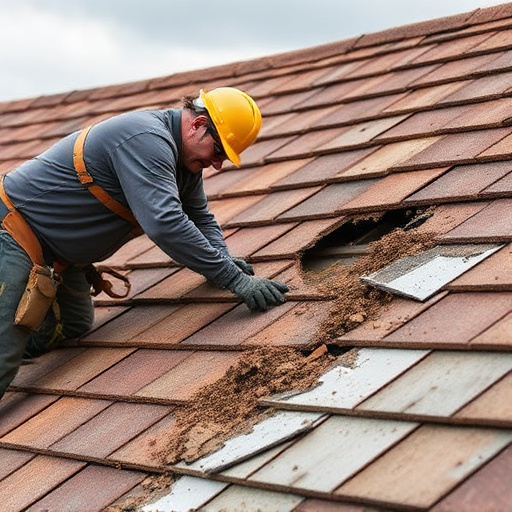
When severe storms, including microbursts and haboobs, strike Oro Valley, the damage to roofs can be significant. Hail, wind-driven rain, and flying debris can leave tile, foam, and shingle roofs in disarray. As a property owner, understanding the first steps after storm damage and the repair process is crucial. After assessing the situation, the first step is to photograph the damage, both from the ground and the air, for insurance claims. These visual records will be invaluable when dealing with a storm damage insurance claim, especially when filing with your insurance company.
The repair process begins with securing any loose tiles or shingles before the next storm hits, a crucial step often overlooked. Once the roof is stable, professionals will inspect the underlayment for damage. The underlayment, a protective layer beneath the shingles, is often overlooked but can be significantly affected by hail and microbursts. If the underlayment is damaged, it must be replaced to prevent future leaks. After repairing or replacing the underlayment, roofers will fix or replace individual tiles, shingles, or sections of roof that have been lifted, cracked, or broken. This process involves meticulous work, as each tile and shingle must be handled with care to ensure a secure and water-tight seal.
In the case of severe damage, especially from a microburst, it's essential to prioritize safety. Storm-damaged roofs can be unstable, and hidden storm damage may exist beneath the surface. A licensed Arizona roofer will assess these issues and provide a detailed estimate for repairs. This estimate will help property owners understand the scope of work and associated costs, including the potential deductible they may need to pay. Many insurance companies require a detailed estimate for storm damage repairs, ensuring that the claim is accurately processed. Remember, in the aftermath of a storm, acting quickly and with the guidance of experts is vital to minimize damage and ensure a swift and efficient repair process.
Preventing Future Storm Damage to Roofs
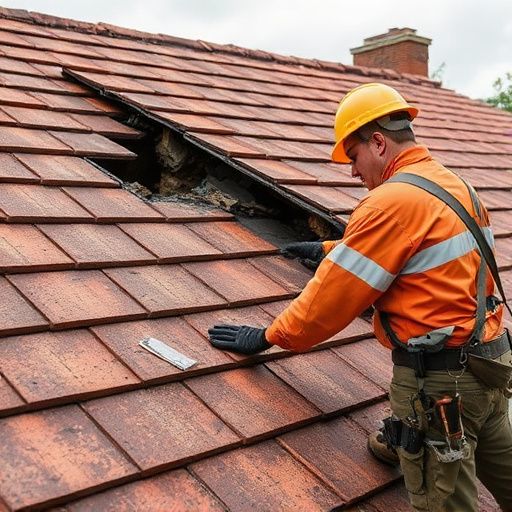
Preventing future storm damage to roofs in Oro Valley is paramount for homeowners, not just for minimizing repair costs but also for ensuring the safety and longevity of their properties. After a storm, the initial focus naturally shifts to the most visible and immediate damage: broken tiles, lifted shingles, and torn flashing. However, it's crucial to look beyond these surface-level issues to identify and address deeper problems that might not be apparent until later. Interior leaks after heavy rain can indicate storm-damaged underlayment or flashing that needs immediate attention.
In the aftermath of a storm, especially in areas like the Catalina Foothills where wind exposure can be severe, understanding how hail and microbursts impact different roof types is essential. Tile roofs, while durable, can sustain significant damage from large hailstones, often leaving behind a trail of cracked or broken tiles. Shingle roofs, on the other hand, are more susceptible to lifted shingles and torn edges, especially during microbursts, which can pack a powerful punch in a small area. Foam roofs, though lightweight and energy-efficient, can be vulnerable to punctures and delaminating from wind-driven rain.
To mitigate future storm damage, homeowners should take several proactive steps. First, securing loose tiles before the onset of the monsoon season is paramount. A roofer with an Arizona ROC license can inspect the roof and ensure all tiles are securely fastened. Inspecting the roof vents, skylights, and solar panels for any signs of damage is crucial. The National Weather Service Tucson recommends regular maintenance and repairs to prevent storm-related issues. Reviewing your insurance policy and understanding your deductible is vital. Being aware of these details can help you prepare for the financial aspects of storm damage repairs, ensuring you're not caught off guard by unexpected costs. After a storm, document the damage with photographs, which can be invaluable when filing a storm damage insurance claim.
Frequently Asked Questions About an explainer on how hail and microbursts damage tile, foam and shingle roofs
What are hail and microbursts, and how do they affect roofs? Hail are frozen precipitation in the form of ice pellets, while microbursts are intense, localized downbursts of wind. Both can cause significant damage to roofs, with hail often leaving impact marks on tiles or shingles, and microbursts exerting immense force that can tear off or damage roof coverings, underlayments, and even structural components.
How do tile roofs withstand hail and microbursts? Tile roofs are generally more resistant to hail and microbursts compared to other roofing materials, thanks to their solid structure and dense material. The tiles' weight and thickness can absorb some of the impact, while their interlocking nature provides additional protection against wind damage. However, severe or repeated attacks can still chip or crack tiles.
Can foam roofs be damaged by these weather events? Foam roofs, while lightweight and energy-efficient, are vulnerable to both hail and microbursts. The foam's soft, porous nature can absorb the impact, leading to dents, punctures, or delaminating (separation of the foam layer from the backing). Repairs can be extensive, as the damaged foam needs to be replaced and the underlayment inspected.
What about shingle roofs? Are they susceptible to these weather phenomena? Shingle roofs are among the most common, but they're also among the most susceptible to hail and microbursts. Asphalt shingles are relatively thin and flexible, making them easy targets for hailstones. Strong winds can also strip or tear off shingles, exposing the underlayment and potentially causing water damage.
What should homeowners do if their roof is damaged by hail or a microburst? First, assess the damage. If it's extensive, contact a licensed roofer like DC Roofing of Arizona for an inspection. They can determine the extent of the damage and provide options for repairs or replacements. Prompt action is crucial to prevent further complications like water intrusion or structural weakness.
How can I protect my roof from future damage by hail and microbursts? While you can't control the weather, you can take preventive measures. Consider using impact-resistant roofing materials for new installations. Regular inspections and maintenance, especially after severe storms, can also help identify and address weak spots before they become serious issues.
As we've explored the intricate impacts of hail, microbursts, and storms on Oro Valley roofs, one clear takeaway emerges: the first steps after storm damage are crucial. Understanding how these events specifically affect tile, foam, and shingles-and knowing the right repair or replacement strategies-is paramount for your home's protection. By assessing the extent of the damage, securing loose tiles before the next monsoon, and addressing interior leaks, you can mitigate hidden storm damage and ensure the longevity of your roof.
The article's insights offer a roadmap for homeowners to navigate the complexities of storm-related repairs, from spotting damage from the ground to working with insurance claims and local experts like DC Roofing of Arizona. By prioritizing these initial steps, you not only gain peace of mind but also ensure your home is secured against future weather events, especially as Oro Valley's wind exposure near Pusch Ridge increases the risk during monsoon seasons.
In the wake of storms, taking swift action-including quick assessments, prompt estimates, and efficient repairs-is key to minimizing disruption and ensuring your home is protected against potential secondary storms or flash flood runoff. This practical knowledge empowers homeowners to be proactive, avoiding the pitfalls of storm chaser roofers and ensuring the job is done right, from repairing damaged flashing and parapets to replacing solar panels and securing the roof against future storms.
Oro Valley Storm Damage: First Steps & Beyond
After severe storms, homeowners should:
1. Inspect Thoroughly: Look for visible signs like lifted shingles, broken tiles, and ceiling stains, both from the ground and air.
2. Document Damage: Photograph all visible damage for insurance claims.
3. Secure Loose Tiles: Prevent further wind damage and water intrusion by securing loose tiles immediately.
4. Inspect Underlayment: Check for damage to the underlayment, a crucial protective layer often overlooked.
5. Prioritize Safety: Be cautious on storm-damaged roofs; hidden damage may exist beneath the surface.
6. Consult Professionals: Licensed roofers assess damage, provide detailed estimates, and guide insurance claims.
7. Proactive Maintenance: Regularly inspect and repair roofs, vents, skylights, and solar panels to mitigate future storm damage.