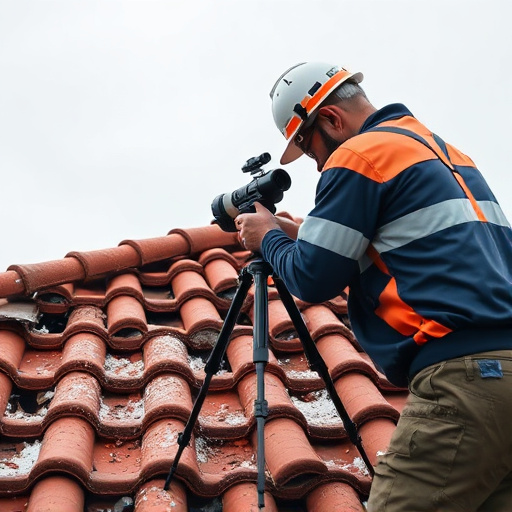
Storm damage can leave your Oro Valley home vulnerable to further harm, especially for the flashing, parapets, and underlayment. These components, often overlooked, play a crucial role in protecting your roof and home from the relentless force of storms. A single missed sign of damage could lead to interior leaks, costly repairs, and even structural instability. This article is your practical guide to navigating the aftermath of a storm, focusing on the critical aspects of storm-damaged flashing and parapets, and offering practical advice on securing your home before the next monsoon hits. By the end, you'll be equipped to spot potential issues, understand the repair process, and ensure your peace of mind.
- Identifying Storm Damage: A Visual Inspection
- Assessing Flashing, Parapets, and Underlayment
- Repair and Replacement: Step-by-Step Guide
- Preventive Measures for Future Storms
Identifying Storm Damage: A Visual Inspection
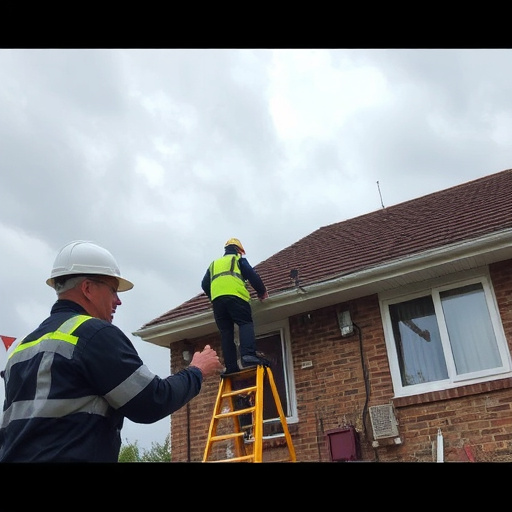
When assessing storm damage, a visual inspection of your Oro Valley roof is crucial, especially for identifying issues with flashing, parapets, and underlayment. These components are particularly vulnerable to the powerful forces unleashed during storms, such as monsoons, microbursts, and haboobs. An experienced Oro Valley roof specialist will look for specific signs of damage that may not be immediately apparent.
During your initial assessment, take photos of the entire roof, focusing on areas with flashing, parapets, and underlayment. These visual records serve as valuable documentation for insurance claims and future reference. Note any lifted or missing shingles, broken tiles, or exposed flashing-all indications of potential storm damage. Wind-driven rain can erode tile grout and expose flashing, leading to leaks and interior damage. Hail of varying sizes can also cause significant roof damage, with larger hailstones lifting shingles and creating exposed underlayment.
Inspecting parapets is essential, as they often take the brunt of storms. Look for cracks, gaps, or loose stones that may have been dislodged. These defects not only compromise the structural integrity of your roof but also provide entry points for water and debris. Check the underlayment for any visible damage, as it matters in protecting the roof deck from moisture intrusion. The process of identifying storm-related damage requires meticulous attention to detail, and professional roofers, especially those avoiding the pitfalls of storm chasers, are trained to spot these issues during a thorough visual inspection.
Assessing Flashing, Parapets, and Underlayment
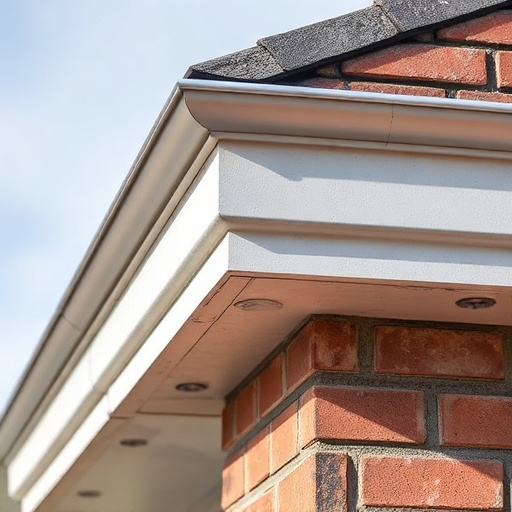
When a storm hits Oro Valley, damage to your roof's flashing, parapets, and underlayment can be significant. These components, while often overlooked, play a crucial role in protecting your home from water intrusion. Let's break down the assessment process for each.
Flashing acts as a crucial barrier between your roof and the elements. Storm-damaged flashing is a common issue, especially in areas prone to heavy rain and strong winds. It can be difficult to spot without a thorough inspection. Look for signs like peeling, rust, or missing pieces. A roofing contractor serving Oro Valley and Marana with an Arizona ROC license will know to check for proper flashing installation, ensuring it's sealed tightly against the roof deck and around vents and chimneys. Water intrusion often starts at flashing, so addressing it promptly is key to preventing larger problems.
Parapets are designed to guard against debris and water runoff, but they can be vulnerable to storm damage. High winds and flying debris can lift or break tiles, causing gaps that allow water to penetrate. Inspecting parapets after a storm involves looking for any missing or loose tiles, as well as signs of rust or rot, especially if the parapet has been exposed to constant wind near Pusch Ridge. Regular maintenance and repairs can extend the lifespan of your parapets, ensuring they continue to shield your home effectively.
Underlayment is the layer beneath the shingles, providing an extra layer of protection against water intrusion. Storm-damaged underlayment can be difficult to identify from the ground, but signs include curled or lifted sections. Heavy rain and strong winds can cause the underlayment to stretch and rip, leading to water seepage. A licensed roofer will check for proper underlayment installation and look for any tears or damage that could compromise its integrity. Keeping the underlayment in good condition is vital, as it supports the shingles and prevents water from reaching the roof deck.
Regular inspections are crucial for identifying storm-damaged flashing, parapets, and underlayment. If you notice any issues or suspect storm damage, don't delay-contact a reputable roofing contractor. Quick action can prevent further damage and ensure your home remains protected.
Repair and Replacement: Step-by-Step Guide

When a storm hits Oro Valley, one of the most vulnerable areas of your home is the roof. Among the many issues that can arise, storm damaged flashing and parapets are particularly concerning. Flashing is a thin layer of metal or synthetic material that seals the joints between roof components, while parapets are vertical structures at the edge of the roof that not only serve aesthetic purposes but also provide protection against wind and debris. Both are critical to your home's overall structural integrity.
Inspection and Repair: The First Steps
After a storm, a thorough inspection is crucial. Look for signs of uplift, cracks, or missing pieces. If your roof is accessible, check the flashing for any tears or dislodged pieces. In severe cases, such as a microburst, the force of wind can lift shingles and damage the underlayment, leading to significant problems. If you notice any storm damaged flashing and parapets, it's vital to act quickly. A licensed Arizona roofer with an Arizona ROC license can assess the damage and provide expert advice. They will often recommend repairing or replacing the affected areas as soon as possible to prevent further deterioration and the risk of interior leaks.
Repair or Replace: The Decision
In many instances, storm damaged flashing and parapets can be repaired. Small tears or cracks can be sealed, and loose pieces can be reattached. However, if the damage is extensive-if the metal flashing is completely ripped or the parapet is severely weakened-replacement might be necessary. A skilled roofer will help you determine the best course of action based on the extent of the storm damage. In areas with high wind exposure near Pusch Ridge, replacement might be more prudent to ensure the longevity of your roof.
The Replacement Process: A Step-by-Step Guide
- Remove the Damaged Areas: The roofer will carefully remove the damaged flashing and parapets, taking care to preserve any intact components that can be reused.
- Prepare the Surface: The affected areas are cleaned and prepared for new flashing and parapet installation. This might involve patching the roof deck if storm damage has exposed it.
- Install New Flashing and Parapets: New flashing is applied, ensuring a secure seal at all joints. New parapets are then installed, following the same meticulous precision as the original construction.
- Inspection and Final Touches: Once the new flashing and parapets are in place, a final inspection is conducted to ensure everything is secure and meets the high standards of a local roof expert.
Remember, timely action and professional guidance are crucial when dealing with storm damaged flashing and parapets. By following these steps and working with a reputable, licensed Arizona roofer, you can ensure your Oro Valley home is protected from future storms.
Preventive Measures for Future Storms

Storms in Oro Valley can cause significant damage to your roof, and one of the most vulnerable areas is the flashing and parapets. To minimize the impact of future storms, it's crucial to understand how these elements contribute to your roof's overall protection and what measures you can take to prevent storm-related damage.
Preventing Storm Damage to Flashing and Parapets
Flashings and parapets are designed to shield your roof from water intrusion, a primary cause of roof damage during storms. Flashings, which are thin sheets of weatherproof material, seal the joints and edges of your roof, preventing water from seeping in. Parapets, on the other hand, are vertical structures at the edge of your roof that also protect against water runoff. Both are critical for maintaining the structural integrity of your roof. Regular inspection and maintenance are key. Look for signs of cracking or deformation, especially after a severe storm. Cracked or lifted flashings and broken tiles can create paths for water to enter your home. A licensed Arizona roofer can help assess and repair these issues, ensuring your roof is in top condition before the next storm.
To prepare for monsoon season, secure loose tiles and check for any signs of hidden damage. Before the first heavy rain, make sure your underlayment is in good condition and your gutters are clear. These preventive measures can go a long way in protecting your home from the worst that storms can throw at it. Securing tiles before the monsoon season begins can prevent them from being blown away by strong winds, a common cause of storm damage. Maintaining clear gutters ensures that water can flow freely off your roof, reducing the risk of interior leaks and flash flood runoff.
Frequently Asked Questions About an Explainer on Storm Damage to Flashing, Parapets and Underlayment
What is storm damage to roofing components?
Storm damage can significantly impact roofing systems, particularly the flashing, parapets, and underlayment. Flashing, designed to seal joints and protect against water intrusion, can be torn, lifted, or damaged by high winds and falling debris. Parapets, which provide protection at the edge of a roof, may sustain breakage or become loose. Underlayment, a protective layer beneath the shingles, can be ripped, torn, or saturated by heavy rain, leading to potential mold and rot issues.
How can I identify storm damage to my roof?
Look for visible signs like missing or damaged flashing, broken or missing shingles, and gaps or tears in the underlayment. Check for water stains, mold growth, or evidence of leaks inside your home. If you notice any of these, it's crucial to inspect the entire roof for potential vulnerabilities. A professional roofing inspection is recommended post-storm to ensure safety and prevent further damage.
What should I do immediately after a storm if I suspect roof damage?
First, ensure your safety by staying indoors and avoiding damaged areas. Document the damage with photos, taking note of affected areas and any potential hazards. Contact a licensed roofing contractor immediately to assess the damage and provide temporary repairs if necessary. Prompt action can prevent further deterioration and costly repairs.
Does insurance cover storm-related roofing damage?
Most home insurance policies cover storm damage, including roofing issues. However, the extent of coverage depends on your policy and the specific circumstances. Check your policy's terms regarding wind, hail, or other storm-related events. Provide your insurance company with detailed information and documentation of the storm damage for a smooth claims process.
How do I prepare my roof for a storm?
While complete storm proofing is challenging, proactive measures can reduce potential damage. Ensure your roof is well-maintained, with all flashing, shingles, and underlayment in good condition. Trim trees and branches near your roof to prevent them from falling during strong winds. Consider installing impact-resistant roofing materials, which offer enhanced protection against hail and high-speed debris.
Storms can wreak havoc on your Oro Valley roof, leaving behind visible and hidden damage, especially to flashing, parapets, and underlayment. Understanding the key areas affected and taking proactive steps are crucial for protecting your home. By conducting a thorough visual inspection, you can identify storm-related issues like lifted shingles, broken tiles, and interior leaks. This article has guided you through assessing these components, offering a step-by-step repair and replacement process.
The repair timeline, while varying based on storm severity, provides a framework for expecting recovery. Preventive measures, such as securing loose tiles before monsoon season and maintaining proper ventilation, can significantly reduce storm damage. Remember, prompt action is vital; the damage from one storm can weaken your roof against subsequent events, like a second storm before repairs are complete.
In the aftermath, document your findings, photograph storm damage, and consult with professionals. A public adjuster specializing in roof claims can aid in navigating insurance processes, ensuring you receive adequate compensation for repairs, including those to storm-damaged flashing and parapets. This practical knowledge equips you to safeguard your home and navigate the challenges of storm restoration, emphasizing the importance of professional, proactive, and informed care.
Storm Damage to Flashing and Parapets in Oro Valley: A Practical guide
When storms hit Oro Valley, these components are especially vulnerable:
- Flashings: Seal joints, prevent water intrusion. Inspect for cracks, peeling, or missing pieces.
- Parapets: Guard against debris, water runoff. Look for missing, loose, or damaged tiles.
Regular inspections, maintenance, and quick repairs are crucial. A licensed roofer can assess and repair storm damage, ensuring your roof's protection. Replace damaged or severely weakened flashing and parapets to prevent further deterioration. Act promptly to minimize risks from exposed flashing and potential interior leaks.