The Oro Valley monsoon season brings powerful storms and intense rainfall, posing significant risks to your roof. Understanding the first steps after storm damage is crucial for protecting your home. A storm's aftermath can leave your roof vulnerable to further deterioration, hidden damage, and interior leaks. Neglecting these issues can result in costly repairs and even pose safety hazards. This article provides expert guidance on preparing your roof for the next monsoon, focusing on what to do immediately after a storm to ensure a secure and durable structure. By following these steps, you'll be well on your way to a successful storm damage repair process.
- Assess Post-Storm Roof Damage
- Secure Roof for Monsoon Safety
- Prepare for Water Management
- Post-Monsoon Maintenance Checklist
Assess Post-Storm Roof Damage
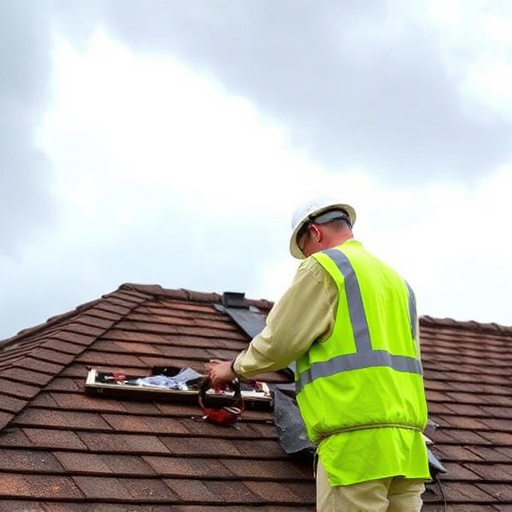
After a storm, the first steps after storm damage include a thorough assessment of your roof's condition. As a resident of Oro Valley or Marana, Rancho Vistoso, understanding the potential impacts of storms like haboobs is crucial. These powerful events can leave behind a trail of damage, and your roof is often the first line of defense against the elements.
Start by walking around your property and looking for any visible signs of damage. Check for lifted or missing shingles, broken tiles, and loose flashing. These are common issues that can result from wind-driven rain and flying debris. A recent storm might have left behind a trail of broken ceramic tiles scattered across your lawn, indicating a potential underlayment problem. Also, inspect your gutters, as heavy rain from storms can cause clogs and interior leaks. Look for water stains or dripping on the inside of your home, which could signal a leak. The grounding block from DC Roofing of Arizona, a local roofing company serving Oro Valley, emphasizes the importance of documenting all damage with photographs for insurance claims.
In some cases, storm damage may not be immediately apparent. Hidden issues such as storm damaged flashing or parapets, or even lifted shingles that have not fallen, can pose future problems. To prepare for the next monsoon, securing loose tiles and checking the overall integrity of your roof is essential. If you suspect storm damaged underlayment, it's best to consult with a professional roofer. They can assess the extent of the damage and provide accurate estimates for repairs, ensuring your roof is ready to withstand the challenges of the upcoming monsoon season.
Secure Roof for Monsoon Safety

As the monsoon season approaches, preparing your Oro Valley roof is crucial to safeguard against potential storm damage. The next few months bring an increased risk of severe weather events, including powerful winds, hailstorms, and heavy rainfall, all of which can cause significant roof damage. An experienced Oro Valley roof specialist recommends a proactive approach to ensure your home's protection. Here's a step-by-step guide to securing your roof and minimizing the impact of the upcoming monsoon.
The first step in preparing for monsoon season is to conduct a thorough roof inspection. Look for any signs of existing damage, such as cracked tiles, lifted shingles, or flashing issues. Hail damage, in particular, can be extensive, and identifying weak spots is essential. An expert suggests examining the entire roof, focusing on areas with higher wind exposure, like those near Pusch Ridge. During this inspection, pay close attention to the underlayment and vents-often overlooked but critical components in preventing water intrusion. If you spot any loose tiles or damaged flashing, address them promptly to avoid further complications.
After the initial inspection, securing loose tiles should be a top priority. High winds and heavy rain during the monsoon can easily dislodge them, leading to potential water leaks and structural damage. A simple yet effective method is to ensure all tiles are firmly attached using appropriate fasteners. Consider adding roof shields or other protective barriers to further fortify against flying debris. These measures are especially important for those who have experienced past storms, as hidden damage from such events can go unnoticed until the next heavy downpour.
Lastly, once the roof is secured, it's time to prepare for the inevitable. Keep an eye on the weather forecast and be ready to act quickly if a severe storm approaches. Documenting damage is also crucial, as it aids in insurance claims. Take photos of any visible damage, including lifted shingles, broken tiles, or flashing issues, for future reference. This documentation will be invaluable if you need to file a storm damage insurance claim, ensuring a smoother process and a faster repair timeline.
Prepare for Water Management

Preparing your roof for the upcoming monsoon in the Catalina Foothills involves a critical focus on water management, especially after recent wind damage. Broken tiles and other debris from storms can create significant leaks, leading to interior damage and costly repairs if left unattended. The first steps after storm damage are crucial: conduct a thorough inspection, photographing any visible issues, and securing loose tiles before the monsoon hits. This proactive approach is key to mitigating potential problems and protecting your investment.
One of the most effective strategies is to ensure proper drainage around your roof. Blockages or poor drainage can lead to flash flood runoff, causing serious damage to your roof and home. Regularly clear gutters of debris and consider installing downspout extensions to direct water away from your foundation. Check the condition of your underlayment, flashing, and parapets, as these are vulnerable to wind damage. A licensed Arizona roofer can help assess these areas, especially in areas with high wind exposure, like near Pusch Ridge.
To further protect your roof, consider the type of damage most common in your region. In areas prone to microbursts, securing tiles and shingles tightly is paramount. Also, be mindful of the size and intensity of hail, as it can vary significantly from year to year. After a storm, if you spot damage from the ground, it's a sign that your roof may need attention. Don't delay; act swiftly by contacting a local roofing company serving Oro Valley and Marana for an urgent quote, ensuring your home is protected during the next storm.
Post-Monsoon Maintenance Checklist

As the monsoon season approaches, homeowners in Oro Valley and Marana must prepare their roofs to withstand the intense weather patterns. While some storm damage is unavoidable, a well-maintained roof can minimize the impact and reduce the need for costly repairs. This post-monsoon maintenance checklist offers crucial first steps after storm damage to ensure your roof is protected and ready for the next storm.
Starting with a thorough inspection, identify any lifted shingles, broken tiles, or signs of hidden storm damage. Check for scuppers-the drainage channels on your roof-which can become blocked and lead to interior leaks after heavy rain. If your roof has sustained hail damage, different types of roofs require distinct repairs. Shingle roofs, for example, may need to be replaced entirely, while metal roofing can be repaired with spot fixes. Keep an eye out for tree limb damage, which can cause significant roof wear and tear, and promptly remove any debris to prevent further issues.
To avoid the pitfalls of storm chasers and ensure legitimate service, prioritize companies with a proven track record, like DC Roofing of Arizona. They offer emergency repairs and prompt estimates, crucial in the immediate aftermath of a storm. Secure any loose tiles before the monsoon hits, as strong winds can exacerbate damage. Regularly inspect the underlayment, flashing, and parapets, as these components are vital to your roof's defense against flying debris and microbursts. Remember, a storm-ready roof is a well-maintained roof. By following these steps, homeowners can safeguard their investments and ensure peace of mind during the monsoon season.
Frequently Asked Questions About Seasonal Advice on Preparing a Roof for the Next Monsoon
What is the most crucial step in roof maintenance before monsoon season?
Regular inspection is key. Before monsoon, have a licensed Oro Valley area roofing contractor assess your roof for any damage, loose or missing shingles, or signs of wear and tear. Early detection ensures timely repairs, preventing water damage and structural issues from intense rainfall.
How does monsoon weather impact roofs, and what should homeowners be aware of?
Monsoon storms bring heavy rainfall, strong winds, and lightning, all of which can strain roofs. Homeowners should be vigilant for leaks, broken or curled shingles, and signs of structural weakness. Regular maintenance, including cleaning gutters and securing loose items nearby, is crucial to minimize potential damage.
When is the best time to schedule a roof repair before monsoon?
Optimal timing is 2-3 months before the expected monsoon season. This allows ample time for repairs and ensures your roof is in its best condition to withstand the season's challenges. DC Roofing of Arizona, a local roofing company serving Oro Valley, recommends early preparation for the most effective results.
Can a roof warranty cover monsoon-related damage?
Most vs workmanship warranties cover a range of issues, but specific monsoon damage might vary. Review your warranty carefully; it should outline covered events and exclusions. Typically, normal wear and tear is excluded, but severe weather events may be included, providing protection against significant monsoon-related damage.
How does homeowners insurance play a role in monsoon roof damage?
Homeowners insurance policies typically cover damage from storms and heavy rainfall. However, the extent of coverage depends on the policy and specific circumstances. After monsoon storms, file a claim with your insurance provider if you suspect roof damage, and they will guide you through the claims process, potentially assisting in repair or replacement costs.
As we approach the monsoon season, the first steps after storm damage become crucial for preparing your Oro Valley roof. This article has provided a practical guide to navigating post-storm inspections, securing your roof for monsoon safety, and managing water efficiently. By assessing damage, such as lifted shingles, broken tiles, and storm-damaged underlayment, you can take immediate action. Secure loose tiles, reinforce flashing, and ensure proper ventilation to prevent further issues.
Regular maintenance is key to long-term protection. Implement a post-monsoon checklist that includes inspecting gutters, checking for interior leaks, and evaluating the overall condition of your roof. By following these practical steps, you'll mitigate potential storm damage, protect your home, and avoid costly repairs. Remember, early preparation is the best defense against the elements, so stay proactive and keep your roof in top shape.
As monsoon season approaches in Oro Valley and Marana, prepare your roof to mitigate storm damage. Conduct thorough inspections, document visible damage, and secure loose tiles. Focus on water management, especially after wind storms, to prevent leaks. Maintain your underlayment, flashing, and parapets. Regular maintenance ensures your roof is storm-ready, protecting your investment.