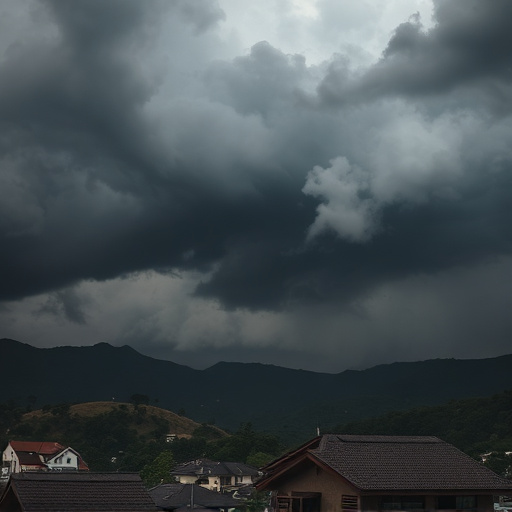
Oro Valley homeowners face a unique challenge after monsoon storms, as powerful winds and intense rainfall can leave significant roof damage in their wake. This natural phenomenon, characterized by intense hail, high winds, and flash floods, can wreak havoc on roofs, from lifted shingles and broken tiles to more hidden damage like storm-damaged underlayment and flashing. Assessing this damage is crucial, as it determines the scope of repairs and your storm damage insurance claim.
This article provides a practical guide to navigating the post-storm roof assessment process, offering practical advice on what to look for, how to document it, and when to call in professionals like DC Roofing of Arizona for expert repairs. By understanding the key indicators of roof damage, especially the relationship between hail size and roof damage, you'll be better equipped to protect your home and ensure timely, budget-friendly repairs.
- Immediately Assess Safety and Roof Integrity
- Document Hail Size and Damage Extent
- Understand Insurance Coverage for Hail Damage
- Repair and Prevent Future Roof Damage After Storms
Immediately Assess Safety and Roof Integrity

As soon as a monsoon storm passes, Oro Valley homeowners should immediately assess the safety and integrity of their roof. This is crucial, especially given the unique challenges posed by intense winds, heavy rainfall, and hail in our region, like the Catalina Foothills. The first step is to look for any visible signs of damage from the ground, such as lifted shingles, broken tiles, or missing flashing around parapets and roof vents. A large hailstorm could cause significant roof damage, with hail size playing a critical role in the extent of the damage.
Walk around your property, examining your roof for any loose tiles or shingles that may have been blown away by strong winds. If you spot any, secure them immediately to prevent further damage before the next storm. To the roof itself, check for water intrusion into the attic or ceilings, which could indicate damaged gutters or flashing. These issues, especially near Pusch Ridge, can lead to serious structural problems if left unaddressed. Remember, a licensed Arizona roofer can provide expert advice on these initial assessments and help prioritize repairs.
Don't forget to look up at your roof from the ground to check for any obvious signs of damage to the roof structure, including warped or bent trusses. If you notice any serious issues, avoid the temptation to climb up and inspect yourself, as it can be dangerous. Instead, contact a professional roofing contractor who can safely and accurately assess the situation. They will be able to provide a thorough inspection, including checking the underlayment, and give you a clear understanding of the scope of the repair work needed.
Document Hail Size and Damage Extent
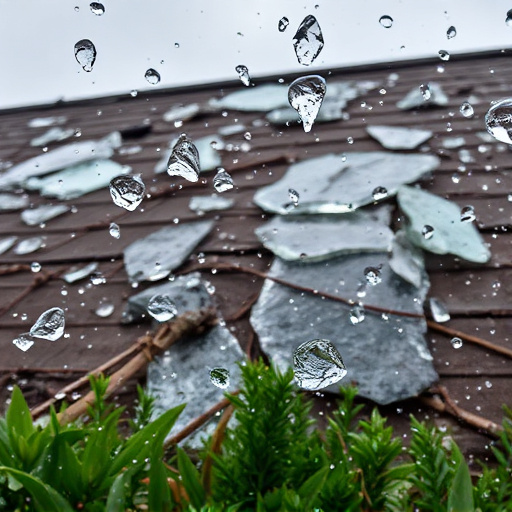
After a monsoon storm, one of the most critical steps for Oro Valley homeowners is to accurately document the hail size and extent of roof damage. This information is crucial for insurance claims and ensuring thorough repairs. Hail can vary greatly in size, from tiny pebbles to large, golf-ball-sized chunks, each capable of causing different types of damage. Microbursts, intense localized thunderstorms, can produce hail that is particularly destructive. These powerful events can lift shingles and break tiles, leading to significant roof damage.
Inspecting your roof for hail damage requires a methodical approach. Start by walking the roof, looking for lifted shingles, broken tiles, or other visible signs of damage. Check for scuppers-the small openings in gutters that prevent water from backing up-as they can also be affected by flying debris. An experienced Oro Valley roof specialist recommends photographing any damage from multiple angles, documenting the hail size and the extent of the damage. Note any areas where the underlayment is exposed or where flashing has been damaged.
Next, assess the overall condition of your roof. Look for signs of hidden storm damage, such as interior leaks after heavy rain or flash flood runoff. Lightning strikes can also cause significant roof damage, so be on the lookout for charred or damaged areas. If a second storm hits before repairs are completed, it can exacerbate existing damage or create new problems. Homeowners should also consider the wind exposure near features like Pusch Ridge, as wind-driven rain can contribute to tile leaks and other issues. By thoroughly documenting the hail size and extent of damage, you'll be better prepared to communicate with your insurance provider and ensure your Oro Valley storm restoration is handled efficiently.
Understand Insurance Coverage for Hail Damage

After a monsoon storm, many Oro Valley homeowners find themselves dealing with the aftermath, particularly the potential for extensive roof damage from hail, wind, and falling debris. Understanding your insurance coverage for hail damage is crucial in this process.
Hail size and roof damage go hand in hand. The type of roofing material and the severity of the storm determine the extent of the damage. Flat or low-sloped roofs in the Catalina Foothills area, common in Oro Valley, are particularly vulnerable to hail impact. Smaller hail may leave only minor dents, while larger hail can cause extensive damage, including lifted shingles, broken tiles, and punctures in the underlayment. Even small holes can allow water intrusion, leading to further damage and costly interior repairs.
When assessing your roof, look for signs of hail damage, such as circular dents or broken or missing shingles. Inspect the flashing and parapets around the roof edges, as these areas are often affected by flying debris. Water intrusion can be a subtle indicator; check for stains or mold growth, especially in attics or along the ceiling lines. If you suspect significant damage, it's best to contact a professional roofer, like DC Roofing of Arizona, who can provide a thorough inspection and estimate.
Your home insurance policy typically covers hail damage, but understanding the specifics is essential. Some policies have deductibles, so check yours to know what your out-of-pocket expenses might be. Certain policies may have limitations on the size of hail or the amount of damage that's covered. If your roof is considered "commercial" or has certain features, the coverage might differ. Always review your policy or consult an insurance professional to ensure you're fully aware of your rights and the process for filing a claim, especially when dealing with extensive hail damage.
Repair and Prevent Future Roof Damage After Storms
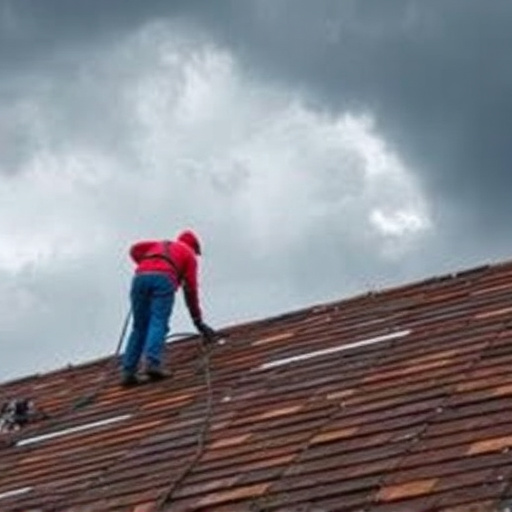
After a monsoon storm, assessing your Oro Valley roof for damage is crucial to prevent further issues. With the right knowledge, you can protect your home and ensure prompt repairs. One of the first steps is to check for hail size and roof damage. Inspecting your roof for broken tiles or lifted shingles is essential, as these can lead to interior leaks and other structural problems. An experienced Oro Valley roof specialist recommends photographing any visible damage for insurance claims and to help document repairs later.
Focus on key areas: flashing, parapets, and roof vents. Storm-driven rain can cause leaks in these areas, leading to interior damage and mold growth. Look for signs of storm damaged flashing and parapets that may have been blown away or damaged by debris. Storm damaged roof vents can also be a problem, blocking airflow and increasing the risk of interior leaks. If you spot any damage, don't delay; contact a licensed Arizona ROF contractor immediately. Many roofers, like those at DC Roofing of Arizona, offer 24/7 leak teams for emergency repairs.
Before the next monsoon season, take proactive measures. Securing loose tiles and preventing hidden storm damage can save you from costly repairs. Regular maintenance, such as cleaning gutters and inspecting underlayment, can also protect your roof. Keep in mind that hail size can vary from tiny pellets to golf-ball sized stones, each capable of different levels of damage. Larger hail can puncture shingles, while smaller hail might just cause cracks. Understanding these differences will help you gauge the extent of the damage and plan repairs accordingly. Remember, a second storm before repairs are complete can complicate matters, so prioritize securing your roof as soon as possible.
Frequently Asked Questions About a guide for Oro Valley homeowners on assessing roof damage after a monsoon storm
What should I do immediately after a monsoon storm to assess my roof damage?
After a storm, the first step is to ensure your safety. Check for any hazards like fallen trees or power lines. Then, inspect your roof from a safe distance. Look for missing or loose shingles, water stains, or signs of leaks. Document any damage with photos, noting the date and extent. Contact a licensed Oro Valley roofer like DC Roofing of Arizona for a thorough assessment as soon as possible.
How can I tell if my roof needs immediate attention after a storm?
Immediate attention is required if you notice gaping holes, extensive missing shingles, or large, loose debris on your roof. Water leaks, especially around gutters and downspouts, are also a red flag. If you hear unusual noises from the roof or smell a musty odour, these could indicate structural damage or mould growth, necessitating professional evaluation.
What should I look for during a visual inspection of my roof after a storm?
Examine your roof for common storm-related damage: missing or curled shingles, flashing damage, dented or broken gutters, and signs of water ingress. Check for water stains, discolouration, or signs of mould growth. Inspect the roof's structure, looking for weak or broken supports. Note any areas where water may collect, such as valleys or low spots. Document all findings for your insurance claim.
What steps should I take to protect my roof from future storm damage?
To protect your roof, trim any dead or overhanging branches nearby. Reinforce gutters and downspouts to ensure proper water flow away from your home. Consider installing impact-resistant shingles or underlayment, as these offer better storm protection. Regular maintenance, including cleaning and inspection, can also help prevent significant damage.
When should I contact a professional for roof repair after a storm?
Seek professional help if the damage is extensive, involving large areas of missing or damaged shingles, structural issues, or water leaks. If you're unsure about the severity of the damage or need help with insurance claims, a licensed roofer can provide expert assessment and repair services. DC Roofing of Arizona, for instance, offers post-storm repair packages tailored to your needs.
After facing a monsoon storm, Oro Valley homeowners must prioritize safety and assess their roof's integrity as the first step. Documenting hail size and the extent of damage is crucial, as this information will help navigate insurance claims. Understanding your policy's coverage for hail damage, often excluded, is essential for avoiding unexpected costs. Repairs should be handled by certified storm experts to ensure accurate assessments and swift, secure solutions. Preventative measures, such as securing loose tiles and reinforcing flashing, can protect against future storm damage. The key takeaway: quick action and expert care are vital to minimizing the impact of storm damage, especially considering the potential for hidden issues like lifted shingles and interior leaks.
Oro Valley Homeowners' Post-Monsoon Storm Roof Damage Assessment Guide:
- Immediate Visual Inspection: After a storm, inspect your roof from the ground for lifted shingles, broken tiles, or missing flashing. Secure loose tiles to prevent further damage.
- Document Hail Size and Damage: Use photos to document hail damage, including hail size and extent. Look for scuppers, underlayment exposure, and flashing damage.
- Assess Roof Structure: Check for warped or bent trusses from strong winds. Avoid climbing to inspect; contact a licensed roofer for safe, expert assessment.
- Identify Hidden Damage: Look for interior leaks, mold growth, and flash flood runoff. Lightning strikes can also cause damage; check for charred or damaged areas.
- Understand Insurance Coverage: Know your home insurance policy's hail damage coverage, deductibles, and limitations. Contact DC Roofing of Arizona for professional help.
- Proactive Maintenance: Secure loose tiles, clean gutters, and inspect underlayment annually to protect your roof from hail size variations and potential storm damage.