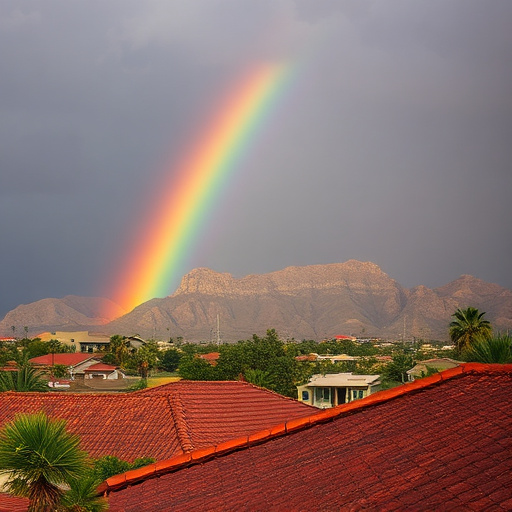
Storms can leave a trail of hidden damage, weeks after the initial event. As a homeowner, it's crucial to know the signs of this delayed impact, especially for lightning roof damage. This is a critical step in ensuring your home's safety and protecting your investment. This article provides a practical guide to spotting storm damage that isn't immediately apparent, such as lightning strikes that can weaken roof structures. We'll walk you through the process of a thorough damage checklist, including how to identify signs of hidden problems like interior leaks, loose tiles, and storm-damaged flashing. Understanding these issues is key to a swift and effective repair, avoiding the pitfalls of a second storm before the first repairs are made.
- Recognizing Delayed Signs of Lightning Damage
- Common Types of Hidden Roof Wears
- Inspection Tips for Storm-Damaged Properties
- When to Call a Professional Roofer
Recognizing Delayed Signs of Lightning Damage
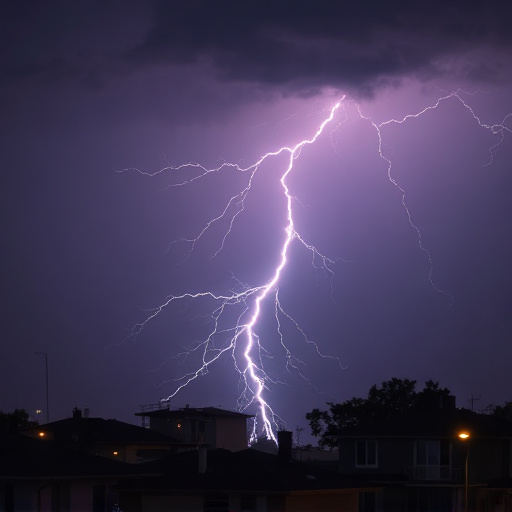
Hidden storm damage can often manifest weeks after a severe weather event, posing challenges for homeowners and businesses alike. Lightning, in particular, strikes without warning and can leave signs that aren't immediately apparent. Recognizing these delayed indicators is crucial for timely repairs and ensuring the safety of your property, especially in areas like Oro Valley's Rancho Vistoso where lightning strikes are not uncommon.
One of the most insidious forms of lightning damage is the gradual deterioration of shingles. Lightning strikes can cause arcing and heat that weakens shingles, leading to lifted shingles over time. Homeowners should be vigilant for curled, cracked, or missing shingles, particularly on the edges of the roof. A close inspection might reveal that the storm that hit last month has left several shingles in need of replacement, a sign that may not be immediately obvious during a quick exterior scan.
Interior damage can also be a red flag. Ceiling stains, particularly in areas near the peak of the roof, can indicate lightning strikes that occurred weeks prior. Lightning can travel long distances and strike the ground far from the actual impact point, so even if the exterior shows no signs, interior damage could be a clue. A licensed Oro Valley area roofing contractor recommends regular interior inspections, especially in homes with metal roofing, as these can act as paths for lightning.
Another common sign of delayed lightning damage is flashing and parapet issues. Lightning can erode flashing over time, causing leaks and further damage. Similarly, parapets can be affected, with stones or bricks loosened by the force of a strike. Homeowners should inspect these areas for any signs of movement, cracks, or missing pieces, as these could signal hidden lightning damage. Regular maintenance and prompt attention to these details can save you from costly repairs down the line.
Common Types of Hidden Roof Wears
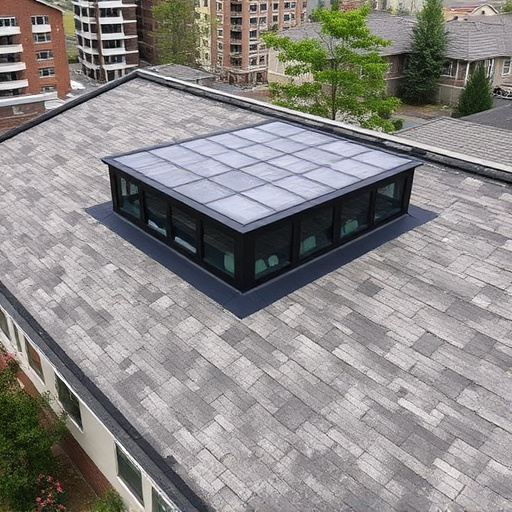
Hidden storm damage can often go unnoticed for weeks or even months after a severe weather event. This is particularly true for roofing issues, where signs of trouble might not be immediately apparent. Lightning roof damage, for instance, can leave no visible scars at first, only to reveal itself as a more significant problem down the line. This section explores common types of hidden roof wear that homeowners and business owners in Oro Valley should watch for, even after the storm has passed.
One of the subtler yet more insidious forms of damage is that caused by wind. High-speed winds can strip away protective layers, such as underlayment, exposing the roof to further elements. This can lead to a variety of issues, from interior leaks after heavy rain to lifted shingles and broken tiles. Photo documentation plays a crucial role here; taking pictures of your roof from multiple angles before and after a storm can help you spot these subtle changes. A close inspection of parapet walls may reveal gaps or damage that was previously missed.
Lightning strikes can also cause hidden damage. Unlike visible strikes, which leave behind charred marks, the effects of a close lightning strike can be less obvious. Lightning roof damage may include weakened or damaged shingles, flashing, and even structural components. These issues can go unnoticed until a second storm or heavy rain exposes the vulnerabilities. Homeowners in areas with frequent lightning storms, like the Oro Valley region near Pusch Ridge, should be especially vigilant. DC Roofing of Arizona, a local roofing company serving Oro Valley, emphasizes the importance of regular inspections, especially in high-risk areas, to catch these hidden dangers before they become costly repairs.
Another type of hidden damage involves the roof's flashing and gutters. Storms can cause flashing to pull away from the roof, creating openings that allow water to seep in. Similarly, gutters can be damaged or dislodged, leading to clogs and water pooling around the foundation. These issues might not be immediately apparent but can result in serious interior leaks and structural damage over time. Regularly checking these components, especially after a storm, can help prevent these hidden costs.
Inspection Tips for Storm-Damaged Properties

Hidden storm damage can often go unnoticed for weeks or even months after a severe weather event, leaving homeowners with unexpected repairs. This is especially true for damage caused by microbursts, intense columns of strong, downdraft winds that can wreak havoc on roofs and structures. Lightning roof damage, another insidious issue, may leave visible signs, but subtle weaknesses can go unnoticed until after the storm has passed. To ensure your property is fully inspected and any potential issues are addressed, follow these expert tips for spotting hidden storm damage.
One of the most effective tools for thorough inspection is photo documentation. Take detailed pictures of your roof and property from multiple angles, focusing on areas prone to damage such as parapets, chimneys, and corners. Compare these photos with your property's pre-storm images for any signs of changes. A licensed Arizona roofer may notice lifted shingles or missing tiles that indicate wind exposure or flying debris impact. Check for water stains or discolored areas on the ceiling and walls, which could point to interior leaks caused by storm-related damage to the roof or flashing.
Pay close attention to flashing and underlayment. Storm damage can compromise these critical components, leading to future leaks. Look for loose, cracked, or curled flashing, as well as any signs of water intrusion. Damaged underlayment may appear as torn or missing sections, creating potential entry points for water and moisture. Lightning strikes can also cause subtle damage, so inspect for small holes or charred areas on the roof, which could indicate direct strikes or nearby lightning activity.
Regular maintenance checks after a storm are crucial. Walk the property and inspect for any tree limbs that may have fallen or been pushed against the roof, as these can cause significant damage, especially during microbursts. Also, look for any loose tiles or shingles that need securing before the next monsoon season. While some storm damage may be immediately apparent, many issues develop over time, making prompt attention and professional assessment vital.
When to Call a Professional Roofer
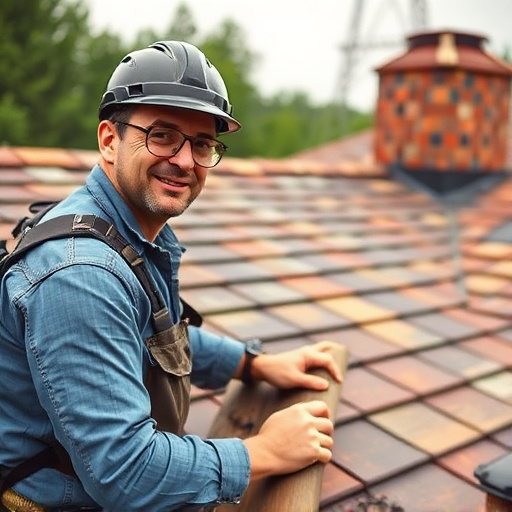
Hidden storm damage can often go unnoticed for weeks or even months after a severe weather event. This is particularly true for damage that isn't immediately visible from the ground, like lightning roof damage. During the monsoon season, when storms are frequent and intense, it's crucial to understand the signs of hidden damage and when to call a professional roofer.
Lightning strikes, for instance, can cause significant roofing damage without any visible signs on the surface. An experienced Oro Valley roof specialist can inspect your roof for signs of lightning damage, such as charred or singed areas, melted shingles, or damaged flashing. These hidden injuries can lead to serious interior leaks if not addressed promptly. Other types of hidden damage may include damaged underlayment, lifted or missing shingles, and damage to roof vents and gutters. These issues often show up later as interior water stains, mold growth, or unexpected utility bills.
Regular inspections are key to catching hidden storm damage early. After a storm, it's wise to spot-check your roof for any visible damage, including tree limb impacts and scuppers blocked by debris. If you notice any issues or suspect hidden damage, don't delay-call a professional roofer. They can perform a thorough assessment, identify hidden problems, and provide a detailed estimate for repairs. Remember, waiting too long to address storm damage can lead to more extensive repairs and higher deductibles on your insurance claim. A second storm before the first set of repairs is completed can cause additional harm, complicating the claim process.
Frequently Asked Questions About a guide to spotting hidden storm damage that shows up weeks later
What should I look for to determine if I have storm damage?
Check for missing or loose shingles, dark stains on the exterior or interior of your home, peeling paint, or warped or damaged siding. These could be signs of water intrusion, a common result of severe storms. Also, pay attention to any unusual noises, such as creaking or groaning, which might indicate structural damage.
How soon after a storm should I inspect my property?
It's crucial to inspect your property as soon as possible after a storm. While some damage may be immediately apparent, many hidden issues, like water saturation or weakened structures, may not become evident until weeks or even months later. Timely inspection can help prevent further complications.
What if I can't spot any visible damage, but I suspect there might be storm damage?
If you suspect storm damage but can't see any obvious signs, contact a professional. They have the expertise to pinpoint hidden issues, such as moisture buildup or structural weaknesses, that could lead to more serious problems if left unattended.
Who should I contact if I find storm damage on my property?
First, document the damage with photos. Then, contact your insurance company to report the incident. They will guide you through the claims process and help coordinate repairs with a trusted contractor. For severe cases, consider reaching out to a licensed Oro Valley area roofing contractor specializing in storm damage restoration.
What should I do if my insurance company denies my claim for storm damage?
If your claim is denied, review your policy and the reasons provided by the insurance company. Gather additional evidence, such as photos, estimates from multiple contractors, and any relevant documentation. Then, contact a professional insurance claims adjuster for a second opinion. They can help you navigate the process and ensure your claim is accurately evaluated.
How long does it typically take to resolve storm damage claims?
The resolution time varies depending on the severity of damage, your insurance company's processing speed, and the complexity of repairs. While some claims may be resolved within a few weeks, more significant claims could take several months. Keep open lines of communication with your insurance company and contractor to track the progress.
As you assess your Oro Valley property after a storm, remember that some signs of damage may not be immediately apparent. Lightning roof damage, for instance, can leave hidden traces that only become evident weeks later. Delayed signs include elevated moisture levels inside, discolored or blistered shingles, and weakened underlayment. By understanding these potential indicators, you can ensure a thorough inspection and take prompt action. Regularly inspect your roof, especially after severe weather, to catch issues early. If you suspect hidden storm damage, don't delay; contact a licensed local roofing expert, such as DC Roofing of Arizona, for a professional assessment. Their expertise and IICR certification ensure accurate identification and timely repair of problems like lightning roof damage, protecting your investment and providing peace of mind.
Hidden storm damage, especially lightning roof damage, can be insidious, showing up weeks or months after severe weather. Homeowners in Oro Valley, known for frequent lightning storms, should watch for signs like curled, cracked, or missing shingles, interior water stains, and damaged flashing. Regular inspections, both visual and documented with photos, are key to catching issues early. Prompt attention to hidden damage prevents costly repairs and ensures a safe, well-maintained property. If damage is suspected, contact a licensed local roofer for a thorough assessment and repair estimate.