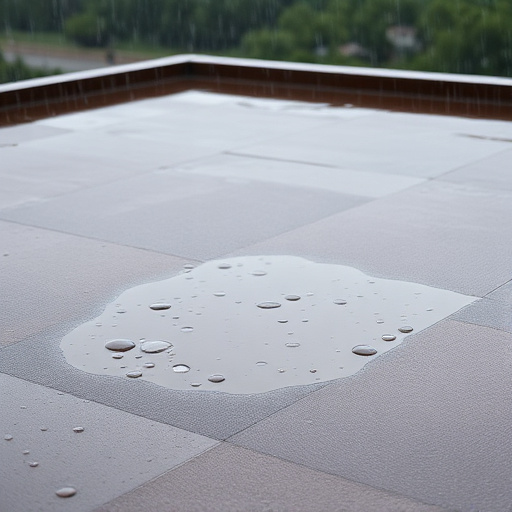
In the rugged, sun-drenched landscape of the Oro Valley, intense storms can bring unexpected chaos, with microbursts and hail leaving a trail of damage in their wake. When your roof suffers microburst roof repair or other storm-related harm, navigating the insurance claim process can feel overwhelming. Understanding your rights, the extent of the damage, and the best course of action is crucial for a swift and stress-free recovery. This guide offers a straightforward, expert-driven walk through of the roof insurance claim process in our region, empowering you to protect your investment and secure the repairs your home needs.
- Understanding Your Roof Insurance Coverage
- Reporting Microburst Damage: Step-by-Step
- Navigating the Claim Process: Rights & Responsibilities
- Hiring a Reputable Microburst Roof Repair Contractor
Understanding Your Roof Insurance Coverage
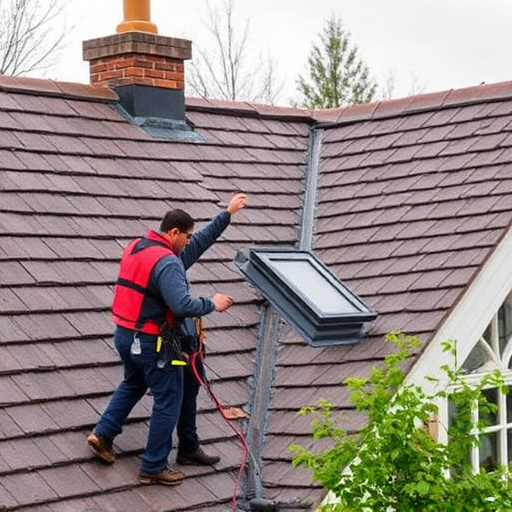
Understanding your roof insurance coverage is a crucial step in the aftermath of a storm in Oro Valley, especially during the monsoon season. This process starts with assessing the extent of the damage, which might include microburst roof repair, a common concern in our area due to the unique weather patterns near Pusch Ridge. Your first step is to review your policy, focusing on the specific coverage for wind and hail damage. Most Arizona insurance plans include some form of protection for these events, but the specifics vary widely, so understanding the fine print is essential.
An experienced Oro Valley roof specialist can serve as your guide during this time, offering expert insights tailored to your policy and the unique challenges of your property. They'll help you navigate the process of documenting the damage, which includes taking detailed photographs and noting the exact locations of affected areas, like lifted shingles, broken tiles, or storm-damaged underlayment. This documentation is crucial, as it will be used to support your storm damage insurance claim. Remember, many claims are handled through a public adjuster, so ensuring your claim includes all necessary details can streamline the process.
When filing your claim, be aware of potential hidden storm damage. Flash flood runoff, interior leaks from heavy rain, and storm-related tree limb damage can all go unnoticed initially. Your insurance company will send an adjuster to inspect the property, but it's beneficial to spot potential issues from the ground and communicate them clearly. Be wary of storm chaser roofers who might take advantage of the situation. Reputable contractors hold an Arizona ROC license and prioritize long-term repairs over quick fixes. Always verify their credentials and get multiple estimates before making a decision, especially when considering repairs right before or after a storm.
Reporting Microburst Damage: Step-by-Step
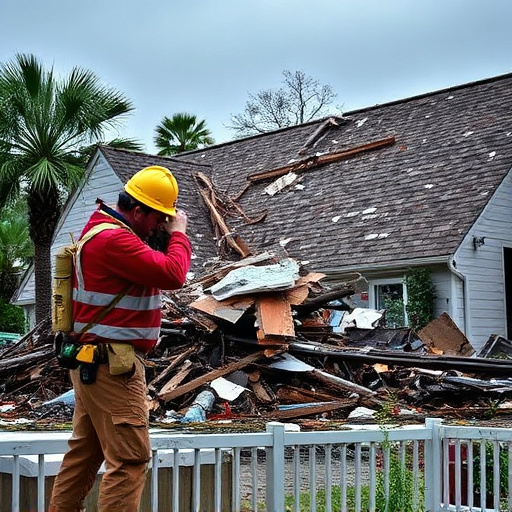
When a microburst strikes, the damage can be significant. As a property owner in Oro Valley, it's crucial to know the steps to report and repair this type of severe weather damage. Microbursts, intense columns of rapidly descending air, can lift shingles, rip off gutters, and even uproot trees. This kind of storm damage requires specialized knowledge and equipment to assess and fix safely.
Step 1: Document the Damage
The first step in microburst roof repair is thorough documentation. Take photos of the entire roof from various angles, focusing on any lifted or missing shingles, damaged flashing, or visible signs of water intrusion. Don't forget to document any interior ceiling stains caused by water seepage. If you notice water stains on multiple ceilings or bulging in the drywall, this could indicate a serious problem that requires immediate attention.
Step 2: Contact a Licensed Insurance Adjuster
Next, contact your insurance company and request an adjuster to inspect the damage. An experienced insurance adjuster will assess the situation, verify the extent of the microburst damage, and help you navigate the claims process. They may also point out any potential hidden damage, like storm-related flashing or underlayment issues, that you may not have initially noticed.
Step 3: Begin Repairs (with Expert Help)
Once your claim is approved, it's crucial to work with a qualified, experienced Oro Valley roof specialist. They will begin repairs promptly, starting with securing any loose tiles or shingles before the next storm. They'll then replace damaged or missing shingles, inspect and repair flashing, and ensure the roof is properly sealed against leaks. If the microburst has damaged your solar panels, a specialist can assess the extent of the damage and either repair or replace them, minimizing further complications.
Step 4: Monitor and Maintain
After the initial repairs, monitor your roof closely for any signs of further damage. Keep an eye out for ceiling stains, sagging, or strange noises that could indicate ongoing problems. Regular maintenance, including cleaning gutters and inspecting the roof, can help prevent future issues and ensure your home remains protected from the next storm. Remember, quick action after a microburst is key to minimizing damage and ensuring your peace of mind.
Navigating the Claim Process: Rights & Responsibilities

Navigating the Claim Process: Your Rights and Responsibilities
When dealing with storm damage, especially from microbursts, which can cause significant roof damage, understanding your rights and responsibilities is crucial. As a homeowner in Oro Valley, you expect a swift and fair process when filing an insurance claim for repairs. A licensed Oro Valley area roofing contractor can guide you through this complex journey, ensuring you're protected and your home is restored.
The first step after a storm is to assess the damage, taking note of broken tiles, lifted shingles, and any signs of water intrusion. Documenting these issues, including taking photographs, is essential. Your insurance company will require evidence of the storm's impact. Keep detailed records of your repairs, including estimates and receipts, as these will be crucial for your claim. Remember, the goal is to prove the extent of the storm damage, especially when dealing with hidden issues like damaged underlayment.
As a property owner, you are responsible for reporting the damage promptly. Most insurance companies have specific deadlines for filing claims. Once reported, the insurance adjuster will inspect your property, evaluating the wind damage and any interior leaks. They may also assess the damage to your roof vents, gutters, and solar panels. During this process, be prepared to provide detailed information about the storm's impact and the repairs needed. If a second storm occurs before repairs are complete, this could affect your claim timeline and coverage.
When dealing with potential storm chasers, be cautious. These are roofers who may offer quick repairs but could charge excessive rates. Look for a reputable, licensed contractor to ensure your home is repaired correctly the first time. They can help you navigate the insurance claim process, ensuring you receive the financial protection you deserve for your Oro Valley home, even after severe weather events like microbursts and haboobs.
Hiring a Reputable Microburst Roof Repair Contractor
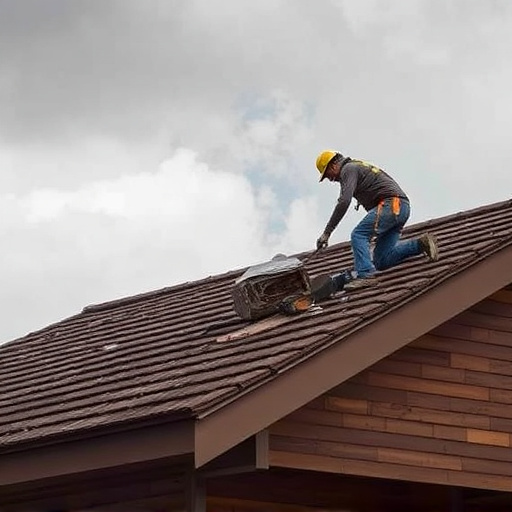
When dealing with the aftermath of a microburst, one of the most crucial steps in the storm damage roof repair process is selecting a reputable contractor. In Arizona, where microbursts and haboobs can leave devastating damage, choosing a licensed and experienced roofer like DC Roofing of Arizona can make a significant difference.
The first step is to verify that the contractor holds a valid Arizona ROC license, which ensures they meet the state's standards for safety and professionalism. Look for a company specializing in microburst roof repair, as these storms often cause unique and specialized damage, from lifted shingles and broken tiles to storm damaged underlayment and flashing. DC Roofing of Arizona, for example, has extensive experience handling the unique challenges posed by these extreme weather events.
Before hiring anyone, request detailed quotes and estimates. A reliable contractor will provide a comprehensive assessment, documenting the full extent of the damage, including hidden issues like interior leaks after heavy rain or flash flood runoff affecting the roof structure. This thoroughness not only protects you from unexpected costs but also provides valuable peace of mind. Remember, a trustworthy contractor will never pressure you into unnecessary repairs or overcharge for work.
Once you've selected a contractor, ensure they have a proven track record of successful microburst roof repairs. Ask for references and check online reviews. A reputable company will be happy to showcase their work and provide contact information from previous clients. By prioritizing a licensed Arizona roofer with expertise in microburst repairs, you'll be better protected against hidden storm damage and ensure your roof is restored to its pre-storm condition.
Frequently Asked Questions About a plain language walk through of the roof insurance claim process in Arizona
What happens after I notice roof damage?
Once you identify roof damage, contact your insurance provider immediately. Start by filing a claim online or by phone. Provide detailed information about the damage, including photos if possible. An adjuster will inspect your roof and assess the damage. This process is crucial to ensure a fair settlement.
How do I know if my roof damage is covered by insurance?
Your policy will outline what's covered. Look for terms like "storm damage," "wind and hail," or "natural disasters." If your damage aligns with these, it's likely covered. However, check for exclusions, such as damage caused by poor maintenance or wear and tear.
Who is responsible for repairing my roof after an insurance claim?
After your claim is approved, your insurance company will either pay directly to a licensed contractor (like DC Roofing of Arizona) or issue you a check to cover the repair costs. You can then choose a qualified roofer in Oro Valley to perform the necessary repairs.
What if my insurance denies my claim? Can I appeal?
If your claim is denied, review the denial letter carefully. Understand their reasons and gather additional evidence to support your case. Contact your insurance company again, providing new information. If the denial stands, consult an insurance professional or lawyer for guidance on appealing the decision.
How quickly should I expect my roof to be repaired after filing a claim?
Most insurance claims for roof repairs in Arizona take around 2-4 weeks to process. However, this can vary depending on the complexity of the claim and the adjuster's workload. Keep communication open with your insurance company and contractor to track the progress.
What documentation do I need to support my insurance claim?
Gather important documents, including your policy, photos of the damage, estimates from contractors, and any repair receipts. These documents will help support your claim and ensure a smoother process. Keep a record of all communication and documents for your records.
Understanding your roof insurance coverage, knowing how to report microburst damage, navigating the claim process, and hiring a reputable microburst roof repair contractor are crucial steps to ensure your Oro Valley home is protected after a storm. By familiarizing yourself with these key aspects, you can effectively manage the aftermath of a storm event. The article has provided a practical guide to help you make informed decisions, from securing immediate repairs to dealing with insurance companies. Remember, the first steps after a storm, such as securing loose tiles before the monsoon or photographing roof damage, are critical for a successful claim. By following these practical next steps, you can mitigate hidden storm damage, avoid hiring storm chaser roofers, and ensure your property is restored to its pre-storm condition, offering peace of mind and financial protection.
In Oro Valley, Arizona, understanding your roof insurance coverage after a storm is crucial. Begin by reviewing your policy for wind and hail damage protection, then document storm damage thoroughly, including hidden issues. Contact a licensed insurance adjuster and a reputable, licensed roofer for expert guidance and repairs. Prompt action, thorough documentation, and choosing the right contractor are key to a successful microburst roof repair process, ensuring your home is protected and restored.