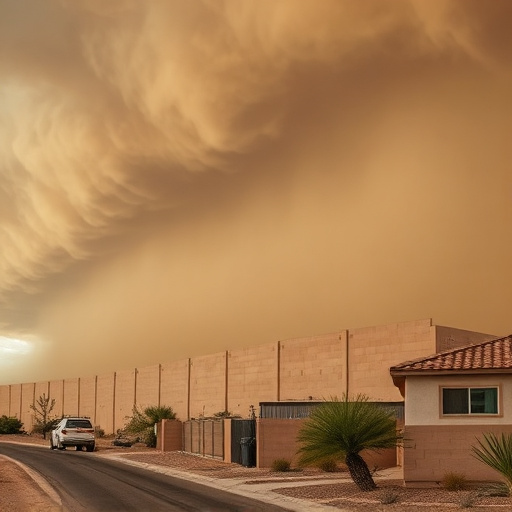
In Oro Valley, Arizona, a storm can turn a beautiful home into a repair project. Understanding how hail, microbursts, and wind-driven rain specifically damage tile, foam, and shingle roofs is crucial in our region's monsoon season. The monsoon roof damage checklist becomes your defense against these powerful weather events. Knowing the signs of hidden storm damage and taking swift action is vital for your home's protection.
Heavy hail can leave lifted shingles and broken tiles, while microbursts, intense localized tornadoes, can cause widespread damage. Wind-driven rain seeps into cracks and can lead to interior leaks, damaging not just the roof but also the home's structure. This article provides a practical guide to navigating these challenges, from the first steps after a storm to securing loose tiles and understanding storm repair timelines.
We offer expert advice on everything from storm damage insurance claims to spotting damage from the ground and avoiding untrustworthy storm chasers. With our help, you'll be better equipped to protect your Oro Valley home from these severe weather events.
- Understanding Hail and Microbursts: Common Roof Threats
- Impact on Tile, Foam, and Shingles: Damage Assessment
- Monsoon Roof Damage Checklist: Identifying Vulnerabilities
- Repairs and Prevention: Safeguarding Your Oro Valley Roof
Understanding Hail and Microbursts: Common Roof Threats
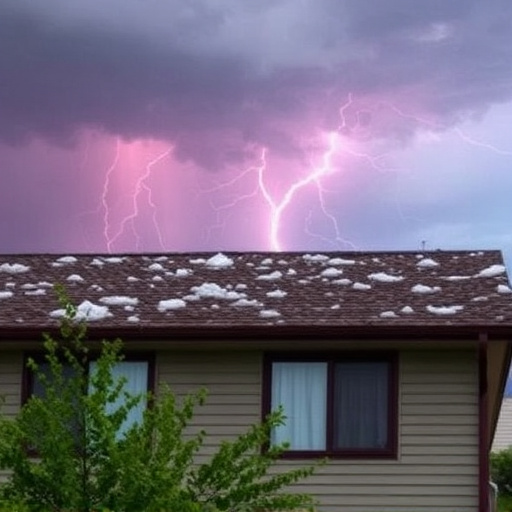
Hail and microbursts, common during Arizona's monsoon season, pose significant threats to roofs across Oro Valley and Marana. Understanding how these weather phenomena impact different roofing materials is crucial for homeowners and property managers in this region. This section examines the mechanics of hail and microburst damage, focusing on tile, foam, and shingle roofs.
Hail, ranging in size from small pebble to large golf balls, can cause extensive damage when striking a roof. The force of impact can lift shingles, break tiles, and puncture holes in foam roofing. A severe hailstorm can leave behind a field of loose, damaged shingles, posing a safety hazard and allowing water intrusion. A roofing contractor serving Oro Valley and Marana will often inspect for hail damage during the monsoon season, as it's a critical step in maintaining a home's integrity. Homeowners should be vigilant, too, checking their roofs for any signs of damage after a storm.
Microbursts, localized, powerful downdrafts from thunderstorms, can be even more destructive. They generate high winds that can tear off shingles, rip off flashing, and even uproot trees. Unlike hail, microburst damage may not be immediately apparent. Interior leaks after heavy rain, for example, could indicate storm-related flashing or underlayment issues. Spotting damage from the ground is often challenging, as microbursts can leave an area looking seemingly unscathed while neighboring properties suffer severe damage. This is why a thorough post-storm inspection is essential, especially with the deductible for storm damage claims often a significant portion of the overall policy.
In a monsoon roof damage checklist, homeowners should prioritize securing loose tiles before the next storm and checking for hidden damage. Regular maintenance and timely repairs can mitigate the impact of hail and microbursts. Securing tiles during the pre-monsoon season can prevent lifted shingles and broken tiles from causing more extensive and costly damage. Working with a certified storm expert or a roofing contractor with experience in Oro Valley can ensure an accurate inspection and help with navigating the storm damage insurance claim process.
Impact on Tile, Foam, and Shingles: Damage Assessment
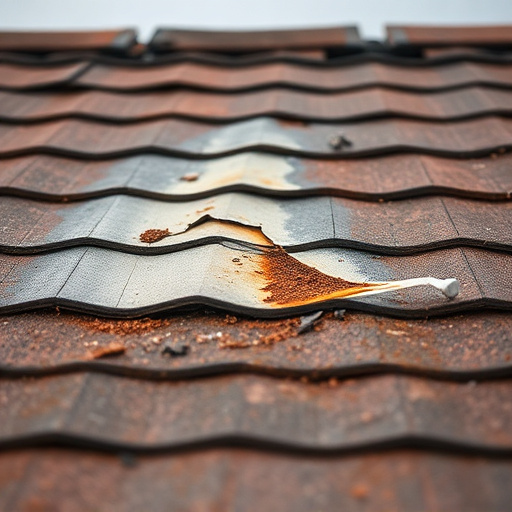
Hail, microbursts, and wind-driven rain are a triple threat to Oro Valley roofs, particularly during monsoon season. Understanding the specific impact these storms have on tile, foam, and shingles is crucial for effective damage assessment and timely repairs. Let's break down each roofing material and how these weather events can affect them.
Tile Roofs: Tile roofs, a common sight in Oro Valley, are susceptible to both physical damage and water intrusion. Hail of any size can leave noticeable dents or cracks in the tiles, compromising their integrity. Microbursts, intense, localized thunderstorms, can cause tiles to become loose or lift, creating immediate leaks. After a storm, inspect your tile roof for missing or damaged tiles, loose laps, and any signs of water intrusion. Photo documentation, a key part of our monsoon roof damage checklist, can help in filing insurance claims with DC Roofing of Arizona.
Foam Roofs: While foam roofs are known for their insulation properties, they are not without vulnerabilities. Strong winds can tear or lift the foam material, exposing the underlayment and creating paths for water intrusion. Hail can also cause deflation and damage, especially in areas with less support. After a storm, Marana residents should check for signs of foam separation, tears, or compression, which can be identified by a professional roofer.
Shingle Roofs: Shingles, whether asphalt or wood, face a range of challenges during storms. Hail can shatter or lift shingles, exposing the underlying deck. Wind-driven rain can cause shingles to curl, crack, or become loose. A thorough inspection should include looking for missing shingles, exposed nails, and water stains inside the home, indicating interior leaks. A storm that hits during the day may leave visible damage on the roof, while a night storm could only reveal interior water damage the next morning.
In the wake of a storm, it's crucial to document the damage with photos and create a detailed list for your insurance claim. Our team at DC Roofing of Arizona is equipped to assess and repair storm damage, ensuring your Oro Valley roof is protected and restored. Remember, early action is key to minimizing repairs and the stress of a storm-damaged roof.
Monsoon Roof Damage Checklist: Identifying Vulnerabilities
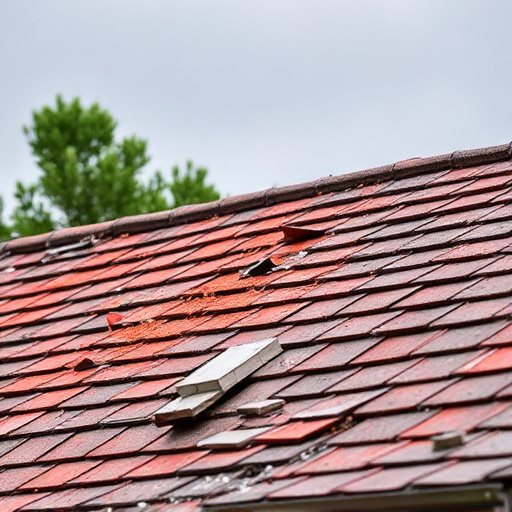
Hail, microbursts, and strong winds are a devastating combination for Oro Valley rooftops during the monsoon season. As these weather events become more frequent and intense, understanding the unique vulnerabilities of different roofing materials is crucial for homeowners. This section of our guide examines the monsoon roof damage checklist, focusing on tile, foam, and shingle roofs, and offers practical insights to help you identify potential issues.
Tile roofs, popular in our region, are known for their durability. However, large hail can leave significant damage, especially if it's embedded in the tile. Inspect for cracks, chips, or missing tiles, which can lead to water penetration. The monsoon wind exposure near Pusch Ridge can exacerbate these issues. A microburst could lift a tile, creating a perfect path for water to enter and cause interior leaks after heavy rain. A roofer with an Arizona ROC license should be consulted for a thorough assessment. They can help with the initial storm damage inspection and guide you through the insurance claim process.
Foam roofs, a popular choice for energy efficiency, are also susceptible to hail damage. Unlike tile or shingles, a single impact can create a significant problem. Look for holes or tears in the foam, which can lead to structural weaknesses and compromised insulation. Flying debris from storms can cause these damages, making prompt repairs crucial to prevent secondary issues like mold growth. Remember, an early monsoon storm can set the stage for problems during a later, more intense event.
Shingle roofs, the most common type in Oro Valley, face their own set of challenges. Hail can leave lifted or missing shingles, exposing the underlayment to harsh elements. This is where a detailed monsoon roof damage checklist comes into play. Check for curled, cracked, or missing shingles, which can be signs of microburst damage. Also, inspect the underlayment for water damage or exposed nails, as these can indicate hidden storm damage. Be wary of storm chaser roofers who might take advantage of these situations; always deal with licensed professionals for peace of mind.
Repairs and Prevention: Safeguarding Your Oro Valley Roof
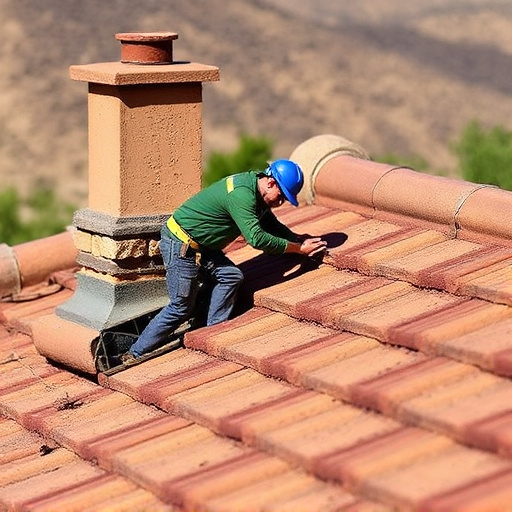
Oro Valley residents know that the monsoon season brings both beauty and challenges. As the sky darkens and the wind picks up, so does the risk of severe weather, including hailstorms and microbursts. These powerful events can leave a trail of destruction, particularly on your roof. From tile and foam to shingles, each roof material has its vulnerabilities. Understanding how these storms affect your roof and what to do afterward is crucial for effective prevention and repairs.
Hail, a common occurrence during monsoons, can vary in size from tiny pellets to golf ball-sized chunks. Even small hail can cause significant damage to your roof, especially if it's left unattended. Tiles and shingles can be lifted, cracked, or broken, exposing the underlayment to water intrusion. Microbursts, intense, localized tornadoes, are another threat. They can uproot trees, tear off roofs, and hurl debris at incredible speeds. The force of a microburst can be devastating, leading to widespread damage in a matter of seconds.
After a storm, the first step on your monsoon roof damage checklist is to assess the situation. Look for loose or missing tiles, cracks in shingles, or any signs of water leakage. Photo documentation is invaluable; take clear images of the damage, both from the ground and from your attic (if safe to access). This visual record will be essential for insurance claims and repairs. DC Roofing of Arizona, a local expert, emphasizes the importance of prompt action. "The faster you address the issue, the better the outcome," says their lead inspector.
Prevention is key to safeguarding your Oro Valley roof. Securing loose tiles before the monsoon season begins is a practical measure. Regular inspections and maintenance can also help identify weak spots. Checking for loose flashing or damaged gutters before a storm can prevent water intrusion. Considering a robust underlayment and impact-resistant roofing materials can provide better protection against hail and flying debris. By combining these strategies with a comprehensive knowledge of storm patterns in your area, you can mitigate the risk of monsoon-related roof damage.
Frequently Asked Questions About an explainer on how hail and microbursts damage tile, foam and shingle roofs
What types of roofs are most susceptible to hail and microburst damage?
Hail and microbursts can damage all types of roofs, but tile, foam, and shingle roofs are particularly vulnerable due to their material composition and construction. Tile roofs, with their brittle nature, can sustain cracks or chips upon impact. Foam roofs, while lightweight, offer little resistance to the force of hailstones, often resulting in punctures or deflation. Shingle roofs, though more durable, can still be severely damaged by large hail, with shingles tearing, cracking, or becoming dislodged.
How do hailstorms specifically damage tile roofs?
Hailstorms pose a significant threat to tile roofs because of their hard, dense nature. Hailstones, especially larger ones, can strike and crack the tiles, exposing the underlayment. Repeated impact can lead to widespread damage, allowing water penetration and potentially causing mold and structural issues. DC Roofing of Arizona, a licensed Oro Valley area roofing contractor, emphasizes the importance of impact-resistant tiles and underlayments to mitigate these risks.
Can microbursts cause more damage than hail?
Microbursts, intense localized thunderstorms, can indeed cause more damage than hailstorms. They produce powerful winds that can tear off shingles, uplift and tear off parts of the roof, and even uproot trees. The force of these winds can also cause structural damage to the roof frame and components. A local roofing company serving Oro Valley and Marana should be equipped to assess and repair damage from such extreme weather events.
What should homeowners do immediately after a hailstorm?
After a hailstorm, homeowners should conduct a thorough inspection of their roof. Look for any missing or damaged shingles, signs of water leakage, or visible cracks in the tiles. It's crucial to act quickly; delay can lead to secondary damage from water intrusion or mold growth. A licensed Arizona roofer should be contacted to assess and repair damage promptly, ensuring the roof's integrity and protecting the home from further weather-related risks.
How can homeowners protect their roofs from hail and microburst damage?
To protect roofs from hail and microburst damage, homeowners can consider using impact-resistant materials, such as engineered shingles or metal roofing. Regular maintenance, including checking for loose or damaged shingles, also helps. Installing a proper underlayment and ensuring proper roof ventilation can further enhance resistance. A roofer with an Arizona ROC license can provide expert advice and install suitable protective measures tailored to the local climate and weather patterns.
Are homeowners insurance policies adequate for covering hail and microburst damage?
Homeowners insurance policies typically cover hail and microburst damage, but the extent of coverage varies. Policies may have specific deductibles and exclusions, so reviewing the policy is essential. DC Roofing of Arizona, as an experienced Oro Valley roof specialist, can assist in understanding coverage details and guiding homeowners through the claims process, ensuring they receive the necessary repairs or replacements for their roof.
Understanding the unique threats posed by hail, microbursts, and monsoon seasons is crucial for Oro Valley homeowners. This article has outlined the severe impact these weather events can have on tile, foam, and shingle roofs, providing a practical guide to damage assessment and effective repairs. By following the monsoon roof damage checklist and taking proactive measures, residents can protect their investments and ensure their homes are secure against these powerful forces of nature. The key takeaways? Regular inspections, quick action after storms, and understanding your roof's vulnerabilities are essential for long-term protection. With this knowledge, homeowners can navigate the aftermath of storms, file insurance claims, and make informed decisions to restore their roofs to their full strength and beauty.
Hail, microbursts, and monsoon winds pose significant threats to Oro Valley and Marana roofs, damaging tile, foam, and shingle materials. Regular inspections, timely repairs, and a thorough monsoon roof damage checklist are crucial for homeowners. Documenting damage, securing loose tiles before storms, and working with experienced, licensed roofers can protect your investment and ensure prompt, effective storm damage claims.