
Storms can cause extensive damage to homes, with roof repairs often a significant part of the recovery process. Documenting storm damage is crucial before repairs begin-it's your roof's game plan for healing. Without accurate documentation, you might face costly mistakes and delays. This is where a meticulous photographing roof damage comes in. By capturing detailed images of the damage, from lifted shingles and broken tiles to interior leaks and storm-damaged flashing, you empower yourself to make informed decisions. This article guides you through the process, ensuring your home's roof is restored effectively and efficiently. We'll cover everything from the initial assessment to working with insurance claims, offering practical advice to protect your investment.
- Assess and Document: Understanding Storm Damage to Your Roof
- The Power of Photography: Capturing Roof Damage Clearly
- Create a Detailed Inventory: Note Every Imperfection
- Organize and Share: Effective Damage Reporting for Repairs
Assess and Document: Understanding Storm Damage to Your Roof

When assessing storm damage, especially in the rugged landscape of the Catalina Foothills, it's crucial to document every detail. This includes photographing roof damage. A roofer with an Arizona ROC license can guide you through this process, ensuring that you have a clear record of the storm's impact. Start by examining your roof for visible signs of harm. Look for cracked or missing tiles, lifted shingles, and any signs of water intrusion. These are telltale signs of wind-driven rain leaks and potential interior leaks after heavy rain.
Documenting these issues is more than just taking pictures; it involves a thorough, systematic approach. Begin by identifying the type of roof you have-shingled, tile, or metal-as each is susceptible to different types of storm damage. Hail can leave distinct pockmarks on metal roofs, while tile roofs may sustain cracked or broken tiles. Note the extent of the damage, documenting any lifted areas, and take special note of any flashing or parapets that may have been affected. These details are crucial for accurate insurance claims.
Next, focus on structural integrity. Check for loose tiles or underlayment that may have been exposed to flying debris. In areas near Pusch Ridge, wind exposure can be a significant factor. Also, look for signs of hidden storm damage, such as discolored flashing or sagging areas that might indicate internal structural stress. Remember, a picture is worth a thousand words, so make sure your photographs capture these details clearly. This visual documentation will be invaluable when filing a storm damage insurance claim.
The Power of Photography: Capturing Roof Damage Clearly
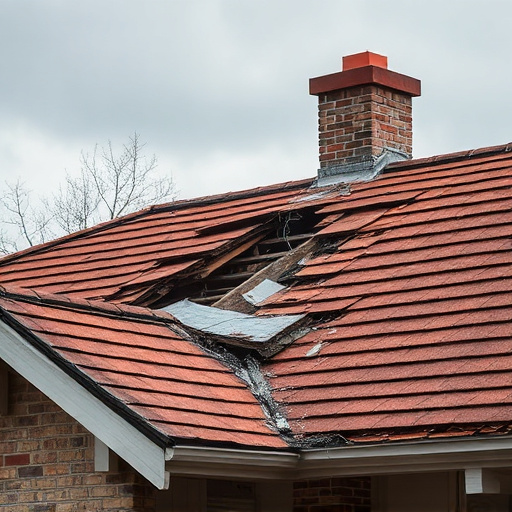
Documenting storm damage is a crucial step in the roof repair process, especially in regions like Oro Valley's Catalina Foothills, where intense haboobs can wreak havoc. Among the various tools and techniques, photography stands out as a powerful method for accurately capturing the extent of the damage. For photographing roof damage, an experienced Oro Valley roof specialist emphasizes the importance of clarity and detail.
High-quality images can serve as irrefutable evidence of the storm's impact, helping to expedite insurance claims and ensuring that repairs are comprehensive. Focus on capturing both the obvious and subtle signs of damage. Photographs of cracked or lifted shingles can be invaluable, as they demonstrate the severity of the storm's impact on your roof. Documenting areas with interior leaks after heavy rain, storm-damaged flashing and parapets, or even hidden damage under loose tiles can provide a holistic view of the repairs needed.
When photographing tile roofs, be mindful of the different types of damage. Hail size, for instance, can vary greatly, and its impact on various roof materials can differ significantly. Aim to photograph both the visible and hidden areas of the roof, especially around the edges and corners, where damage from wind-driven rain and flying debris might be more subtle. Remember, the goal is to create a comprehensive visual record that not only aids in insurance claims but also serves as a valuable reference for your roofing contractor throughout the repair process.
Create a Detailed Inventory: Note Every Imperfection

Documenting storm damage is a crucial step before any repairs begin. It ensures that you have a clear understanding of the extent of the damage and can help facilitate your insurance claim. One of the most effective ways to document this damage is through photographing roof damage. Capture images from various angles, focusing on any visible imperfections. This includes close-ups of lifted shingles, broken tiles, and areas showing signs of water intrusion. Look for flashing or underlayment that may be damaged or torn, as these are common points of entry for water during heavy storms.
A detailed inventory of every imperfection is essential. Note the type and extent of damage, such as hail damage, wind-driven rain tile leaks, or interior leaks after heavy rain. Document any hidden storm damage you suspect, as it can be difficult to spot from the ground. Check for lifted or missing shingles, which can expose the underlayment to further damage from flying debris. Keep a record of all these details, as they will be invaluable when you file a storm damage insurance claim.
In Oro Valley, where wind exposure near Pusch Ridge can be significant, it's crucial to perform a thorough inspection. Look for signs of microburst damage, which can be particularly severe. Also, be aware of potential lighting strikes, as they can cause significant roof damage. A public adjuster for roof claims may require these detailed photographs and notes to assess the damage and help you navigate your claim. Remember, the more comprehensive your documentation, the smoother the claims process will be.
Before the monsoon season, consider securing loose tiles and checking for storm-damaged flashing and parapets. This proactive approach can help prevent further issues and ensure your home is protected. If you notice any signs of hidden damage or second storm damage before repairs can begin, document it immediately. These steps will not only aid in your insurance claim but also provide peace of mind, knowing your roof is in the best hands, like those of DC Roofing of Arizona, a local expert in Oro Valley storm restoration.
Organize and Share: Effective Damage Reporting for Repairs

Documenting storm damage is a crucial step before any repair work begins. As a homeowner, you want to ensure that your insurance claim is accurate and comprehensive, covering all the necessary repairs. A licensed Oro Valley area roofing contractor recommends taking detailed notes and, when possible, photographing the damage. This process helps establish a clear picture of the storm's impact, allowing for more effective and efficient repairs.
Organize your damage report by categorizing the issues. Start with the roof, checking for lifted shingles, broken tiles, or signs of wind-driven rain leakage. Inspect the underlayment for any tears or water damage, and don't forget to examine the parapet walls and roof vents for potential storm damage. If you notice significant hail damage or evidence of microbursts, document these findings as well. These detailed observations will be invaluable when discussing repairs with your contractor.
Once you've thoroughly documented the roof's condition, move to other areas affected by the storm, such as gutters and skylights. Look for any hidden damage, like interior leaks after heavy rain or flash flood runoff, which might not be immediately visible. Be mindful of tree limb damage and any structural issues caused by lightning strikes. Sharing these detailed findings with your contractor ensures that no storm-related issues are overlooked, leading to a more accurate insurance claim and faster repairs.
Avoid hiring storm chasers, as their rushed and often subpar work can lead to hidden damage. Instead, take your time to document and share accurate reports. If you notice a second storm before repairs can begin, document the new damage separately to ensure each claim is properly addressed. Remember, meticulous record-keeping is key to a successful storm damage claim and a solid repair process.
Frequently Asked Questions About advice on documenting storm damage before repairs begin
What is the importance of documenting storm damage?
Detailed documentation is crucial for insurance claims, ensuring you receive the correct coverage for repairs. It also serves as a comprehensive record for future reference and can help verify the extent of the damage during the claims process. Take photos of the affected areas from various angles, noting any visible damage to roofs, siding, windows, and structures. Keep a written record of the date, time, and details of the storm, including the location and intensity of the event.
How should I document the damage to my roof?
Focus on any missing or damaged shingles, leaks, or structural issues. Take close-up photos of the damaged shingles, showing their size, shape, and color. Document the path of the storm and the direction of the wind to establish the most probable cause. If there are leaks, point out their location and extent. For severe damage, consider creating a sketch or diagram for clarity.
What information should I include in my damage report?
A thorough damage report should include the date, time, and location of the storm. Describe the type and extent of the damage, such as the number of missing or damaged shingles, the size of any holes or cracks, and the affected areas. Note any structural issues, like weakened or broken beams. Include measurements, if possible, and refer to supporting documents like insurance policies or previous maintenance records.
When should I contact a professional for help?
Contact a licensed roofing contractor or insurance adjuster as soon as possible after the storm. They can assist in assessing the damage accurately and ensuring you receive proper compensation. A professional can also help with the overall repair process, providing estimates, coordinating with insurance, and ensuring the work is done correctly.
Can I file a claim without proper documentation?
While possible, filing a claim without proper documentation increases the risk of delays or denied claims. Insurance companies typically require supporting evidence to verify the extent of the damage. Take the time to thoroughly document the storm damage to streamline the claims process and increase the likelihood of a successful claim.
Documenting storm damage is a crucial first step in the roof repair process, ensuring that your claims are accurate and your repairs are comprehensive. By photographing roof damage clearly, creating a detailed inventory, and organizing your findings, you empower yourself to navigate the claims process effectively. This ensures that your property is restored to its pre-storm condition, providing peace of mind and financial protection.
The power of photography cannot be overstated. Capturing images of lifted shingles, broken tiles, and storm-damaged flashing is essential, as these visual aids serve as irrefutable evidence of the storm's impact. The more detailed and well-organized your documentation, the smoother the repair process will be. Remember, the first steps after a storm, like securing loose tiles before the monsoon, involve assessing visible damage from the ground and taking photographs to support your claims.
Next, create a comprehensive inventory of every imperfection caused by the storm. Note the type and extent of damage, including hail size and its effect on different roof materials. This detailed record ensures that no damage goes unnoticed, from hidden storm damage beneath the surface to interior leaks resulting from flash flood runoff. By documenting everything, you can avoid unexpected repairs and ensure your storm damage insurance claim is accurate.
Documenting storm damage is a critical component of the roof repair process. By following these steps and utilizing the power of photography, you'll be well-prepared to navigate storm damage claims and ensure your Oro Valley home is protected.
Documenting storm damage on your Oro Valley roof is crucial for accurate insurance claims. Take clear, detailed photos of visible and hidden damage, including lifted shingles, broken tiles, flashing issues, and interior leaks. Categorize damage by roof type, noting hail size, wind exposure, and microburst potential. Share comprehensive reports with your roofer to ensure thorough repairs, avoiding subpar storm chaser work. Proactive documentation, even before the monsoon, ensures peace of mind and a smooth claims process.