In Oro Valley, the monsoon season brings intense weather patterns, posing significant risks to your home's most vital protection: the roof. Every year, severe storms, hail, high winds, and heavy rainfall test the strength of your roofing system, leading to potential damage that can be costly and time-consuming to repair. This seasonal phenomenon demands proactive preparation to safeguard your investment. This article provides a comprehensive monsoon roof damage checklist and practical steps to ensure your roof is ready to withstand the challenges of the next storm. We'll guide you through expert tips, common issues, and the crucial process of documenting and filing an insurance claim, offering invaluable insights to protect your home and peace of mind.
- Inspect for Weaknesses: Your Monsoon Roof Damage Checklist
- Strengthen Roof Structure Against Intense Weather
- Secure and Seal: Protecting Your Roof from Monsoon Damage
- Prepare for Heavy Rainfall: Long-Term Roof Maintenance Tips
Inspect for Weaknesses: Your Monsoon Roof Damage Checklist

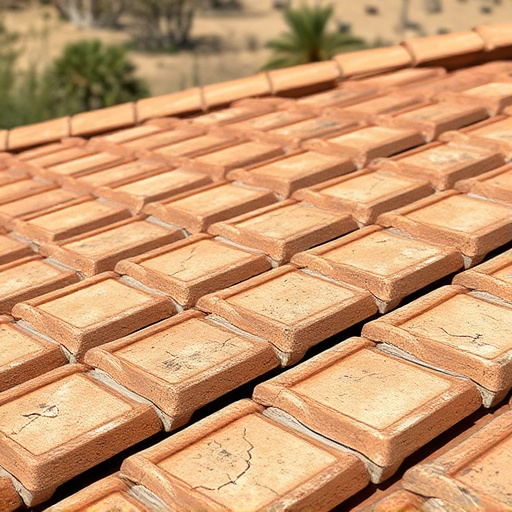
Before the next monsoon hits Oro Valley, it's crucial to conduct a thorough inspection, addressing any weaknesses that could lead to damage. Your monsoon roof damage checklist should include a comprehensive review of every component, as wind, hail, and flash floods can cause significant issues. Start by climbing up and examining your roof for any lifted shingles, broken tiles, or signs of loose debris-especially after a microburst or haboob, which can pack a powerful punch.
Check the flashing and parapets for any cracks or uplift, as these areas are particularly vulnerable to water intrusion. Look for signs of hidden storm damage, such as interior leaks after heavy rain, which might indicate a problem with the underlayment or roof vents. Don't forget to assess your gutters, as clogged or damaged gutters can lead to flash flood runoff, further compromising your roof and home. If you're unsure about any damage, consult with a local roofing company serving Oro Valley, who can provide expert advice.
According to the National Weather Service Tucson, the monsoon season in Oro Valley typically brings intense weather, including strong winds and hail. Your storm damage insurance claim will be smoother if you have detailed documentation, so take photos of any damage, including close-ups of shingles, tiles, and flashing. Keep in mind that a second storm can occur before repairs are completed, so securing loose tiles and reinforcing your roof against future storms is crucial. This proactive approach, guided by your monsoon roof damage checklist, will ensure your home is protected when the next haboob or microburst strikes.
Strengthen Roof Structure Against Intense Weather
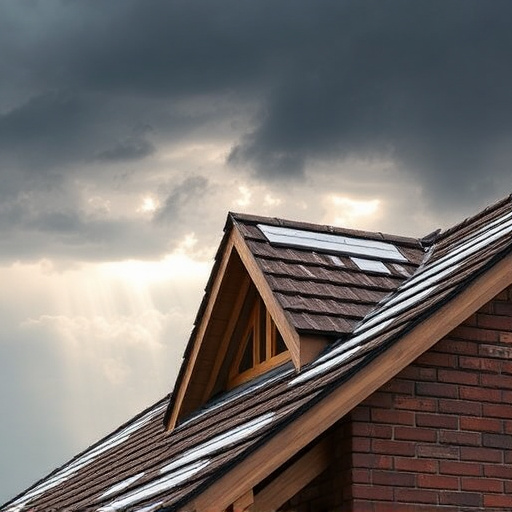
As the monsoon season approaches, preparing your Oro Valley roof for the potential intensity is crucial. The Catalina Foothills, known for its dramatic weather patterns, can bring powerful storms that may cause significant damage if your roof isn't properly fortified. This is where a thorough monsoon roof damage checklist comes into play, guiding you through the essential steps to strengthen your roof structure against the next storm.
A licensed Oro Valley area roofing contractor recommends focusing on several key areas. First, inspect your flashing, a vital component often overlooked. Flashing acts as a barrier between your roof and the walls, preventing water intrusion. Over time, it can become loose, torn, or damaged, especially during intense wind and rain events. Ensure all flashing is securely attached and in good condition. Similarly, parapet walls, which line the edges of your roof, are also susceptible to damage from flying debris and strong winds. Regularly assess these walls for any cracks, gaps, or loose bricks, ensuring they remain intact and stable.
The monsoon season is notorious for sudden, powerful storms that can leave a trail of destruction. By implementing these measures, you're not just preparing for the inevitable; you're safeguarding your home and investment. Remember, a well-maintained roof is a home's first line of defense against the elements, and a proactive approach can save you from costly repairs down the line.
Secure and Seal: Protecting Your Roof from Monsoon Damage
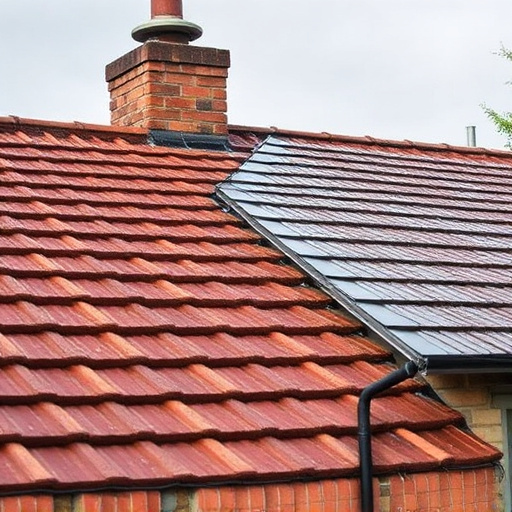
Securing and sealing your roof is crucial to protect against monsoon damage. Oro Valley's unpredictable weather, including intense storms and powerful winds, requires proactive measures to safeguard your home. An experienced Oro Valley roof specialist recommends a comprehensive monsoon roof damage checklist to ensure your roof is prepared for the season.
Start by inspecting your roof for any signs of weakness or wear, focusing on areas prone to microbursts and flying debris. Check for lifted shingles, broken tiles, and exposed underlayment-common indicators of potential issues. Addressing these problems early prevents further damage during storms. Securing loose tiles before the monsoon season can prevent them from becoming dangerous projectiles. Examine the condition of your roof vents, flashing, and parapets, as these elements play a vital role in preventing water intrusion.
Implementing a robust sealing strategy is essential to keep out heavy rain and flash flood runoff. Ensure proper sealing around skylights, solar panels, and gutters to prevent water leakage and interior damage. A well-maintained underlayment acts as a secondary defense against water intrusion, but it's important to check for any signs of damage or degradation. Regular maintenance and timely repairs, guided by your monsoon roof damage checklist, will ensure your roof is prepared to withstand the elements. Remember, spotting damage from the ground can be challenging, so a professional assessment before the monsoon is invaluable.
Prepare for Heavy Rainfall: Long-Term Roof Maintenance Tips
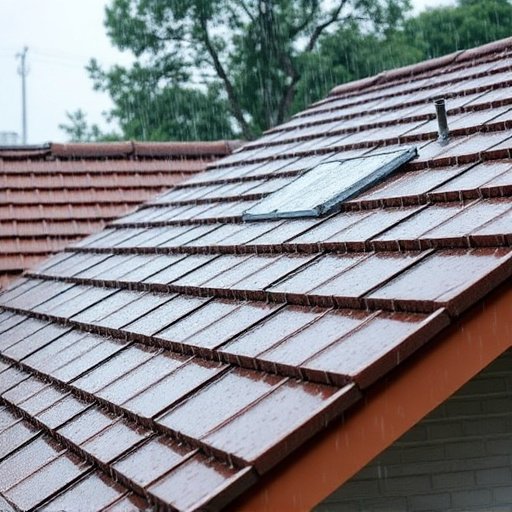
As the monsoon season approaches, preparing your roof for the increased rainfall and potential storms is crucial. This period requires specific attention to ensure your roof's longevity and protect your home from potential damage. One of the most effective ways to safeguard your roof is by implementing a thorough monsoon roof damage checklist that addresses long-term maintenance. This proactive approach, coupled with regular inspection by a licensed Oro Valley area roofing contractor, can significantly reduce the risk of costly repairs.
The primary focus of this preparation is on strengthening the underlayment and securing the roof's overall integrity. Begin by inspecting for any broken tiles or lifted shingles, which are common signs of storm damage. These issues can lead to water intrusion and, over time, cause severe interior damage, including ceiling stains. Once identified, promptly replace any missing or damaged shingles and tiles to prevent further compromise. Check the condition of the underlayment, a protective layer beneath the shingles. Over time, underlayment can degrade, becoming more susceptible to water penetration. Replacing or reinforcing it is a crucial step in preparing for heavy rainfall.
Regular maintenance also involves ensuring proper drainage systems and flashing around roof vents, skylights, and solar panels. These areas are particularly vulnerable to damage during storms, leading to potential leaks and interior water damage. By addressing these details, you create a robust defense against monsoon-related flying debris and microbursts. Securing loose tiles before the monsoon season ensures that strong winds, common during these events, don't cause widespread damage. Remember, early preparation is key; a well-maintained roof offers peace of mind, knowing you've taken the necessary steps to protect your home from the next storm.
Frequently Asked Questions About Seasonal Advice on Preparing a Roof for the Next Monsoon
What is the best time to prepare my roof for monsoon season?
The optimal time to prepare your roof for monsoon season is during the spring, specifically April to May in the Oro Valley area. This timing allows for sufficient drying time between rains, enabling you to inspect and make necessary repairs before the heavier rainfall begins. A licensed roofer can assess your roof's condition and provide recommendations tailored to your specific needs.
How can I tell if my roof needs repair before monsoon?
Look for signs of damage such as missing or loose shingles, leaks, or discolored spots. These could indicate wear and tear or mold growth from previous moisture issues. A professional inspection is crucial, as some damage may not be immediately visible. Regular maintenance, including cleaning gutters and checking for debris buildup, is also essential to prevent water damage.
What types of repairs should be prioritized for monsoon?
Prioritize repairs addressing leaks, loose or damaged shingles, and any structural issues. These are critical for preventing water intrusion, which can lead to extensive interior damage. Also, ensure your roof drainage system is clear and functioning to direct rainwater away from your home's foundation.
Do I need a special warranty for my roof during monsoon season?
While a standard home insurance policy covers roof damage, a manufacturer's or material-specific warranty can provide additional protection. Compare warranties and understand their terms to choose the best protection for your investment.
How does homeowners insurance help during monsoon?
Homeowners insurance typically covers storm-related damage to your roof, including leaks, wind damage, and, in some cases, hail. However, the insurance process can be complex, so document any damage with photos and maintain communication with your insurance provider. A local roofing company can assist in navigating the claims process and ensuring thorough repairs.
What should I do if my roof is damaged during monsoon?
If your roof is damaged during monsoon, act swiftly. Contact a licensed roofer immediately to assess and repair the damage to prevent further complications. Many roofing contractors offer emergency services for severe weather-related issues. Prompt action can save you from extensive, costly repairs later.
As the monsoon season approaches, preparing your roof is crucial to mitigate potential storm damage. By thoroughly inspecting your roof for weaknesses, strengthening its structure, and implementing protective measures, you can significantly reduce the risk of severe weather-related issues. Your monsoon roof damage checklist should include a detailed assessment of your roof's condition, focusing on areas prone to damage like lifted shingles, broken tiles, and storm-driven rain leaks. Securing loose tiles and reinforcing the underlayment before the monsoon ensures a more robust defense against flying debris and intense wind exposure. Long-term maintenance, such as sealing flashings and parapets, and addressing gutter issues, further protects your roof from interior leaks and flash flood runoff. Following these practical steps not only prepares your roof for the season but also offers peace of mind and financial protection against costly storm damage claims.
Protect Your Oro Valley Roof During Monsoon Season with a Comprehensive Checklist:
- Inspect Roof Thoroughly: Look for lifted shingles, broken tiles, and hidden storm damage, including interior leaks.
- Focus on Key Areas: Check flashing, parapets, and roof vents for cracks or uplift.
- Regularly Maintain Underlayment: Replace or reinforce as needed to prevent water intrusion.
- Secure Tiles and Vent: Prevent damage from flying debris and microbursts by securing loose tiles.
- Document Damage: Take photos for insurance claims, especially before and after storms.
- Consult Professionals: A local roofer can provide expert advice and ensure your roof is prepared.
- Proactive Approach: Early preparation saves money and keeps your home safe from monsoon storms.