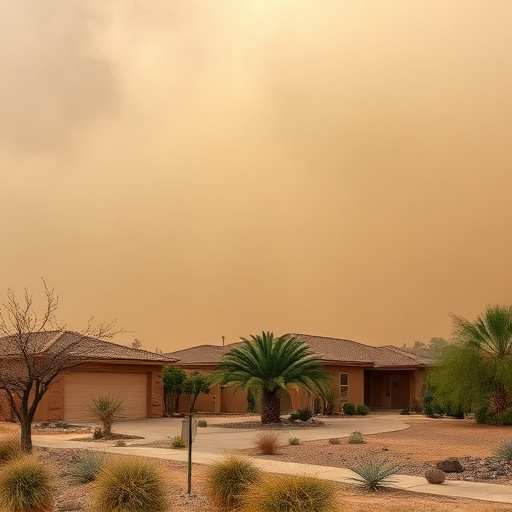
Storms in Oro Valley can leave a trail of damage, with flashing, parapets, and underlayment often among the most vulnerable components of a roof. These elements play a crucial role in protecting your home from the elements, and storm-related damage can have significant, often hidden, consequences. Recognizing and addressing storm-damaged flashing and parapets early is essential to prevent further, costlier repairs and ensure your home's longevity. This guide, tailored to Oro Valley's specific storm challenges, offers a comprehensive storm damage checklist, highlighting the first steps to take after a storm, how to spot hidden damage, and the timeline for effective repairs, ensuring peace of mind and financial protection for homeowners.
- Identifying Storm Damage: Flashing and Parapets
- Assessing Underlayment: Storm's Impact Exposed
- Repair Strategies: Restoring Storm-Damaged Roofs
- Prevention and Maintenance: Fortifying Against Future Storms
Identifying Storm Damage: Flashing and Parapets
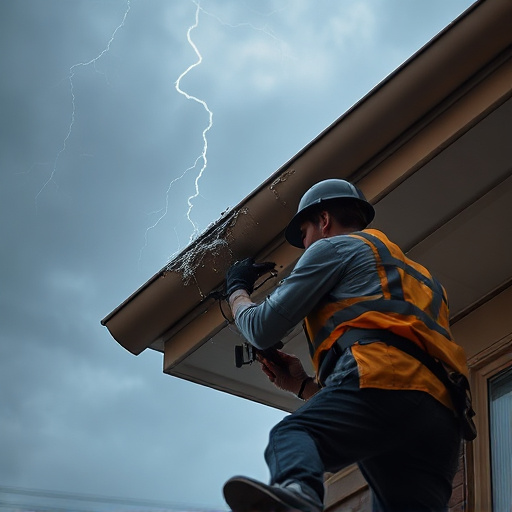
Storm-damaged flashing and parapets can be a subtle yet significant sign of roof wear and tear, especially during the monsoon season. Flashing, a thin layer of metal or synthetic material, is a crucial component of a roof's protective system, designed to seal joints and prevent water intrusion. Parapets, on the other hand, are vertical structures that enclose the roof edge, providing both aesthetic value and additional protection against falling debris. Both elements are vulnerable to the forces of nature, particularly during severe storms.
In the event of a storm, strong winds and driving rain can cause flashing to become dislodged or corroded, leading to potential leaks within the roof system. This is particularly true for older installations or those with flashing that has not been properly maintained. Ceiling stains, often the first visible sign of interior leaks, can be a result of water seeping through these vulnerable areas. In Rancho Vistoso, where wind exposure near Pusch Ridge can be significant, homeowners should be vigilant for any signs of flashing damage after a storm, as it may indicate a more extensive roof issue.
Parapets, while serving as a protective barrier, are also susceptible to storm damage. Tree limbs, flying debris, and microbursts can all contribute to broken or lifted shingles and tiles, which in turn can expose the underlying parapet material to the elements. A local roofing company serving Oro Valley, with its expertise in storm restoration, recommends inspecting parapets for any signs of damage, such as cracks, deformations, or loose connections, after a severe storm. Prompt repairs to flashing and parapets can prevent more serious and costly interior damage and ensure your home is protected during the next storm event.
Remember, hidden storm damage, such as that to flashing and parapets, can be challenging to spot from the ground. Homeowners should consider documenting their roof's condition before and after storms, taking photographs of any visible damage, which can be invaluable when filing a storm damage insurance claim. By being proactive and attentive to these details, you can ensure faster, more accurate repairs and better protection for your Oro Valley home during the monsoon season and beyond.
Assessing Underlayment: Storm's Impact Exposed
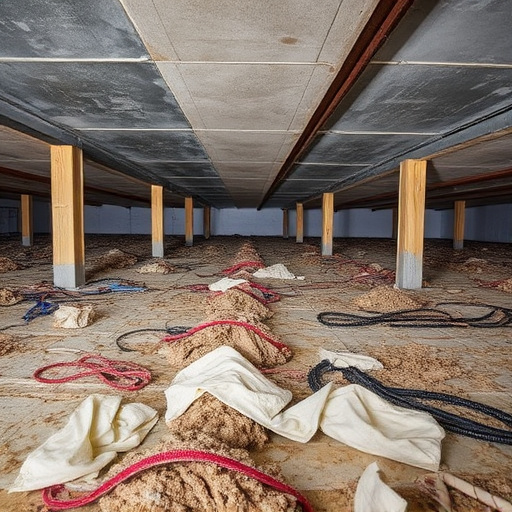
When a storm hits Oro Valley and Marana, the damage can be significant, especially to the less visible but critical components of your roof: the underlayment, flashing, and parapets. These elements form a crucial barrier against water intrusion and structural damage, so understanding their storm-related vulnerabilities is essential for any homeowner.
Underlayment, often made of synthetic materials like felt or paper, serves as a secondary protection layer beneath the shingles. Storms, particularly those with heavy rainfall or strong winds, can tear, rip, or completely remove the underlayment, leaving homes vulnerable to leaks. This damage is often hidden, as it occurs between the shingles and the roof deck, making it difficult to spot from the ground. A microburst, a localized, powerful updraft, can tear off entire sections of underlayment, exposing the roof deck and leaving telltale puddles of water inside the home after the storm has passed.
Storm damaged flashing and parapets are also common after severe weather. Flashing, which seals the joints between materials on the roof, can be lifted or torn away by strong winds, exposing these areas to water penetration. Parapets, the vertical walls that line the edges of the roof, can be damaged by falling debris, such as tree limbs, or blown away by powerful winds. These structural failures often go unnoticed until water starts seeping into the building, indicating a problem that requires immediate attention from a roofing contractor serving Oro Valley and Marana with an Arizona ROC license.
Homeowners should be particularly vigilant during the monsoon season, when storms are more frequent and intense. Before the next storm, consider securing loose tiles and inspecting your roof for any signs of damage. Keep an eye out for hidden issues, as a second storm before repairs can exacerbate problems. Remember, professional assessment is crucial; a certified storm expert can accurately identify storm-related damage, including hidden underlayment issues, and provide prompt, budget-friendly repairs, offering peace of mind during and after severe weather events.
Repair Strategies: Restoring Storm-Damaged Roofs
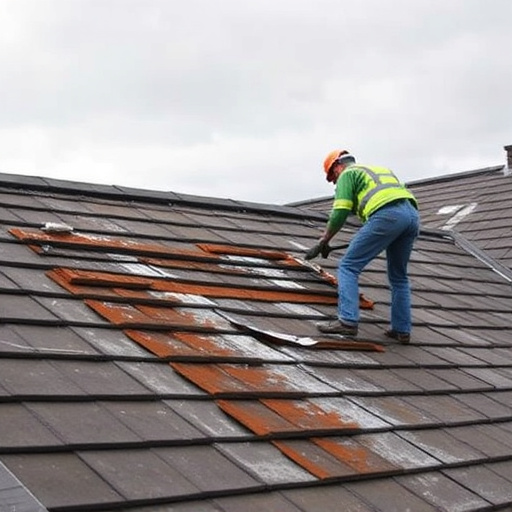
Storm-damaged flashing and parapets can be a serious concern following a severe storm. These components, vital to a roof's overall integrity, often bear the brunt of wind-driven rain, flying debris, and intense sunlight. When a storm hits, strong winds can lift and damage shingles, while intense rainfall can cause interior leaks and ceiling stains, long before any visible damage to the roof surface is apparent. In the aftermath, a licensed Oro Valley area roofing contractor recommends assessing the entire structure for hidden storm damage.
One of the first steps following a storm is to photograph any visible damage. These images not only serve as a record of the storm's impact but also become crucial when filing a storm damage insurance claim. With these images in hand, homeowners can begin to identify specific issues, such as lifted shingles, broken tiles, and storm damaged flashing. Microbursts-intense, localized downbursts of wind-can cause severe damage, including lifted shingles and broken tiles, especially on older roofs. Proper inspection reveals not only the extent of the damage but also any weaknesses that may have been exposed, such as storm damaged underlayment.
Restoring storm-damaged flashing and parapets requires a multi-step process. First, any loose tiles or shingles must be secured before the onset of the next storm. Then, the damaged flashing is replaced, ensuring proper installation to prevent future leaks. Repairs to parapets, which often bear the brunt of wind exposure near Pusch Ridge, are equally critical. A haboob-a powerful dust storm common in the region-can cause significant damage to roofs, including broken tiles and storm damaged roof vents. Once these repairs are complete, homeowners can turn their attention to interior repairs, such as repairing any ceiling stains caused by flash flood runoff or leaks from storm damaged gutters.
The timeline for storm repairs can vary, with some claims taking as little as one to two days, while others may take longer, especially if multiple homes are affected. It's crucial to work with a reliable roofing contractor who understands the local conditions and storm patterns in Oro Valley and Marana. They can provide a swift assessment, urgent quote, and prompt estimates, ensuring your home is protected from a second storm before repairs are complete. Homeowners should be wary of storm chaser roofers who may offer quick fixes without addressing the full extent of the damage. Remember, proper storm damage restoration involves more than just replacing shingles; it's about securing your home for the future.
Prevention and Maintenance: Fortifying Against Future Storms
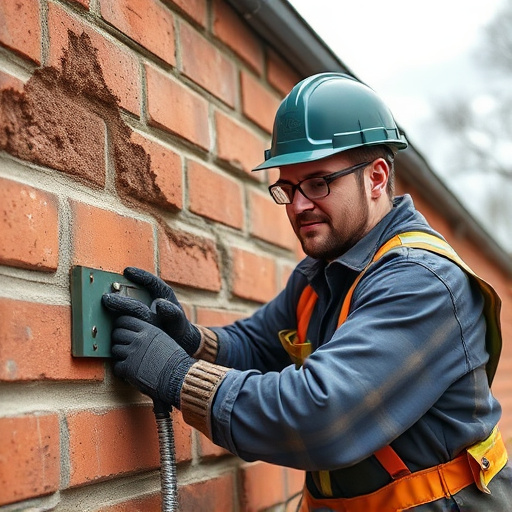
Preventing storm damage to flashing, parapets, and underlayment is crucial for safeguarding your Oro Valley home against the forces of nature. These components play a vital role in your roof's overall protection, and proactive measures can significantly reduce the risk of costly repairs. Regular maintenance and inspections are key to fortifying your property against future storms, especially the intense monsoons and haboobs that frequently affect the region.
For flashing, a licensed Arizona roofer recommends inspecting it for any signs of damage or disintegration. Flashing, which seals the joints and edges of the roof, is often the first line of defense against water intrusion. Over time, flashing can become worn, especially in areas exposed to extreme weather conditions. High winds and flying debris from storms can rip or tear the flashing, creating entry points for water. Regular checks and replacements can prevent these issues. Look for any gaps or damaged areas, and ensure proper sealing around chimneys, vents, and roof penetrations.
Parapets, or roof edges, also require attention. Strong winds, especially during monsoons, can lift shingles and create exposed edges. This not only compromises the roof's aesthetics but also leaves it vulnerable to further damage from debris and lightning strikes. Regular cleaning and inspection can help identify any loose or missing tiles, allowing for prompt repairs. A good practice is to secure loose tiles before the monsoon season, minimizing the risk of lifted shingles and potential interior leaks.
Underlayment, a layer beneath the shingles, is another critical component. It provides extra protection against water penetration and acts as a buffer during storms. Over time, underlayment can deteriorate, especially in areas prone to heavy rain and flash floods. Inspecting and replacing the underlayment regularly can prevent water damage to the roof deck and interior. Keep an eye out for any signs of mold, mildew, or water stains, which could indicate hidden storm damage. Remember, addressing these issues promptly can save you from costly repairs and ensure your home's structural integrity.
Frequently Asked Questions About an explainer on storm damage to flashing, parapets and underlayment
What is storm damage to roofing components? Storm damage can manifest in various ways, including missing or damaged shingles, flashing that has lifted or peeled away from the roof, and cracks or holes in the underlayment. High winds, hail, and heavy rain can all contribute to these issues. This damage not only compromises the roof's integrity but can also lead to water intrusion and further structural problems if left unaddressed.
How do storms affect flashing, specifically? Storms can lift or peel back flashing, exposing the underlayment and allowing water to seep into the roof structure. Flashing is a crucial component that seals the joints and edges of shingles, so its damage can significantly increase the risk of water penetration. Repairs are often necessary to ensure the continued protection of the roof and building below.
What are parapets, and how are they impacted by storms? Parapets, or roof edges, can be affected by storms in several ways. Strong winds may bend or distort them, while heavy rainfall can cause erosion or wear over time. These structural elements play a vital role in protecting the building against wind and debris, so damage can compromise the overall safety of the structure. Regular inspection and maintenance are essential to prevent such issues.
Why is underlayment protection crucial after a storm? The underlayment, or the layer beneath the shingles, is critical for maintaining a dry roof. Storms can tear or damage the underlayment, creating pathways for water to enter the attic or ceiling. By ensuring the underlayment's integrity, you prevent costly water damage and promote the long-term durability of the roof.
Who should I contact for storm damage repairs? For professional and reliable service, it's advisable to contact a licensed and experienced roofing contractor. They have the expertise and tools to assess and repair storm damage effectively. In the Oro Valley area, DC Roofing of Arizona is a trusted choice, offering comprehensive roofing services to address storm-related issues promptly.
Understanding storm damage to flashing, parapets, and underlayment is crucial for any homeowner in Oro Valley. By recognizing common signs of damage, such as lifted shingles, broken tiles, and interior leaks after heavy rain, you can take immediate action. Assessing the extent of the storm's impact on your underlayment is key to making informed decisions about repairs. Repairs should focus on restoring these critical components to their functional state, ensuring your roof is secure against future storms.
Implementing preventive measures, such as securing loose tiles before the monsoon season and reinforcing flashing and parapets, can significantly reduce potential damage. Regular maintenance, including prompt estimates and swift repairs, is essential for safeguarding your home's value and your peace of mind. Remember, the key to navigating storm damage is early action and professional guidance, whether from a local roofing expert or a public adjuster for your insurance claim.
Storm Damage Prevention: Protecting Flashing, Parapets, & Underlayment
Storms in Oro Valley and Marana can cause significant roof damage, especially to hidden components like flashing, parapets, and underlayment. These elements are crucial for your roof's protection. Regular maintenance is key:
- Flashings: Inspect for wear, tears, or corrosion. Replace as needed to seal joints and prevent water intrusion.
- Parapets: Secure loose tiles, look for cracks or deformations. Repairs prevent falling debris from exposing the roof.
- Underlayment: Check for tearing, rips, or mold. Replace to protect against water damage and leaks.
Document storm damage for insurance claims. Work with licensed local contractors for prompt, expert repairs. Proactive measures safeguard your home against costly, future storm damage.